
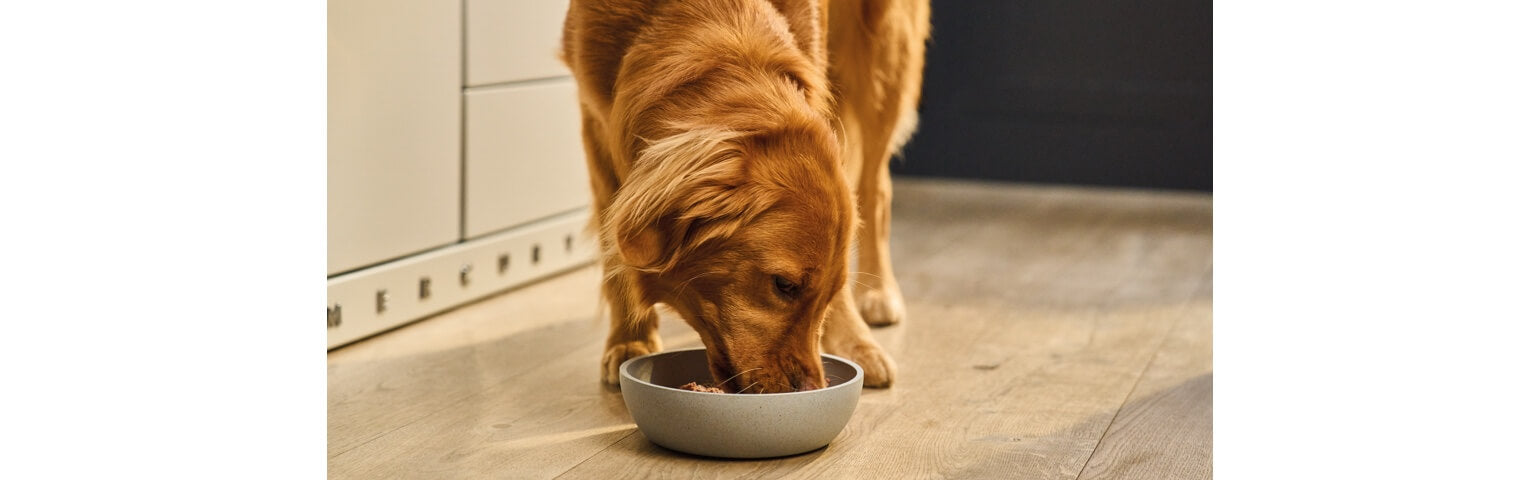
Imagine this: you’re feeding your feline friend with wet cat food, and your curious pup is eyeing the dish with undeniable interest. You might wonder if it’s safe to share this treat between your furry companions.
Can dogs really have wet cat food? This question might seem simple, but the answer is wrapped in layers of pet health and nutrition that you should be aware of. By diving into this topic, you'll uncover some surprising facts that could change how you approach feeding your pets.
You want the best for your dog, and understanding the implications of sharing wet cat food is crucial. Stick around to discover what you need to know for the health and happiness of your beloved dog!

Credit: www.lilyskitchen.co.uk
Nutritional Needs Of Dogs
Understanding the nutritional needs of dogs is crucial for their health and wellbeing. While you might be tempted to offer your dog wet cat food, it's important to know that dogs and cats have different dietary requirements. By aligning your dog's diet with their nutritional needs, you can ensure they live a healthy and happy life.
Essential Nutrients
Dogs require a balanced diet packed with essential nutrients. Proteins are a cornerstone of their diet, aiding in muscle growth and repair. Unlike cats, dogs are omnivores, which means they benefit from a mix of animal and plant-based proteins. Carbohydrates provide energy, while fats are necessary for absorbing vitamins.
Vitamins and minerals are equally important. Vitamin A supports vision, while calcium strengthens bones. Dogs need omega-3 and omega-6 fatty acids for healthy skin and coat. It's fascinating how similar yet distinct their needs are compared to cats!
Dietary Requirements
Dogs thrive on a diet that meets their unique dietary requirements. They need a balance of proteins, fats, carbohydrates, vitamins, and minerals. It's important to note that wet cat food often lacks the carbohydrates that dogs need for energy.
Consider the age, size, and activity level of your dog when planning their meals. Puppies need more protein for growth, while older dogs may require fewer calories. Have you noticed how much more energetic your dog is when their diet matches their needs?
Ultimately, while dogs can occasionally consume wet cat food, it shouldn't be a regular part of their diet. Ensuring your dog's meals are tailored to their nutritional needs will keep them healthy and active. Wouldn't you agree that our furry friends deserve the best nutrition possible?
Composition Of Wet Cat Food
Wet cat food typically contains higher protein levels and fats than dog food. It includes ingredients like meat, fish, and essential vitamins tailored for cats' dietary needs. Dogs can occasionally have it, but it's not ideal for their long-term health.
Understanding the composition of wet cat food is crucial if you're considering feeding it to your dog. While cats and dogs share some dietary needs, their nutritional requirements differ significantly. Wet cat food is meticulously formulated to cater to a cat's specific needs, which may or may not align with your dog's requirements.
Key Ingredients
Wet cat food usually contains high-quality proteins, primarily from animal sources like chicken, beef, and fish. These proteins are essential for a cat's diet, given their carnivorous nature. You might notice ingredients like taurine, an amino acid vital for cats but not essential for dogs. Additionally, cat food often has added vitamins and minerals tailored to feline health.
Nutritional Profile
The nutritional profile of wet cat food is rich in moisture, providing hydration for cats who naturally drink less water. This can be beneficial for dogs, especially if they aren't big water drinkers. However, the fat content is typically higher in cat food, supporting a cat's metabolism but potentially leading to weight gain in dogs if consumed regularly. Consider the carbohydrate content too; cat food often has fewer carbs, which is fine for dogs but might not meet their energy needs fully. Have you ever wondered why your dog seems to prefer cat food over their own? Could it be the enticing aroma or the richer taste? While these might seem appealing, ensuring the nutritional balance for your dog is key. Always consult with a veterinarian before making dietary changes.
Comparing Dog And Cat Foods
Understanding the differences between dog and cat foods is crucial. Both have unique nutritional needs. Feeding your dog wet cat food occasionally might seem harmless. But it's essential to compare the nutritional content of both. This section explores key differences in protein, taurine, fat, and caloric content.
Protein Levels
Dogs and cats require protein, but the levels differ. Cat food often contains higher protein. Cats are obligate carnivores. They need more protein for their energy. Dogs can thrive on less protein. Their diets include other nutrients. Comparing protein levels helps ensure balanced nutrition.
Taurine Content
Taurine is vital for cats. It's essential for their heart and vision. Dog food does not require taurine. Dogs can produce taurine themselves. Cat food has added taurine. Feeding cat food to dogs won't harm them. But it may not be necessary.
Fat And Caloric Differences
Fat content varies between dog and cat food. Cat food is often higher in fat. Cats need more fat for energy. Dog food usually has moderate fat levels. Dogs need balanced calories. Too much fat can lead to weight gain. Comparing caloric content is important.
Potential Benefits
Exploring the benefits of feeding wet cat food to dogs can offer insights into their dietary needs. While dogs primarily enjoy their own dog food, the inclusion of wet cat food might present certain advantages. Understanding these benefits helps in making informed choices for your pet's diet.
Palatability And Texture
Wet cat food often has a strong aroma and rich flavor. Dogs find these qualities appealing, encouraging them to eat. Its soft texture is easier for dogs to chew and digest. This can be particularly beneficial for older dogs or those with dental issues. A change in texture can stimulate a dog’s appetite, especially if they are picky eaters.
Hydration Benefits
Wet cat food contains a higher water content than dry food. This aids in keeping dogs hydrated, especially those who do not drink enough water. Proper hydration supports kidney function and overall health. It can be advantageous during hot weather or for dogs prone to urinary tract issues. Ensuring adequate moisture intake can prevent dehydration and related health problems.
Possible Risks
While sharing wet cat food with dogs seems harmless, it carries risks. Cats and dogs have different dietary needs. Feeding dogs cat food may lead to health issues. Understanding these risks can help ensure your pet's well-being.
Nutrient Imbalance
Cat food is richer in protein and fat than dog food. Dogs need a balanced diet with more carbohydrates and different nutrients. Feeding dogs cat food regularly can lead to nutrient imbalance. This can affect their energy levels and health over time.
Digestive Issues
Dogs and cats have different digestive systems. Cat food is formulated to meet cats' specific needs. Consuming it might upset a dog's stomach. This can lead to diarrhea or vomiting. It's essential to monitor your dog's reaction to new foods.
Allergic Reactions
Some dogs may be allergic to ingredients in cat food. These allergies can cause skin irritations or itching. In severe cases, it might lead to breathing difficulties. Identifying and avoiding allergens is crucial for your dog's health.

Credit: www.youtube.com
Veterinary Insights
Understanding whether dogs can safely eat wet cat food requires insights from veterinary experts. While it might be tempting to feed your dog with wet cat food, especially if you have both pets, it's important to know the health implications. Let's explore what veterinarians have to say about this common query.
Expert Opinions
Veterinarians emphasize that dogs and cats have different nutritional needs. Cat food is generally higher in protein and fat, tailored to a cat's dietary requirements. Feeding your dog cat food occasionally might not cause immediate harm, but regular consumption could lead to nutritional imbalances.
One vet I consulted mentioned how her dog accidentally ate cat food and was fine, but she stressed that it should not be a habit. Dogs require a balanced diet with specific nutrients that cat food might not provide. Ensuring your pet's diet is appropriate is crucial for their long-term health.
Recommended Practices
If you ever find yourself out of dog food and only have wet cat food at home, use it sparingly. It's a quick fix but not a sustainable option. Always prioritize getting your dog back to their regular diet as soon as possible.
- Consult your vet if you're unsure about feeding your dog cat food.
- Ensure that any temporary dietary changes are brief and monitored.
- Keep cat food out of your dog's reach to avoid accidental consumption.
Have you ever wondered if feeding your dog cat food could affect their behavior or health in the long run? Maintaining a consistent and appropriate diet is essential for your dog's well-being. Consider investing in a diet plan or schedule that suits your dog's specific needs.
Alternatives To Wet Cat Food
Feeding your dog wet cat food can pose some risks. Dogs have different nutritional needs than cats. Luckily, there are better alternatives to ensure your dog's health and happiness. Let's explore some options that are safe and nutritious for your furry friend.
Dog-friendly Options
There are many dog-friendly foods available. Choose foods specifically designed for canine nutrition. Look for high-quality kibble or canned dog food. These options have the right balance of protein, fats, and carbohydrates. They also provide essential vitamins and minerals.
- High-quality kibble
- Canned dog food
- Fresh, lean meats
- Cooked vegetables
Homemade Recipes
Homemade meals can be a great option. They allow control over ingredients. You can ensure a balanced diet for your dog. Start with lean proteins like chicken or turkey. Add cooked vegetables such as carrots or green beans. Mix in brown rice or quinoa for healthy carbohydrates.
Here's a simple recipe:
- 1 cup cooked chicken, diced
- 1/2 cup cooked brown rice
- 1/2 cup steamed carrots, chopped
- 1/4 cup peas
Mix all ingredients together and serve. Always consult your vet before changing your dog's diet. Your dog's health is important, and their diet plays a big role.
Monitoring And Adjusting Diet
Monitoring and Adjusting Diet Dogs may occasionally eat wet cat food, but it's not ideal for their diet. Cat food contains higher protein and fat levels, which can upset a dog's nutritional balance. Always consult a vet before making dietary changes.
Monitoring and adjusting your dog's diet is crucial, especially if you've considered feeding them wet cat food. While dogs can occasionally eat cat food, it's essential to ensure that they receive a balanced diet tailored to their specific needs. Regularly monitoring their health and adjusting their diet accordingly helps prevent potential nutritional deficiencies and health issues.
Signs Of Nutritional Deficiency
When feeding your dog wet cat food, watch out for signs of nutritional deficiencies. Common indicators include a dull coat, lethargy, and unexpected weight changes. You might also notice gastrointestinal issues like diarrhea or vomiting. If your dog seems unusually thirsty or develops skin problems, these could be red flags. It's essential to remain observant and proactive. Always remember that your dog's behavior and physical appearance can provide vital clues about their overall health. Have you noticed any changes that concern you?
Consulting A Veterinarian
Before making any significant changes to your dog's diet, consulting a veterinarian is a smart step. A vet can offer expert advice and help you understand whether wet cat food is suitable for your dog. They might suggest supplements or alternative foods that better meet your dog's nutritional requirements. During a vet visit, share your observations and concerns. This collaboration ensures you're making informed decisions about your pet's diet. Have you scheduled your pet’s next check-up? By monitoring your dog's diet and consulting professionals, you can ensure their meals contribute positively to their health and happiness.

Credit: www.lilyskitchen.co.uk
Frequently Asked Questions
What Happens When My Dog Eats Wet Cat Food?
Dogs eating wet cat food occasionally isn't harmful. It may cause digestive upset due to different nutritional needs. Regular consumption can lead to obesity and nutrient imbalance. Ensure your dog eats food formulated for its dietary requirements. Always consult a vet if unusual symptoms occur.
Can I Mix Wet Cat Food With My Dog's Dry Food?
Mixing wet cat food with dry dog food is not advisable. Cats and dogs have different nutritional needs. Cat food may contain higher protein levels which can be unsuitable for dogs. Always consult your veterinarian before altering your pet's diet to ensure proper nutrition and health.
Can A Dog Temporarily Eat Cat Food?
Dogs can eat cat food temporarily, but it's not ideal. Cat food lacks nutrients essential for dogs. Feeding occasionally is fine, but prolonged consumption may lead to health issues. Ensure your dog gets a balanced diet tailored for its specific needs.
Consult a vet for dietary guidance.
What If I Give Cat Food To My Dog?
Feeding your dog cat food occasionally won't harm them, but it lacks essential nutrients. Cat food is richer in protein and fat, which may upset your dog's stomach or cause weight gain. Regularly giving cat food to dogs is not recommended.
Always choose dog-specific food for balanced nutrition.
Conclusion
Feeding dogs wet cat food can be risky. Their dietary needs differ. Dogs need specific nutrients for health. Cat food might lack these nutrients. It can also contain ingredients harmful to dogs. Occasional cat food might not harm dogs. But don't make it a habit.
Consult a vet before changing a dog's diet. Always prioritize your dog's nutritional needs. Choose food designed for dogs. Keep your furry friend healthy and happy. Proper nutrition ensures a joyful life for your pet. Make informed choices for their well-being.
