
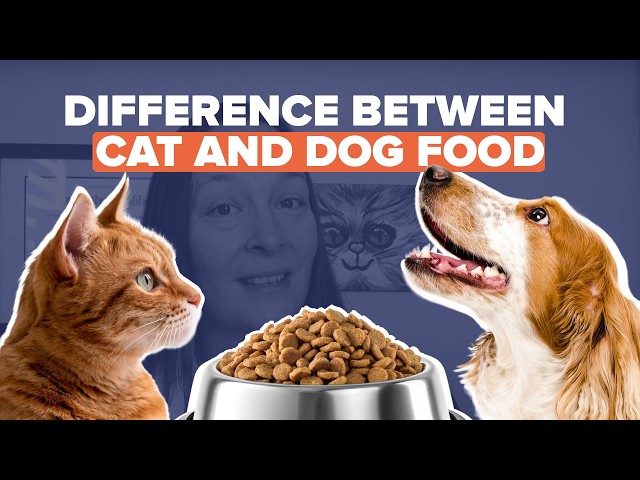
Have you ever found your dog eyeing your cat's food bowl with curiosity? If you're a pet parent juggling both cats and dogs, this scenario might be all too familiar.
You might wonder, "Can dogs eat wet cat food? " It's a question that can leave you puzzled, especially if your dog is persistent in trying to sneak a bite. Understanding what’s best for your furry friend can sometimes be a maze of dos and don’ts.
By the end of this article, you'll have a clear answer and insight into why your dog might be attracted to cat food in the first place. Are you ready to uncover the truth and ensure your pets are eating right? Let's dive in!
Credit: www.chewy.com
Differences Between Dog And Cat Nutrition
Dogs and cats have different nutritional needs. Understanding these differences is crucial. It helps ensure their health and well-being. Feeding them the right food is essential for their specific dietary requirements. Knowing the distinctions can prevent potential health issues.
Protein Requirements
Cats need more protein than dogs. They are obligate carnivores. This means they must eat meat to survive. Dogs are omnivores. They eat both meat and plants. Their protein needs are less compared to cats.
Essential Nutrients
Cats require taurine and arachidonic acid. These nutrients are vital for their health. Dogs produce these on their own. They don't need these nutrients from their diet. This makes their nutritional needs different.
Vitamin Needs
Cats cannot produce vitamin A from beta-carotene. They need direct sources of vitamin A. Dogs can convert beta-carotene into vitamin A. This makes their vitamin requirements more flexible.
Metabolism Differences
Cats have a faster metabolism for certain nutrients. They need frequent feeding. Dogs can go longer between meals. Their metabolism is slower in comparison. This affects how often they should eat.
Caloric Intake
Cats have higher calorie needs per pound. Their food should be energy-dense. Dogs need fewer calories per pound. Their diet can be less calorie-rich. This difference impacts their daily food portions.
Ingredients In Wet Cat Food
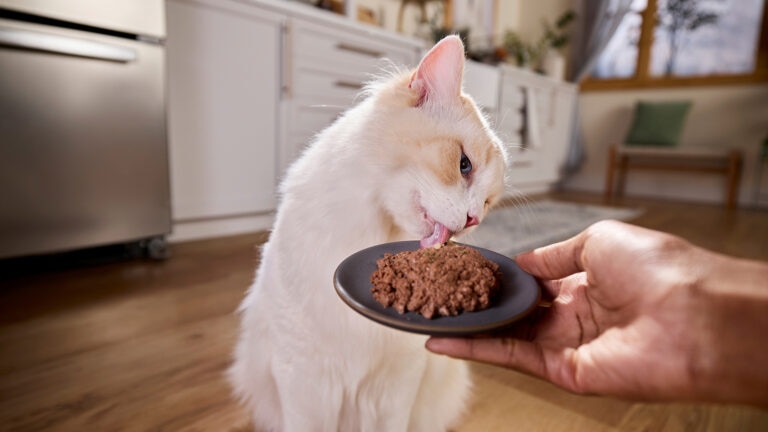
Wet cat food often contains meats, fish, and animal by-products. These ingredients cater to a cat's nutritional needs. Dogs can eat it occasionally, but it's not ideal for their diet.
Wet cat food often appeals to pets with its moist texture and rich flavor. Understanding its ingredients is vital before deciding if dogs can eat it. Dog owners might wonder about the nutritional composition and possible effects on their furry friends. Knowing these details helps ensure the safety and health of pets.
Understanding Protein Sources
Wet cat food is rich in protein. It often contains chicken, beef, or fish. These proteins provide essential amino acids. Cats need high protein, but dogs have different needs. Dogs require balanced nutrition including carbohydrates and fats. Check the protein levels to avoid overfeeding dogs.
Fats In Wet Cat Food
Wet cat food contains fats for energy. Fats also enhance taste and texture. Cats require more fats than dogs. Too much fat can lead to weight gain in dogs. Monitor fat intake if feeding wet cat food.
Carbohydrates And Fiber
Wet cat food typically has less carbohydrate. Cats are obligate carnivores. Dogs need more carbs for energy. Fiber aids digestion for both cats and dogs. Lack of fiber might affect a dog's digestion.
Essential Vitamins And Minerals
Wet cat food has vitamins and minerals for cat health. Taurine is crucial for cats but not necessary for dogs. Calcium and phosphorus are present but in different ratios. Dogs need balanced vitamins and minerals for overall health.
Preservatives And Additives
Wet cat food may include preservatives. They keep the food fresh longer. Check for additives that might affect dogs differently. Artificial flavors and colors are sometimes present. Natural ingredients are safer for all pets.
Moisture Content
Wet cat food is high in moisture. It helps keep cats hydrated. Dogs also benefit from moisture but need less. High moisture content can affect their digestive system. Keep an eye on how it affects your dog’s hydration.
Potential Health Risks For Dogs
Feeding dogs wet cat food might seem harmless. But it can pose health risks. Understanding these risks helps in making safe choices for your pet. Below are key concerns to consider.
Digestive Issues
Wet cat food can upset a dog's stomach. This food is rich in fats and protein. Dogs are not used to such levels. This might lead to vomiting or diarrhea. Some dogs may experience gas or bloating. Monitor your dog closely after eating cat food.
Nutritional Imbalance
Dogs and cats have different dietary needs. Cat food lacks nutrients needed by dogs. Over time, this can lead to deficiencies. Dogs need more carbohydrates than cats. Cat food does not provide these needs. A dog eating it regularly may suffer from poor health.
Taurine Levels
Cats need high taurine levels. Dogs do not. Wet cat food is high in taurine. Excess taurine can harm dogs. It can affect their heart health. Always check ingredient labels before feeding your dog. Keep their diet balanced and safe.

Credit: www.purina.com
Signs Of Adverse Reactions
As pet owners, we often wonder if our furry friends can share meals. While dogs might eagerly devour wet cat food, it's essential to recognize signs of adverse reactions. Dogs have different dietary needs than cats, and feeding them cat food can sometimes lead to health issues. Understanding these signs can help ensure your dog's well-being.
Gastrointestinal Distress
One of the most common signs that your dog might be having a problem with wet cat food is gastrointestinal distress. This can manifest as vomiting or diarrhea. If you've ever experienced your dog looking uncomfortable, pacing, or refusing their usual treats, it could be their stomach reacting poorly. Pay attention to these signs, especially if they occur soon after your dog has consumed cat food.
Imagine having a meal that doesn't sit right; your dog feels the same discomfort. If your dog frequently exhibits these symptoms after eating cat food, it may be time to reconsider their diet. Remember, dogs have sensitive stomachs, and monitoring their reactions can save you from unnecessary vet visits.
Allergic Responses
Just like humans, dogs can have allergies too. Wet cat food might contain ingredients that trigger allergic responses in your dog. These responses can range from mild itching to severe skin rashes. Have you noticed your dog scratching more than usual or developing red patches on their skin? This could be a sign of an allergic reaction.
Allergic responses can also affect your dog's breathing, causing wheezing or coughing. If you observe any unusual symptoms, it's crucial to consult with a veterinarian. Identifying allergens early can prevent long-term health issues. Keep a close eye on your dog's behavior and skin condition after they've had a taste of cat food.
Would you risk feeding your dog something that makes them uncomfortable or unwell? It's essential to weigh the risks and benefits before sharing cat food with your canine companion. Your dog relies on you for their health and happiness, so watch for these signs and make informed choices.
When Is It Safe For Dogs To Eat Cat Food?
Understanding when it's safe for dogs to eat wet cat food is crucial. Cat food is not formulated for dogs. Yet, there are specific situations where it might be safe. Knowing these can protect your dog's health.
Is Your Dog Healthy?
A healthy dog might tolerate cat food occasionally. Ensure your dog has no allergies. Check for any signs of digestive issues. If your dog seems fine, a small amount may be okay.
Emergency Situations
In emergencies, cat food can be a temporary solution. Running out of dog food happens. Feeding cat food short-term can be safe. Always switch back to dog food as soon as possible.
Monitor Portion Sizes
Too much cat food can upset a dog's stomach. Serve small portions if needed. Monitor your dog's reaction. Stop if any issues occur.
Consult Your Vet
Always consult your vet before feeding cat food. They provide guidance tailored to your dog. Vets know the risks and benefits. Your pet's health comes first.
Credit: petdirect.co.nz
Alternatives To Wet Cat Food For Dogs
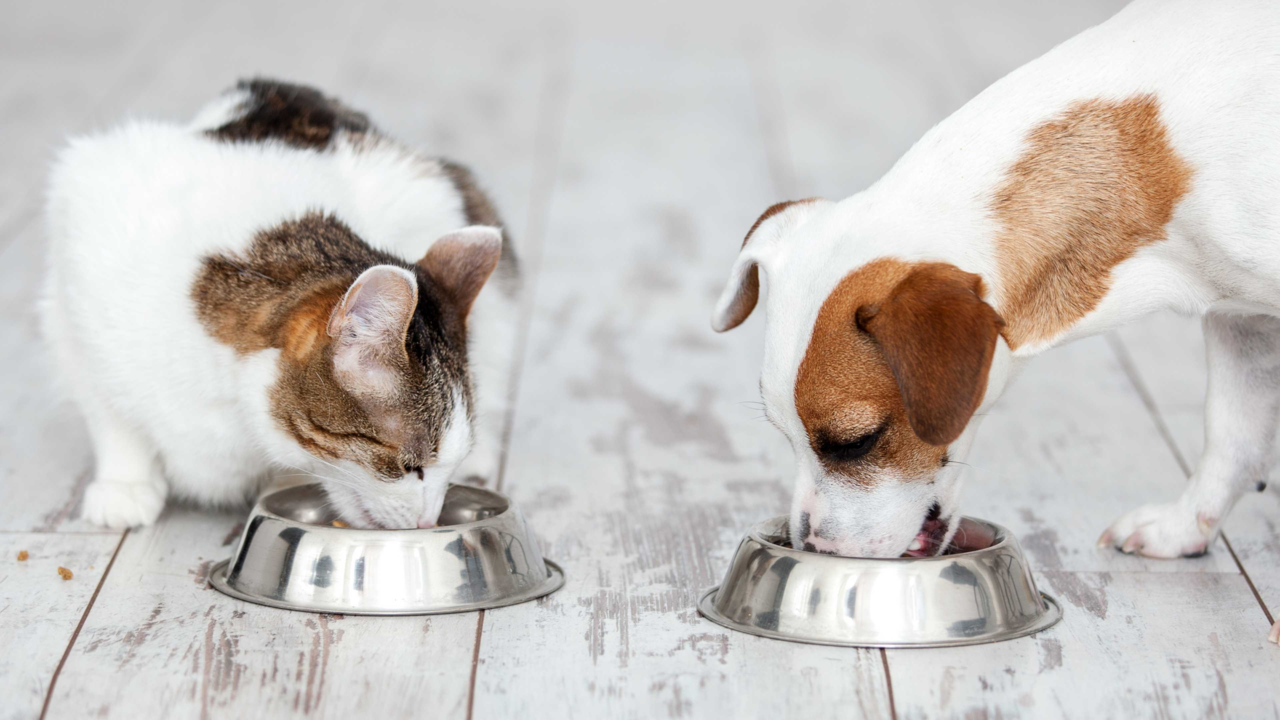
Feeding dogs wet cat food is not ideal. Dogs and cats have different dietary needs. Cat food is high in protein and fat. This can lead to health problems in dogs. Fortunately, there are better alternatives. These options cater to a dog's nutritional needs. Let's explore them.
Dog-specific Wet Foods
Dog-specific wet foods are tailored for canine diets. They contain balanced nutrients necessary for dogs. These foods are rich in proteins, vitamins, and minerals. Manufacturers design them to support a dog's health. You can find various flavors and textures. This variety ensures your dog enjoys every meal. Check labels for high-quality ingredients. Avoid products with artificial additives.
Homemade Dog Meals
Homemade dog meals offer a personal touch. You control the ingredients and portions. Use lean meats like chicken or turkey. Add vegetables like carrots and peas. Cook grains like rice or oats for added fiber. Ensure a balanced diet with proper nutrients. Consult a vet for guidance on recipes. Homemade meals can be fresh and nutritious. They also help avoid preservatives found in some commercial foods.
Consulting A Veterinarian
Before deciding to let your dog munch on wet cat food, seeking advice from a veterinarian is crucial. Veterinarians have the knowledge and expertise to guide you based on your pet's specific health needs. Consulting them can prevent potential dietary mishaps and ensure your furry friend's well-being.
Why is it so essential to consult a vet before making dietary changes for your dog? Each pet has unique nutritional requirements, and what works for one might not be suitable for another. A veterinarian can tailor advice specifically for your dog's age, breed, and health conditions.
Imagine you discover your dog sneaking bites from the cat's bowl. Instead of panicking, a quick trip to the vet can provide peace of mind. They'll assess if occasional indulgence is harmless or if it poses a risk to your pet's health.
Understanding Nutritional Differences
Dogs and cats have different dietary needs. Cats require higher protein levels, while dogs need a more balanced diet with carbohydrates. A vet can explain these differences and advise on whether wet cat food can complement your dog's diet.
Allergies And Sensitivities
Have you ever noticed your dog scratching more than usual after eating something new? This could be a sign of an allergy or sensitivity. A vet can help identify any ingredients in cat food that might trigger such reactions in your dog.
Frequency And Portion Control
If your vet gives the green light, how often should you allow your dog to have wet cat food? Portion control is vital. Overindulgence can lead to obesity or nutritional imbalances, and a veterinarian can guide you on maintaining a balanced diet.
Long-term Health Implications
Consider the long-term effects of feeding your dog wet cat food. While it may seem harmless occasionally, consistent consumption might affect your dog's health. Discussing potential long-term implications with your vet can help prevent future health issues.
Frequently Asked Questions
What Happens If A Dog Eats Wet Cat Food?
Dogs eating wet cat food occasionally may experience mild digestive upset. Cat food is high in protein and fat, which can lead to diarrhea or vomiting in dogs. Regular consumption might cause nutritional imbalance or obesity. Consult a vet if symptoms persist or your dog frequently eats cat food.
Is Wet Cat Food Ok For Dogs?
Wet cat food is not ideal for dogs. It lacks essential nutrients dogs need. Dogs require a balanced diet specifically formulated for their species. Occasionally feeding wet cat food might not harm, but it's not recommended for regular meals. Always consult a vet for dietary advice tailored to your dog's needs.
Why Does My Dog Like Wet Cat Food?
Dogs might enjoy wet cat food due to its strong aroma and higher protein content. The flavors can be appealing to them. Always ensure your dog’s diet is balanced and consult a vet before regularly feeding cat food to dogs.
Can I Mix Wet Cat Food With My Dog's Dry Food?
Mixing wet cat food with a dog's dry food isn't recommended. Cats and dogs have different nutritional needs. Consult your vet for advice.
Conclusion
Feeding dogs wet cat food can cause health issues. Dogs need specific nutrients. Cat food lacks these essential nutrients for dogs. Occasional consumption might not harm them. Regular feeding isn't advisable. Dogs and cats have different dietary needs. Always consult a vet before changing diets.
Consider balanced dog food for complete nutrition. Keep your pet's health in mind. Proper diet ensures a happy, healthy dog. They deserve the best care possible. Make informed decisions for their well-being. Your furry friend will thank you.