
Feline chin acne is one of the most frequently reported dermatological concerns presented to veterinary clinics, affecting cats of all ages, breeds, and coat types. For mild to moderate cases, benzoyl peroxide wipes for cats are a veterinarian-recommended at-home solution that targets the root cause of breakouts without the need for prescription medications. Unlike harsh human acne products, feline-specific benzoyl peroxide wipes use a calibrated, low concentration of the active ingredient to kill acne-causing bacteria, exfoliate clogged hair follicles, and reduce excess oil production on sensitive cat skin. This guide covers how these wipes work, what skin issues they address, how to use them safely, and top vet-approved options to keep your cat’s skin healthy and irritation-free.
What Are Benzoyl Peroxide Wipes for Cats, and How Do They Work?
Benzoyl peroxide is a keratolytic and antimicrobial agent that works on two levels to improve feline skin health. First, it gently exfoliates dead skin cells and excess sebum that clog hair follicles, the primary cause of feline chin acne and folliculitis. Second, it kills Porphyromonas and other acne-causing bacteria that colonize clogged follicles, reducing inflammation and preventing secondary infections. The FDA warns that human benzoyl peroxide products contain concentrations too high for feline skin, and can cause severe chemical burns and irritation if used on cats. Feline-specific wipes are formulated with a 2.5% benzoyl peroxide concentration, the optimal level for cats’ thin, sensitive facial skin. Most wipes are pre-moistened with a gentle, pH-balanced solution that requires no rinsing, and are non-toxic if accidentally ingested in small amounts, making them a low-risk option for most cats.
Common Skin Issues Treated with Feline Benzoyl Peroxide Wipes
Feline Chin Acne
Also called feline chin furunculosis, this condition appears as blackheads, pustules, redness, and scabbing on a cat’s chin, lower lip, and sometimes muzzle. It is often triggered by a combination of excess sebum production, clogged hair follicles, and bacterial growth, with common contributing factors including plastic food/water bowls (which harbor bacteria in microscopic scratches), poor grooming habits (especially in overweight or arthritic cats), and contact with dirty surfaces. Mild cases present as occasional blackheads, while severe cases can lead to deep, painful infections that require veterinary intervention. Benzoyl peroxide wipes address the root cause by exfoliating clogged follicles and killing surface bacteria, reducing breakouts and preventing progression to more severe infection.
Bacterial Folliculitis and Minor Skin Irritation
Beyond chin acne, benzoyl peroxide wipes are effective for treating bacterial folliculitis, an inflammation of hair follicles caused by bacterial overgrowth that often appears as small red bumps or scabs around the face, ears, and neck. They also soothe mild irritation from minor scrapes, allergic reactions, or contact with irritants, and can be used to clean debris from small superficial cuts to reduce infection risk. These wipes are for external use only, and should never be used near a cat’s eyes unless the product is specifically labeled ophthalmic-safe. For eye irritation or discharge, use a vet-formulated eye wipe designed for sensitive feline eyes instead of benzoyl peroxide wipes, which can cause stinging and damage to the cornea.
Precautions for Use Near Sensitive Areas
While many benzoyl peroxide wipes are labeled safe for use around the ears and mouth folds, avoid direct contact with the eyeball, inner ear canal, and open wounds. If your cat has a deep cut, weeping lesion, or signs of a severe skin infection (swelling, pus, extreme redness), discontinue wipe use and consult your veterinarian immediately, as these conditions require prescription treatment.
How to Use Benzoyl Peroxide Wipes Safely and Effectively
Step-by-Step Application Guide
- Prep the area: If your cat has visible dirt, debris, or crusting from acne, gently wipe the area with a clean, damp cloth first to remove loose buildup.
- Apply the wipe: Hold your cat securely (ask a second person to help if needed for wiggly cats), and use gentle, circular motions to wipe the affected area (typically the chin, muzzle, or ears) with the pre-moistened wipe. Avoid rubbing hard, as this can irritate broken skin.
- Let it air dry: Allow the solution to absorb into the skin for 2-3 minutes; do not wipe it off, as this reduces the effectiveness of the benzoyl peroxide.
- Reward your cat: Follow up with a small, low-calorie treat to build a positive association with the routine, making future applications easier. Our top training treat picks are ideal for this purpose.
- Discourage licking: Keep your cat from licking the treated area for 10-15 minutes after application to avoid staining their fur and ensure the active ingredient has time to work. Even if the wipe is non-toxic if ingested, licking it off immediately reduces its efficacy.
Key Safety Guidelines
- Never use human benzoyl peroxide wipes on cats: The higher concentration of active ingredient can cause severe chemical burns, dryness, and irritation on feline skin.
- Do not use on open, weeping wounds or severely infected skin without veterinary approval, as this can delay healing and cause further irritation.
- Discontinue use immediately if you notice signs of an adverse reaction: excessive redness, swelling, hives, or your cat scratching or rubbing the treated area aggressively.
- Store wipes out of reach of pets and children, and discard any wipes that look dry, discolored, or have an unusual smell.
- For cats with very sensitive skin, start with application once every 3 days to test tolerance before increasing frequency.
What to Look for in a Quality Feline Benzoyl Peroxide Wipe
- Active ingredient concentration: Look for wipes with 2.5% benzoyl peroxide, the optimal concentration for feline skin that balances efficacy and gentleness. Avoid products with concentrations higher than 5%, as these are designed for human use and can harm cats.
- Soothing additives: High-quality wipes include ingredients like aloe vera, chamomile, or vitamin E to counteract the mild drying effect of benzoyl peroxide and reduce irritation.
- Fragrance- and dye-free: Added fragrances and dyes are common irritants for cats with sensitive skin, so opt for unscented, uncolored formulas.
- No-rinse, pre-moistened design: Convenient for at-home use and travel, with no need to rinse your cat’s fur after application.
- Vet-formulated or vet-recommended: Products developed or endorsed by veterinarians are more likely to be safe and effective for feline use.
Top Vet-Recommended Options
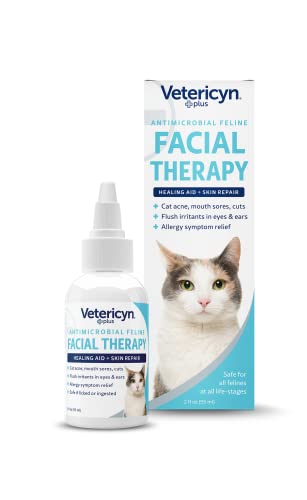
CBROSEY Vetericyn Plus Feline Antimicrobial Facial Therapy
This veterinarian-developed wipe is a top choice for cats with sensitive skin or mild to moderate facial irritation. Formulated with a gentle 2.5% benzoyl peroxide concentration and soothing aloe vera, it targets acne-causing bacteria and inflammation without causing excessive dryness. The 2 oz travel-friendly tube contains pre-moistened wipes that are easy to apply to small, hard-to-reach areas like the chin, ear folds, and mouth creases.
Pros:
- Vet-formulated with a safe, effective benzoyl peroxide concentration for feline skin
- Added aloe vera prevents dryness and soothes irritated, inflamed skin
- Non-toxic if accidentally ingested, giving pet owners peace of mind
- Compact, leak-proof design ideal for home use and travel
- Safe for use on cats of all ages over 8 weeks
Cons:
- The small 2 oz size may run out quickly for households with multiple cats or cats with severe, widespread skin issues
- May require consistent use for 2-3 weeks to see visible improvement in severe acne cases
- Not a replacement for veterinary care for deep, infected, or bleeding lesions
In practice, many cat owners use this wipe as a follow-up treatment after a vet visit for mild chin acne, to reduce recurrence and keep the affected area clean between appointments. The gentle formula is also well-tolerated by cats with extremely sensitive skin who react to harsher acne treatments.

Vet-formulated pre-moistened therapy wipe for mild feline facial skin issues
Kitty Klear Cat Chin Acne Wipes
Specifically engineered to target feline chin acne, Kitty Klear wipes are a favorite among groomers and veterinarians for their targeted formula and convenience. Each wipe is pre-moistened with a 2.5% benzoyl peroxide solution paired with chamomile extract to reduce redness and inflammation, and the large, soft wipe surface covers the entire chin and muzzle of most cats in a single pass. The 50-count resealable package stays moist between uses, making it a cost-effective option for long-term maintenance.
Pros:
- Formulated specifically for feline chin acne, with a targeted 2.5% benzoyl peroxide concentration
- Added chamomile extract soothes irritated skin and prevents the peeling associated with benzoyl peroxide use
- Large, soft wipe surface covers the entire chin and muzzle in one application
- Fragrance- and dye-free, ideal for cats with allergies or sensitive skin
- Resealable packaging keeps wipes moist for extended use
Cons:
- May take 2-3 weeks of consistent use to see visible reduction in blackheads and pustules
- The wipe size may be too large for very small kittens or cats with extremely short muzzles
- Not suitable for cats with open, weeping acne lesions; discontinue use and consult a vet if this occurs
Groomers often recommend using these wipes 2-3 times per week as a preventive for cats with a history of recurrent chin acne, especially if they use plastic food or water bowls.

Pre-moistened benzoyl peroxide wipes specifically formulated for cat chin acne
Complementary At-Home Care to Support Skin Health
Benzoyl peroxide wipes work best when paired with other care steps to reduce recurrence of skin issues:
- Switch to stainless steel or glass food and water bowls: Plastic bowls have microscopic scratches that harbor bacteria, a leading trigger for chin acne. Wash bowls daily with mild, unscented dish soap to remove bacteria buildup.
- Keep your cat’s chin dry: After meals or water play, gently pat your cat’s chin dry with a clean cloth to remove moisture that can clog pores. For long-haired breeds, trim fur around the chin carefully to keep the area dry and free of debris—follow safe at-home grooming practices to avoid nicking your cat’s skin.
- Choose a low-dust litter: Litter dust can settle on your cat’s chin and clog pores, contributing to acne. Opt for a low-dust formula and a well-designed litter box that contains litter scatter to reduce dust exposure.
- Support skin health from within: A diet rich in omega-3 fatty acids reduces overall inflammation and supports healthy skin and coat. Our nutrient-dense wet food picks are formulated to meet feline nutritional needs and include skin-supporting ingredients.
- Reduce overall skin irritation: Regular use of gentle dander control wipes can remove allergens and debris from your cat’s coat, reducing the risk of widespread skin irritation.
When to See a Veterinarian Instead of At-Home Wipe Use
Benzoyl peroxide wipes are only effective for mild to moderate, superficial skin issues. See a vet if:
- Your cat’s acne or skin irritation does not improve after 4 weeks of consistent, correct wipe use
- Pustules are bleeding, oozing pus, or extremely swollen, which may indicate a deep bacterial infection requiring prescription antibiotics
- Your cat is scratching or rubbing their face so aggressively that they cause hair loss, open wounds, or secondary infections
- Skin issues are accompanied by other symptoms: lethargy, loss of appetite, vomiting, or fever, which may indicate an underlying systemic health issue
Severe chin acne may require prescription topical or oral medications, and in some cases, underlying conditions like allergies or hormonal imbalances may be the root cause of recurrent skin issues, which only a vet can diagnose and treat.
Frequently Asked Questions
What Are Benzoyl Peroxide Wipes For Cats Used For?
Benzoyl peroxide wipes for cats are primarily used to treat and prevent feline chin acne, the most common feline skin condition. They also address bacterial folliculitis, mild superficial skin irritation, and minor cuts and abrasions by killing acne-causing bacteria and exfoliating clogged hair follicles. They are not suitable for deep wounds, eye infections, or severe skin conditions without veterinary approval.
Are Benzoyl Peroxide Wipes Safe For All Cat Ages?
Yes, vet-formulated feline benzoyl peroxide wipes are safe for kittens over 8 weeks old, adult cats, and senior cats when used as directed. The low 2.5% concentration is non-toxic if accidentally ingested in small amounts, but you should still discourage licking immediately after application to avoid temporary fur staining and ensure the active ingredient has time to work. Always check your product’s label for age-specific guidelines, as some specialized formulas may have different recommendations.
How Do Kitty Klear Cat Chin Acne Wipes Work?
Kitty Klear wipes use a 2.5% benzoyl peroxide concentration that penetrates clogged hair follicles on the chin to kill Porphyromonas bacteria, the primary cause of feline chin acne. The formula also breaks down dead skin cells and excess sebum that cause blackheads and pustules, while added chamomile extract soothes inflamed, irritated skin to reduce redness and discomfort.
Can Benzoyl Peroxide Wipes Irritate My Cat’s Skin?
Severe irritation is rare when wipes are used correctly. The most common mild side effect is temporary dryness or flaking of the treated area, which can be mitigated by reducing application frequency or choosing a wipe with added soothing ingredients like aloe vera. Never use human benzoyl peroxide products on cats, as their 5-10% concentrations can cause chemical burns and severe irritation. Discontinue use immediately and consult your vet if you notice hives, swelling, or excessive scratching after application.
How Often Should I Use Benzoyl Peroxide Wipes On My Cat?
For active chin acne, apply wipes once every other day for the first 7-10 days, until pustules subside and redness decreases. For maintenance and prevention of recurrent breakouts, use 2-3 times per week. Overuse (more than once a day for extended periods) can strip the skin of natural oils, leading to dryness and increased irritation. Always follow the specific instructions on your product’s label, as concentrations vary between brands.
Conclusion
Benzoyl peroxide wipes are a safe, effective, and affordable at-home solution for managing mild to moderate feline skin issues, especially the very common feline chin acne. When used correctly alongside complementary care steps like switching to stainless steel bowls and maintaining a clean environment, they can significantly reduce breakouts and improve your cat’s comfort. It is important to remember that these wipes are not a replacement for veterinary care: severe, persistent, or infected skin issues require professional diagnosis and prescription treatment to avoid long-term complications. If you’re looking for more evidence-based tips to keep your cat healthy and happy, browse our full library of vet-reviewed cat care guides for everything from nutrition to grooming to behavior.