

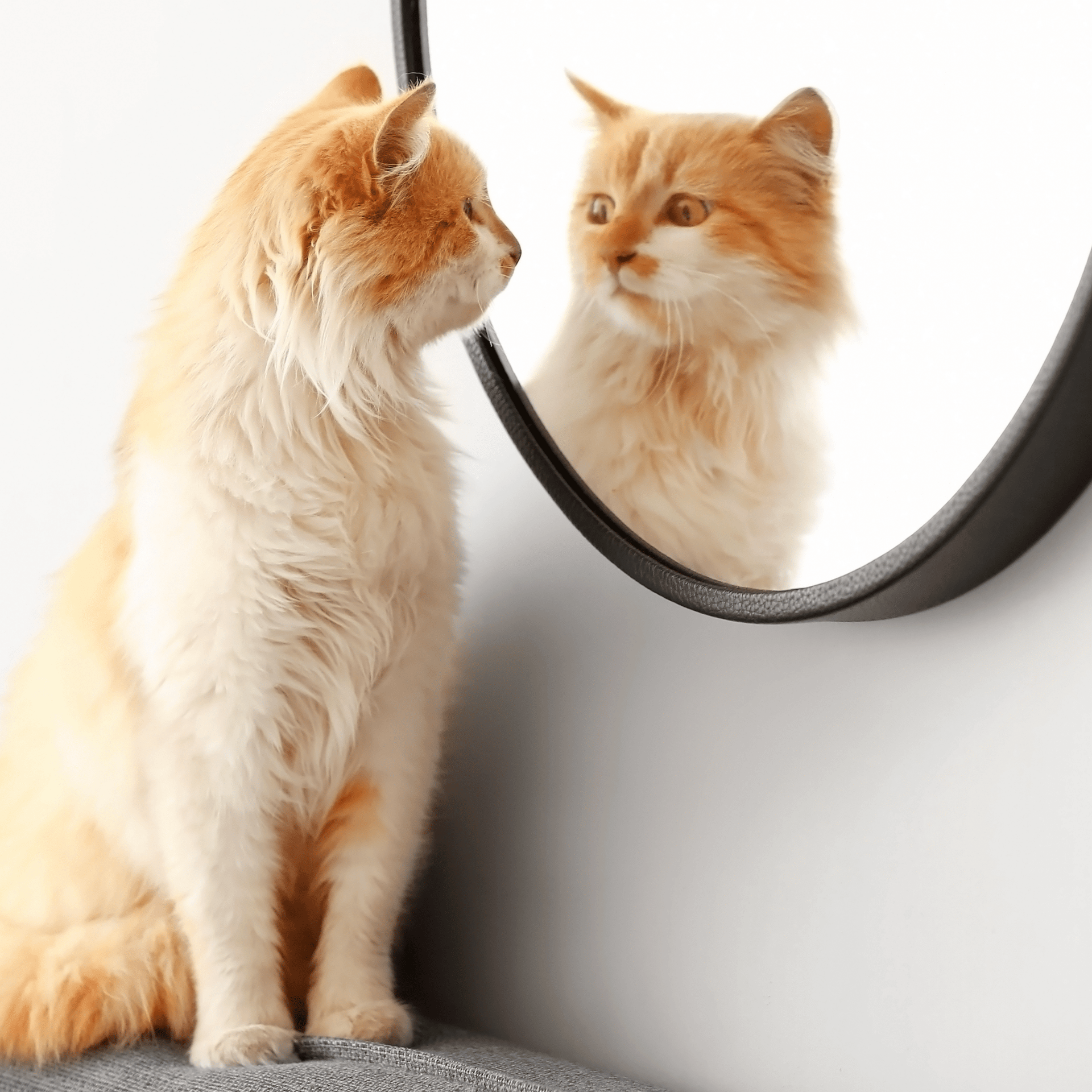
Have you ever noticed how your cat seems to mimic your mood or actions? Maybe when you’re feeling lazy, your feline friend lounges around, too.
Or perhaps when you’re bustling about the house, your cat is right there, weaving between your legs. It might make you wonder, "Do cats mirror their owners' behavior? " This intriguing topic taps into a fascinating connection between humans and their furry companions.
As you read on, you’ll discover eye-opening insights that might just change the way you perceive your pet. Prepare to unravel the mystery of this unique bond and see just how deep the connection between you and your cat truly goes.
Psychological Bond Between Cats And Owners
Cats and humans share a unique psychological bond. This bond often influences feline behavior. Cats are sensitive to their owners' moods and routines. Their reactions often reflect those of their human companions. This connection is fascinating and complex. It highlights how deeply cats can connect with their owners.
Emotional Connections
Cats sense their owners' emotions. They often react to happiness, sadness, or stress. A stressed owner may notice their cat acting more anxious. Similarly, a calm owner may find their cat more relaxed. This emotional mirroring strengthens the bond between them. The mutual understanding grows over time.
Influence Of Daily Interactions
Daily interactions shape the behavior of cats. Simple routines like feeding and playtime impact their habits. Consistent positive interactions can lead to a well-adjusted cat. Cats may mimic their owner’s daily activities. They often follow owners around or mimic their schedule. This reflects the strong bond formed through shared routines.
Behavioral Patterns In Cats
Cats often reflect the moods and habits of their owners. Their behavior may change in response to the environment. Observing your cat could reveal interesting parallels with your own daily patterns.
Understanding the behavioral patterns in cats can be as intriguing as deciphering a cryptic novel. These furry companions often display behaviors that are both unique and fascinating. Observing your cat's actions can provide insights into their world and how they might reflect your own habits and mood.
Adaptation To Environment
Cats are masters of adaptation. They adjust their behaviors based on the environment they are in. If you live in a lively household, your cat might become more active and playful. In contrast, a calm and quiet home might see a more relaxed feline. Have you noticed how your cat seems to enjoy the same cozy spots you do? This isn't just coincidence. Cats are keen observers, and they often choose spaces that offer comfort, safety, and a bit of your scent.
Observational Learning
Cats are curious creatures, often learning by watching those around them. Your habits and routines are not lost on your feline friend. Ever caught your cat sitting on your yoga mat just as you begin your session? Or perhaps mimicking your bedtime routine by curling up when you turn off the lights? These are examples of observational learning. Cats pick up on cues and replicate behaviors that they find beneficial or comforting. Engage with your cat during these moments. It can strengthen your bond and even encourage positive behavior. What other behaviors have you noticed your cat mirroring from you?
Impact Of Owner's Personality On Cats
Cats often reflect their owner's mood and behavior. A calm owner may have a relaxed cat, while an anxious owner might see a more stressed pet. This mirroring strengthens the bond between cat and owner.
The unique bond between a cat and its owner is a fascinating subject. Some suggest that cats can absorb and mirror the personality traits of their human companions. This idea invites us to consider how our own behaviors and moods could potentially influence our feline friends.
Personality Traits Transfer
Have you ever noticed your cat picking up on your habits or temperament? Cats are incredibly observant creatures. If you're naturally calm and laid-back, your cat might display a similar demeanor. Conversely, an owner who is energetic and playful could inspire a more active and adventurous feline. It's a thought-provoking idea: could our personality traits be contagious to our pets?
Stress And Relaxation Signals
Cats are sensitive to their environment and the emotional cues of their owners. If you're often stressed, your cat may pick up on this tension. You might find your cat becoming more anxious or even hiding more frequently. On the other hand, a peaceful and relaxed household can encourage your cat to feel safe and at ease. Consider how you react to stress and relaxation in your life. Are you sending signals that your cat could be mirroring? Reflect on your daily interactions and the energy you bring into your home. It might just be shaping your cat's behavior more than you realize.
Credit: myfurbabies.co.uk
Scientific Studies On Cat Behavior
Scientific studies suggest cats may mirror their owners' behavior. Cats often adopt similar habits and routines, reflecting their owners' moods and actions. This fascinating phenomenon highlights the unique bond between cats and humans.
Scientific studies on cat behavior have opened new doors to understanding these fascinating creatures. Researchers delve into how cats might mirror their owners' behaviors, shedding light on this intriguing subject. This area of study has become a compelling topic in the scientific community.
Research Findings
Studies have shown that cats can pick up on human emotions. They observe and react to their owners' moods. For instance, a stressed owner might have a more anxious cat. Cats often mimic daily routines. If you wake up early, your cat might adjust its routine too. Researchers have found that cats can even mirror specific behaviors. Cats might follow their owners to different rooms, mimicking their movement.
Limitations And Critiques
While these findings are intriguing, some limitations exist. Most studies rely on small sample sizes. This restricts the generalizability of results. Cats, being independent, may not always conform to these patterns. Critics argue that more comprehensive studies are needed. There's also debate on how much behavior is truly mirrored. Some believe it's just a coincidence, not a direct reflection. Further research could help clarify these issues.
Practical Implications For Cat Owners
Understanding that cats mirror their owner's behavior can guide a harmonious living environment. Positive habits can foster a calm, friendly atmosphere for both cats and owners.
Understanding how cats mirror their owners' behavior can have significant practical implications. By recognizing this tendency, you can create a more harmonious environment for both you and your feline friend. It opens doors to enhancing the bond you share, ultimately leading to a more fulfilling companionship.
Creating A Positive Environment
Cats are sensitive creatures who thrive in environments that reflect positivity and calm. If you often feel stressed or anxious, your cat may pick up on these vibes, potentially leading to behavioral issues. Consider incorporating calming routines into your daily life. Simple activities like listening to soothing music or practicing mindfulness can benefit both you and your cat. Consistency is key. Cats feel secure when their environment is stable. Sticking to regular feeding times and maintaining a clean, organized space can make a big difference.
Enhancing Human-feline Bond
Building a strong bond with your cat requires understanding and patience. Spend quality time engaging in activities that both of you enjoy, such as playing with toys or just lounging together. Have you noticed your cat mimicking your relaxed posture when you’re unwinding on the couch? This mirroring behavior is a sign of comfort and trust. Use it as an opportunity to strengthen your connection. Communicate with your cat through gentle gestures and a calm voice. Your demeanor plays a crucial role in how your cat responds to you. Remember, a happy owner often leads to a happy cat.

Credit: www.instagram.com
Credit: www.tiktok.com
Frequently Asked Questions
Do Cats' Personalities Mirror Their Owners?
Cats can reflect their owners' personalities. Studies suggest cats may develop similar temperaments through shared environments and interactions. Owners' moods and behaviors can influence feline behavior, leading to parallels. Each cat is unique, so the extent of personality mirroring varies.
What Does It Mean If Your Cat Mirrors You?
Your cat mirroring you shows trust and affection. Cats often mimic behaviors to bond with their owners. This behavior indicates they feel comfortable and safe. It's a positive sign of your strong relationship with your pet. Cats also learn from observing, so they may copy actions they see frequently.
What Is The 1 Behavioral Complaint From Cat Owners?
The top behavioral complaint from cat owners is litter box issues. Cats often refuse to use the litter box. This can be due to stress, medical problems, or dislike of the litter type. Addressing these factors can help resolve the issue.
How To Tell If A Cat Is Bonded With You?
A cat bonded with you often follows you around and seeks your attention. It may knead on you or purr when close. Headbutting and slow blinking are signs of trust. Sleeping near you shows comfort and affection. Playful behavior indicates a positive bond.
Conclusion
Cats often reflect their owners' behavior. They pick up on moods. Notice stress or calm. This connection strengthens the bond between you both. Observing your own habits can give insights. Are you relaxed or tense? Your cat senses it. Adjusting your behavior may influence theirs.
A calm owner often means a calm cat. So, pay attention to your actions. Your cat might just be mirroring them. This fascinating relationship shows the depth of human-animal connection. Understanding this can improve your companionship. Keep exploring your cat's behaviors.
It's a journey of learning together.