
Training your cat with treats is one of the most effective ways to reinforce positive behaviors, but traditional high-calorie snacks can quickly lead to weight gain, especially for indoor cats with limited activity. Low-calorie cat treats solve this common challenge by providing high-value rewards without excess calories, supporting both training success and long-term feline health. The right options keep your cat motivated during sessions without derailing their daily nutritional intake, reducing the risk of obesity-linked conditions like diabetes, arthritis, and reduced lifespan. In this guide, we break down what makes a treat ideal for training, top cat-specific picks for every dietary need, and best practices for using treats effectively.
Why Low-Calorie Treats Are Essential for Cat Training
Positive reinforcement is the gold standard for feline training, as cats respond far better to rewards than punishment. Food is the highest-value reward for most cats, making treats a non-negotiable tool for teaching commands, litter box use, and positive social behaviors. A 10-pound sedentary cat only needs 200–250 calories per day to maintain a healthy weight, so a single high-calorie treat can make up 10–20% of their total daily intake. Over weeks of regular training, these extra calories add up to significant weight gain. Low-calorie treats let you reward your cat 10+ times per session without exceeding 10% of their daily calorie limit, making training sustainable long-term. They are also ideal for cats on vet-recommended weight management plans, senior cats with lower activity levels, and cats with metabolic conditions like diabetes that require strict calorie control. For evidence-based guidance on feline calorie needs and healthy weight ranges, refer to resources from International Cat Care, a leading global feline welfare organization. For more on this, see our guide on best cat treats for training 2.
Criteria for Choosing the Best Low-Calorie Cat Treats for Training
Not all low-calorie treats are created equal for training. Use these criteria to pick options that align with your cat’s needs and training goals:
- Calorie count per treat: Aim for treats with <2 calories per piece for most training sessions, so you can reward frequently without exceeding your cat’s daily calorie limit.
- Ingredient quality: Look for real animal protein (chicken, salmon, turkey) as the first ingredient, with no artificial preservatives, colors, or flavors. Avoid treats with common allergens like wheat, corn, and soy if your cat has food sensitivities.
- Palatability: Choose flavors your cat already enjoys from their regular food to ensure they stay motivated during training.
- Texture: Match the texture to your cat’s preferences: crunchy treats support dental health for cats who enjoy chewing, while soft or lickable options work for picky cats, senior cats, or cats with dental pain.
- Dietary suitability: For cats with allergies or health conditions, opt for grain-free, single-protein, or vet-formulated prescription treats that meet their specific needs. Always check treat labels for compliance with FDA pet food safety guidelines to ensure products are formulated for safe feline consumption.
How to Use Low-Calorie Treats Effectively in Training Sessions
Even the best treats will not deliver results if used incorrectly. Follow these best practices to maximize training success:
- Calculate your cat’s total daily calorie needs first, and limit treats to no more than 10% of that total. For a 10-pound sedentary cat, this means ≤20 calories from treats per day.
- Use small, bite-sized pieces to reward precise behaviors immediately after they occur, so your cat associates the reward with the desired action.
- Vary rewards between low-calorie treats and non-food rewards (petting, playtime) to avoid treat dependency over time.
- Never use treats as a replacement for complete meals: stick to scheduled feeding times to ensure your cat gets balanced nutrition from their primary diet.
- For cats on weight loss plans, consult your vet to adjust treat portions to align with their restricted calorie goals. Pair treat training with a portion-controlled feeding schedule to track your cat’s total daily intake accurately and avoid accidental overfeeding.
Top Low-Calorie Cat Treats for Training
We evaluated the most popular low-calorie options based on ingredient quality, calorie count, palatability, and value for training use. All picks are suitable for feline consumption, with notes for multi-species options.
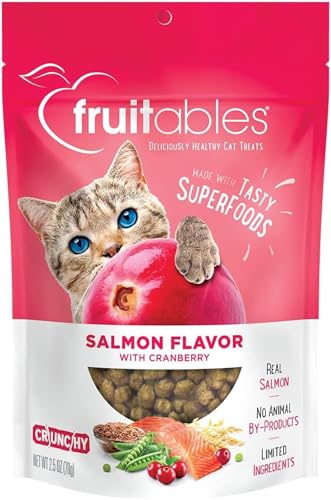
Fruitables Cat Treats (Salmon & Cranberry)

Crunchy biscuit texture helps reduce plaque buildup while rewarding desired behaviors
These crunchy biscuits are a top pick for cats with common food sensitivities, as they are free of wheat, corn, and soy, and made with real salmon as the first ingredient. Each treat is ~1 calorie, making them perfect for frequent, low-stakes training repetitions. The salmon provides high-quality protein to support muscle maintenance, while cranberry adds antioxidants to support urinary tract health. The crunchy texture also helps scrape plaque off teeth, supporting oral health between dental cleanings. For more on this, see our guide on best cat toilet training kit 2.
Pros: <2 calories per treat, real salmon first ingredient, free of common allergens, supports dental health, resealable packaging to preserve freshness.
Cons: 2.5oz bag is small for multi-cat households, not suitable for cats with salmon allergies.
Shop these salmon & cranberry treats here
Fruitables Cat Treats (Salmon, Tuna & Chicken Variety Pack)

Three protein variety keeps picky cats motivated during longer training sessions
This variety pack includes three popular protein flavors, making it ideal for picky cats who get bored of single-flavor treats, or multi-cat households with different taste preferences. Each treat remains under 2 calories, so you can use them freely during training without worrying about overfeeding. The formula is free of common fillers, with real protein as the first ingredient in each flavor, and the crunchy texture supports dental health. Individual resealable bags keep treats fresh for weeks.
Pros: 3 protein flavors for variety, <2 calories per treat, free of common allergens, supports dental health, convenient individual packaging.
Cons: Some cats may be sensitive to one of the three proteins, small bag size may require frequent repurchasing for heavy training use.
Grab the variety pack here
Wellness Kittles Crunchy Grain-Free Cat Treats (Chicken & Cranberry)

Grain-free formula is ideal for cats with sensitive stomachs or food allergies
Made by Wellness Pet, a brand known for transparent ingredient sourcing, these grain-free treats use real deboned chicken as the first ingredient, paired with cranberry for urinary tract support. Each treat is ~1.5 calories, making them suitable for frequent training rewards. The formula is free of artificial preservatives, colors, and flavors, making it a safe option for cats with ingredient sensitivities. The small 2oz resealable bag is perfect for carrying in a treat pouch during on-the-go training sessions.
Pros: <2 calories per treat, real chicken first ingredient, grain-free, no artificial additives, supports urinary and dental health.
Cons: 2oz bag is small for frequent use, slightly higher price point than conventional treats due to premium ingredients.
Shop Wellness Kittles here
Purrly Lickable Cat Treat Snacks (Tuna Variety Pack)

Lickable texture is ideal for picky cats, senior cats, or cats with dental issues
These human-grade, grain-free lickable treats are a game-changer for cats who refuse crunchy rewards, or older cats with dental pain or missing teeth that make chewing difficult. Each pouch is ~3 calories, so you can use a full pouch as a high-value reward for complex behaviors, or squeeze a small amount out for quick repetitions. The tuna-based formula is highly palatable for even the pickiest eaters, and added functional nutrients support coat health and digestion. The variety pack includes three tuna flavors to prevent treat fatigue during long training programs.
Pros: ~3 calories per pouch, human-grade ingredients, grain-free, ideal for picky or dental-sensitive cats, no artificial additives.
Cons: Higher calorie per serving than crunchy treats, so portion control is key for weight management, not suitable as a meal replacement.
Try Purrly lickable treats here
Hill's Prescription Diet Metabolic Weight Management Cat Treats

Vet-formulated to support healthy weight loss while keeping cats motivated during training
Developed by Hill's Pet Nutrition in partnership with veterinarians, these treats are specifically formulated for cats on weight management plans, or those prone to obesity. Each treat is ~1 calorie, and the unique metabolic formula helps support lean muscle mass while promoting healthy fat metabolism, so your cat stays satisfied without excess calories. They are highly palatable for most cats, making them ideal for training sessions while on a restricted diet. Important note: These treats are intended for cats under veterinary supervision, so consult your vet before introducing them to your cat’s routine, especially if they have underlying health conditions.
Pros: <2 calories per treat, vet-formulated, supports metabolic health and weight management, highly palatable for cats on restricted diets.
Cons: Only available via vet recommendation or pet pharmacies for some formulations, 2.5oz bag is small for frequent use.
Learn more about Hill's Metabolic treats here
Vital Essentials Freeze-Dried Salmon Bites Cat Treats

Freeze-dried process locks in nutrients and natural flavor for highly palatable training rewards
These single-protein, grain-free treats are made with 100% freeze-dried wild-caught salmon, making them an excellent option for cats with severe food sensitivities or allergies to common proteins like chicken or beef. Each bite is ~2 calories, and the freeze-drying process preserves the natural flavor and omega-3 fatty acids found in raw salmon, which support skin, coat, and immune health. The small, bite-sized pieces are easy to break into even smaller fragments for very short training repetitions, and the lack of fillers or artificial additives makes them a clean, healthy reward. For the most reliable results, stick to cat-specific training rewards formulated to meet feline dietary needs, rather than generic multi-species options.
Pros: <2 calories per bite, single protein source, grain and gluten-free, rich in omega-3s, highly palatable for sensitive cats.
Cons: Freeze-dried texture is crumbly, so may create mess during training, 1.1oz bag is very small for frequent use, higher price point per serving.
Shop Vital Essentials Salmon Bites here
Blue Buffalo Bursts Crunchy & Creamy Cat Treats (Liver & Beef)

Dual texture appeals to cats who enjoy both crunchy and soft rewards during training
Blue Buffalo's Bursts treats combine a crunchy outer shell with a creamy, savory center, making them a high-value reward for cats who prefer varied textures. Made with real liver and beef as the first ingredients, each treat is ~2 calories, and the formula is free of artificial preservatives, colors, and flavors. The bite-sized shape is easy to toss during training sessions, and the resealable 5oz bag keeps treats fresh for weeks of use. Added antioxidants support immune health, making these treats a functional as well as tasty reward.
Pros: ~2 calories per treat, real animal protein first ingredient, dual texture for high palatability, free of artificial additives, resealable packaging.
Cons: 5oz bag may not last long for multi-cat households, some cats may be allergic to beef or liver.
Shop Blue Buffalo Bursts here
Note: The following two products are marketed for both dogs and cats, but we recommend prioritizing cat-specific formulas to avoid ingredients that may not align with feline dietary needs. Always check labels for cat-safe ingredients before offering multi-species treats to your cat.
Fruitables Skinny Mini Dog & Cat Treats (Bacon & Apple)

Low-calorie formula works for training, but prioritize cat-specific options for regular use
While these treats are marketed for both dogs and cats, their sweet potato and bacon flavor is palatable for many felines, and each treat is ~1 calorie, making them a budget-friendly low-calorie option for occasional training. They are free of wheat, corn, and soy, and made in the USA with human-grade ingredients. However, they are formulated to meet AAFCO dog nutrition standards first, so they may not provide the optimal nutrient profile for cats long-term. Use them as an occasional treat, not a regular training staple.
Pros: ~1 calorie per treat, free of common allergens, affordable, made in the USA.
Cons: Formulated for dogs first, not optimized for feline nutritional needs, bacon flavor may be too rich for cats with sensitive stomachs.
Grab the multi-species treat pack here
A Better Treat Freeze-Dried Organic Pumpkin Dog & Cat Treats

Single-ingredient formula is ideal for cats with severe food sensitivities or diabetes
These 100% organic, single-ingredient pumpkin treats are suitable for both dogs and cats, making them a great option for multi-pet households, or cats with multiple food allergies. The freeze-drying process preserves the natural fiber, vitamins, and antioxidants in pumpkin, which supports healthy digestion and can help manage hairballs in cats. Each treat is ~0.5 calories, making them one of the lowest-calorie options on this list, ideal for cats on strict weight management or diabetic diets. However, as a single-ingredient treat, they are not a complete source of nutrition, so they should only be used as occasional rewards, not a staple.
Pros: <1 calorie per treat, single ingredient, organic, supports digestive health, suitable for diabetic cats.
Cons: Limited flavor variety, not a complete nutritional source, freeze-dried texture may be unappealing to some cats.
Try organic pumpkin treats here
Note: The following product is formulated specifically for dogs, and is not recommended for cat training due to ingredient formulations that may not meet feline nutritional needs. It is included here as part of the original content review for reference.
Cloud Star Tricky Trainers Soft & Chewy Dog Training Treats

Formulated for dogs only; not recommended for feline training
These dog-specific training treats are not suitable for cats, as their ingredient profile is optimized for canine nutritional needs, not feline requirements. They are included here for reference for multi-pet households, but we recommend sticking to cat-specific treats for feline training to ensure your cat gets the right balance of nutrients. Each treat is ~3 calories, and the soft, chewy texture is easy for dogs to consume quickly during training sessions, but may be too rich for feline digestive systems.
Not recommended for cats; view for multi-pet household reference here
Safety Considerations for Low-Calorie Training Treats
To keep your cat safe during training, follow these key guidelines:
- Introduce new treats slowly: Start with 1–2 treats per day for 3–5 days to monitor for signs of allergies (itching, vomiting, diarrhea) or digestive upset.
- Avoid toxic ingredients: Never feed treats containing xylitol, onion, garlic, chocolate, or excessive salt, which are toxic to cats.
- Consult your vet before introducing new treats if your cat has underlying health conditions like diabetes, kidney disease, or obesity. For cats with kidney disease, opt for low-phosphorus treats to reduce strain on their kidneys.
- Store treats in a cool, dry place, and reseal bags after each use to prevent staleness and bacterial contamination.
- Never exceed 10% of your cat’s daily calorie intake from treats, even low-calorie options, to avoid nutrient gaps from their primary meals. Always pair treats with a balanced daily nutritional intake from their main diet to support overall health.
Frequently Asked Questions
What are the benefits of low-calorie cat treats for training?
Low-calorie treats let you reward your cat frequently during training without contributing to weight gain, a critical concern for the majority of pet cats at risk for obesity. They keep cats motivated during longer training sessions, support positive reinforcement learning, and are ideal for cats on weight management plans, senior cats with lower activity levels, and cats with metabolic conditions like diabetes. Unlike high-calorie treats, they won’t derail your cat’s daily nutritional goals, making training sustainable long-term.
Are Fruitables Cat Treats safe for cats with allergies?
Yes, Fruitables Cat Treats are free of wheat, corn, and soy, three of the most common food allergens for cats. They use real salmon, tuna, or chicken as the first ingredient, with no artificial additives or fillers. However, if your cat has a specific protein allergy (e.g., to salmon), avoid the corresponding flavor, and always introduce new treats slowly to monitor for reactions.
How do freeze-dried treats like Vital Essentials support training?
Freeze-dried treats are made by removing moisture from raw ingredients at low temperatures, which locks in natural flavor and nutrients without cooking them out. This makes them highly palatable for even picky cats, as they retain the taste of fresh meat. Vital Essentials' single-protein formula also reduces the risk of allergic reactions, making them ideal for cats with food sensitivities. Their small, lightweight texture is easy to break into tiny pieces for rapid-fire training repetitions.
Can wet lickable treats like Purrly improve training engagement?
Yes, lickable treats are a great option for cats who refuse crunchy rewards, senior cats with dental pain or missing teeth, or cats who prefer softer textures. Purrly's squeezable pouches let you dispense small, controlled amounts, so you can reward brief behaviors without overfeeding. The creamy texture is highly palatable for most cats, and the human-grade ingredients ensure no harmful additives. They are also a good option for training cats to take medication, as you can hide small pills in the purée.
What makes Hill’s Prescription Diet treats suitable for weight management?
Hill's Prescription Diet Metabolic treats are formulated with a unique blend of fiber and protein that helps cats feel full longer, reducing begging behavior between meals. The vet-designed formula also supports healthy fat metabolism and preserves lean muscle mass during weight loss, so your cat doesn’t lose muscle while shedding excess weight. They are low in calories and highly palatable, so cats on restricted diets stay motivated during training without exceeding their daily calorie limit. Always consult your vet before using prescription treats to ensure they align with your cat's individual health needs.
Are crunchy treats like Wellness Kittles good for dental health?
Yes, the crunchy, abrasive texture of Wellness Kittles helps scrape plaque and tartar off your cat’s teeth as they chew, reducing the risk of dental disease, which affects most cats over the age of 3. The cranberry ingredient also supports urinary tract health, a common concern for indoor cats. However, crunchy treats are not a replacement for regular dental cleanings or at-home tooth brushing, so they should be used as a supplement to a full dental care routine.
Conclusion
Low-calorie cat treats are a non-negotiable tool for effective, healthy cat training, as they let you reward frequently without compromising your cat’s weight or long-term health. When choosing treats, prioritize options with <2 calories per piece, real animal protein as the first ingredient, and no unnecessary fillers or allergens to match your cat’s dietary needs. The picks on this list cater to every preference, from crunchy dental-supporting options to lickable treats for picky or senior cats. Always pair treats with consistent training routines and a balanced diet to get the best results. Ready to start training? Pick a treat that matches your cat’s preferences, and explore our guides to cat nutrition and behavior to support your pet’s overall well-being.