
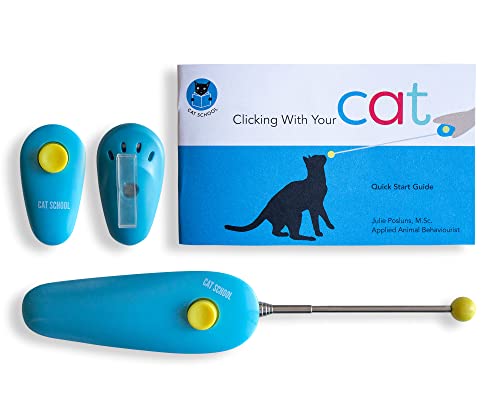
If you’re searching “cat behavior training near me,” you’re likely navigating frustrating issues like furniture scratching, counter surfing, door darting, or litter box accidents that are straining your bond with your feline companion. The good news is that 2026’s cat training landscape has evolved far beyond outdated punishment-based methods, with science-backed, humane tools and certified local professionals that make building feline harmony easier than ever. This guide breaks down what to expect from local cat training, the top tools to reinforce what you learn in sessions, and expert-vetted resources to address even the most persistent behavioral issues, all tailored to help you find the support you need right in your community.
Why Local Cat Behavior Training Is Worth the Investment
Local in-person training offers benefits generic online courses can’t match: certified behaviorists can read your cat’s subtle body language, identify triggers in your home environment, and correct your handling technique in real time to avoid accidentally reinforcing unwanted behaviors. Look for trainers certified by the International Association of Animal Behavior Consultants (IAABC) or Fear Free certified, as these credentials ensure they use evidence-based, low-stress methods that prioritize your cat’s wellbeing. Most certified trainers rely on evidence-based training approaches that avoid outdated dominance-based tactics, which have been proven to increase cat anxiety and damage your bond. Many local trainers also offer curated toolkits for purchase, so you don’t have to hunt for products that align with their training plan. When vetting local options, ask about their experience with your cat’s specific issue (e.g., litter box avoidance vs. inter-cat aggression) to ensure they’re a good fit.
Top At-Home Tools to Reinforce Local Training Sessions
Consistency between in-person sessions is key to long-term behavior change, and these tools are recommended by most certified cat behaviorists to use at home.
Clicker Training Kits: The Foundation of Positive Reinforcement
Clicker training works by using a distinct click sound to mark the exact moment your cat performs a desired behavior, creating a clear connection between the action and a reward that speeds up learning dramatically. Unlike punishment-based tools, clicker training builds trust and makes training sessions something your cat looks forward to, even for shy or skittish felines.
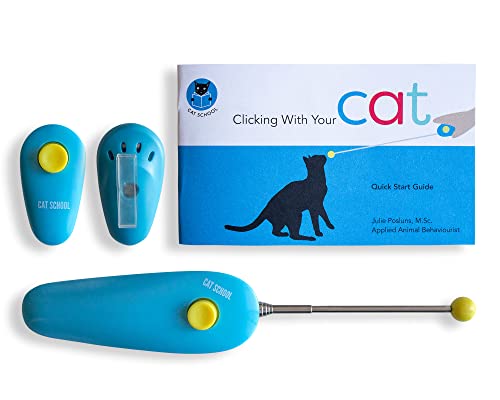
This beginner-friendly kit includes everything you need to start positive reinforcement training at home.
The CAT SCHOOL Clicker Training Kit is a top pick for first-time trainers, with a design tailored specifically to feline learning styles:
Pros:
- Step-by-step instruction booklet covers common household issues (furniture scratching, door darting) as well as fun tricks like fist bumps, so you don’t have to guess how to apply the training to your cat’s specific needs
- 6.5-inch target stick helps guide your cat to desired locations (like a scratching post or their bed) without physical handling, which reduces stress for cats that dislike being picked up
- Ultra-lightweight 0.29-pound design fits easily in a pocket for on-the-go training sessions
- Adjustable clicker volume works for most cats, though noise-sensitive cats may prefer a softer alternative marker (a common mistake new owners make is using a clicker that’s too loud for their cat’s tolerance)
Cons:
- Requires patience to condition your cat to associate the click with rewards before you can start training specific behaviors
- Only includes core clicker tools; you’ll need to source your own high-value training rewards to pair with sessions for best results
- Instruction booklet doesn’t cover advanced behavior modification for severe issues like inter-cat aggression
Grab this beginner-friendly kit to start building positive reinforcement habits with your cat today.
Humane Correction Tools for Persistent Unwanted Behaviors
A critical note from certified behaviorists: aversive tools like vibration or static correction collars should only be used under the direct guidance of a professional, as improper use can increase anxiety and erode your bond with your cat. Positive reinforcement is always the first-line solution for behavior change, with aversive tools reserved only for last-resort cases under supervision.

This cat-specific collar is designed for humane, adjustable correction under professional supervision.
The eXuby Small & Gentle Cat Training Collar is a top pick for cats that need extra support with persistent issues like door darting or counter surfing, as it’s designed specifically for felines (not repurposed dog collars, a common flaw in generic pet training collars):
Pros:
- Lightweight 0.1-inch thick strap won’t irritate your cat’s neck, even during long wear
- Three correction modes (beep, vibration, static) let you start with the lowest-aversive option and only escalate if needed, with 9 intensity levels to find the minimum effective setting for your cat’s temperament
- Water-resistant construction holds up to outdoor adventures or accidental splashes, so you don’t have to remove it during bathroom breaks or rainy days
- 100-foot remote range lets you correct unwanted behaviors from across the room without chasing your cat, which avoids turning correction into a game
Cons:
- Only suitable for cats 5 pounds and larger; smaller kittens or toy breeds may not fit the adjustable strap safely
- Static correction mode can cause distress if used incorrectly, so always follow your behaviorist’s guidance for intensity and duration
- Remote requires 2 AAA batteries (not included), so keep spares on hand for uninterrupted training
Use this adjustable, water-resistant collar only with professional guidance to address persistent door darting or counter surfing safely.
In-the-Moment Behavior Interruption Tools
For behaviors that happen in the moment (like scratching furniture or jumping on tables), a quick, non-harsh interruption can break the behavior without causing fear. Spray bottles are a low-stakes option when used correctly: never spray directly at your cat’s face, only a quick mist near the target behavior to redirect their attention.

The 3-pack lets you separate liquids for different uses to avoid cross-contamination.
The Bealee Spray Bottles 3-Pack is a versatile, affordable option for multi-use home training:
Pros:
- Leak-proof seal prevents messy spills in your bag or on furniture, even if the bottle is tipped over
- Dual mist/stream settings let you use a fine mist for gentle redirection or a focused stream for harder-to-reach areas like high shelves
- 3 brightly colored bottles make it easy to separate liquids: one for plain water, one for a cat-safe citrus deterrent (cats naturally avoid citrus scents), and one for cleaning solutions to avoid cross-contamination
- 16-ounce capacity is large enough for multiple training sessions without frequent refills
Cons:
- Plastic construction can crack if dropped, so store out of reach of curious cats who may bat at the trigger
- Not suitable for cats with extreme water aversion, as even a small mist can cause unnecessary stress
Keep these versatile, leak-proof bottles on hand for gentle, in-the-moment behavior interruption.
Expert-Vetted Guides to Feline Behavior and Training
Many local trainers recommend supplemental reading to help you understand your cat’s motivations and reinforce training principles between sessions. These guides are written by certified behaviorists and cover everything from basic body language to advanced behavior modification.
Think Like a Cat: How to Raise a Well-Adjusted Cat--Not a Sour Puss
This revised 2020 edition is updated with the latest research on feline social cues and environmental needs, making it a go-to resource for new and experienced cat owners alike. It debunks common myths about cat behavior (like the idea that cats are “solitary” and don’t bond with their owners) and offers actionable tips for creating a home environment that meets your cat’s natural instincts, reducing unwanted behaviors before they start. Positive reinforcement is the gold standard for cat training, per AVMA humane training guidelines, and this guide aligns fully with those evidence-based recommendations.

The revised 2020 edition includes updated research on feline body language and environmental enrichment.
Pros:
- 432 pages of comprehensive, easy-to-understand guidance for every stage of your cat’s life
- Lightweight 0.97-pound design for easy reference during training sessions
- Focuses on proactive environmental changes to prevent behavior issues, rather than just correcting problems after they start
Cons:
- Some readers may find the length overwhelming if they’re only looking for quick tips for a single behavior issue
- Limited focus on training specific tricks, so pair it with a dedicated clicker guide for skill-building
Grab this comprehensive guide to decode your cat’s behavior and build a stronger bond.
Total Cat Mojo: The Ultimate Guide to Life with Your Cat
Written by popular cat behaviorist Jackson Galaxy, this 384-page guide focuses on making your cat feel safe and secure in your home to eliminate stress-based unwanted behaviors. While it was first published in 2017, its core principles of positive reinforcement, environmental enrichment, and reading feline body language remain the gold standard for cat training in 2026.

Jackson Galaxy’s iconic guide focuses on meeting your cat’s core needs to reduce unwanted behaviors.
Pros:
- Colorful, engaging layout with real-world examples of behavior modification in action
- Covers both behavior issues and general cat care, making it a one-stop resource for new cat owners
- Focuses on the “cat mojo” (your cat’s innate confidence) as the foundation of good behavior, a unique framework that resonates with many owners
Cons:
- Some product recommendations are outdated, so pair it with newer guides for the latest tool suggestions
- Less focused on step-by-step training plans for specific issues, so it works best as a supplemental resource
Use this iconic guide to create a cat-friendly home that supports positive behavior.
Naughty No More!: Change Unwanted Behaviors Through Positive Reinforcement
This 160-page guide is specifically focused on solving common household problem behaviors: counter surfing, door darting, furniture scratching, and litter box issues. It uses step-by-step positive reinforcement plans that are easy to implement even for first-time cat owners, with no prior training experience needed. While it was published in 2011, its core behavior modification strategies are still aligned with current IAABC best practices.

This concise guide focuses exclusively on solving common household cat behavior problems.
Pros:
- Concise, actionable plans for specific issues, with no dense jargon to wade through
- Includes troubleshooting tips for common training hurdles, like cats that won’t respond to treats
- Focuses exclusively on behavior, so you don’t have to sift through unrelated general cat care content
Cons:
- Doesn’t cover advanced behavior issues like inter-cat aggression or severe anxiety
- Some training tool recommendations are outdated, so pair it with newer resources for current product picks
Get this targeted guide to solve your cat’s most frustrating household behavior problems.
How to Clicker Train Your Cat: A Step-by-Step Guide to Teaching New Skills and Fun Tricks in 15 Minutes a Day
Updated in 2021, this is the most current clicker training guide on our list, with strategies for cats of all temperaments, including noise-sensitive cats that may not respond to traditional clickers. It breaks training into 15-minute daily sessions that won’t overwhelm your cat or your schedule, and includes tips for building a reliable reward schedule to keep your cat motivated long-term.

This 2021 updated guide includes strategies for cats of all temperaments, including noise-sensitive felines.
Pros:
- Up-to-date, accessible for beginners with no prior training experience
- Includes troubleshooting tips for common hurdles, like cats that lose interest in treats mid-session
- Covers both practical skills (coming when called, accepting nail trims) and fun tricks to strengthen your bond
Cons:
- Only covers clicker training, so you’ll need additional resources for other behavior modification methods
- Limited focus on addressing severe behavior issues like aggression
Master clicker training with this step-by-step guide designed for cats of all temperaments.
Starting from Scratch: How to Correct Behavior Problems in Your Adult Cat
This 400-page guide is specifically for owners of adult cats with long-standing behavior issues, like aggression, chronic litter box avoidance, or excessive vocalization. While it was published in 2007, its core strategies for addressing deep-seated behavior problems are still widely used by certified behaviorists today, and it’s a great supplement to in-person training for cats with persistent issues.

This comprehensive guide is tailored to adult cats with long-standing, persistent behavior issues.
Pros:
- In-depth coverage of complex behavior problems that aren’t addressed in beginner guides
- Step-by-step plans for gradual behavior change that avoid overwhelming your cat
- Focuses on addressing the root cause of behavior issues, not just suppressing symptoms
Cons:
- Some product recommendations are outdated, so cross-reference with newer guides for current tool picks
- Length may be overwhelming for owners with only mild, recent behavior issues
Use this in-depth guide to address long-standing behavior issues in your adult cat.
Cat Training Is Easy!: How to Train a Cat, Solve Cat Behavior Problems and Teach Your Cat Tricks
This 120-page beginner’s guide is perfect for first-time cat owners who want a no-fuss introduction to training. It covers basic commands, common behavior problems, and simple tricks, all broken down into easy-to-follow steps with no specialized equipment needed beyond treats and a clicker.

This concise beginner’s guide is perfect for first-time cat owners new to training.
Pros:
- Short, accessible format that doesn’t require hours of reading to get started
- Covers both basic training and common behavior problems in one place
- Focuses on positive reinforcement methods that work for cats of all ages and temperaments
Cons:
- Doesn’t cover advanced training or severe behavior issues
- Published in 2014 so some methods are slightly outdated; cross-reference with newer guides for the latest best practices
Start your cat training journey with this simple, beginner-friendly guide.
Frequently Asked Questions About Cat Behavior Training Near You
What qualifications should I look for in a local cat behaviorist?
Look for credentials from the IAABC, Certified Cat Behavior Consultant (CCBC) designation, or Fear Free certification. These credentials require ongoing education and adherence to evidence-based, humane training methods, so you can trust the guidance you receive.
Do I need to buy all these tools before my first training session?
No—most local trainers will recommend a tailored toolkit based on your cat’s specific needs during your initial consultation. Starting with a basic clicker kit and high-value treats is usually enough for first sessions, so you don’t overspend on tools you may not need. If your cat uses a litter box, you may also want to invest in odor-controlling litter boxes to reduce stress around bathroom habits, a common root of unwanted behavior.
Are aversive tools like static collars safe for cats?
When used correctly under the supervision of a certified behaviorist, aversive tools can be safe for some cats, but they are never a first-line solution. Positive reinforcement tools are proven to be more effective long-term and carry no risk of increasing anxiety or damaging your bond with your cat.
How long does it take to see results from cat training?
Most owners see noticeable improvement in mild behaviors (like scratching furniture or counter surfing) within 2–4 weeks of consistent 10–15 minute daily sessions. Severe or long-standing issues may take 2–6 months of regular training and follow-up with a behaviorist.
Can I train my cat if I work full-time?
Yes—many trainers recommend short, 5–10 minute sessions spread throughout the day, which fit easily into a busy schedule. Pair short sessions with scheduled wet food feeders to reward your cat for good behavior even when you’re at work.
How much does local cat behavior training cost?
Most certified cat behaviorists charge $75–$200 per 60-minute session, with package discounts available for 3- or 5-session plans. Many also offer virtual follow-up sessions for $50–$100, which are a cost-effective way to check in on progress after in-person sessions.
Building Long-Term Feline Harmony
Training isn’t a one-time fix—it’s an ongoing process that strengthens your bond with your cat over time. Consistency is key: use the same cues and rewards every session, and make sure everyone in the household is on the same page with training rules to avoid confusing your cat. Pair training with environmental enrichment to create a home that supports positive behavior naturally: for example, low-stress grooming techniques help your cat get comfortable with handling, while odor-controlling litter boxes reduce stress around bathroom habits. For multi-cat households, make sure each cat has their own resources (litter boxes, food bowls, perches) to reduce competition and stress, a common root of unwanted behaviors. For homes with 3+ cats, multi-cat litter solutions ensure each cat has access to a clean, private bathroom space to avoid territorial conflicts.
Ready to build a more harmonious home with your cat? Start by searching the IAABC’s certified consultant directory to find a CCBC-certified behaviorist in your area, and stock up on the expert-vetted tools above to reinforce what you learn in sessions. With patience and consistency, you’ll be well on your way to a calmer, happier home for both you and your feline companion.