

Have you ever pondered over the question, "Should cats have wet food?" If you're a cat owner, this thought has likely crossed your mind.
You want the best for your furry friend, and nutrition plays a crucial role in their health and happiness. It's easy to feel overwhelmed by the choices available, especially when you just want to ensure you're making the right decision for your cat's diet.
Imagine the comfort of knowing that you're providing the best nutrition for your cat. Picture their shiny coat, bright eyes, and playful energy. It all starts with understanding the benefits and considerations of wet food. By the end of this article, you'll have a clear perspective on whether wet food is the ideal choice for your beloved feline. Let's dive into what could be the key to unlocking your cat's optimal health.
Credit: www.purina.com
Nutritional Benefits Of Wet Food
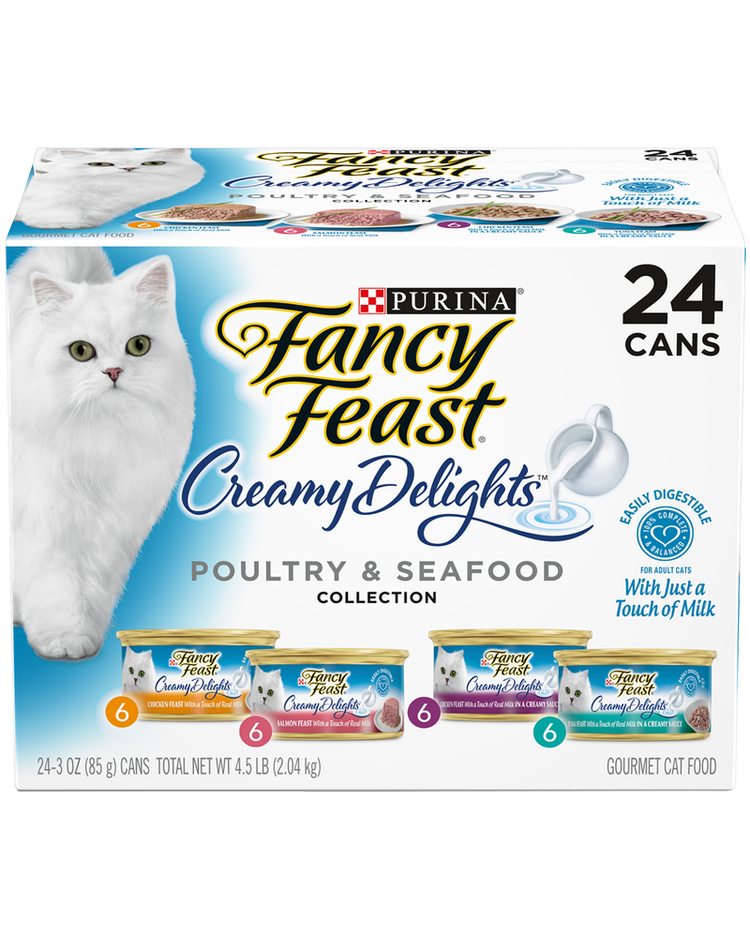
Wet food provides essential hydration and nutrients for cats. It supports kidney health and maintains a shiny coat. Offering wet food can also encourage picky eaters to consume a balanced diet.
Cats are fascinating creatures with unique dietary needs, and choosing the right food can significantly impact their health. Many cat owners wonder if wet food provides more nutritional benefits compared to dry food. Wet food can be an excellent choice for your feline friend, offering several advantages that cater to their specific nutritional requirements.
Higher Moisture Content
Wet food contains a higher moisture content, which is crucial for your cat's hydration. Cats naturally have a low thirst drive, often not drinking enough water on their own. Feeding them wet food helps ensure they get adequate moisture, reducing the risk of urinary tract issues. Imagine your cat enjoying a dish that not only satisfies their hunger but also keeps them hydrated. This is especially beneficial for older cats or those with kidney problems. A well-hydrated cat is often a happier and healthier cat.
Balanced Nutrient Profile
Wet food often boasts a balanced nutrient profile, providing essential proteins, fats, and carbohydrates. Cats are obligate carnivores, meaning they thrive on animal-based proteins. Wet food typically contains a higher percentage of meat, aligning with their natural dietary preferences. Incorporating wet food into your cat’s diet can support muscle maintenance and overall health. It usually contains essential vitamins and minerals that are crucial for their well-being. Does your cat prefer the taste of wet food? Many cats find it more palatable, making mealtime an enjoyable experience. By offering wet food, you're not only meeting their nutritional needs but also indulging their taste buds. Consider mixing wet and dry food to create a balanced diet that keeps your cat both nourished and satisfied.

Credit: www.instagram.com
Potential Health Advantages
Feeding your feline friend wet food isn't just about pampering them; it can offer genuine health benefits. While dry kibble is convenient, wet food can play a crucial role in maintaining your cat's overall health. Let's delve into some of the potential health advantages of wet food for cats.
Hydration And Kidney Health
Wet food has a high moisture content, which can significantly aid in keeping your cat hydrated. Cats are notorious for not drinking enough water, leading to dehydration and potentially affecting kidney function. Offering wet food is like sneaking in extra hydration, supporting their kidney health. Have you ever noticed your cat preferring running water? This behavior underscores their need for adequate hydration.
Weight Management
Wet food can be beneficial for managing your cat's weight. It tends to be lower in calories and higher in protein compared to dry food. This balance helps cats feel fuller for longer, reducing overeating. If you've ever struggled with your cat's weight, switching to a portion-controlled wet food diet might be the answer. Could this simple change prevent future weight issues for your beloved pet?
Common Concerns
Feeding cats wet food often raises questions among pet owners. Many worry about the impact on their cat's health and finances. Understanding these concerns helps in making informed decisions about cat diets.
Dental Health
Some believe wet food may harm cats' teeth. They think it can cause dental issues due to its soft texture. Wet food lacks the crunch that may help clean teeth. But, many experts say wet food is not solely to blame for dental problems. Regular dental care is crucial for maintaining oral health in cats. Consider using dental treats or toys to support their dental hygiene.
Cost Implications
Wet food can be more expensive than dry food. It often comes in smaller packages, leading to frequent purchases. This can strain a budget over time. Some cat owners worry about the long-term financial burden. Balancing cost with nutritional needs is important. Look for affordable wet food options without compromising quality. Buying in bulk or during sales can also help reduce costs.
Wet Food Vs. Dry Food
Cats often enjoy a variety of foods. Two main types are wet and dry. Each has its own benefits and drawbacks. Understanding these can help in choosing the best for your cat.
Comparative Analysis
Wet food usually has more moisture. This helps keep cats hydrated. It's often more flavorful and appealing. Dry food, on the other hand, is convenient. It can be left out longer without spoiling. It helps maintain dental health by reducing plaque buildup.
Wet food tends to be richer in protein. It often mimics a cat's natural diet. Dry food contains more carbohydrates. It's usually more affordable and easier to store. Both options can be nutritious if balanced properly.
Suitability For Different Cats
Wet food is great for cats needing extra hydration. It's ideal for older cats with dental issues. Kittens often prefer the softer texture. Cats with kidney problems benefit from the added moisture.
Dry food suits active cats needing more calories. It's perfect for cats that nibble throughout the day. Overweight cats might benefit from the lower fat content. It's also a good choice for multi-cat households.
Choosing The Right Wet Food
Selecting the best wet food for cats ensures they get essential moisture and nutrients. Wet food can support hydration and improve digestion. Prioritize high-quality ingredients for your feline's health.
Choosing the right wet food for your cat can feel overwhelming with so many options on the market. Ensuring your feline friend gets the best nutrition possible means understanding what goes into their food. Let's break down what you should look for when selecting the perfect wet food.
Ingredients To Look For
The ingredients list is the first place to start when assessing cat food. Look for a named protein source, like chicken or salmon, as the primary ingredient. Cats are obligate carnivores, so a high protein content is crucial for their health. Avoid foods with too many fillers like corn or soy. These don't provide the necessary nutrients your cat needs. Instead, seek out options with added vitamins and minerals to support overall health. Grain-free options can be beneficial, especially if your cat has digestive issues. However, it's essential to consult with your vet to see what's best for your pet's specific needs.
Quality Brands
Choosing a reputable brand ensures that your cat receives a balanced diet. Brands like Hill's Science Diet and Royal Canin are known for their rigorous quality standards. They offer formulas tailored to different life stages and health needs. You might also consider brands like Blue Buffalo or Wellness, which focus on natural ingredients. These brands often provide grain-free formulas with no artificial preservatives, ensuring a more wholesome meal for your cat. Don't be afraid to try a few options to see what your cat prefers. Texture and flavor can vary significantly, and finding the right match can make mealtime more enjoyable for your pet.
Feeding Guidelines
Wet food offers hydration and can be easier for cats to chew. It's often more palatable, enticing picky eaters. Balancing wet and dry food can provide complete nutrition.
Feeding your cat the right food is crucial for its health. Wet food can provide essential nutrients and hydration. Following feeding guidelines ensures your cat stays healthy and happy.
Portion Control
Feeding the right amount is important. Cats can overeat if given too much. Measure portions carefully to avoid weight gain. Check the packaging for recommended serving sizes. Adjust based on your cat's age and activity level. Monitor your cat's weight and health regularly. This helps in maintaining the ideal weight.
Transitioning From Dry To Wet Food
Switching food types can be tricky. Start by mixing a small amount of wet food with dry food. Gradually increase the wet food and decrease the dry food. This helps the cat's digestive system adjust. Change the food slowly over a week. Watch for any signs of discomfort or allergies. Consulting a vet is always a good idea during transitions.

Credit: www.instagram.com
Frequently Asked Questions
Is Wet Food Necessary For Cats?
Wet food is not strictly necessary for cats, but it offers benefits. It provides hydration and can be more palatable. Some cats may need wet food for dietary or health reasons. Consult your vet to determine the best diet for your cat's needs.
Do Vets Recommend Dry Or Wet Cat Food?
Vets often recommend a balanced diet with both dry and wet cat food. Wet food provides hydration and can prevent urinary issues. Dry food helps maintain dental health. Consult your vet for personalized advice based on your cat's needs.
Is It Okay To Give Cats Dry Food Only?
Cats can eat dry food only, but ensure it's high-quality. Provide fresh water daily to prevent dehydration. Consider mixing wet food occasionally for balanced nutrition. Regular vet check-ups are essential to monitor health.
Is Wet Food Better For Cats?
Wet food is often recommended for cats. It provides hydration, essential nutrients, and can be easier to digest. Cats with dental issues or urinary problems may benefit from wet food. However, always consult your veterinarian to determine the best diet for your cat's specific needs and health conditions.
Conclusion
Wet food can be a tasty treat for cats. It's often moist and flavorful. Many cats enjoy it more than dry food. Wet food can help with hydration. This is important for kidney health. It may also be easier for older cats to chew.
Consider your cat's specific needs. Wet food can be a healthy part of their diet. Always check with your vet for advice. Every cat is different. Choose food that suits your pet's lifestyle. Balance is key in their nutrition. Keep your feline friend happy and healthy with the right food choices.