
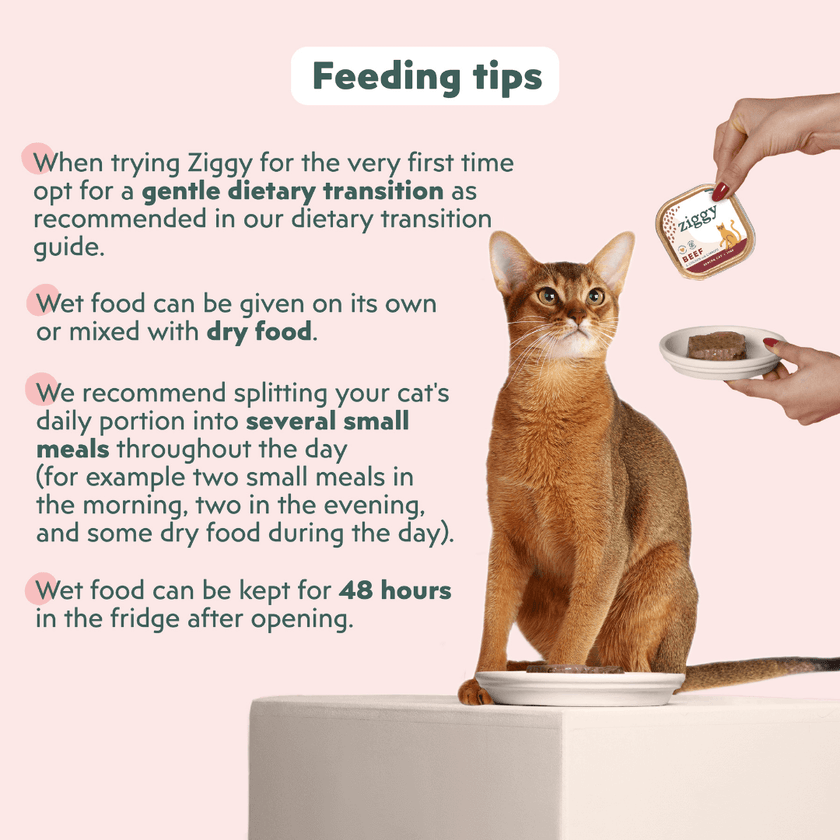
Feeding your cat wet food can be a game-changer for their health and happiness. If you've ever wondered about the benefits of wet cat food or how to serve it, you're in the right place.
Imagine your feline friend enjoying their meal with delight, savoring every bite. Wet cat food offers more than just taste; it provides essential hydration and nutrients that dry food sometimes lacks. But how do you make sure you're doing it right?
How can you maximize these benefits for your cat's well-being? By the end of this article, you'll have the knowledge to transform mealtime into a moment of joy and nutrition for your cat. Dive in, and discover the secrets to feeding wet cat food that will have your cat purring with satisfaction!
Choosing The Right Wet Cat Food
Selecting wet cat food involves considering nutritional value and taste preferences. Make sure it's balanced with essential vitamins and minerals. Serve in small portions to maintain freshness and prevent waste.
Choosing the right wet cat food is essential for your feline's health and happiness. With an overwhelming variety of options available, it can be challenging to know which product to pick. A thoughtful selection not only ensures your cat's well-being but also strengthens the bond you share.
Ingredients To Look For
When scanning through labels, prioritize real meat as the primary ingredient. Cats are obligate carnivores, meaning their diet must primarily consist of meat. Look for foods that list chicken, beef, or fish as the first ingredient. Whole grains and vegetables can also be beneficial in small amounts. They provide essential nutrients and fiber. However, their presence should be minimal compared to proteins. Omega fatty acids are another important component. They contribute to a shiny coat and healthy skin. You might notice your cat's playful energy increase with the right balance of these nutrients.
Avoiding Harmful Additives
Artificial preservatives like BHA, BHT, and ethoxyquin should be avoided. These chemicals can have long-term adverse effects on your cat's health. Opt for brands that use natural preservatives like vitamin E (often listed as mixed tocopherols). Watch out for artificial colors and flavors. These are unnecessary and may cause allergic reactions in some cats. Natural flavors and the actual appearance of the food should suffice. Excessive fillers are another red flag. Ingredients like corn, soy, and wheat are often used to bulk up the product but provide little nutritional value. Choose options with limited fillers to maintain your cat's weight and health. Choosing wisely could be the difference between a thriving cat and constant vet visits. What food choices have you made that transformed your pet’s life?
Understanding Your Cat's Dietary Needs
Feeding wet cat food ensures your feline gets adequate hydration and essential nutrients. Serve it at room temperature to enhance flavor and aroma. Regularly clean food bowls to prevent bacteria build-up and maintain your cat's health.
Understanding your cat's dietary needs is crucial for maintaining their health and happiness. Cats are obligate carnivores, which means they rely heavily on nutrients found in animal products. But did you know that their dietary needs can vary significantly based on factors such as age, health, and even breed?
Age And Health Considerations
Feeding your kitten is different from feeding a senior cat. Kittens require more calories, proteins, and fats to support their rapid growth. Contrast this with older cats who might need fewer calories but more fiber to support their slower metabolism. Health issues also play a role. A cat with kidney disease may require a specific diet with restricted protein levels. Have you checked with your vet about any special dietary needs your cat might have? It's essential to tailor their food to match their health requirements.
Breed-specific Requirements
Different breeds can have unique dietary preferences and needs. For instance, Maine Coons often need more calories due to their size and energy levels. On the other hand, Siamese cats may benefit from foods that support their lean muscle mass. Consider your cat's breed when choosing wet food. Does your Persian cat tend to have digestive issues? You might want to look for a formula that supports gut health. By paying attention to these details, you ensure your cat gets the nutrition they need to thrive.
Optimal Feeding Schedule
Creating an optimal feeding schedule for your cat's wet food can greatly enhance their health and satisfaction. Cats thrive on routine, and a well-timed feeding schedule helps them anticipate meals, maintaining their enthusiasm and ensuring they receive all necessary nutrients. Just like humans, cats have dietary preferences and unique needs, so finding the right balance and timing is crucial.
Balancing Wet And Dry Food
Finding the perfect balance between wet and dry food can be a game-changer. Wet food offers moisture and taste, while dry food provides convenience and dental benefits. Consider your cat's lifestyle and health requirements. Some cats may prefer a morning serving of wet food to kickstart their day, while dry kibble in the evening gives them something to graze on.
Experiment with different combinations to see what your cat enjoys. You might notice changes in their coat or energy levels when you adjust the balance. A friend of mine found that her cat's coat became shinier when she increased the wet food portion. What changes will you notice?
Timing For Maximum Nutrition
The timing of wet food feeding can impact how well your cat absorbs nutrients. Offering wet food during peak metabolic hours can enhance digestion. Cats often have higher energy levels in the morning and early evening. Consider scheduling wet food meals during these times.
Many cat owners find that feeding wet food in the morning aligns with their cat's natural hunting instincts. In the wild, cats would hunt for their morning meal. Could this natural rhythm boost your cat's nutrition? Observe your cat's behavior and tweak the timing accordingly.
Proper Portion Sizes
Determining the right portion size for wet cat food ensures your cat stays healthy and satisfied. Use the cat's weight and age to guide portions, adjusting as needed. Monitor your cat's weight and energy levels regularly to make necessary changes.
Proper portion sizes for wet cat food are crucial. Cats need the right amount to stay healthy. Feeding too much can lead to obesity. Too little can cause nutritional deficiencies. Finding the right balance ensures your cat is happy and healthy. Here are some factors to consider.
Adjusting For Activity Levels
Active cats burn more calories. They might need larger portions. Indoor cats are usually less active. They require fewer calories. Consider your cat's lifestyle. Tailor portions to match their energy needs. A playful cat may need more food. A sedentary cat needs less.
Monitoring Weight And Health
Regularly check your cat's weight. Ensure they are not gaining or losing too much. Adjust portions accordingly. Visit the vet for guidance. They can recommend proper portion sizes. Keep an eye on your cat's overall health. Changes might indicate a need to adjust food amounts. Happy, healthy cats thrive with the right portions.
Serving Techniques
Begin by choosing a clean dish to serve wet cat food. Use a spoon to portion the food, ensuring it's fresh. Serve at room temperature to enhance flavor and aroma, enticing even picky eaters. Dispose of any leftovers after a few hours to maintain freshness and hygiene.
Feeding your cat wet food can be a delightful experience for both you and your feline friend, but the way you serve it can make all the difference. Serving techniques not only influence your cat's interest in the meal but also ensure they receive the nutritional benefits of the food. Let's dive into some practical and engaging ways to serve wet cat food that will keep your cat eager for mealtime.
Proper Temperature For Serving
Cats are discerning eaters and can be particular about the temperature of their food. Ideally, wet cat food should be served at room temperature to enhance its aroma and make it more appealing. If you've stored the food in the fridge, allow it to sit out for about 15-20 minutes before serving. Heating the food slightly in the microwave can also help, but be cautious. Always ensure there are no hot spots that could burn your cat’s mouth. Stir the food thoroughly and test it with your finger to ensure it's just right. Have you ever noticed your cat turning up its nose at cold food?
Appealing Presentation For Cats
Presentation isn't just for humans; cats appreciate it too! Using a shallow dish can make it easier for your cat to access the food without getting whisker fatigue. Consider arranging the food in a way that looks visually appealing. A small mound in the center of the dish can entice your cat to start eating. You might also want to try varying the texture by mixing in a bit of warm water or broth. This can enhance the flavor and make it more enticing. Don't forget to clean the dish after each meal to maintain hygiene and avoid any off-putting smells. Cats are much more likely to dive into their meal if it's served in a clean dish. How often do you refresh your cat's dining area? Serving wet cat food doesn't have to be a mundane task. With the right techniques, you can turn it into a moment of joy and satisfaction for your feline companion.

Credit: www.instagram.com
Storage Tips
Proper storage is key for wet cat food. Refrigerate unused portions in an airtight container. Serve at room temperature to enhance flavor and aroma.
Storing wet cat food properly is essential for maintaining its quality and ensuring your cat's health. Improper storage can lead to spoilage and nutrient loss, which might affect your cat's diet. This section offers practical tips on how to store wet cat food correctly, ensuring that each meal is fresh and safe for your feline friend.
Preserving Freshness
Wet cat food needs airtight storage to stay fresh. Once opened, transfer leftovers into an airtight container. This prevents exposure to air, keeping the food moist and flavorful. Use glass or BPA-free plastic containers for storing. Avoid leaving food in the can, as metal exposure can alter taste and quality. Label containers with the opening date. This helps track freshness and prevent feeding expired food.
Safe Refrigeration Practices
Refrigeration extends the shelf life of wet cat food. Store containers in the fridge at a temperature below 40°F (4°C). This inhibits bacterial growth. Position containers in the main compartment, not the door. This ensures consistent cold temperatures. Consume refrigerated food within 2-3 days. After this period, quality may decline, posing health risks. Before serving, warm refrigerated food to room temperature. Cats prefer meals that mimic prey warmth. Use a microwave or warm water bath for gentle heating. Avoid serving cold food directly, as it may be unappetizing to your cat.
Troubleshooting Common Issues
Wet cat food can sometimes be tricky to serve. Ensure the food is at room temperature for better taste. Use a clean bowl to avoid germs and keep your cat's eating area tidy.
Feeding wet cat food can sometimes bring challenges. Cats can be particular about their food. Some may face digestive issues. Understanding these common problems can improve your cat's eating experience. Let's explore solutions for these issues.
Handling Picky Eaters
Cats can be fussy with their food. To entice them, try warming the food slightly. The aroma becomes stronger and more appealing. Use a microwave for a few seconds. Always check the temperature before serving. Experiment with different textures and flavors. Some cats prefer pate, while others enjoy chunks. Offer small portions to avoid waste. Gradually introduce new foods. Mix with their favorite to ease the transition.
Addressing Digestive Problems
Digestive issues can affect a cat's appetite. Look for signs like vomiting or diarrhea. If these occur, consider a vet visit. It might be an allergy or intolerance. Ensure the food is fresh and not expired. Store opened cans in the fridge. Serve at room temperature to avoid stomach upset. Monitor your cat's eating habits. Sudden changes might signal a problem. Keep fresh water available at all times. Hydration aids digestion and overall health.

Credit: www.wikihow.com
Benefits Of Wet Cat Food
Wet cat food offers hydration and easy digestion for your feline friend. Serve it at room temperature to enhance flavor and appeal. Portion control is essential to prevent overfeeding and maintain a healthy weight.
Feeding your cat the right type of food is crucial for their health and happiness. Wet cat food offers numerous benefits that can contribute to your feline friend's overall well-being. From enhanced hydration to improved coat health, wet cat food might be just what your pet needs.
Hydration And Nutrition
Wet cat food is a fantastic way to ensure your cat stays hydrated. Cats naturally have a low thirst drive, so they might not drink enough water on their own. The high moisture content in wet cat food helps keep them hydrated, supporting kidney and urinary tract health. In addition to hydration, wet cat food is packed with essential nutrients. It typically contains more protein and fewer carbohydrates than dry food. This is closer to a cat's natural diet and can help maintain a healthy weight and muscle mass.
Improved Coat And Skin Health
A shiny coat and healthy skin are often signs of a well-nourished cat. Wet cat food often contains omega-3 and omega-6 fatty acids, which are vital for skin and coat health. These nutrients can help reduce shedding and make your cat's fur softer and more vibrant. Have you ever noticed your cat scratching less after switching to wet food? Many cat owners report improvements in skin conditions and reduced itching. This dietary change can be a simple solution to common feline skin problems. By feeding your cat wet food, you're not only providing hydration and nutrition but also contributing to their overall health and happiness. Is there a better way to show your love for your furry companion?
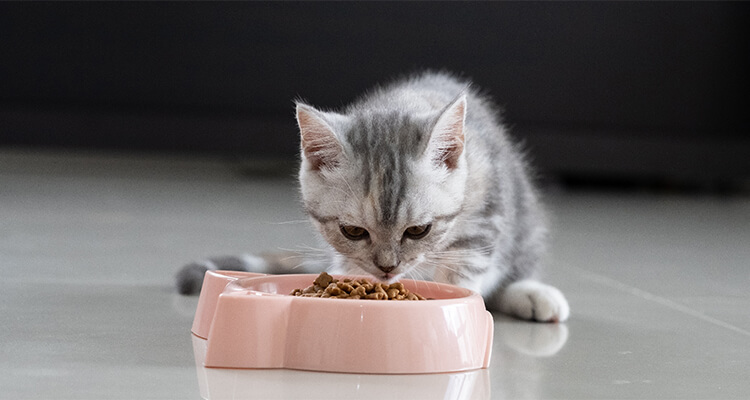
Credit: www.whiskas.co.uk
Frequently Asked Questions
How To Properly Feed Wet Food To Cats?
Serve wet food at room temperature for better taste. Offer small portions to prevent waste. Store leftovers in the fridge. Clean bowls regularly to maintain hygiene. Ensure fresh water is always available.
How Much Wet Food Per Day Should A Cat Have?
Cats typically need 3-5 ounces of wet food daily, depending on their weight and activity level. Monitor your cat's weight and adjust portions accordingly to maintain a healthy balance. Always consult your veterinarian for personalized feeding recommendations.
Do Cats Like Wet Food Cold Or Warm?
Cats generally prefer wet food at room temperature. Cold food might not appeal to them as much. Warming enhances aroma, making it more enticing. Always ensure the food is safe and fresh. Experiment to find your cat's preference, but avoid extreme temperatures.
Am I Supposed To Add Water To Wet Cat Food?
Adding water to wet cat food is unnecessary. Wet cat food already contains moisture. Consult your vet for specific dietary needs.
Conclusion
Feeding wet cat food needs care and attention. Cats love variety. Try different flavors. Serve food at room temperature. Store leftovers properly. Always provide fresh water. Regular feeding times help digestion. Watch your cat's weight and health. Adjust portions as needed.
Enjoy bonding moments during feeding. Happy, healthy cats bring joy. Keep feeding routines simple and consistent. Your cat's well-being is the priority. Following these tips ensures a satisfied feline friend. Cats thrive with proper care and nutrition. You can create a positive meal experience.
Make feeding time enjoyable for both of you.