
You want the very best for your feline friend, and choosing the right diet is a big part of that. But when it comes to wet food, have you ever wondered if it might be bad for your cat?
It's a question many cat owners grapple with. You're not alone in seeking answers, and understanding the impact of wet food on your cat's health can be crucial. This article will guide you through the facts, unraveling myths and truths about wet cat food.
By the end, you'll feel confident in making informed decisions for your furry companion. Keep reading to discover the real story behind wet food and your cat's well-being.
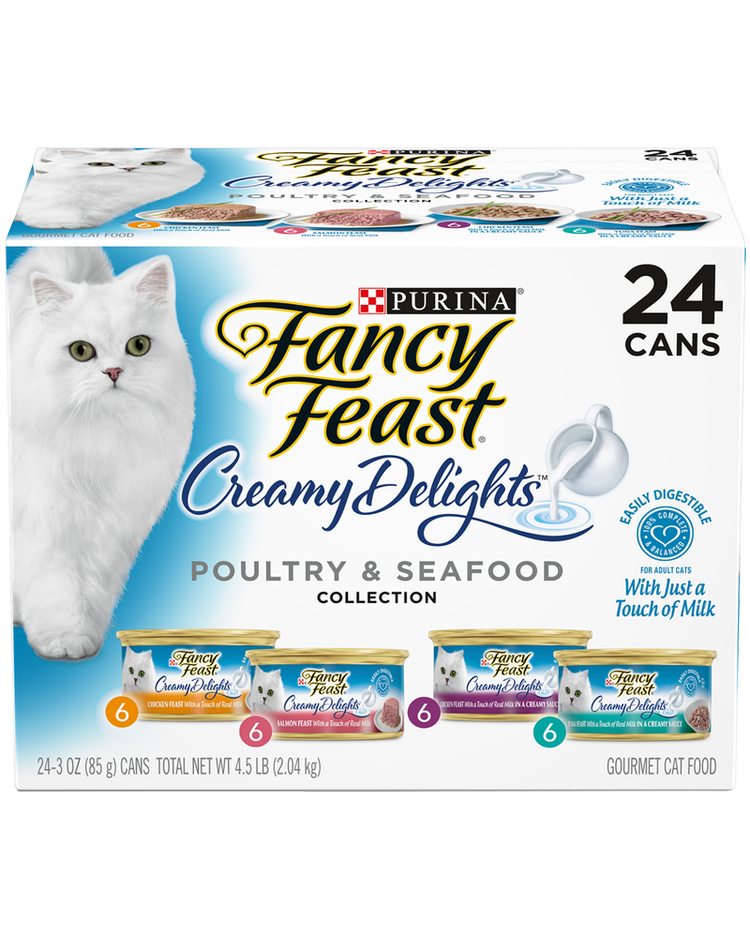
Credit: www.purina.com
Wet Food Vs. Dry Food
Is Wet Food Bad for Cats Wet food offers essential hydration and nutrients, but some cats might experience dental issues without regular dry food. Balancing both types can provide a well-rounded diet, ensuring your cat remains healthy and happy. Always consult a vet to determine the best option for your feline friend.
Cats can be quite the picky eaters, and choosing between wet and dry food can feel like a daunting task. Both options come with their own set of benefits and drawbacks, leaving many cat owners scratching their heads. Are you wondering if wet food is bad for your feline friend, or how it stacks up against dry kibble? Let’s dive into the debate of wet food vs. dry food.
Nutritional Differences
Wet food often contains higher levels of protein and fats, making it closer to a cat’s natural diet. This can be beneficial for cats needing more energy or those who are underweight. However, it’s crucial to check the labels for quality ingredients, as some wet foods may contain fillers or artificial additives. Dry food, on the other hand, tends to have more carbohydrates. This can be great for convenience and storage, but it may not align with your cat’s dietary needs. Monitoring the carbohydrate content can help prevent obesity, a common issue in cats consuming dry food.
Hydration Benefits
Did you know that wet food can significantly contribute to your cat’s daily water intake? Cats naturally have a low thirst drive, which can lead to dehydration if they rely solely on dry food. Wet food’s high moisture content can support kidney health and prevent urinary tract issues. Think of a time when you forgot to drink enough water on a hot day—it's uncomfortable, right? That’s how your cat might feel on a dry food-only diet. Adding wet food can make a world of difference in keeping them hydrated and happy. So, what do you think about mixing both wet and dry food? Could it be the best of both worlds for your feline companion?
Common Myths About Wet Food
When it comes to feeding your feline friend, there's a lot of debate surrounding wet food. While some cat owners swear by it, others are wary due to a range of myths. Let's take a closer look at these misconceptions to understand the truth behind them.
Dental Health Concerns
One common belief is that wet food can harm your cat's dental health. It's often thought that the soft texture of wet food doesn't provide the necessary abrasion to clean teeth. However, dental health isn't solely dependent on the type of food. Regular dental check-ups and proper hygiene play a vital role in maintaining your cat's oral health.
Consider incorporating dental treats or toys specifically designed to improve oral hygiene. These can be a fun and effective way to keep your cat's teeth healthy while they enjoy their wet food.
Addiction To Wet Food
Some people worry that cats might become addicted to wet food, refusing to eat anything else. While cats may show a preference for wet food due to its taste and texture, this doesn't mean they're addicted. Cats are creatures of habit, and consistent feeding routines can help balance their diet.
If your cat favors wet food, try gradually introducing dry food or a mix. This approach can help them develop a taste for different types of food without creating dependency.
Wet Food And Weight Gain
Another myth is that wet food leads to weight gain. Wet food is often blamed for adding extra pounds, but the reality is more complex. Wet food generally has fewer calories than dry food. Its high moisture content can also aid in digestion and help keep your cat hydrated.
Monitor portion sizes and ensure your cat gets regular exercise to maintain a healthy weight. Consult your vet to tailor a diet plan that suits your cat's lifestyle and needs.
What myths have you heard about wet food? Have they influenced your feeding choices for your cat?
Benefits Of Wet Food For Cats
Many cat owners wonder whether wet food is beneficial for their feline friends. The truth is, wet food can offer numerous advantages that contribute to the overall well-being of your cat. From supporting digestive health to providing essential nutrients, wet food can be a vital component in your pet’s diet. Let’s explore the benefits in detail.
Protein Content
Wet food often boasts higher protein levels compared to dry kibble. This is crucial for your cat’s muscle development and maintenance. Cats are obligate carnivores, meaning they require a diet rich in animal-based proteins.
Feeding your cat wet food can help meet these protein needs, ensuring they remain active and healthy. You might notice a shinier coat and more energetic play sessions as a result.
Digestive Health
The moisture content in wet food aids in digestion, making it easier for your cat to process their meals. Cats naturally consume water through their food in the wild, and wet food mimics this environment.
If your cat struggles with constipation or urinary issues, adding wet food to their diet might alleviate these problems. It’s a practical solution that addresses digestive health directly.
Consider your own experiences with different diets. Have you noticed any changes in your cat’s behavior or health after switching food types? This reflection can guide your decision to include wet food in their diet.

Credit: greensafaris.com
Choosing The Right Wet Food
Wet food offers hydration and essential nutrients for cats. It's not inherently bad, but some varieties contain unhealthy additives. Choose quality brands with real meat and limited fillers to ensure your cat's health.
Choosing the right wet food for your cat is crucial. It can impact your cat's health and happiness. Not all wet foods are created equal. Some offer great nutrition, while others may lack essential nutrients. Selecting the best option requires careful consideration. Let's explore key aspects that help you make an informed choice.
Ingredient Quality
High-quality ingredients are vital. They ensure your cat receives proper nutrition. Look for real meat as the primary ingredient. Avoid products with fillers like corn or soy. These fillers add bulk but lack nutritional value. Check for added vitamins and minerals. They support your cat's overall health. Also, watch for artificial preservatives. They might affect your cat negatively.
Brand Reputation
A brand's reputation speaks volumes. It often reflects product quality and reliability. Choose brands known for their commitment to pet health. Research customer reviews and expert opinions. They provide insights into product performance. Look for brands with a history of safety recalls. Avoid these as they may risk your cat's health.
Transitioning Cats To Wet Food
Many believe wet food is unhealthy for cats, but it's often more nutritious. Cats may resist change, so patience is key. Gradually introduce wet food to improve their diet and hydration.
Transitioning your cat to wet food can be a rewarding journey for both you and your furry friend. Many cat owners wonder if wet food is suitable, but understanding how to make the switch can ease any concerns. The key is to take it slow and observe your cat's reactions.
Gradual Introduction
Start by mixing a small amount of wet food with your cat's regular dry food. This helps your cat get used to the new texture and taste without overwhelming them. Gradually increase the proportion of wet food over a week or two. Patience is essential during this process. Some cats are more resistant to change than others. If your cat seems hesitant, take a step back and slow the transition.
Monitoring Health Changes
Keep an eye on your cat's health and behavior as you introduce wet food. Look for signs of improved hydration, such as more frequent urination or a shinier coat. On the flip side, watch for any adverse reactions like stomach upset or changes in bowel movements. Regularly check your cat's weight. A sudden gain or loss may indicate an issue with the new diet. Consult your vet if you notice any concerning changes. Have you noticed any positive or negative changes since making the switch? Adjust the diet accordingly to ensure your cat remains healthy and happy.
Expert Opinions On Wet Food
When deciding what to feed your feline friend, expert opinions can significantly influence your choice. Wet food is a topic with diverse viewpoints, especially among professionals who dedicate their lives to animal health and nutrition. Let's explore what the experts have to say about feeding your cat wet food.
Veterinarian Perspectives
Veterinarians often recommend wet food for cats due to its high moisture content. This can be particularly beneficial for cats with kidney issues or urinary tract problems. Dr. Emily, a vet with over ten years of experience, recalls a cat patient who improved significantly on a wet food diet—hydration was a game-changer for the cat's health.
However, some vets caution against exclusive reliance on wet food. They argue that it may not provide the necessary dental benefits that dry kibble offers. Have you ever noticed how crunchy textures can help in cleaning teeth?
Animal Nutritionists' Views
Animal nutritionists emphasize the nutrient density and variety available in wet food options. Many premium wet foods are crafted to mimic a cat's natural diet, rich in proteins and essential nutrients. Nutritionist Sarah believes that rotating between wet and dry food can offer a balanced approach, ensuring your cat gets diverse nutrients.
On the flip side, some nutritionists point out the potential for spoilage in wet food. Once opened, wet food can lose its freshness quickly if not stored properly. Have you ever opened a can of wet food, only for your cat to turn its nose up the next day?
By understanding these expert opinions, you can make informed decisions about your cat's diet. Consider your cat's unique needs and consult with professionals to tailor a feeding plan that works best for your furry companion.
Wet Food Myths: Fact Or Fiction
The debate over whether wet food is bad for cats is filled with myths and misconceptions. Many cat owners find themselves questioning the best choice for their feline friends. Let's dive into these myths and separate fact from fiction.
Scientific Studies
Scientific studies have shown that wet food can be a healthy option for cats. It often contains higher moisture content, which is beneficial for their hydration. This can be particularly important for cats that don't drink enough water.
Some studies suggest that wet food may help in preventing urinary tract issues. The increased moisture intake can dilute urine, reducing the risk of crystal formation. Wet food can also be lower in carbohydrates, which aligns with a cat's natural dietary needs.
Real-life Testimonials
Many cat owners share positive experiences with wet food. Sarah, a cat owner from New York, noticed her senior cat's coat became shinier after switching to wet food. She also observed a boost in her cat's energy levels.
Another cat parent, Tom, found that his cat with kidney issues responded better to a wet food diet. He noted fewer health problems and a happier demeanor. These real-life stories highlight the potential benefits of wet food for different cats.
Have you considered how wet food might benefit your cat's health? Understanding these perspectives may help you make an informed decision for your feline companion.
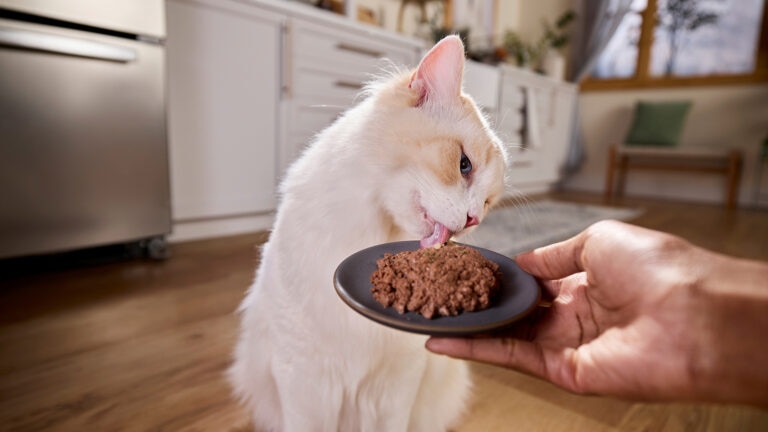
Credit: www.chewy.com
Frequently Asked Questions
Is It Okay To Give Cats Wet Food Every Day?
Yes, it's okay to feed cats wet food daily. Wet food provides hydration and nutrition. Ensure a balanced diet by choosing high-quality options. Consult your veterinarian for specific dietary needs and portion sizes. Regularly monitor your cat's health and adjust the diet as necessary for optimal well-being.
Is Wet Food Worse For Cats?
Wet food isn't worse for cats. It provides hydration and nutrients, beneficial for their health. Some cats prefer wet food's texture and taste. Balance with dry food for dental health. Consult your vet to determine the best diet for your cat's specific needs.
Do Vets Recommend Wet Cat Food?
Yes, vets often recommend wet cat food. It provides hydration and is beneficial for urinary health. Wet food typically contains fewer carbohydrates and more protein. This can help maintain a healthy weight. Always consult your vet for personalized advice on your cat's dietary needs.
Which Food Is Better For A Cat, Wet Or Dry?
Wet food is often better for cats due to higher moisture content, aiding hydration. Dry food is convenient and supports dental health. Choose based on your cat's preferences and health needs, ensuring balanced nutrition. Consult your vet for personalized advice.
Always prioritize high-quality ingredients for optimal health.
Conclusion
Wet food offers many benefits for cats. It provides hydration. It helps maintain healthy weight. Some cats find it tastier than dry food. Balance is key in a cat’s diet. Combine wet and dry food for best results. Monitor your cat’s health closely.
Adjust their diet based on needs. Always consult your vet for guidance. Choosing the right food keeps your cat happy. It also ensures they are healthy. A well-fed cat is a joyful companion. Tailor their diet to suit their lifestyle.
Keep your furry friend thriving with informed choices.