
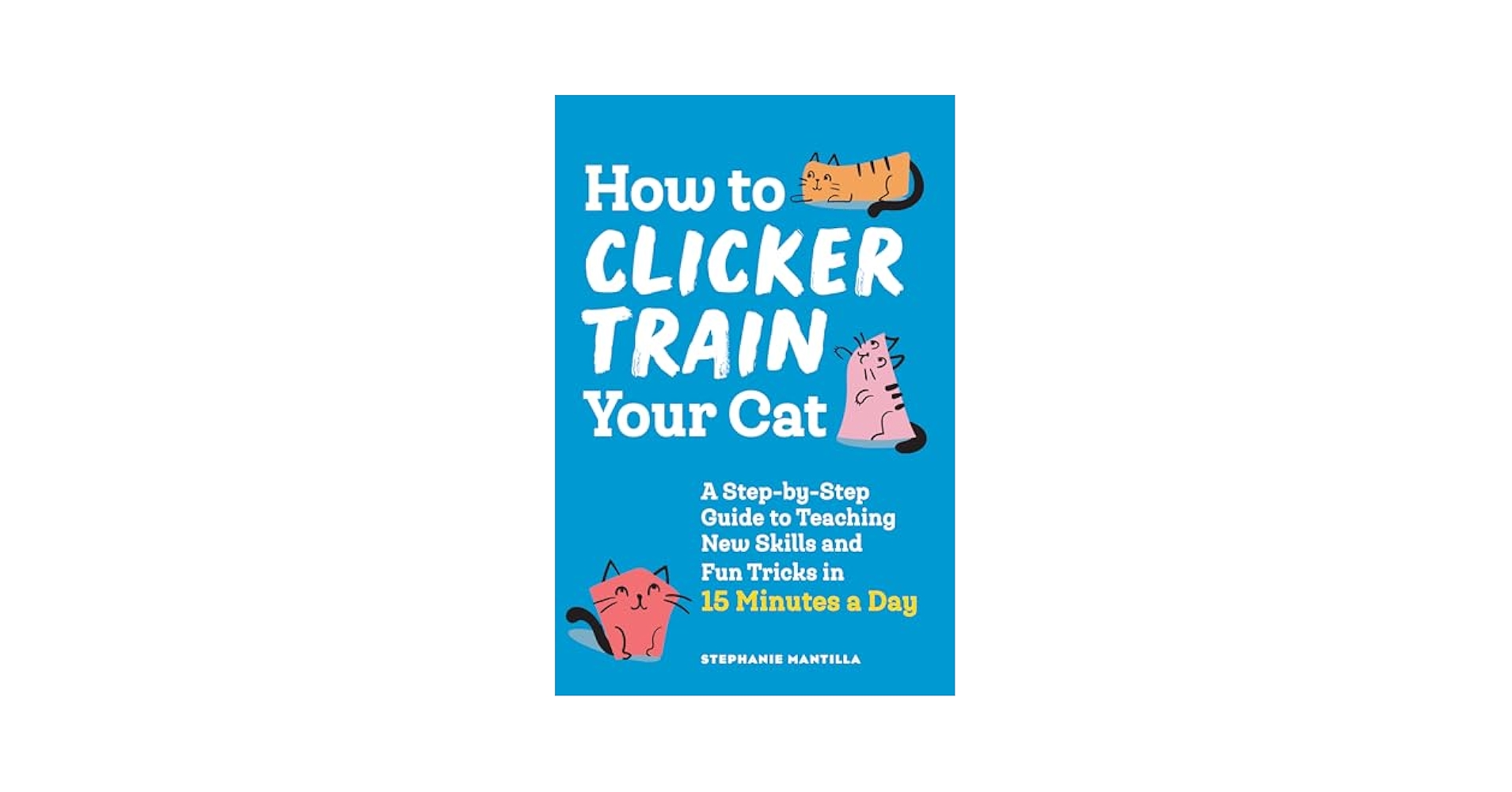
Imagine having a cat that not only purrs contentedly but also responds to your commands with the elegance of a trained performer. Clicker training is the key to unlocking this delightful interaction with your feline friend.
You might be wondering, "Can cats really be trained like dogs? " The answer is a resounding yes! Clicker training taps into your cat's natural curiosity and intelligence, making learning a fun and rewarding experience for both of you. By using a simple clicker tool, you can teach your cat new tricks, improve their behavior, and deepen your bond.
But how does this little device wield such power over your cat’s actions? The secret lies in understanding how your cat thinks and reacts to positive reinforcement. As you delve into the world of clicker training, you'll discover how to harness your cat's instincts and make training an enjoyable part of your daily routine. Are you ready to transform your cat’s behavior and enrich your relationship? Keep reading to learn step-by-step how to master clicker training and watch your cat flourish in ways you never thought possible.
Credit: www.catschool.co
Benefits Of Clicker Training For Cats
Clicker training for cats offers numerous benefits. It helps improve communication, strengthens the bond, and makes training enjoyable. Cats respond well to positive reinforcement, making clicker training effective and fun. Let's explore the benefits in detail.
Improved Communication
Clicker training creates a clear communication channel. The click sound signals a reward is coming. This helps the cat understand what behavior is desired. Over time, this clarity fosters better understanding.
Strengthened Bond
Training sessions build trust and companionship. As you train, your cat associates you with positive experiences. This strengthens the emotional bond between you and your feline friend.
Enhanced Mental Stimulation
Cats need mental challenges to stay happy. Clicker training provides this stimulation. It keeps their minds active and engaged. This helps prevent boredom and related behavior issues.
Increased Confidence
Learning new tricks boosts a cat's confidence. Successfully completing tasks makes them feel accomplished. This increased confidence can reduce anxiety and fear in various situations.
Reduced Behavioral Problems
Clicker training redirects unwanted behaviors. Instead of punishing bad behavior, it encourages good behavior. This approach leads to a more harmonious home environment.
Fun And Engaging
Training sessions are fun for both you and your cat. They provide an opportunity to play and learn together. This makes the learning process enjoyable and rewarding.
Essential Tools For Clicker Training
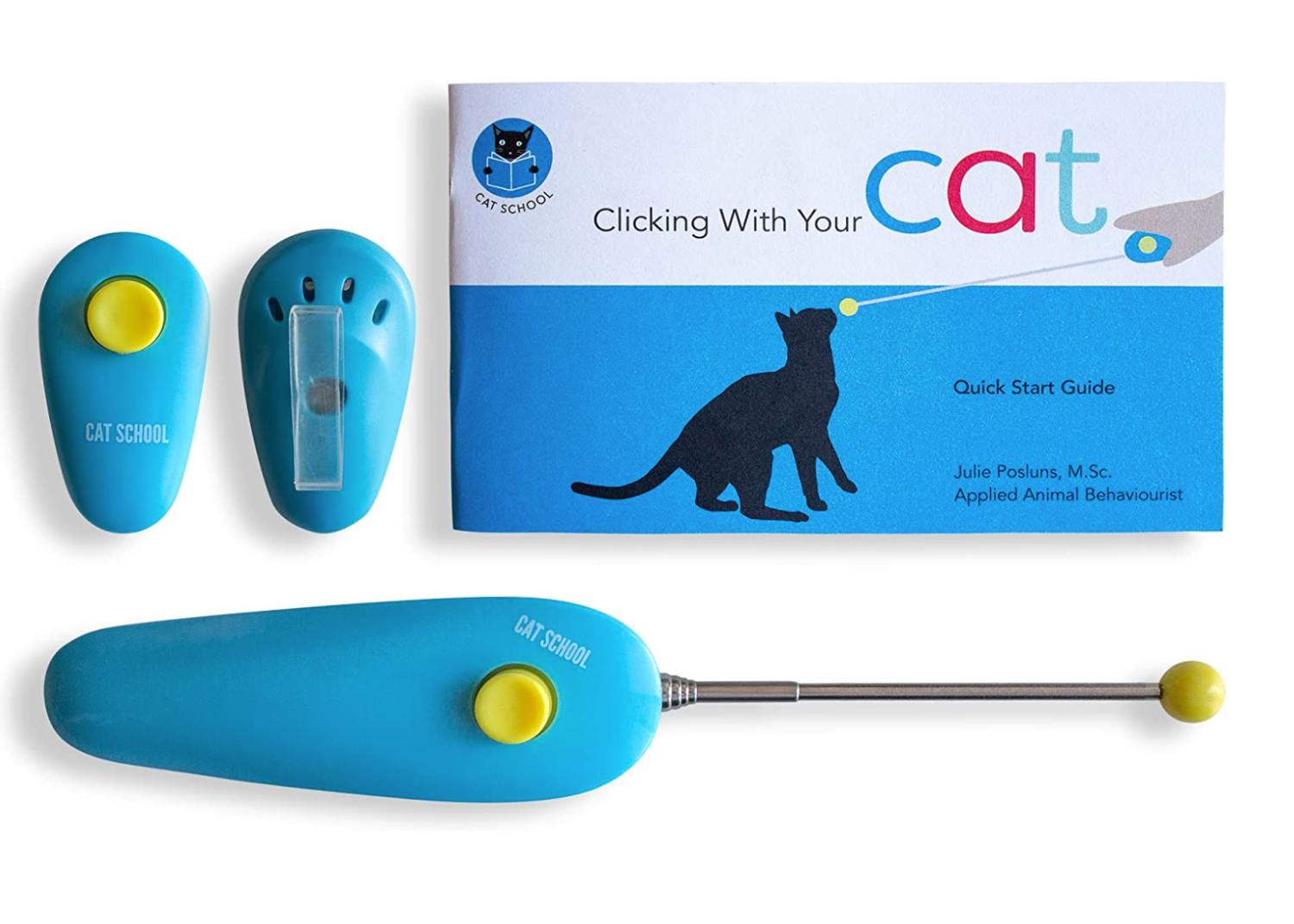
Clicker training a cat requires a clicker, treats, and patience. Use the clicker to mark desired behaviors. Reward the cat immediately with treats to reinforce positive actions.
Training your cat with a clicker can be a rewarding experience, but success hinges on having the right tools. Just like a craftsman needs proper equipment to create a masterpiece, you need essential tools for clicker training. These tools not only make the process smoother but also help in effectively communicating with your feline friend.
Choosing The Right Clicker
The clicker is your primary tool in this training journey. It's a small device that makes a distinct sound, marking the desired behavior. You can find clickers at pet stores, and they come in different sizes and designs. Opt for a clicker that's easy to hold and produces a consistent sound. You might want to test a few before deciding—some clickers have adjustable volume or even different tones. When I started clicker training my cat, I noticed she responded better to a softer click, which was less startling for her.
Selecting Treats And Rewards
Treats are the currency of clicker training. They are what your cat earns for a job well done. Choose small, tasty treats that your cat loves, but make sure they're healthy and safe. You don't want to overfeed, so keep the treats tiny. Some cat owners find success with pieces of cooked chicken or commercial cat treats. My cat, Luna, had a special fondness for tuna flakes, making them her ultimate reward during training sessions. Have you considered what treats your cat would work hardest for? Remember, the goal is to make the reward worth the effort for your feline friend. By thoughtfully choosing your tools, you're setting a solid foundation for successful clicker training. With the right clicker and enticing rewards, you're well on your way to effective communication and a happier, well-trained cat.
Preparing Your Cat For Training
Introduce your cat to the clicker by associating it with treats. Gradually, your cat will connect the sound with rewards. Begin training with simple commands like sitting or high-five to create a positive learning environment.
Preparing your cat for clicker training is an exciting journey that can enhance your bond with your feline friend. Cats are naturally curious and intelligent, making them perfect candidates for clicker training. However, before diving into training, it's essential to set the stage for success. This means ensuring your cat is comfortable and that you are choosing the right moments for training. Let's explore how you can do this effectively.
Creating A Comfortable Environment
A comfortable environment is crucial for your cat's training success. Choose a quiet space where your cat feels safe and relaxed. Avoid areas with loud noises or distractions. Consider setting up a cozy corner with their favorite blanket or toys. This will make them feel at ease and more focused. Remember, the goal is to create a positive association with training sessions. A calm environment helps achieve this.
Timing Training Sessions
Timing is everything when it comes to clicker training a cat. Choose moments when your cat is alert but not overly energetic or tired. Observe your cat's daily routine. Is there a specific time when they seem more receptive? Use this insight to schedule training. Keep sessions short and sweet. Cats have a limited attention span, so aim for 5-10 minute bursts of training. This keeps them engaged and eager to learn. Are you ready to transform your cat's behavior through clicker training? By creating a comfortable environment and timing sessions wisely, you're setting the foundation for a successful and rewarding training experience.
Credit: caticles.com
Understanding The Clicker Sound
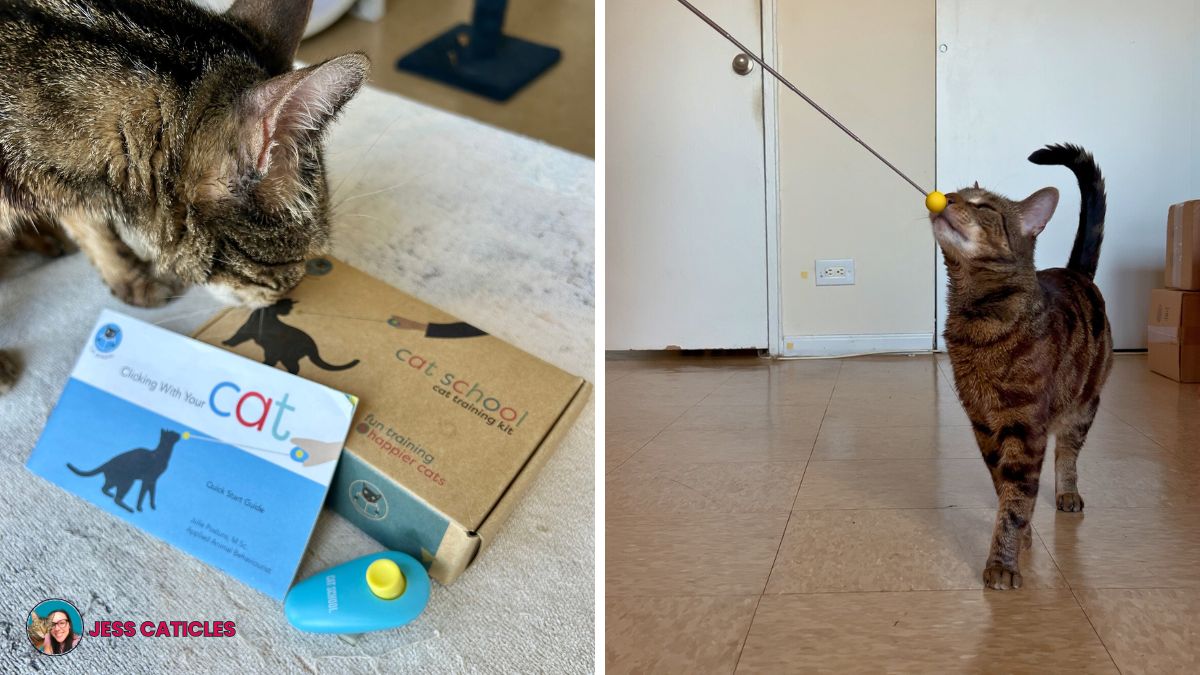
Understanding the clicker sound is vital in training your cat. The clicker, a small handheld device, makes a distinct noise. This sound tells your cat a reward is coming. It's a clear signal for your feline friend. Consistency is key in making the clicker effective. This unique sound becomes a bridge between action and reward.
Associating Clicker With Rewards
Start by associating the clicker sound with treats. Click the device, then offer a treat immediately. This creates a connection in your cat's mind. Your cat learns that the clicker means a reward. Repeat this process several times daily. Gradually, your cat will anticipate the treat after each click. This builds a positive association with the sound.
Practicing The Clicker Sound
Practice the clicker sound in short sessions. Keep each session fun and engaging. Avoid overwhelming your cat with long training periods. Click and reward for small, desired actions. Encourage your cat's natural curiosity and playfulness. Keep the environment calm and distraction-free. This helps your cat focus on the clicker sound. Consistent practice enhances learning and strengthens the clicker-reward connection.
Teaching Basic Commands
Clicker training a cat involves using a click sound paired with rewards to teach basic commands. This method helps cats associate the sound with positive reinforcement, making learning fun and effective. Consistency in timing and rewards is key for successful training sessions.
Teaching your cat basic commands can be a rewarding experience for both you and your feline friend. Clicker training is a fantastic way to communicate with your cat, creating a fun and engaging learning environment. It’s not just about teaching tricks; it’s about building a stronger bond with your pet. Understanding your cat’s natural behaviors and motivations is key. By tapping into their instincts and using positive reinforcement, you can teach them useful commands. Get ready to be amazed at how quickly your cat can learn!
Training Your Cat To Sit
Training your cat to sit is a great starting point. It’s simple and can be achieved with consistency and patience. Start by holding a treat above your cat’s head. Slowly move it back towards their tail. This motion naturally encourages your cat to sit down to maintain balance. As soon as their bottom touches the ground, click the clicker and offer a treat. Repeat this process a few times each session. Gradually, your cat will associate the word "sit" with the action. Consistency is key. Practice several times a day in short sessions to avoid overwhelming your cat.
Encouraging Your Cat To Come
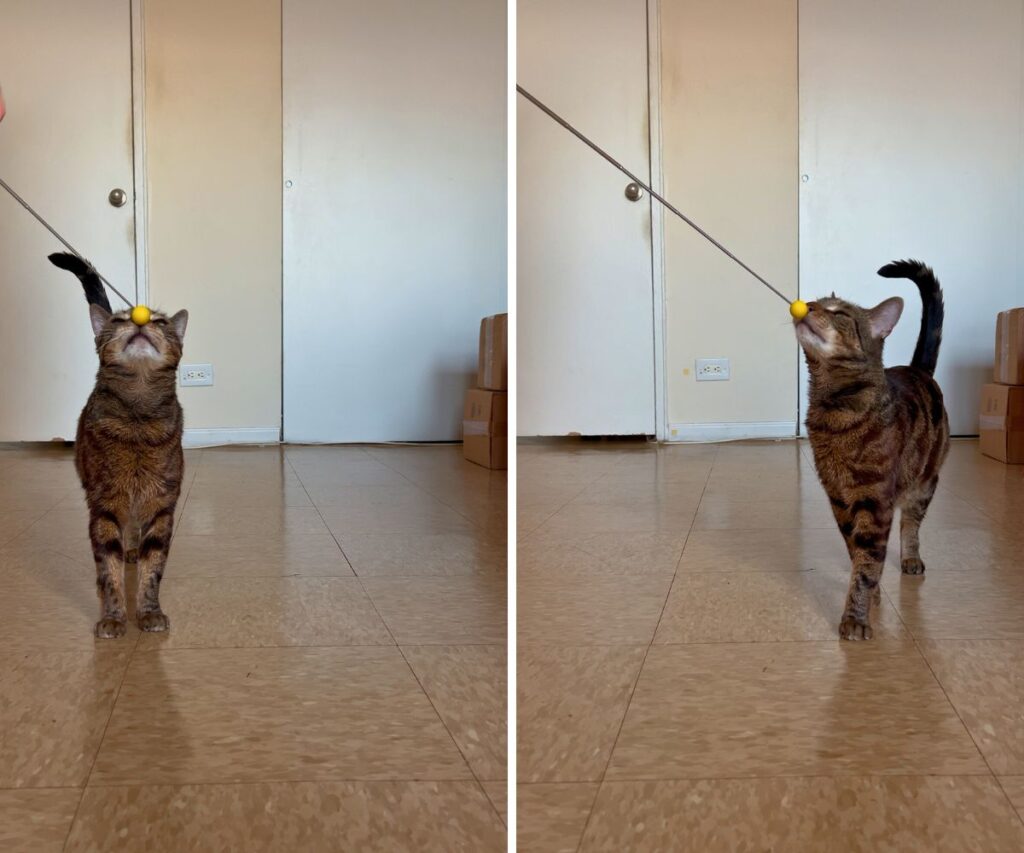
Teaching your cat to come when called can be incredibly useful. It’s also a fun way to engage with your pet. Start by choosing a distinct word or phrase, like "here" or "come." Call your cat from a short distance while showing them a treat. As they approach, use the clicker and reward them with the treat. Gradually increase the distance between you and your cat. Always reward them for responding to the call. Make it a game! Hide in different rooms and call your cat. This not only reinforces the command but also adds excitement to your training sessions. Remember, each cat learns at their own pace. Be patient and celebrate small victories. You might even find that your cat is eager to learn more commands!
Credit: caticles.com
Advanced Tricks And Behaviors
Once your cat masters basic clicker training, it's time for advanced tricks. These skills enhance mental stimulation and deepen your bond. Advanced behaviors require patience, but they're rewarding. Both you and your cat will enjoy these new challenges. Let's explore how to introduce and build on these commands.
Introducing New Challenges
Begin with simple advanced tricks. Try teaching your cat to jump through a hoop. Use a clicker and treats as motivation. Hold the hoop at your cat's level. Encourage them to pass through. Click and reward them when they succeed. Gradually raise the hoop to increase difficulty. Another fun challenge is teaching your cat to spin. Use a treat to guide them in a circle. Click and reward when they complete the spin. These challenges keep training exciting and engaging.
Building On Basic Commands
Advanced tricks often build on basic commands. Use previous skills as a foundation. If your cat knows "sit," teach them "sit up." Hold a treat above their head. Encourage them to rise on hind legs. Click and reward when they sit up. Another command is "fetch." Start with a favorite toy. Encourage your cat to retrieve it. Click and reward when they bring it back. These tricks enhance your cat's learning journey.
Troubleshooting Common Issues
Clicker training a cat can sometimes be challenging. Common issues include your cat ignoring the clicker or losing interest. Start by choosing a quiet environment and ensure your cat is hungry before training sessions.
Troubleshooting common issues in clicker training can be challenging. Cats, like people, have unique personalities. This means each cat responds differently to training. Some may learn quickly, while others may need more time. Understanding these differences is crucial. Let's explore ways to handle common problems in clicker training.
Handling Unresponsive Behavior
An unresponsive cat may seem uninterested. This can be frustrating. First, ensure your cat is not hungry or tired. Training works best when your cat is alert. Use high-value treats that your cat loves. These can motivate better than regular food. Keep sessions short, around 5 to 10 minutes. Longer sessions might overwhelm the cat. Create a distraction-free environment. Noises or other pets can divert your cat's attention. Keep the space quiet and calm. If your cat still ignores the clicker, try a different approach. Sometimes a simple change makes a big difference.
Adjusting Training Techniques
If progress stalls, consider adjusting your techniques. Break down the behavior into smaller steps. Reward each step to build the complete action. Patience is key here. If your cat struggles, revisit basic commands. Reinforce these before moving to advanced tricks. Experiment with different clicker sounds. Some cats respond better to softer or louder clicks. Observe your cat's reaction to different sounds. This can help you find the most effective one. Consistency is crucial, so stick with the sound that works best. Lastly, ensure your timing is right. Click immediately when your cat performs the desired action. Delayed clicks can confuse your cat. Practice your timing to improve this skill.
Maintaining Training Consistency
Maintaining training consistency is crucial when clicker training your cat. Consistency helps your feline friend understand what is expected and reinforces the desired behaviors. Without a regular and engaging routine, training can become frustrating for both you and your cat.
Scheduling Regular Practice
Consistency starts with a schedule. Aim to train your cat every day, but keep sessions short. A few minutes of focused training can be more effective than longer, less frequent sessions.
Find a time of day when your cat is naturally alert and playful. This could be just before their mealtime, as they might be more motivated by treats. Use a calendar or set reminders on your phone to help you stick to this routine.
Keeping Training Sessions Fun
Training should be enjoyable for your cat. Use their favorite treats or toys as rewards to keep them engaged. Rotate these rewards to maintain their interest.
Introduce variety in the tricks or behaviors you're teaching. This prevents boredom and encourages your cat to stay focused. If your cat seems uninterested, take a break and try again later. Remember, patience is key.
Ever noticed how your cat loves a particular game or toy? Incorporate it into your training. This personal touch can make sessions feel less like work and more like playtime. How do you plan to make training an exciting part of your cat's day?
Frequently Asked Questions
Is Clicker Training Bad For Cats?
Clicker training is beneficial for cats, enhancing communication and strengthening the bond. Cats enjoy interactive learning. It's not harmful when done correctly, using positive reinforcement. Always ensure patience and consistency for successful training.
How Long Does It Take To Clicker Train Cats?
Clicker training cats usually takes a few weeks. Progress depends on the cat's personality and consistency in training sessions. Regular, short sessions work best. Be patient and keep the training environment positive and distraction-free. This will help cats learn commands effectively and enjoy the process.
How To Teach A Cat With A Clicker?
Use a clicker to reward desired cat behavior. Pair the click sound with treats. Be consistent and patient. Train in short sessions, focusing on one behavior at a time. Gradually reduce treats as your cat learns.
What Age To Start Clicker Training?
Start clicker training puppies at 6-8 weeks old. Early training helps establish good behaviors quickly. Use positive reinforcement for effective results. Young dogs are more receptive to learning. Clicker training can improve communication and bond between you and your pet.
Ensure consistency for the best outcomes.
Conclusion
Clicker training a cat takes patience and consistency. Start with small steps. Reward positive behavior immediately. Cats respond well to clear signals and treats. Keep training sessions short. Five to ten minutes work best. Over time, your cat learns commands.
Watch for signs of stress or boredom. Adjust your methods if needed. Every cat is unique. Tailor your approach to suit your pet. Enjoy the process and bond with your furry friend. Clicker training offers a fun way to communicate.
Celebrate each little success. Your cat's progress will be rewarding. Happy training!