

Have you ever watched your cat and wondered if you could teach it some cool tricks or simply improve its behavior? Training a cat might seem like a challenge, but it’s not impossible.
In fact, it can be a rewarding experience for both you and your feline friend. By understanding a few simple techniques and tips, you can unlock the potential for a more harmonious relationship with your cat. Imagine the possibilities: a cat that comes when called, stays calm around guests, or even performs fun tricks.
Keep reading to discover how you can train your cat and make your life with your furry companion even more enjoyable.
Understanding Feline Behavior
Training your cat can be a rewarding experience. Use positive reinforcement like treats and praise to encourage desired behaviors. Consistency and patience are key in helping your cat learn and adapt.
Understanding feline behavior is crucial for training your cat. Cats are unique creatures with their own set of instincts and habits. By getting to know these behaviors, you can train your cat more effectively. This helps in creating a strong bond between you and your furry friend. Let's explore some important aspects of feline behavior.
Reading Body Language
Cats communicate through their body language. Pay attention to their tail position, ear direction, and eye movements. A raised tail often signals happiness or confidence. Flattened ears might indicate fear or aggression. Understanding these cues helps you respond appropriately.
Recognizing Vocal Signals
Cats use sounds to express their feelings. A purr usually means contentment. Hissing or growling suggests discomfort or threat. By recognizing these sounds, you can better gauge your cat’s mood and needs.
Appreciating Play Behavior
Play is essential for a cat's physical and mental health. It mimics hunting, an instinctive behavior. Use toys to encourage play, which also strengthens your bond. Interactive play sessions can reduce stress and prevent unwanted behavior.
Understanding Territorial Nature
Cats are territorial by nature. They mark their space using scent glands. Respect their territory to avoid stress. Provide a safe and secure environment for your cat. This helps them feel comfortable and secure.
Observing Social Interactions
Cats have different social needs. Some prefer solitude, while others enjoy company. Observe your cat’s interactions with people and other pets. This helps you understand their social preferences and adjust your approach accordingly. Understanding these aspects of feline behavior aids in successful training. It ensures a happy and harmonious relationship with your cat.
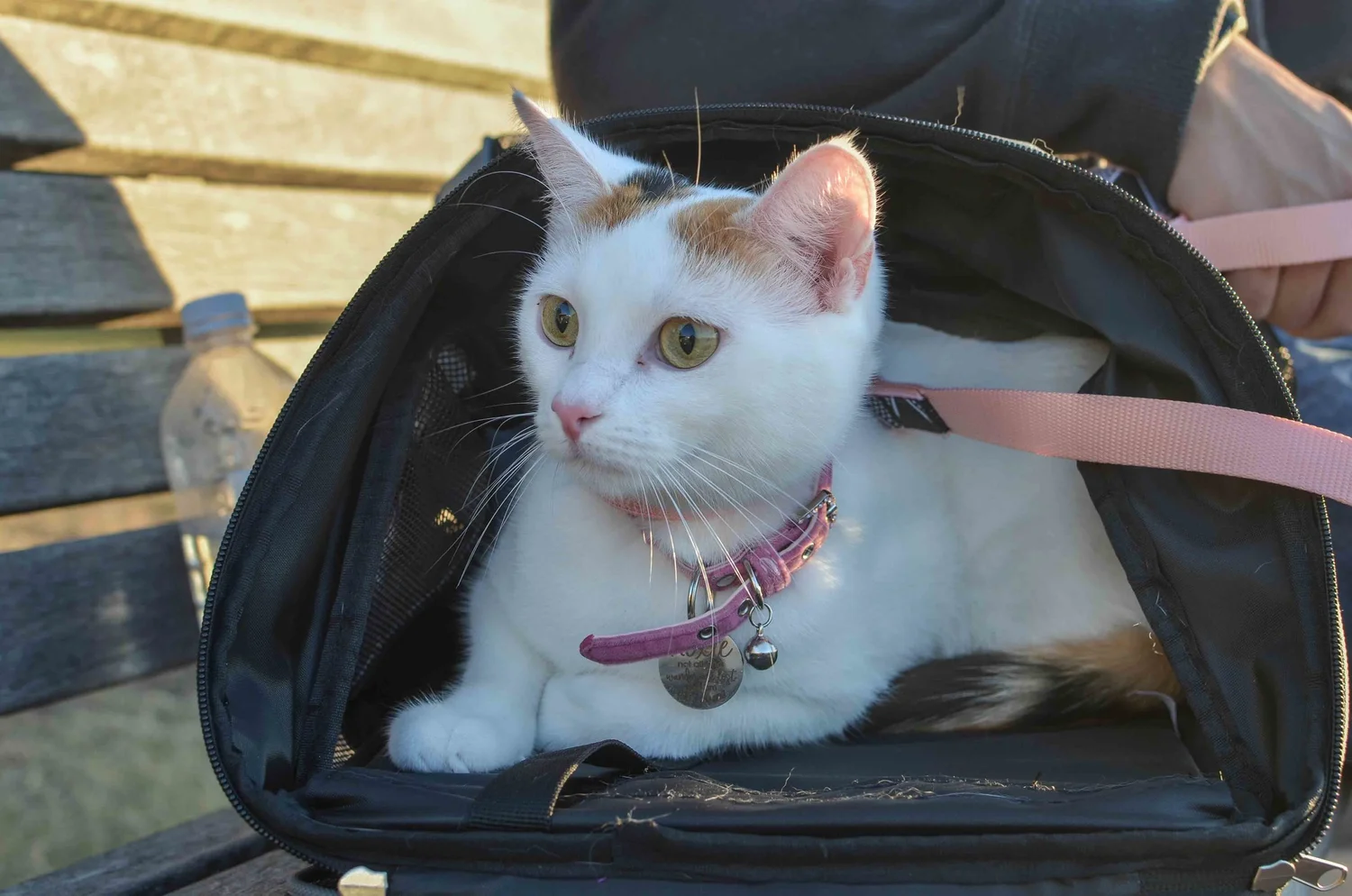
Credit: catexplorer.co
Choosing The Right Training Techniques
Training your cat requires patience and gentle techniques. Start with positive reinforcement using treats and praise. Gradually introduce simple commands to develop their understanding and cooperation.
Choosing the right training techniques for your cat can be rewarding. Training builds trust and strengthens your bond. Cats are intelligent and curious. They respond well to positive methods. Finding the right approach is essential for success.
Positive Reinforcement
Positive reinforcement motivates your cat. Reward good behavior with treats or praise. It's simple and effective. Cats associate actions with positive outcomes. This encourages them to repeat those actions. Patience is key. Consistency strengthens learning. Use treats, affection, or playtime. Keep sessions short and fun.
Clicker Training
Clicker training uses sound cues. A click signals correct behavior. Cats learn to associate clicks with rewards. It's precise and clear. The clicker marks the exact moment of success. Start by associating the click with a treat. Gradually introduce commands. Practice regularly for best results. It sharpens focus and understanding. Clicker training enhances communication with your cat.
Setting Up A Training Environment
Creating a training space for your cat involves using toys and treats. Ensure the area is quiet and free from distractions. Patience and consistency are key to helping your cat learn new tricks.
Setting up a training environment for your cat is crucial for success. Cats are sensitive creatures. They need a comfortable, distraction-free space to learn. The right environment helps them focus. It builds trust between you and your feline friend. Here's how to create a cat-friendly training space.
Creating A Safe Space
Your cat's safety is paramount. Choose a quiet room away from loud noises. Ensure there are no hazards like sharp objects or small items they might swallow. Provide a comfortable area, like a soft mat or blanket. This makes them feel secure. A familiar environment encourages them to participate in training sessions.
Minimizing Distractions
Distractions can hinder your cat's training progress. Close windows to block out outside noise. Turn off the TV or radio. Keep other pets out of the room during training. Limit people entering and leaving the space. Fewer distractions mean better focus. Your cat will respond more effectively to commands.

Credit: www.youtube.com
Teaching Basic Commands
Training a cat involves patience and positive reinforcement. Start with simple commands like "sit" using treats as rewards. Gradually introduce more commands, ensuring to praise your cat for correct responses.
Teaching your cat basic commands might seem like a daunting task, but with patience and consistency, it's totally achievable. Cats are naturally curious and intelligent creatures, which makes training them both fun and rewarding. Whether you’re looking to teach your feline friend to sit, stay, or come when called, these commands can enhance your bond and ensure their safety. Ready to embark on this exciting journey of cat training?
Sit And Stay
Training your cat to sit is a great starting point. Begin by choosing a quiet environment free of distractions. Hold a treat above your cat’s head, slowly moving it backward. As your cat follows the treat with their eyes, they will naturally sit. Reward them immediately once they do. Consistency is key—repeat this action several times a day. Once your cat masters sitting, you can introduce the 'stay' command. Gradually increase the time before offering the treat, encouraging your cat to stay seated. Have you ever tried this with your cat, only to see them bolt as soon as they hear a noise? Stay patient and reinforce the behavior with praise.
Come When Called
Cats can be notoriously independent, but teaching them to come when called is possible. Use their name or a specific word consistently to signal them. Start by calling your cat when they’re nearby and reward them with a treat when they approach. Gradually increase the distance from which you call them. Try using a distinct sound, like a click or whistle, to grab their attention. Consistency in using the same word or sound is crucial. Think about how helpful it would be for your cat to come to you at a moment's notice, especially in emergencies. Wouldn't it be comforting to know your cat responds to your call amid chaos?
Addressing Common Behavioral Issues
Cats are delightful companions, but they come with unique challenges. Addressing common behavioral issues is crucial for a harmonious home. Understanding your cat's needs helps build a stronger bond. Let's explore some common issues and how to tackle them effectively.
Scratching Furniture
Scratching is natural for cats, but it can damage furniture. Provide scratching posts to redirect this behavior. Place them near favorite scratching spots.
Encourage use by rubbing catnip on the posts. Regularly trim your cat's nails to minimize damage. Consistency and patience are key to changing this habit.
Litter Box Training
Litter box issues are frustrating for cat owners. Keep the box clean to encourage use. Choose a quiet, accessible location for the litter box.
Ensure it's the right size for your cat. Use unscented litter to avoid irritation. If problems persist, consult a vet to rule out medical issues.
Incorporating Play Into Training
Training your cat can be more effective with play. Use toys to engage their natural hunting instincts. Incorporating play keeps them active and makes learning fun.
Incorporating play into your cat's training is a fun strategy. It keeps your cat engaged and responsive. Cats learn best through play, making it a vital part of training. By using playful techniques, you create a positive environment for learning. This approach strengthens the bond with your furry friend.
Interactive Toys
Interactive toys are great for training. They stimulate your cat's mind and body. Toys like feather wands encourage natural hunting instincts. Laser pointers offer a dynamic and exciting chase. Puzzle feeders challenge your cat to think while playing. These toys make training sessions enjoyable for your cat. They also help in maintaining your cat's interest and focus.
Scheduled Playtime
Scheduled playtime helps create a routine. Consistency is key in training. Set aside specific times for play each day. This helps your cat know when to expect play. It also ensures that your cat gets enough exercise. Regular playtime reduces stress and boredom. It keeps your cat active and healthy, supporting overall training success.
Using Treats And Rewards Effectively
Training your cat with treats and rewards can motivate positive behavior. Offer treats immediately after desired actions to reinforce learning. Choose rewards your cat finds irresistible to keep training sessions effective and fun.
Using treats and rewards effectively can transform your cat's training. Positive reinforcement strengthens good behavior, making learning fun for your feline friend. Treats act as incentives, encouraging your cat to repeat desired actions. But there's more to it than just handing over a snack. It's about knowing what, when, and how much to give.
Choosing Healthy Treats
Select treats that are nutritious and low in calories. Overfeeding treats can lead to obesity. Opt for options with natural ingredients. Check the label for high protein and low fillers. Freeze-dried chicken or fish are great choices. They are tasty and healthy. Avoid treats with artificial colors or flavors.
Timing And Frequency
Timing is crucial in training. Reward your cat immediately after the desired action. This helps them connect the treat with the behavior. Keep training sessions short and frequent. Aim for a few minutes each session. Consistency is key. Give treats sparingly throughout the day. Too many can reduce their effectiveness.
Understanding Cat Body Language
Understanding cat body language helps you train your cat effectively. Notice their tail movements and ear positions. These signals indicate how they feel, aiding in a positive training experience.
Understanding your cat's body language is crucial for effective training. Cats communicate mainly through their body movements and posture. By learning to read these signals, you can better connect with your feline friend. This understanding helps you know their mood and intentions. You'll notice how they express comfort or stress through their body language.
Recognizing Stress Signals
Cats show stress in various ways. Their ears might flatten against their head. A twitching tail is another sign. They may crouch low to the ground. Sometimes, their pupils dilate. Watch for a stiff body posture. These signs mean your cat feels uneasy or threatened. Recognizing these signals helps you address their needs promptly.
Signs Of Contentment
A content cat is easy to spot. Their tail stands upright or gently curls. They may knead with their paws. Purring is a clear sign of happiness. A relaxed body posture indicates calmness. Their eyes may close or blink slowly. These signals mean your cat feels safe and happy. Encouraging these behaviors strengthens your bond.
Patience And Consistency In Training
Training a cat requires patience and consistency. Cats are independent creatures, and their learning process differs from dogs. Building a routine and maintaining it helps your cat grasp new skills. Consistent actions and rewards encourage positive behaviors and strengthen the bond between you and your feline friend.
Setting Realistic Expectations
Start with simple commands. Cats respond better to straightforward instructions. Expect gradual progress rather than quick results. Each cat learns at its own pace. Understanding your cat’s nature helps in setting achievable goals.
Tracking Progress
Monitor your cat’s learning journey. Keep a journal of improvements and challenges. Note down successful interactions and areas needing more focus. Celebrate small wins to boost motivation for both you and your cat. Regular assessments highlight what works and what needs adjustment.

Credit: www.happypet.care
Frequently Asked Questions
How Do You Teach A Cat No?
Teach a cat "no" by using consistent, firm voice commands. Redirect their behavior with toys or treats. Reward positive actions with praise or treats to reinforce learning. Avoid shouting or physical punishment, as it can cause stress or fear. Patience and consistency are key for effective training.
Is It Easy To Train A Cat?
Training a cat can be challenging but is possible with patience and consistency. Use positive reinforcement like treats and praise. Focus on simple commands and create a routine. Cats respond well to rewards rather than punishment. Always maintain a calm and encouraging environment for successful training sessions.
What Is The First Thing You Should Train Your Cat To Do?
Train your cat to use the litter box first. This ensures cleanliness and prevents accidents at home. Positive reinforcement encourages good behavior, helping your cat learn quickly. Make sure the box is easily accessible and clean. A well-trained cat leads to a harmonious living environment.
What Annoys A Cat The Most?
Cats dislike loud noises, sudden movements, and changes in routine. Unfamiliar scents and being petted too aggressively can also annoy them. They prefer quiet, consistent environments with respect for their personal space.
Conclusion
Training your cat takes patience and consistency. Cats learn best through positive reinforcement. Treats and praise work wonders. Keep sessions short and fun. Cats respond well to calm voices. Don't rush the process. Each cat learns at its own pace.
Enjoy the bonding time. Celebrate small victories. Always respect your cat's comfort zone. Training builds trust and understanding. A well-trained cat is happier and safer. Your efforts lead to a better relationship. Remember, it's a journey, not a race. Stay patient.
Your cat will reward you with companionship. Happy training!