
Have you ever stood in the pet food aisle, wondering if wet cat food is the right choice for your feline friend? You're not alone.
Many cat owners grapple with this question daily. As you strive to provide the best for your cat, understanding the benefits and drawbacks of wet cat food can be crucial. This article is your guide to uncovering whether wet cat food is good for your cat's health, happiness, and well-being.
Whether your kitty is a picky eater or a food enthusiast, we’ll help you make an informed decision. So, stay with us as we dive into the world of wet cat food, revealing insights that might surprise you and, ultimately, help you make the best choice for your beloved pet.
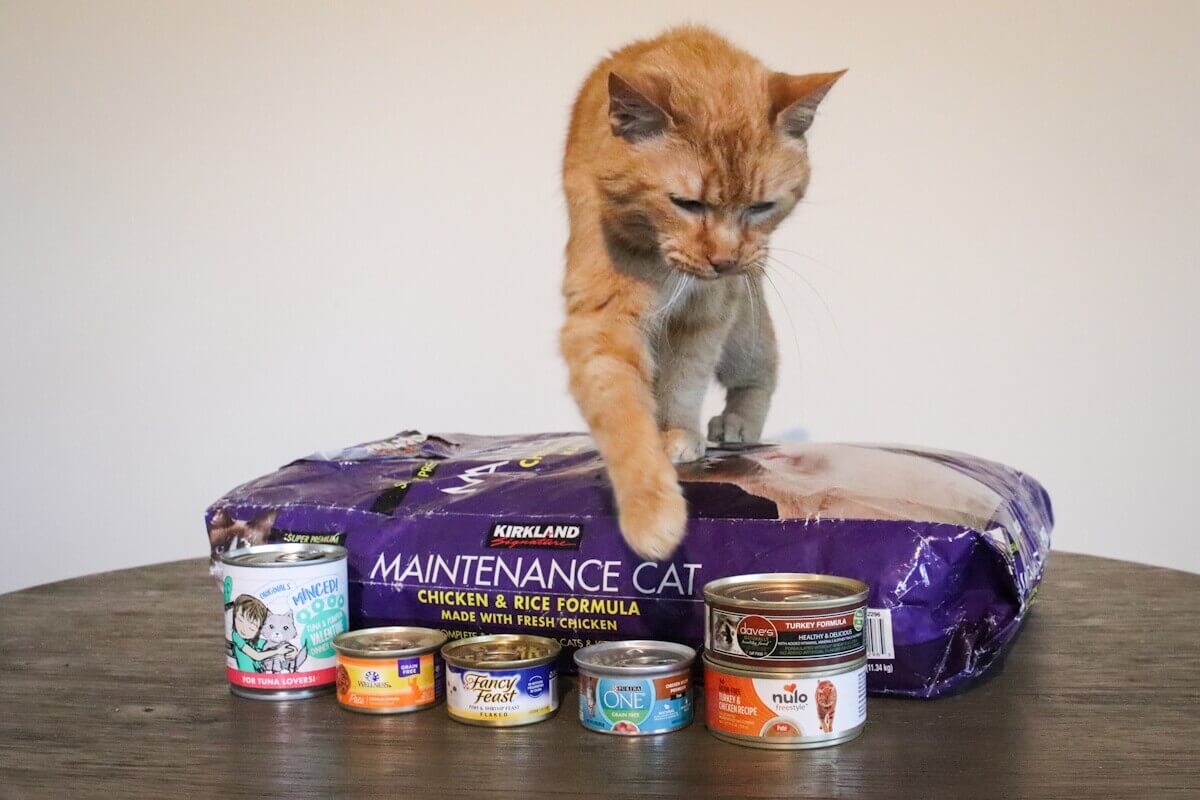
Credit: cats.com
Nutritional Benefits Of Wet Cat Food
Wet cat food offers several nutritional benefits for felines. It's specially formulated to support their health and well-being. Understanding these benefits can help cat owners make informed choices.
High Moisture Content
Wet cat food contains high moisture levels. This helps keep cats hydrated. Hydration is crucial for their kidney function and overall health. Cats often don't drink enough water. Wet food provides necessary fluids through their diet.
Protein-rich Formulation
Cats need protein to thrive. Wet cat food is rich in proteins. These proteins support muscle growth and repair. They also provide energy for active cats. Protein is vital for maintaining a healthy coat and skin. This formulation mirrors a cat's natural dietary needs.
Essential Vitamins And Minerals
Wet cat food contains essential vitamins and minerals. These nutrients support immune health. They aid in digestion and improve vision. Vitamins like A and E are vital. Minerals like zinc and iron play crucial roles. A balanced diet ensures a happy, healthy cat.

Credit: www.amazon.com
Health Advantages
Wet cat food offers a variety of health advantages that can greatly benefit your feline friend. While dry kibble is often convenient, wet food provides unique benefits that cater to your cat's specific health needs. Let's delve into some key areas where wet cat food excels.
Hydration Support
Did you know cats naturally have a low thirst drive? Wet cat food can help bridge the hydration gap. Its high moisture content mimics the water-rich prey cats would eat in the wild. This is especially beneficial for cats with urinary tract issues or kidney problems, where proper hydration is crucial. If your cat isn’t a fan of the water bowl, wet food might be the sneaky solution to ensure they're getting enough fluids daily.
Weight Management
Struggling with a chubby kitty? Wet cat food can assist with weight management. Many wet foods are lower in calories compared to dry kibble, making it easier for your cat to maintain or lose weight. The high protein content also helps cats feel fuller longer, reducing overeating. With portion control and the right wet food, your cat can hit their ideal weight without sacrificing taste.
Dental Health Considerations
While wet food is gentler on teeth, it doesn't provide the same dental benefits as kibble. If you're feeding your cat primarily wet food, consider adding dental treats or toys to their routine. These can help keep their teeth clean and gums healthy. Regular vet check-ups are also essential to monitor dental health. Finding the right balance between wet food and dental care will keep your cat's smile bright and healthy.
Comparing Wet And Dry Cat Food
Is Wet Cat Food Good for Cats Wet cat food offers moisture that helps with hydration, especially for cats that drink little water. It often contains real meat, providing essential nutrients and flavors cats love. Wet food can be beneficial for maintaining a healthy urinary tract.
Comparing wet and dry cat food can be a bit of a puzzle for cat owners. Both have their pros and cons, but which one aligns best with your feline's needs? Let's dive into the specifics of nutritional content, convenience, and cost to help you make an informed decision.
Nutritional Differences
When choosing between wet and dry cat food, the nutritional content is crucial. Wet cat food typically has a higher moisture content, which can be beneficial for your cat's hydration. This is especially important if your cat doesn't drink much water. On the other hand, dry cat food often contains more carbohydrates and less protein and fat. This might be ideal for cats that need a lower calorie intake. However, if your cat prefers a protein-rich diet, wet food might be more suitable.
Convenience Factors
Consider how each type of food fits into your lifestyle. Dry cat food is undeniably more convenient. It can be left out for extended periods without spoiling, making it perfect for grazers. Wet cat food, while messier, can be portioned easily for controlled feeding. It does require refrigeration after opening, which might be a hassle if you're constantly on the go. Which option aligns better with your routine?
Cost Analysis
The cost difference between wet and dry cat food is another factor to weigh. Dry food is generally more economical, both in terms of price per serving and shelf life. It can be a budget-friendly option for multi-cat households. Wet food tends to be pricier due to its packaging and shorter shelf life. If you choose wet food, consider buying in bulk or looking for discounts to manage costs. How much are you willing to invest in your cat's diet? Choosing between wet and dry cat food involves balancing nutrition, convenience, and cost. By understanding these differences, you can cater to your cat's needs while considering your own lifestyle and budget.
Choosing The Right Wet Cat Food
Choosing the right wet cat food can feel overwhelming with the endless options available. Each brand claims to be the best, but how do you know which one truly benefits your feline friend? Making an informed choice involves understanding ingredient labels, identifying quality brands, and tailoring to your cat's specific needs.
Reading Ingredient Labels
Ingredient labels are your window into the nutritional value of wet cat food. Look for real meat listed as the primary ingredient. This ensures your cat gets the protein it needs. Avoid fillers like corn or soy, which offer little nutritional benefit and can sometimes lead to allergies.
Don't be fooled by fancy terms. Words like "natural" can be misleading if the food contains artificial preservatives. Look for recognizable ingredients. If you struggle to pronounce them, it's likely your cat's stomach will too.
Identifying Quality Brands
Not all brands are created equal. Research and reviews can guide you to reputable options that prioritize feline health. Brands that invest in quality sourcing usually have robust safety standards and manufacturing practices.
Consider reaching out to your vet for recommendations. They often have insights into brands that balance nutrition and taste, ensuring your cat enjoys its meals while staying healthy.
Tailoring To Specific Needs
Every cat is unique. Some may require specific nutrients due to health conditions or age. Tailor your choices by considering factors like age, weight, and activity level. Kittens need growth-focused formulas, while older cats may benefit from foods that support joint health.
If your cat has a sensitive stomach, look for options with limited ingredients or those designed for digestive health. Remember, the goal is to enhance your cat's quality of life through its diet.
How do you ensure your cat is getting the best nutrition? Share your thoughts and experiences in the comments below!
Potential Drawbacks
While wet cat food is often praised for its high moisture content and palatability, it's important to consider some potential drawbacks. These can influence your decision on whether it's the right choice for your feline friend. Let's explore some of the challenges you might face with wet cat food.
Storage Challenges
Storing wet cat food can be a bit tricky. Once opened, it requires refrigeration to prevent spoilage. This can be inconvenient if you have limited fridge space or forget to seal the can properly. Have you ever found yourself rummaging through your fridge, only to discover a forgotten, dried-out can of cat food?
Short Shelf Life
Unlike dry kibble, wet cat food has a relatively short shelf life. Once opened, it should be consumed within a day or two to ensure freshness and safety. This means more frequent trips to the store, especially if your cat is a picky eater and doesn’t finish their meal promptly.
Possible Allergens
Cats, much like humans, can have food allergies. Wet cat food often contains various proteins and additives that might trigger allergic reactions. How well do you know your cat's dietary sensitivities? Identifying and avoiding potential allergens can be a challenge, requiring careful label reading and sometimes trial and error.
Expert Opinions
Understanding if wet cat food is good for cats involves hearing from experts. Veterinarians, cat nutritionists, and pet owners all provide valuable insights. Let's explore their opinions on this topic.
Veterinarian Recommendations
Veterinarians often suggest wet cat food for hydration. Cats naturally drink less water. Wet food can help prevent urinary tract issues. It offers a balanced diet with essential nutrients. Vets recommend it for cats with dental problems. Soft food is easier to chew.
Cat Nutritionist Insights
Cat nutritionists highlight the benefits of wet cat food. It usually has higher protein levels. This supports muscle health and energy. Wet food contains fewer carbohydrates. Cats need more protein and fat in their diet. Nutritionists advise checking the ingredient list. Ensure it includes high-quality proteins.
Pet Owner Experiences
Many pet owners notice improvements with wet food. Cats seem more satisfied after meals. They often have shinier coats. Owners report fewer digestive issues. Wet food is usually more palatable for picky eaters. Some cats prefer the taste and texture.
Tips For Feeding Wet Cat Food
Feeding wet cat food can be beneficial for your feline friend. It provides hydration and essential nutrients. But, feeding it correctly is key for health. Here are some useful tips to make the most of wet cat food.
Serving Suggestions
Serve wet cat food at room temperature. This enhances its aroma and flavor. Divide daily portions into two or three meals. This keeps the food fresh and prevents overeating. Use a clean dish for each meal. This reduces the risk of bacteria. Store unused portions in the refrigerator in an airtight container.
Transitioning From Dry To Wet
Switching from dry to wet food needs patience. Start by mixing a small amount of wet food with dry food. Gradually increase the wet food over a week. Observe your cat's response to the new texture and taste. Consistency is important for a successful transition.
Monitoring Cat's Health
Watch your cat’s weight and coat condition. A healthy cat maintains weight and a shiny coat. Keep an eye on their stool consistency. It should be firm, not too soft. Regular vet check-ups are crucial. They ensure your cat's diet meets its health needs.
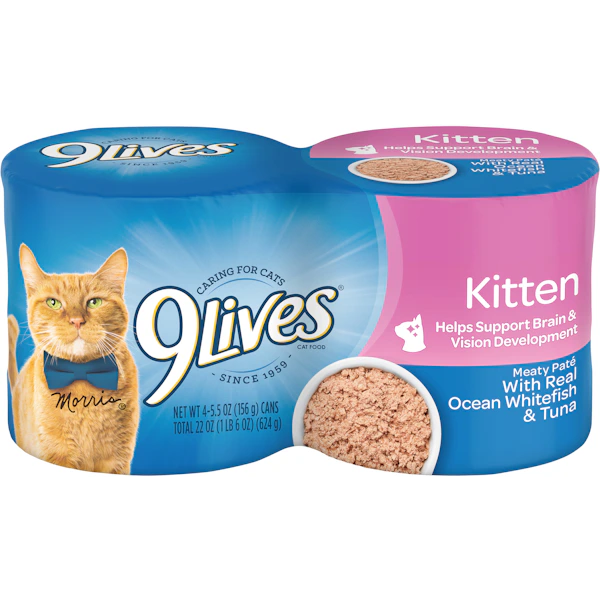
Credit: www.gianteagle.com
Frequently Asked Questions
Is It Okay To Give Cats Wet Food Every Day?
Yes, feeding cats wet food daily is fine. Wet food offers hydration and essential nutrients. Consult your vet for portion advice. Ensure a balanced diet to maintain optimal health. Wet food can help prevent urinary tract issues and promote healthy weight management for your cat.
Do Vets Recommend Wet Food For Cats?
Many vets recommend wet food for cats. It offers hydration and can be easier to digest. Wet food often contains high-quality proteins and fewer carbohydrates, supporting a cat's natural diet. Always consult your vet for personalized advice for your cat's dietary needs.
Is It Healthier For Cats To Eat Wet Food?
Wet food can be healthier for cats due to higher moisture content. It supports hydration and urinary health. Wet food also tends to have fewer carbohydrates, promoting better weight management. Always consult with a veterinarian to ensure balanced nutrition based on your cat's needs.
What Are The Disadvantages Of Wet Cat Food?
Wet cat food can spoil quickly if left out. It often costs more than dry food. Some cats might prefer dry food's texture. Wet food packaging can be less environmentally friendly. It may contribute to dental issues due to lack of chewing.
Conclusion
Wet cat food can be a great choice for your feline friend. It offers moisture and flavor cats love. A balanced diet is key for a happy cat. Wet food helps maintain hydration. Cats often prefer its texture over dry food.
Always check the label for quality ingredients. Consult your vet for dietary advice. Every cat is unique and may have different needs. Choose wisely for your cat's health. Remember, a well-fed cat is a happy cat. Consider your cat's taste and health when selecting food.
