
Are you puzzled about how often you should be serving wet food to your feline friend? As a cat owner, you want the best for your pet, ensuring they are happy and healthy.
Feeding your cat the right amount of wet food is crucial for their well-being, but finding the perfect balance can be tricky. This guide is here to help you unravel the mystery of feeding times and quantities. Imagine a world where your cat purrs contentedly after each meal, maintaining a healthy weight and vibrant energy.
This is within your reach. Keep reading to discover expert insights that will transform your cat’s dining experience and give you peace of mind.

Credit: www.tiktok.com
Benefits Of Wet Food For Cats
Wet food offers hydration and essential nutrients for cats. Feed your cat wet food twice a day for balanced nutrition. Regular feeding helps maintain their energy and overall health.
Wet food offers many benefits for your cat. It is not just a tasty treat. Wet food can improve your cat's health in several ways. It provides essential nutrients and hydration. This section explores the advantages of feeding your cat wet food.
Moisture Content For Hydration
Cats often do not drink enough water. Wet food contains high moisture levels. This helps keep your cat hydrated. Proper hydration supports kidney health and prevents urinary problems.
Better Weight Management
Wet food can aid in weight control. It is lower in carbohydrates than dry food. This can help prevent obesity in cats. Cats feel full with fewer calories, promoting healthy weight.
Increased Protein Intake
Cats are obligate carnivores. They need high protein from animal sources. Wet food is rich in meat-based proteins. This supports muscle health and energy levels.
Improved Digestibility
Wet food is easier to digest. It is softer and more palatable. This benefits cats with dental issues or sensitive stomachs. Easier digestion means better nutrient absorption.
Enhanced Flavor And Variety
Cats enjoy the taste of wet food. It comes in various flavors and textures. This variety keeps your cat interested in meals. A happy cat is a healthier cat.
Factors Influencing Feeding Frequency
Feeding your cat the right amount of wet food is crucial. Several factors influence how often you should serve it. Understanding these can help you keep your cat healthy and happy.
Age And Life Stage
Kittens need frequent meals as they grow rapidly. They require more energy and nutrients. Adult cats may eat less often. Senior cats might need adjustments based on health and activity.
Health Conditions
Cats with health issues might need special diets. Diabetes or kidney problems can change feeding needs. Consult a vet for tailored advice. Regular checks ensure your cat's diet supports their health.
Activity Level
Active cats burn more calories. They might need extra food for energy. Indoor cats may be less active. Adjust their meals to prevent weight gain. Monitor their activity to decide feeding frequency.
Weight Management
Maintaining a healthy weight is vital. Overweight cats need careful portion control. Underweight cats require more frequent meals. Balance is key for optimal health. Keep track of their weight regularly.
Recommended Feeding Schedules
Feeding your cat wet food twice a day is ideal for most adult cats. This routine ensures balanced nutrition and satisfies their natural eating habits. Adjust portions based on your cat's size and activity level.
Feeding your cat wet food might seem like a straightforward task, but getting the timing right is crucial for their health and happiness. Whether you have a playful kitten or a wise senior cat, understanding their unique dietary needs is key. By tailoring your feeding schedule to your cat's life stage, you can ensure they're getting the right amount of nutrients. Let's dive into the recommended feeding schedules for different age groups.
Kittens
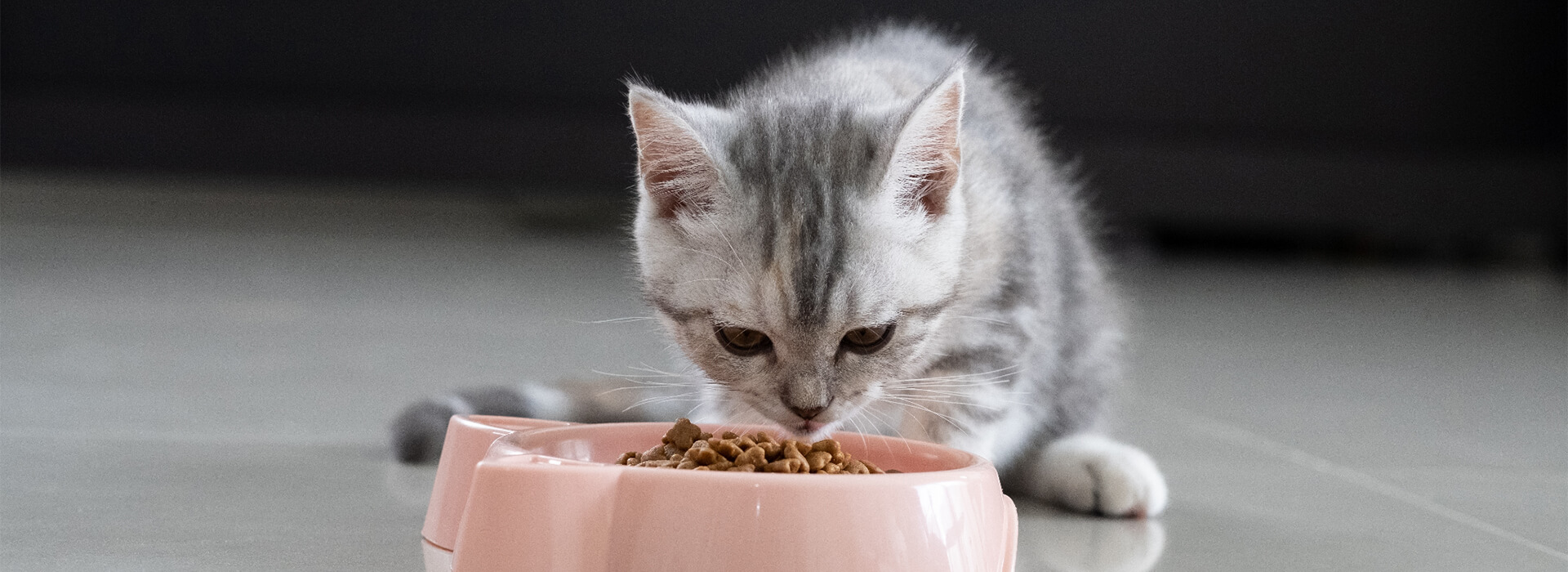
Kittens are like little bundles of energy, constantly growing and exploring their world. They need more frequent meals to support their rapid development. Aim to feed your kitten wet food three to four times a day. You might be wondering why so often. Their tiny stomachs can only hold so much, so more frequent meals help meet their nutritional needs without overloading them. Once your kitten reaches around six months, you can gradually shift to three times a day.
Adult Cats
For adult cats, a more stable feeding routine works best. Typically, two meals a day—morning and evening—are ideal. This schedule helps maintain their weight and energy levels. Consistency is key. Feeding at the same times each day helps your cat feel secure and reduces begging behaviors. If you notice your cat gaining weight, slightly reduce portion sizes rather than skipping meals.
Senior Cats
Senior cats often require a bit more attention to their diet. As they age, their metabolism slows, and they might face health issues that affect their appetite. It's usually best to stick to two meals a day, but monitor their weight and health closely. Consider adding a small third meal if they seem to lose interest in food or if health issues arise. Consult with your vet for personalized advice, especially if your cat has specific dietary restrictions. Remember, each cat is unique. Pay attention to their behavior and health to adjust feeding schedules as needed. Have you noticed any changes in your cat's eating habits? Share your experiences in the comments!
Credit: www.whiskas.co.uk
Signs Of Overfeeding Or Underfeeding
Cats need balanced feeding schedules. Wet food twice a day is often ideal. Signs like weight gain or loss indicate overfeeding or underfeeding. Adjust portions based on your cat's age, activity level, and health needs. Keep an eye on appetite changes to ensure proper nutrition.
Feeding your cat the right amount of wet food is crucial. It impacts their health and happiness. Overfeeding or underfeeding can lead to problems. Observing certain signs can help you adjust your cat’s diet.
Behavioral Changes
Cats show changes in behavior with diet issues. A hungry cat may become restless. They might meow more often. An overfed cat might seem lazy or uninterested in play. Pay attention to their activity levels. A cat not acting like themselves might need a diet check.
Weight Fluctuations
Watch your cat’s weight closely. Weight gain can mean too much food. Weight loss might indicate not enough food. Regularly weigh your cat to track changes. Sudden weight changes are a red flag. Adjust their food portions based on their weight trends.
Digestive Issues
Feeding issues can cause digestive problems. Look for signs like vomiting or diarrhea. Constipation can also be an issue. These are signs of an imbalanced diet. If these symptoms appear, consider adjusting their food amount. Consult a vet if problems persist.
Tips For Transitioning To Wet Food
Transitioning your cat to wet food can benefit their health. Wet food provides hydration and is often more palatable. But the switch needs care and patience. Here are some tips to make this change smooth and stress-free for both you and your feline friend.
Gradual Introduction
Introduce wet food gradually to your cat. Start by mixing a small amount with their regular food. Slowly increase the wet food portion over several days. This helps your cat adjust to the new taste and texture. A sudden change can upset their stomach.
Monitoring Reactions
Watch your cat's reaction to the new diet. Check for any signs of digestive issues. This includes vomiting or diarrhea. If you notice any problems, slow down the transition. Consult your vet if issues persist. It's essential to ensure your cat is comfortable with their food.
Combining With Dry Food
Mixing wet and dry food can balance nutrition. It also keeps your cat's diet varied. Offer wet food at specific times and dry food for grazing. This combination can enhance their appetite. Make sure to monitor the total daily intake to prevent overeating.
Credit: www.temptationstreats.com
Consulting A Veterinarian
Consulting a veterinarian helps determine the right amount of wet food for your cat's health. Cats often need one or two wet food meals daily, depending on their age, weight, and activity level. A vet can provide a tailored feeding plan.
Consulting a veterinarian is a crucial step in determining how often you should feed your cat wet food. Veterinarians offer expert advice tailored to your cat's specific needs, ensuring a balanced diet. Their guidance can prevent common dietary issues and promote overall health.
Tailoring To Individual Needs
Every cat is unique, with its own dietary requirements and preferences. Your veterinarian can help customize a feeding schedule based on your cat’s age, weight, and activity level. For instance, a playful kitten may need more frequent meals than a sedentary senior cat. A personalized feeding plan can also consider specific breed characteristics. Some breeds may have unique nutritional needs or predispositions to certain health issues. Consulting your vet ensures these factors are carefully evaluated.
Addressing Health Concerns
Health conditions can significantly affect how often you should feed your cat wet food. If your cat has kidney issues or diabetes, special dietary considerations are necessary. Veterinarians can recommend appropriate feeding frequencies and types of food that address these health concerns. Regular check-ups with your veterinarian can help monitor your cat's health and adjust its diet as needed. Are you noticing changes in your cat’s weight or energy levels? Discussing these observations with your vet can lead to timely dietary adjustments. Ultimately, your veterinarian is an invaluable resource in crafting a feeding plan that supports your cat’s long-term well-being. Have you consulted your vet about your cat’s diet recently? It might be time to schedule a visit and ensure your furry friend is getting the nutrition it needs.
Frequently Asked Questions
How Much Wet Food Should A Cat Eat A Day?
Cats typically need 3-4 ounces of wet food daily. Adjust based on age, weight, and activity level. Consult your vet for precise guidance. Wet food provides hydration and nutrients essential for your cat's health. Feed smaller meals throughout the day to keep your cat satisfied and maintain a healthy weight.
How Many Times Should I Wet Food For My Cat?
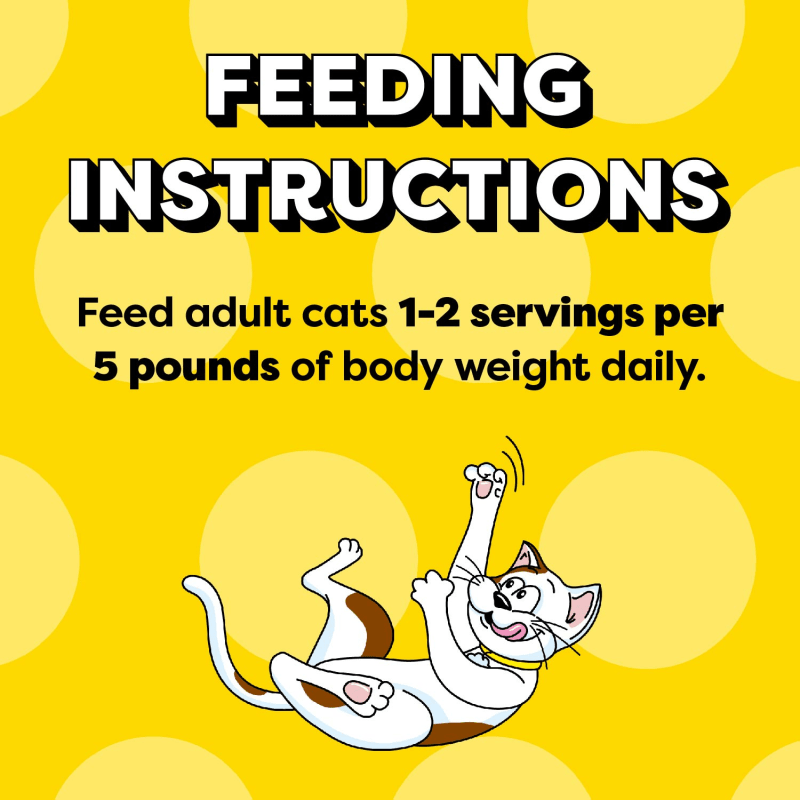
Feed wet food to your cat 1-2 times daily. Adjust based on age, health, and vet advice.
How Often Should I Feed My Cat Wet Food?
Feeding frequency depends on your cat's age and health. Adult cats typically need wet food twice a day. Kittens might require more frequent feedings. Consult your veterinarian to determine the best feeding schedule tailored to your cat's specific needs.
Is Wet Food Better For Cats Than Dry Food?
Wet food offers higher moisture content, helping cats stay hydrated. It can be more palatable and easier to digest. However, the best choice depends on your cat's dietary needs and preferences. Always ensure the food is balanced and complete for optimal health.
Conclusion
Feeding your cat wet food depends on their needs. Consider age and health. Young cats might need more frequent meals. Adult cats can have two servings daily. Keep in mind portion size matters. Always check with your vet for best advice.
Wet food can offer hydration benefits. It can also be a tasty treat for your cat. Balance is key in their diet. Regular feeding schedules help manage weight. Don't forget to watch for any changes in behavior. Happy and healthy cats make happy homes.
Always aim for what's best for your furry friend.