
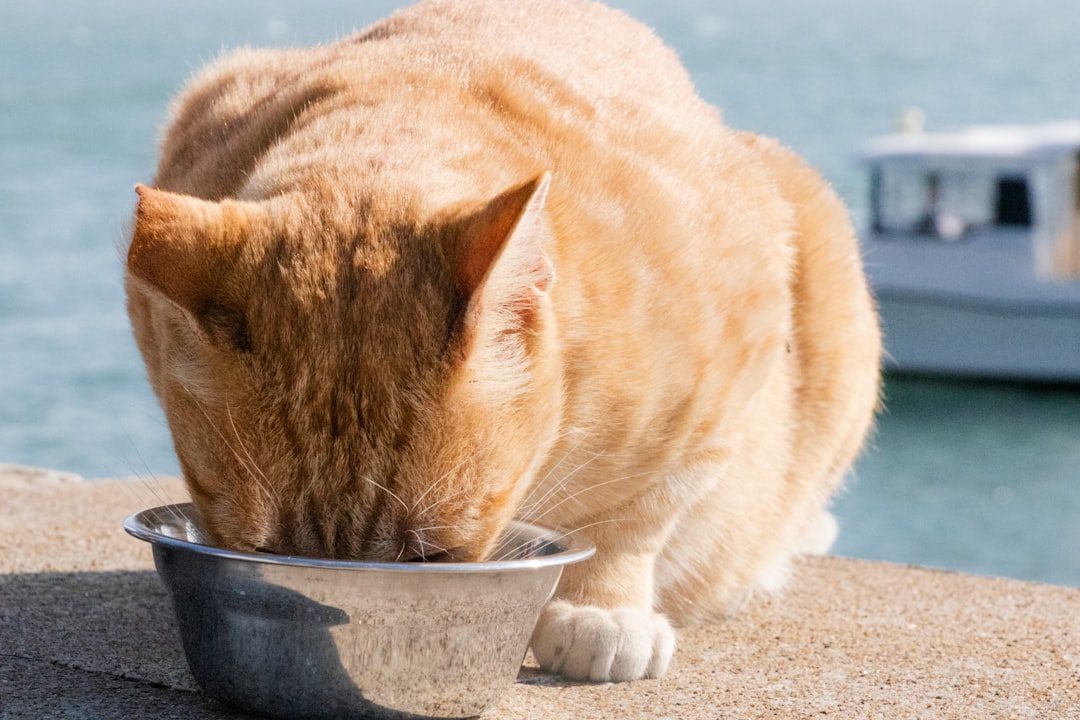
Are you standing in the pet food aisle, staring at the countless options and wondering what's best for your feline friend? Choosing between dry and wet food for your cat can feel overwhelming, especially with so many opinions out there.
Your cat's diet is crucial to their health, happiness, and longevity, and understanding the pros and cons of each option can make all the difference. Imagine seeing your cat vibrant and full of life, thanks to the right food choice.
By the end of this article, you'll have the insights you need to make an informed decision that aligns with your cat's unique needs. Let's dive into the world of feline nutrition, so you can give your furry companion the very best.

Credit: www.instagram.com
Nutritional Differences
Cats may benefit from wet food's higher moisture content, aiding hydration. Dry food offers convenience and dental benefits. Balancing both can meet nutritional needs effectively.
Cats, like humans, have individual dietary needs that can be met with either dry or wet food. Understanding the nutritional differences between these options helps you make an informed decision for your feline friend. Let's dive into the specifics, focusing on protein, carbohydrates, fillers, and moisture levels.
Protein Content
Cats are obligate carnivores, which means they require a diet high in protein to thrive. Wet food typically offers higher protein levels, often derived from real meat sources. This can be particularly beneficial for maintaining lean muscle mass in active cats. Dry food, on the other hand, may contain less protein. However, some high-quality brands are formulated to provide an adequate amount. Always check the label to ensure your cat's nutritional needs are being met.
Carbohydrates And Fillers
Dry food often contains more carbohydrates and fillers than wet food. These are used to bind the kibble together but can lead to weight gain if your cat is not very active. It's essential to monitor portion sizes and choose a brand with minimal fillers. Wet food generally has fewer carbohydrates, making it a better choice for cats needing weight management. The absence of fillers means more room for nutritious ingredients, supporting better overall health.
Moisture Levels
Cats naturally have a low thirst drive, so moisture intake through food is crucial. Wet food provides a significant amount of water, which can help prevent urinary tract issues and keep your cat hydrated. Dry food lacks this moisture content, making it vital to ensure your cat drinks enough water. Consider supplementing their diet with wet food or encouraging water consumption through fountains or flavored water. As you evaluate your cat's diet, think about their lifestyle and health needs. Are they active or more sedentary? Do they drink enough water on their own? By considering these questions, you can choose the best nutritional balance for your furry companion.
Dental Health Impacts
Choosing between dry or wet food affects cats' dental health. Dry food can help reduce plaque buildup, while wet food offers hydration benefits. Each option influences oral hygiene differently, requiring careful consideration for optimal feline dental care.
Cats' dental health is crucial for their overall well-being. Choosing between dry and wet food impacts their teeth. Let's explore how each option affects dental health.
Plaque And Tartar Prevention
Dry food may help reduce plaque and tartar. The crunchy texture can scrape against teeth. This action might prevent buildup. Wet food lacks this abrasive quality. It can stick to teeth, increasing plaque risk. Regular brushing is important for cats eating wet food. It helps control plaque.
Chewing Benefits
Chewing dry food strengthens jaw muscles. It encourages cats to use their teeth more. This practice can enhance dental health. Wet food requires less chewing effort. Cats might not engage their teeth as much. Dry food can support dental exercise. Providing a mix of both foods may be beneficial. It offers variety and chewing benefits.
Hydration Considerations
Cats need proper hydration for health. Wet food provides moisture, aiding hydration. Dry food lacks water content, potentially leading to dehydration.
Hydration plays a vital role in your cat's health. Choosing between dry or wet food impacts hydration. Cats often don't drink enough water. Their diet can help them stay hydrated. Let's dive into important hydration factors.
Water Consumption
Cats in the wild get moisture from prey. Domestic cats may not drink enough on their own. Wet food contains more water, aiding hydration. Dry food lacks moisture. Cats eating only dry food should drink more water. Ensure water is always available. Consider water fountains to encourage drinking.
Kidney Health
Proper hydration supports kidney function. Kidneys filter waste from the blood. Dehydration strains the kidneys. Wet food boosts hydration, reducing kidney stress. Dry food requires more water intake. Cats with kidney issues benefit from wet food. Consult your vet for the best diet choice.
Convenience And Storage
When deciding between dry food or wet food for your cat, convenience and storage are crucial factors that can simplify your life. While both options have their pros and cons, understanding how they fit into your daily routine can make the choice easier. Have you ever wondered how long each type of food lasts and how easy it is to serve? Let's dive into the specifics.
Shelf Life
Dry cat food is known for its impressive shelf life. You can store it for months without worrying about spoilage, making it a practical choice for busy cat owners. Imagine having a hectic schedule and not having to rush to the store to replenish your cat's food every week. On the other hand, wet food typically requires refrigeration once opened and must be consumed within a few days. This might be less convenient if you prefer bulk buying.
Serving Ease
Serving dry food is generally straightforward. You can simply scoop the desired amount into your cat's bowl, and you're done. This simplicity is ideal for those who want a fuss-free feeding routine. Wet food, however, often involves opening cans or pouches, which can be a bit messier. Plus, if your cat doesn't finish it all, you'll need to cover and store it properly. Does the extra effort fit into your lifestyle? Consider how much time you're willing to dedicate to your pet's meal prep.
Cost Implications
Feeding your cat involves more than just choosing between dry or wet food; it's about balancing nutrition with cost. Understanding the cost implications can help you make an informed decision that suits both your pet's health and your budget. Let's dive into the specifics of how dry and wet cat food differ in terms of expenses.
Price Comparisons
In general, dry cat food tends to be more budget-friendly than wet food. A large bag of dry kibble can last several weeks or even months, providing a cost-effective solution for feeding your feline friend. Wet food, often packaged in smaller portions like cans or pouches, usually costs more for the same nutritional value.
For example, a 15-pound bag of dry food might cost around $20 to $30, feeding your cat for a month or more. In contrast, a similar monthly supply of wet food can easily double that cost, especially if your cat prefers premium brands. Does your budget allow for this recurring expense?
Long-term Expenses
While dry food might seem cheaper initially, consider the potential long-term health costs. Cats on an exclusive dry food diet may face health issues like obesity or urinary tract problems, leading to expensive vet visits. Wet food, with its higher moisture content, can aid in maintaining a healthy urinary system.
Think about the financial impact of potential health issues. Investing in a mixed diet now could save you money on medical bills later. Have you factored in these long-term costs when planning your cat’s diet?
Ultimately, the choice between dry and wet food should balance your cat's preferences with your financial situation. By understanding the cost implications, you can make a decision that benefits both your budget and your cat's health.
Veterinarian Recommendations
Choosing between dry and wet food for your cat can be tough. Veterinarians often provide guidance on this decision. They base their advice on several factors, ensuring your cat's health and happiness.
Dietary Balance
Veterinarians stress the importance of a balanced diet for cats. Dry food can offer dental benefits by reducing plaque. It also tends to be more affordable and easier to store. Wet food, on the other hand, provides hydration. This can be crucial for cats who don't drink enough water. Both food types have their pros and cons. A mix might be ideal, ensuring a range of nutrients.
Special Health Needs
Cats with special health conditions may need specific diets. Veterinarians often recommend wet food for cats with urinary issues. This is because it adds moisture to their diet. For overweight cats, dry food might be better. It allows for easy portion control. Cats with dental problems might benefit from softer wet food. Always consult with your vet about your cat's unique needs.
Cat Preferences
Cats are known for their discerning tastes and quirky habits. When it comes to feeding your feline friend, understanding their preferences can make mealtime more enjoyable for both of you. While some cats relish the crunch of dry kibble, others may favor the savory aroma and texture of wet food. But what drives these preferences?
Taste And Texture
Ever noticed how your cat licks their lips after a bite of wet food? The rich flavors often found in wet food can be irresistible. Many wet foods are designed to mimic the natural diet of cats, offering a variety of meats and juices that appeal to their carnivorous instincts.
On the other hand, the crunchy texture of dry food can be satisfying for some cats. It provides a different sensory experience that some cats enjoy, akin to snacking on a favorite treat. You might find that your cat prefers the sound and feel of kibble crunching in their mouth.
Feeding Habits
Think about your cat's daily routine. Do they graze throughout the day or devour their meals in one go? Dry food can be left out for longer periods without spoiling, making it a convenient option for cats that prefer to nibble whenever they please.
Wet food, on the other hand, often requires scheduled feedings. This can help establish a routine and prevent overeating. However, it might not suit a cat that likes to eat on their own time. Consider your cat's lifestyle and how it aligns with your own schedule when choosing between dry and wet food.
What does your cat prefer? Observing their reactions to different foods can provide insights into their taste and habits. Understanding these preferences allows you to make informed decisions that cater to your cat’s unique needs.

Credit: www.instagram.com
Environmental Impact
Choosing between dry and wet cat food affects the environment differently. Dry food has a smaller carbon footprint due to less packaging and energy use. Wet food, however, often involves more packaging and resources, impacting the environment more heavily.
When deciding between dry and wet cat food, the environmental impact is a significant factor. It's not just about what’s in the bowl but also the broader effects on our planet. Let's explore how packaging waste and sustainability play a role in this decision.
Packaging Waste
Dry food often comes in large bags made from composite materials that are difficult to recycle. These bags can end up in landfills, contributing to the growing waste problem. On the other hand, wet food is typically packaged in cans or pouches, which can be recycled more easily, though not all recycling centers accept every type of material. Consider your local recycling capabilities before making a choice. If your area supports recycling for cans and pouches, wet food might be the greener option. However, if you find yourself constantly discarding non-recyclable packaging, it might be time to rethink your cat’s diet.
Sustainability
The production process for dry and wet food also differs in terms of sustainability. Dry food typically requires more energy to produce due to the cooking and drying processes. This can lead to a higher carbon footprint compared to wet food. However, wet food requires more resources for packaging and transportation, as it's heavier and bulkier. This can offset some of the sustainability benefits. Consider the entire lifecycle of the product, from production to consumption, when choosing for your cat. Have you ever thought about the energy footprint of your cat's meals? By being mindful of these aspects, you can contribute to a more sustainable future. Your choices today can make a difference tomorrow, not just for your cat, but for the planet too.

Credit: www.facebook.com
Frequently Asked Questions
What Is The Healthiest Food To Feed A Cat?
Wet food is often the healthiest choice for cats. It provides hydration and mimics natural prey. Look for high-quality brands with real meat and essential nutrients. Ensure it is grain-free and low in carbohydrates. Consult your vet for specific dietary needs.
Always maintain fresh water availability.
Is It Okay To Feed My Cat Only Dry Food?
Feeding your cat only dry food is generally acceptable. Ensure it receives adequate water to stay hydrated. Dry food can promote dental health but might lack moisture. Consult your vet for a balanced diet recommendation. Always choose high-quality dry cat food for optimal nutrition.
Should I Give My Cat Wet Food Every Day?
Cats benefit from daily wet food. It provides hydration and essential nutrients. Consult your vet for specific dietary needs. Wet food aids digestion and supports urinary health. Balance it with dry food for dental health. Choose high-quality brands for optimal nutrition.
Why Do Vets Recommend Wet Food For Cats?
Vets recommend wet food for cats due to its high moisture content, aiding hydration and urinary health. It often contains fewer carbohydrates, supporting weight management. Wet food can be more palatable, ensuring better nutrition intake. Enhanced protein levels help maintain muscle mass and overall health.
Conclusion
Deciding between dry or wet food for cats needs thought. Each option has benefits. Dry food is convenient and good for teeth. Wet food offers hydration and flavor. Cats have different needs. Age, health, and lifestyle matter. Consult a vet for advice.
Balance is key. Combine both types for variety. Observe your cat's preference. Their health is the priority. Choose wisely for a happy, healthy pet. Remember, nutrition shapes their life. Make informed decisions. Keep them active and satisfied. Your cat deserves the best care.