
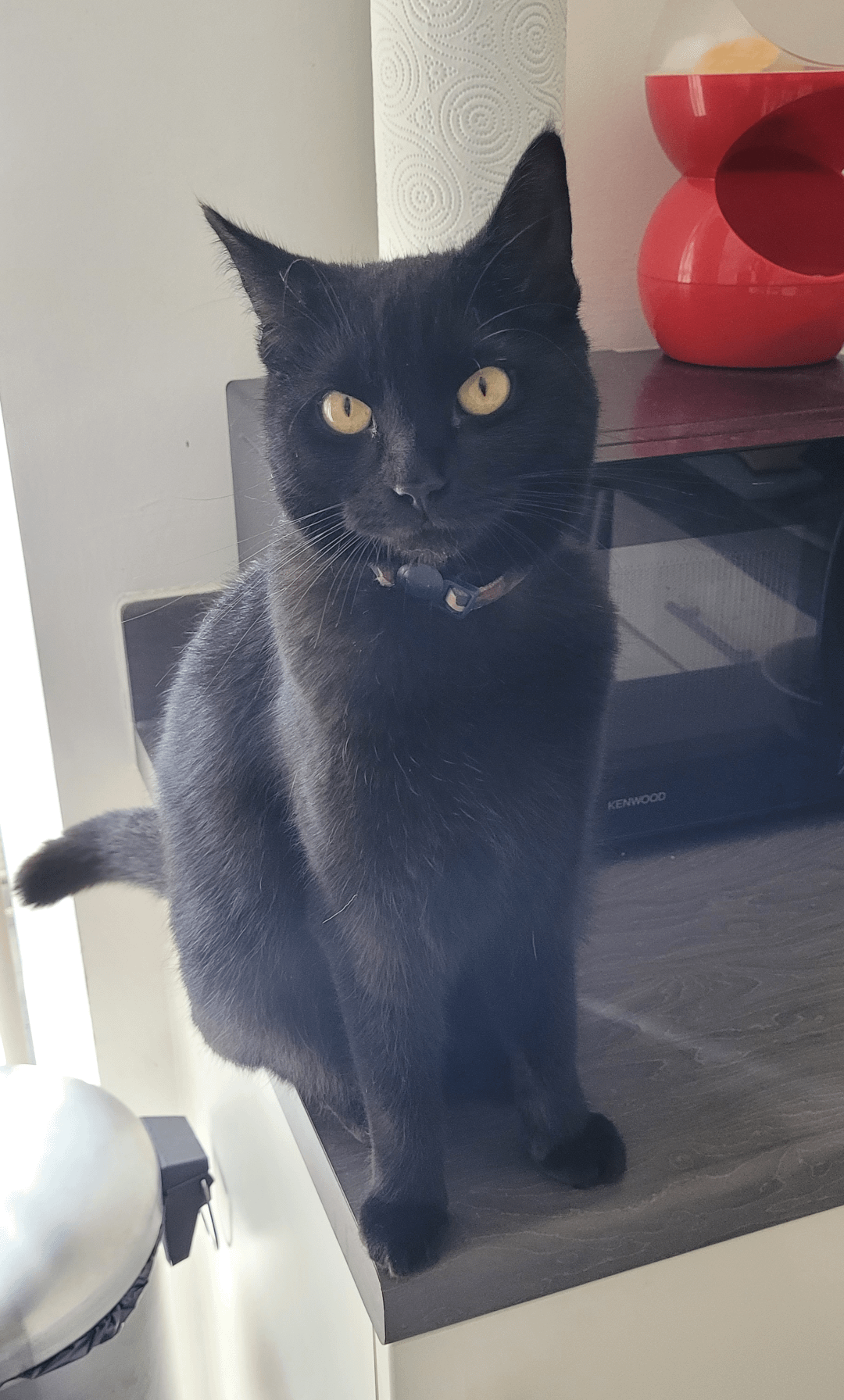
Have you ever watched your cat try to bury her wet food, and wondered what's going on in that furry little head? You're not alone.
This quirky behavior can leave many cat owners puzzled, questioning why their feline friend engages in such unusual antics. Understanding your cat's instincts and habits can unlock the mysteries behind her actions. Cats are mysterious creatures, and every gesture they make can hold a deeper meaning.
By diving into the reasons why your cat might be trying to bury her wet food, you can gain insights into her mind and strengthen your bond. Stay with us as we unravel this curious behavior, revealing secrets that could transform your approach to cat care. Your curiosity is about to be rewarded with fascinating insights into your beloved pet's world.

Credit: www.reddit.com
Instinctive Behaviors
Cats often engage in behaviors that puzzle their owners. One such behavior is trying to bury their wet food. This action might seem strange, but it's rooted in instinctive behaviors. Understanding these instincts can shed light on why your feline friend acts this way.
Wild Ancestry Influence
Cats have a rich history linked to their wild ancestors. Wild cats used to hunt for their meals. After eating, they buried leftovers to hide them from predators. This action ensured their safety and preserved their food for later. Even domesticated cats retain some of these wild instincts. The act of burying food is a nod to their ancestral habits.
Survival Tactics
Survival is a core instinct for cats. In the wild, hiding food protected it from scavengers. This behavior is not about waste. It’s about preserving resources. Domesticated cats don't face the same threats, but their instincts persist. This is why a cat might try to bury uneaten wet food. It's a survival tactic passed down through generations.
Scent And Smell
Cats often try to bury their wet food due to their natural instincts. This behavior mimics wild habits of hiding food to protect it from predators. It can also be a sign that your cat is full and wants to save the food for later.
Cats have an acute sense of smell. They perceive scents more intensely than humans. This heightened ability influences their behavior, including how they interact with food. Wet food has a stronger smell compared to dry kibble. This can trigger different instincts in your feline friend. Understanding these instincts can help explain why your cat might try to bury her wet food.
Odor Concealment
Cats bury food to hide its smell. This is a survival instinct from their wild ancestors. In the wild, concealing food odors prevents attracting predators. It also helps in avoiding competition from other animals. Even if your cat is safe indoors, these instincts remain strong. Wet food has a potent aroma, prompting this behavior. Burying it helps mask the smell. This is why you might see your cat pawing the floor after mealtime.
Territorial Marking
Cats use scent to mark territory. Wet food has a rich scent that might be perceived as a foreign presence. Your cat might try to bury it to reclaim her space. This act signals ownership and control. It's a way for cats to assert their territory. Covering the food with imaginary dirt is a form of marking. Cats want their living area to smell like them. They prefer familiar scents over new ones. This behavior showcases the importance of scent in a cat's life.
Food Preferences
Understanding your cat's food preferences can be both fascinating and puzzling. If you've ever noticed your feline friend trying to bury her wet food, you might wonder why. Cats have unique tastes, and their food choices can reveal a lot about their personalities and instincts. Some cats might simply dislike wet food, while others show a clear preference for dry kibble. Let's explore these preferences further.
Dislike For Wet Food
Some cats might find the texture or smell of wet food off-putting. If your cat sniffs at her meal and walks away, she could be expressing her distaste. Cats are known for their discerning taste buds, and any change in the food's aroma or texture might not go unnoticed.
Have you ever tried switching to a different brand or flavor only to see your cat turn up her nose? This could be a sign that she simply doesn't like wet food. Observing her reactions can give you clues about her preferences.
Preference For Dry Food
On the flip side, some cats might show a strong preference for dry food. The crunchiness of kibble can be quite appealing. It might also be that dry food is what they are accustomed to, making it their comfort food.
If you notice your cat gravitating towards dry food more often, it might be worth considering if it's meeting her nutritional needs. Are you offering a balanced diet, or does she just love the texture and crunch? Offering a variety might help you determine her preferences.
Have you ever considered mixing wet and dry food to see if your cat's behavior changes? This simple experiment could provide insights into her tastes and ensure she gets a balanced diet. Remember, understanding your cat's food preferences is key to ensuring she eats well and stays healthy.

Credit: thecatisinthebox.com
Environmental Factors
Have you ever watched your cat trying to bury her wet food and wondered why she does it? It's not just a quirky behavior. Environmental factors often play a significant role in this puzzling act. Understanding these aspects can help you create a more comfortable and stress-free feeding environment for your feline friend. Let's explore some key environmental factors that might be influencing your cat's behavior.
Feeding Area Setup
Consider where you place your cat's food dish. Is it in a busy part of your home? Cats are sensitive to their surroundings and prefer a quiet, secure spot for eating. If your cat's feeding area is near a noisy appliance or a high-traffic hallway, she might feel the need to "hide" her food to eat in peace later.
Think about your own dining preferences. Would you enjoy eating in a bustling spot or a quiet corner? Your cat is no different. Try rearranging the feeding area to a calm, less frequented location. This simple change might just stop her from trying to bury her meals.
Presence Of Other Pets
Do you have multiple pets in your home? Cats are territorial creatures, and the presence of other animals can make them feel threatened. If she shares her feeding space with another pet, your cat might attempt to bury her wet food to protect it from potential "thieves."
Observe how your pets interact during meal times. Is there competition or conflict? If so, consider feeding them separately. This not only reduces stress but also allows each pet to enjoy their meal without the fear of it being taken away.
By addressing these environmental factors, you can help your cat feel more secure and relaxed during meal times. Remember, a comfortable feeding environment is key to a happy, healthy pet.
Health And Well-being
Understanding your cat's behavior can be pivotal in ensuring her health and happiness. When your feline friend attempts to bury her wet food, it might be more than just quirky behavior. It can signal underlying health issues that might need your attention. Observing these behaviors and addressing them can lead to a happier and healthier cat.
Dental Issues
Dental problems are surprisingly common among cats. If your cat is trying to bury her wet food, it might be a sign of discomfort in her mouth. Wet food, while softer than dry kibble, can still be difficult to manage for a cat with dental pain. A sudden dislike for wet food might indicate it's time for a dental check-up.
Have you ever noticed your cat drooling more than usual or pawing at her mouth? These could be signs that her teeth are bothering her. Regular dental care, including brushing your cat’s teeth, can prevent many issues. Consider consulting your vet to assess her dental health and ensure she can enjoy her meals without discomfort.
Digestive Concerns
Food burying can also be linked to digestive troubles. Cats might shy away from certain foods if they associate them with stomach discomfort. Pay attention to any vomiting, diarrhea, or noticeable changes in your cat’s litter box habits. These might offer clues to digestive problems.
Try switching to a different brand or type of wet food that might be gentler on your cat’s stomach. Some cats benefit from easily digestible, high-fiber diets. You might find that a simple change in diet can make her mealtimes more enjoyable and eliminate her urge to bury her food.
Have you ever considered how your cat's eating environment affects her? Stress and anxiety can also lead to digestive issues, so creating a calm feeding space might make a significant difference.
As a cat owner, your observations are crucial. What does your cat's behavior tell you about her health? Taking action based on these signs can improve her well-being and strengthen your bond.
Behavioral Solutions
Cats often try to bury their wet food due to their natural instincts. This behavior mimics hiding prey to eat later. Understanding this can help you address your cat's needs better.
Cats are fascinating creatures with quirky habits that often leave us scratching our heads. If you've ever watched your cat trying to bury her wet food, you might wonder what's behind this behavior. Fortunately, there are behavioral solutions that can help improve your cat's mealtime experience and adjust her feeding routine. Let's dive into some practical tips to make feeding time more enjoyable for both you and your feline friend.
Improving Meal Experience
Creating a comfortable and stress-free environment can significantly enhance your cat's meal experience. Consider where you place the food bowl. Is it in a quiet corner, away from household traffic? Cats often prefer a peaceful setting to enjoy their meal. Try experimenting with different types of food bowls. Some cats might dislike metal bowls due to the noise they make, while others might prefer wider bowls that don’t press against their whiskers. Observe your cat’s behavior during mealtime. Does she seem rushed or anxious? Providing ample time and space can encourage her to eat without the urge to bury her food.
Adjusting Feeding Routine
Routine is key to a cat’s sense of security. Evaluate your feeding schedule and ensure it's consistent. Cats thrive on regularity, so try to feed her at the same times each day. Consider dividing her meals into smaller portions. This can reduce the impulse to bury leftover food and ensure she finishes everything on her plate. Engage her with interactive feeding toys or puzzles. These can make mealtime fun and stimulate her mentally, reducing the likelihood of burying behavior. Ask yourself: Is your cat getting enough attention and play outside of mealtime? Sometimes, a little extra engagement and play can alleviate underlying stress, making her less likely to exhibit burying behavior. These simple adjustments can transform mealtime from a puzzling ordeal into a pleasant routine for you both. How does your cat respond to these changes?

Credit: www.reddit.com
Frequently Asked Questions
Why Is My Cat Trying To Bury Her Food?
Cats may bury their food to hide it from predators. This instinct also comes from their wild ancestors. It can also indicate they aren't hungry or dislike the food. Providing a suitable feeding environment can reduce this behavior.
Why Is My Cat Scratching The Floor Near Her Food?
Cats scratch the floor near their food to mimic burying leftovers. This behavior stems from their instinct to hide food from predators. It’s a natural habit and not a cause for concern. Providing a scratching post can help redirect this behavior.
Why Does My Cat Bury Her Food?
Cats bury food to mimic wild instincts. In nature, they hide leftovers to protect from predators. It's a survival strategy, not dislike.
Is Burying Food Normal For Cats?
Yes, it's normal behavior. Cats have strong instincts from ancestors. Burying helps them feel secure and control their environment.
Conclusion
Cats have quirky behaviors. Burying food might seem odd, but it's normal. It’s rooted in instincts. Cats bury food to hide it from predators. Or to save it for later. Smells can attract unwanted attention. So, covering it helps. It’s a protective measure.
Sometimes, it’s just about cleanliness. They want a tidy eating space. If your cat does this, it’s okay. Observe if they seem stressed. Adjust serving methods if needed. Understanding their instincts is key. It helps you bond better. Cats are unique.
Appreciate their little quirks. They make life interesting.