
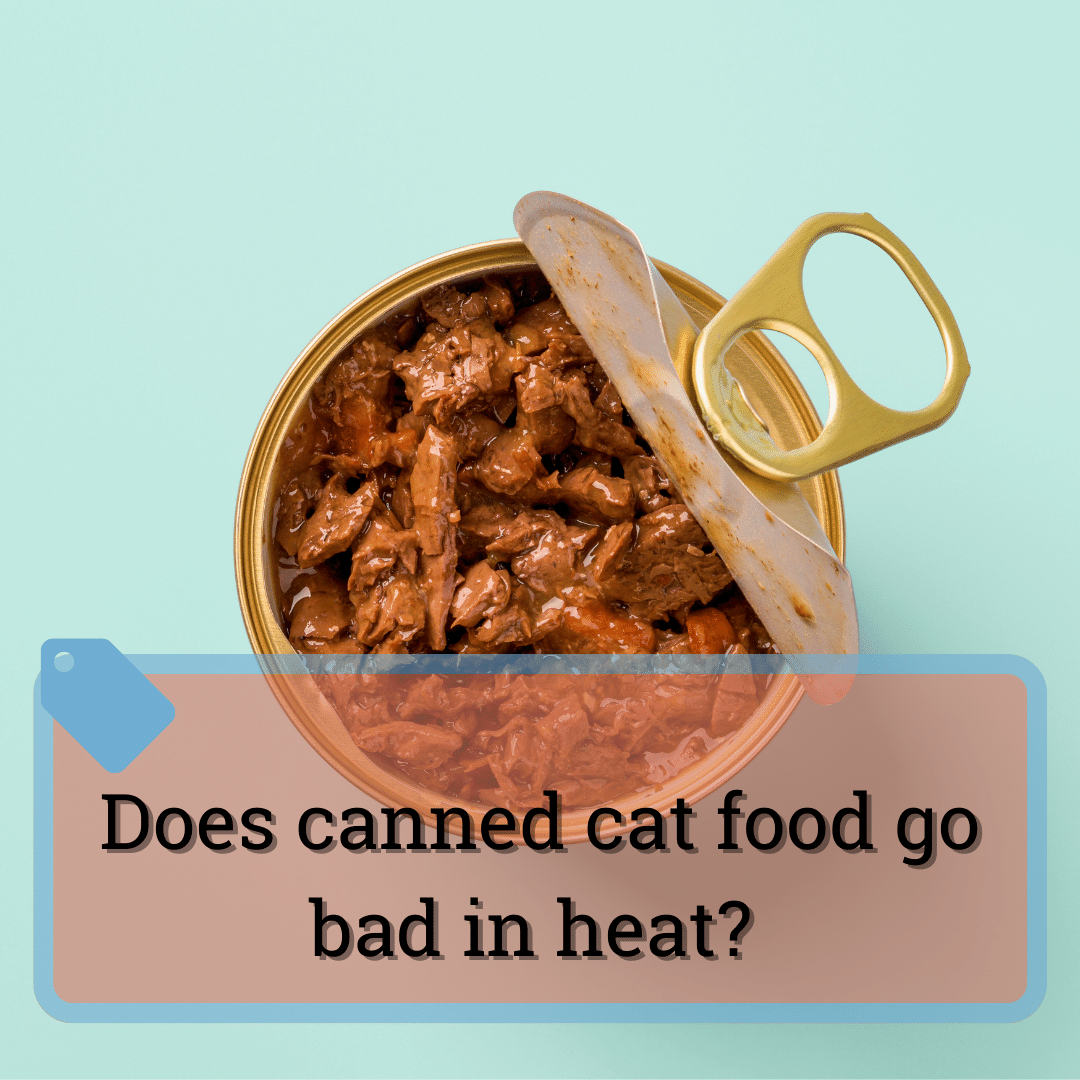
Have you ever found yourself wondering, "Does wet cat food go bad?" You're not alone.
As a dedicated cat owner, you want nothing but the best for your feline friend. Yet, juggling busy schedules might sometimes make you forget about that open can of cat food sitting in your kitchen. You might even question if it's still safe for your cat to eat.
You care deeply about your pet's health, and understanding how quickly wet cat food can spoil is crucial. We're diving into the facts about wet cat food shelf life, giving you peace of mind and ensuring your cat stays healthy and happy. Stick around to learn how you can avoid common mistakes and keep your furry companion well-fed and safe.

Credit: www.wikihow.com
Shelf Life Of Wet Cat Food
Wet cat food can spoil quickly if not stored properly. Once opened, it should be refrigerated and consumed within 2-3 days. Unopened cans last longer, but always check the expiration date to ensure freshness.
Understanding the shelf life of wet cat food is crucial for keeping your feline friend healthy. Wet cat food, unlike its dry counterpart, has a shorter shelf life. This means it can go bad quickly if not stored properly. Have you ever wondered how long that can of wet cat food really lasts? You might be surprised to learn that even unopened, it doesn’t last indefinitely.
Understanding Expiry Dates
Check the packaging for expiration dates. These dates are not just a suggestion; they indicate the period the food maintains its nutritional value. Feeding expired food can lead to health issues for your cat.
Storage Conditions
Proper storage is key. Once opened, wet cat food should be refrigerated and used within 5-7 days. If left out at room temperature, it should be consumed within two hours to avoid spoilage.
Signs Of Spoiled Wet Cat Food
Be observant. Look for changes in texture or smell. A sour or off odor is a clear sign the food has gone bad and should not be given to your cat.
Practical Tips For Maximizing Freshness
Consider portion sizes that your cat will eat in one sitting. This avoids waste and keeps food fresh. Use airtight containers to store any leftovers in the refrigerator. How do you ensure your cat's food stays fresh and nutritious? Taking these steps can help you manage your cat’s diet efficiently, ensuring both safety and satisfaction.

Credit: www.wikihow.com
Signs Of Spoiled Cat Food
As a cat owner, you want to ensure your feline friend is getting the best nutrition. However, wet cat food can spoil, posing a risk to your pet's health. Knowing the signs of spoiled cat food can prevent your cat from consuming something harmful. Have you ever wondered what to look for when checking if your cat's meal is still fresh?
Unpleasant Odor
One of the most noticeable signs of spoiled cat food is a strong, unpleasant odor. Fresh wet cat food typically has a mild smell. If you open a can and the smell is overwhelming or foul, it's time to toss it out. Your cat's sensitive nose will likely pick up on this, too!
Change In Texture
Wet cat food should have a consistent texture, whether it's pate or chunks. Spoiled food may appear mushy or have separated liquids. If you notice a significant change in texture, it's best to err on the side of caution and dispose of it.
Visible Mold Or Discoloration
Always inspect the wet cat food for any signs of mold or discoloration. These are clear indicators that the food has gone bad. Mold can be harmful to your cat, and discoloration often means the food has been exposed to air or bacteria.
Expired Date
Checking the expiration date might seem obvious, but it's an important step. Wet cat food past its expiry can lose its nutritional value and become unsafe. Even if it looks fine, an expired can should be discarded to ensure your cat's safety.
By paying attention to these signs, you can protect your cat from the risks associated with spoiled food. Your vigilance ensures they enjoy mealtime without any health concerns. Have you ever had to deal with spoiled cat food? Share your experience and how you handled it in the comments below!
Storing Unopened Cans
Unopened cans of wet cat food can spoil if stored improperly. Keep them in a cool, dry place away from sunlight. This helps preserve the freshness and taste, ensuring your cat enjoys every meal.
Storing unopened cans of wet cat food properly ensures freshness. Keeping them in the right conditions prevents spoilage. It also helps maintain the nutritional value.
Understanding Expiry Dates
Check the expiry date on each can. This date tells you how long the food stays fresh. Always use cans before this date for best quality.
Ideal Storage Temperature
Store unopened cans in a cool, dry place. Room temperature is best. Avoid places that get too hot or too cold.
Shield From Direct Sunlight
Keep cans away from direct sunlight. Sunlight can heat cans and spoil the food. A pantry or cupboard is a good choice.
Avoid High Humidity
Humidity can affect the can's seal. Store cans in areas with low humidity. This helps prevent rust and spoilage.
Organizing Your Storage
Arrange cans by expiry date. Use the oldest cans first. This reduces waste and ensures your cat gets fresh food.
Checking Can Condition
Inspect cans for dents or rust. Damaged cans may not seal properly. Always discard damaged cans to avoid spoilage.
Proper Storage Of Opened Cans
Wet cat food can spoil quickly if not stored properly. Always refrigerate opened cans and use within two days. Transfer food to an airtight container to maintain freshness and prevent bacteria growth.
Proper storage of opened cans is crucial for maintaining the freshness of wet cat food. Once a can is opened, exposure to air can lead to spoilage. Storing the food correctly helps keep it safe and appetizing for your feline friend. Let's explore how to store opened cans effectively.
Refrigeration Is Key
Place opened cans in the fridge immediately. Refrigeration slows bacterial growth, preserving the food's quality. Ensure the lid is tightly sealed to prevent odors from affecting other items.
Use Airtight Containers
Transfer the contents into airtight containers if possible. This method maintains freshness and prevents contamination. Containers should be cleaned thoroughly before use.
Label And Date Cans
Label cans with the date they were opened. This practice helps track freshness. Wet cat food typically stays fresh for up to three days in the fridge.
Avoid Freezing Opened Cans
Freezing is not ideal for opened cans. It can alter the texture and flavor of the food. Stick to refrigeration for short-term storage.
Check For Signs Of Spoilage
Always inspect the food before serving. Look for changes in smell or appearance. If the food seems off, discard it to keep your cat safe.
Refrigeration Guidelines
Wet cat food can spoil if left out too long. Keep it in the fridge after opening. Check for bad smell or mold before serving.
Refrigeration plays a crucial role in maintaining the freshness of wet cat food. Proper storage ensures your feline friend enjoys safe and tasty meals. Understanding refrigeration guidelines helps prevent spoilage and waste. Let’s explore key tips to keep wet cat food fresh.
How Long Can Wet Cat Food Stay Out?
Wet cat food should not sit out for more than four hours. Bacteria grow quickly at room temperature. Always check the food's condition before serving it to your cat.
Storing Opened Wet Cat Food
Once opened, store wet cat food in the refrigerator. Use an airtight container to keep it fresh. Proper sealing prevents odors and contamination.
Recommended Temperature For Refrigeration
Keep the refrigerator between 35 to 40 degrees Fahrenheit. This temperature range slows bacterial growth. It preserves the food's quality and flavor.
Refrigeration Duration For Opened Wet Cat Food
Opened wet cat food lasts about five to seven days in the fridge. Check for any signs of spoilage before serving. Discard if the food appears or smells bad.
Sealing And Storing Unopened Wet Cat Food
Unopened wet cat food can be stored in a cool, dry place. Ensure cans or pouches are not damaged. Store them in a pantry away from heat sources.
Signs Of Spoiled Wet Cat Food
Spoiled wet cat food may smell sour or have a strange color. Mold may also appear on the surface. If you notice these signs, discard the food immediately.
Using Leftover Wet Cat Food
Serve small portions and refrigerate leftovers promptly. Use leftovers within the recommended time frame. Always use clean utensils to avoid contamination.
Freezing Wet Cat Food
Freezing wet cat food can extend its shelf life, but it doesn't stop spoilage completely. Always check for changes in smell or texture after thawing to ensure the food is still safe for your cat. Proper storage is key to preventing food from going bad too quickly.
Storing wet cat food can sometimes be a challenge, especially if your feline friend isn't finishing their meal in one sitting. One practical solution is freezing the leftover wet cat food. But, is it a good idea? Let's dive into the details and find out how you can successfully freeze wet cat food to keep it fresh for longer.
Why Freeze Wet Cat Food?
Freezing wet cat food can extend its shelf life significantly. This method ensures the food retains its nutrients and flavor, making it a viable option for future meals. Have you ever opened a can of wet food only for your cat to turn up its nose? Freezing the leftovers prevents waste and saves you money in the long run.
How To Properly Freeze Wet Cat Food
Freezing wet cat food isn't as complicated as it sounds. Start by portioning the food into small, airtight containers or use freezer-safe bags. Ensure you press out any excess air to prevent freezer burn. This step is crucial for maintaining the quality and taste of the food.
Thawing Frozen Wet Cat Food
Thawing the food correctly is just as important as freezing it. Remove the desired portion from the freezer and place it in the fridge overnight. This gradual thawing helps preserve the food's texture and flavor. Avoid using a microwave, as it can unevenly heat and alter the food's composition.
How Long Can You Store Frozen Wet Cat Food?
Wondering how long you can keep the food frozen? Generally, wet cat food can be safely stored in the freezer for up to three months. However, always check for any signs of spoilage before serving. If the food looks or smells off, it's best to discard it.
Does Freezing Affect The Nutritional Value?
You might be curious if freezing impacts the nutrition of your cat's food. The good news is, freezing typically preserves the nutritional value quite well. As long as the food is stored correctly, your cat will still receive the essential nutrients they need. Always ensure the food is fresh before feeding it to your pet. Freezing wet cat food offers a convenient way to manage your cat's diet without wasting food. Would you consider this method for your feline friend? Let us know your experiences or any tips you might have!
Avoiding Contamination
Wet cat food can spoil quickly if left out. Store it properly to prevent contamination and maintain freshness. Use airtight containers and refrigerate unused portions to ensure your cat's safety.
Ensuring your cat's food remains safe for consumption is crucial for their health. Wet cat food can go bad quickly if not handled properly, leading to contamination that could harm your feline friend. Understanding how to avoid contamination is key to keeping your cat happy and healthy.
Understanding Expiry Dates
Check the expiry date before purchasing and serving wet cat food. Manufacturers provide these dates to ensure the food is consumed while it's still safe and nutritious. If the date has passed, it's best to dispose of the food rather than risk your cat's health. Store unopened cans in a cool, dry place. Heat and moisture can accelerate spoilage even if the can is sealed. A pantry or cupboard away from direct sunlight is ideal.
Refrigerating Opened Food
Once a can is opened, it should be refrigerated. Use an airtight container to maintain freshness and prevent odors from spreading. Aim to use the refrigerated food within two days to ensure it's safe for your cat.
Maintaining Clean Feeding Areas
A clean feeding area is crucial in preventing contamination. Wash your cat's dish after each meal to remove any food residue. A dirty dish can harbor bacteria, posing a risk to your cat's health.
Observing Food Quality
Before serving, observe the food's texture, smell, and color. Any unusual changes could indicate spoilage. If the food appears off, it's safer to dispose of it rather than taking a chance.
Using Portion Control
Serve only the amount your cat will eat in one sitting. Leftovers sitting out for long can attract bacteria and pests. This practice not only prevents waste but also reduces the risk of contamination. Have you ever wondered how often you should clean your cat's bowl or how long opened wet food can sit out? Understanding these simple practices can make a significant difference in your cat's well-being. By taking these precautions, you're not just feeding your cat but ensuring they thrive in a safe environment.
Using Airtight Containers
Airtight containers preserve wet cat food freshness, extending shelf life. Prevents exposure to air and bacteria, ensuring safety and quality. Optimal storage reduces waste and keeps your cat's meals delicious.
Using airtight containers for wet cat food can extend its freshness. These containers keep the food safe from air and bacteria. This means your cat gets fresh meals every time. Let's explore how airtight containers benefit wet cat food storage.
Why Choose Airtight Containers?
Airtight containers seal food from air and moisture. This helps prevent bacteria growth. The food stays fresh longer.
Benefits Of Airtight Containers
- Preserves the food's flavor.
- Prevents spoilage and waste.
- Keeps pests away from the food.
Types Of Airtight Containers
Choose glass or BPA-free plastic containers. These materials are safe and durable. Ensure they have a tight-sealing lid.
Tips For Storing Wet Cat Food
Store food in a cool place. Avoid direct sunlight. Check container seals regularly. Replace if damaged.
How To Clean Airtight Containers
Wash containers with warm, soapy water. Rinse and dry thoroughly. This prevents mold and bacteria buildup. Airtight containers are a smart choice for storing wet cat food. They keep your cat's food fresh and safe.
Temperature Considerations
Understanding the temperature considerations for storing wet cat food is crucial to keeping it fresh and safe for your feline friend. Temperature plays a significant role in determining the shelf life of wet cat food. Have you ever wondered why pet food packaging emphasizes storage conditions? That's because improper storage can lead to spoilage, impacting both the taste and safety of the food.
Temperature And Shelf Life
Wet cat food is particularly sensitive to temperature changes. When stored at room temperature, it can quickly become a breeding ground for bacteria. This means that leaving opened cans out on the counter is a recipe for disaster. Instead, once opened, it’s best to refrigerate the food to extend its shelf life and maintain its quality.
Impact Of Refrigeration
Refrigeration is your ally in preserving wet cat food. By keeping the food at a cooler temperature, you slow down the growth of bacteria and mold. This not only prevents spoilage but also ensures that your cat enjoys fresh and tasty meals. Always make sure the lid is tightly sealed to prevent cross-contamination with other foods.
Have you ever considered freezing wet cat food? It might seem unconventional, but freezing is an option for long-term storage. It effectively halts bacterial growth, though it might alter the texture slightly. If you choose to freeze, portion the food into smaller amounts for easy thawing. Remember, never refreeze food once it’s been thawed.
Storage Temperature For Unopened Cans
Unopened cans of wet cat food also have temperature needs. They should be stored in a cool, dry place away from direct sunlight. Excessive heat can cause the cans to expand and possibly rupture. A pantry or cupboard works well, just like where you store your own canned goods.
Signs Of Spoilage
Even with the best temperature management, wet cat food can go bad. Look out for changes in odor, texture, and color. If the food smells off or has an unusual appearance, it's time to discard it. Trust your senses; they're often the best indicators of food safety.
By understanding and implementing these temperature considerations, you can ensure your cat’s food remains safe and nutritious. What steps will you take today to improve your cat’s food storage? Your cat’s health might depend on it.
Tips For Traveling With Wet Cat Food
Traveling with wet cat food requires careful planning. Keep it cool to prevent spoilage and check expiration dates. Ensure airtight containers to maintain freshness throughout the journey.
Traveling with your feline friend can be fun and rewarding. Yet, managing their diet on the road can be a challenge. Wet cat food, while nutritious and often preferred, requires special care to remain fresh. Proper planning ensures your cat enjoys fresh meals, no matter where you are. Below are some practical tips to help you travel with wet cat food effectively.
Use Portable Coolers
Invest in a small, portable cooler to keep wet cat food fresh. These coolers maintain a consistent temperature, preventing spoilage. Choose a cooler that's easy to carry and has adequate insulation.
Pack Ice Packs
Ice packs are vital for keeping the cooler cold. Place them around the containers of wet cat food. This method extends the freshness of the food during travel.
Choose Single-serve Pouches
Single-serve pouches are convenient for travel. They eliminate the need for storing leftovers and reduce waste. These pouches are lightweight and easy to pack.
Keep Food Away From Direct Sunlight
Avoid placing wet cat food in direct sunlight. The heat can cause the food to spoil quickly. Instead, store it in a shaded area or inside the cooler.
Use Airtight Containers
Transfer wet cat food to airtight containers if not using pouches. This prevents air from entering and keeps the food fresh. Ensure the containers are leak-proof and easy to open.
Plan Feeding Times
Establish a feeding schedule that aligns with your travel itinerary. This helps manage the food's exposure to varying temperatures. Feed your cat in a timely manner to maintain freshness.
Check Expiration Dates
Before traveling, check the expiration dates on wet cat food. Ensure that all food is within its shelf life. This prevents the risk of feeding your cat spoiled food.
Dispose Of Leftovers Properly
After feeding, dispose of any leftovers immediately. This prevents bacteria growth and maintains hygiene. Use sealed bags to contain any waste during travel.

Credit: www.wikihow.com
Frequently Asked Questions
Is It Okay To Use Expired Wet Cat Food?
Using expired wet cat food is not recommended. It can lead to health issues and spoilage. Always check expiration dates and ensure freshness for your cat's safety. Dispose of expired food responsibly and choose fresh options for optimal nutrition. Prioritize your pet's health and well-being.
How Long Does It Take For Wet Cat Food To Spoil?
Wet cat food spoils within 2-4 hours at room temperature. Refrigerate opened cans promptly to extend freshness. Always discard uneaten food after this time to ensure your cat's health.
Can Cats Get Sick From Eating Old Wet Food?
Yes, cats can get sick from eating old wet food. Bacteria grow rapidly in spoiled food, leading to digestive issues. Always store wet food properly and discard leftovers after a few hours. Fresh food helps maintain your cat's health and prevents illness.
How To Know If Wet Cat Food Went Bad?
Check for foul odor, mold, or discoloration in wet cat food. Ensure packaging isn't damaged or swollen.
Conclusion
Wet cat food can spoil. Proper storage is crucial. Refrigerate unused portions promptly. Always check the expiration date. Look for changes in smell or texture. These indicate spoilage. Feed your cat safely. Fresh food keeps them healthy. Prevent illness by being cautious.
It's worth the effort. Safe feeding habits protect your pet. Your vigilance ensures their well-being. Reliable practices lead to happy, healthy cats. Keep their meals fresh. Enjoy peace of mind. Your cat deserves the best care. Make smart choices with their food.
Keep them safe. Every meal counts.