
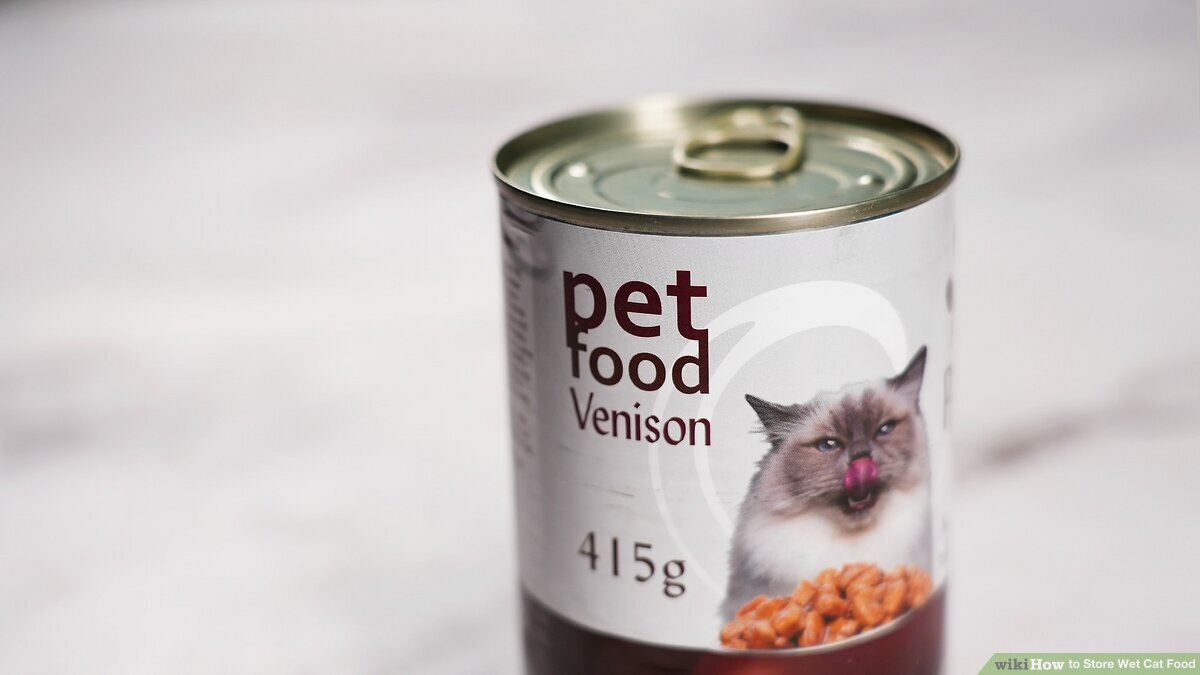
Imagine this: You’ve just opened a can of wet cat food. Your feline friend eagerly devours their meal, purring with satisfaction.
But now, you’re left wondering about the leftovers. Does that open can need to be refrigerated? The answer could affect not only your cat's health but also your peace of mind. If you’re like most cat owners, you want to make sure your furry companion is eating food that’s both tasty and safe.
You might have heard conflicting advice about storing wet cat food, leaving you confused and unsure. Let’s clear up the confusion. In the following sections, you’ll discover whether refrigeration is a must after opening, along with some simple tips to ensure your cat's food stays fresh and nutritious. Keep reading to unravel the mystery and ensure you’re making the best choice for your beloved pet’s health and happiness. Your cat depends on you, and understanding the nuances of wet cat food storage could make all the difference.

Credit: www.wikihow.com
Wet Cat Food Basics
Wet cat food offers a tasty and hydrating option for felines. It often comes in cans or pouches, providing a variety of flavors. Understanding its types and ingredients helps in choosing the best for your cat.
Types Of Wet Cat Food
Wet cat food is available in pate, chunks, and gravy formats. Pate is smooth and easy to eat, while chunks provide texture. Gravy types offer extra moisture. Each type caters to different feline preferences.
Ingredients And Preservation
Wet cat food ingredients vary from meat, fish, and vegetables. High-quality options contain real meat and fewer fillers. Preservatives help maintain freshness but natural ones are preferred. Check labels for nutritional value.
Refrigeration Needs
Wet cat food is a go-to choice for many pet owners, thanks to its high moisture content and appealing taste for cats. But once you pop open that can, what’s next? Understanding the refrigeration needs of wet cat food is crucial to ensure your feline friend gets the freshest meal possible while minimizing waste. Let’s dive into the specifics of how to handle wet cat food both before and after opening.
Shelf Life Before Opening
Before you even crack open that can, wet cat food has a significant shelf life. Most brands provide an expiration date on their packaging, usually ranging from months to years. This is due to the canned food’s airtight seal, which preserves its freshness without refrigeration. However, make sure to store these cans in a cool, dry place to maintain their quality. A cupboard away from direct sunlight works perfectly.
Storage After Opening
Once opened, the dynamics change entirely. The exposure to air can quickly degrade the food, making refrigeration essential. Transfer any leftovers to an airtight container and place it in the refrigerator. This simple step can extend the food's freshness for up to three days. Ever tried feeding a cat food that’s been left out? They usually turn up their noses, demanding fresh servings. So, keeping it refrigerated is not just about safety but also about ensuring palatability for your kitty.
Remember, if the food starts to smell off or changes color, it’s best to dispose of it. Your cat’s health is worth more than a few extra servings. Would you eat something that smells bad just because it’s in the fridge?
Effects Of Non-refrigeration
When you open a can of wet cat food, you're likely focused on feeding your feline friend, not what to do with the leftovers. However, leaving wet cat food unrefrigerated can have significant consequences. Understanding these effects can help ensure your cat remains healthy and happy.
Spoilage Risks
Wet cat food is highly perishable and can spoil quickly if left out. Without refrigeration, harmful bacteria can multiply rapidly. This not only affects the food's taste and smell but makes it unsafe for your cat to consume.
Have you ever left your own meal out for too long and noticed a change in its texture or color? The same happens with cat food. Spoiled cat food can become discolored and develop an unappealing odor, making it unpalatable for your cat.
Health Implications For Cats
Feeding your cat food that has been left unrefrigerated can lead to health issues. Cats are particularly sensitive to foodborne illnesses, which can cause symptoms like vomiting and diarrhea. These symptoms are not just uncomfortable for your cat but can lead to dehydration and more serious health problems if not addressed.
Consider how you feel after eating something that doesn’t agree with you. Your cat can experience similar discomfort, which might lead to them avoiding their food altogether. Ensuring wet cat food is properly stored helps prevent these health concerns.
Are you willing to take the risk with your pet's health by not refrigerating their food? Taking a few extra minutes to store it properly can save your cat from discomfort and potential illness. Prioritizing their well-being with simple steps like refrigeration can make a big difference.

Credit: www.wikihow.com
Proper Storage Techniques
Wet cat food should be refrigerated after opening to maintain freshness and prevent spoilage. Store leftovers in an airtight container in the fridge. Use within 3-5 days for the best quality and to ensure your cat's health.
Proper storage techniques for wet cat food ensure freshness and safety. After opening, wet cat food can spoil quickly if not stored correctly. Understanding the best ways to keep it fresh can benefit your cat’s health. Whether you choose to refrigerate or explore other storage methods, keeping the food safe is essential.
Tips For Refrigerating Wet Cat Food
Refrigerating wet cat food helps preserve its quality. Use airtight containers to prevent odor and contamination. Glass or plastic containers work well. Label each container with the date of opening. This helps track how long the food has been stored. Use food within 2-3 days to maintain freshness and nutrition. Place containers in the coldest part of the fridge. Avoid the door, where temperatures fluctuate.
Alternatives To Refrigeration
Refrigeration isn't the only option. Freezing wet cat food is an alternative for longer storage. Divide food into meal-sized portions before freezing. Use freezer-safe bags or containers. Thaw food in the fridge before serving. This keeps the texture and taste intact. Another option is vacuum sealing. This removes air, reducing spoilage risk. Vacuum-sealed food lasts longer without refrigeration. These methods can keep wet cat food fresh for weeks.
Benefits Of Refrigerating Wet Cat Food
Refrigerating wet cat food after opening keeps it fresh and safe. It prevents bacterial growth and spoilage. This ensures your cat enjoys nutritious and tasty meals.
Refrigerating wet cat food after opening may not be something you've given much thought to, but it can make a significant difference in the quality of your feline friend's meals. By keeping opened wet cat food in the fridge, you can ensure it stays fresh and safe for your cat to enjoy. Let's dive into the benefits of this simple yet impactful practice.
Maintaining Freshness
Storing wet cat food in the refrigerator helps maintain its freshness. Once the can is opened, the food is exposed to air, which can lead to spoilage. Refrigeration slows down this process, ensuring the food remains appetizing for your cat. Have you ever noticed how quickly food can lose its appeal when left out? The same goes for your pet's meals. A fresh meal can make all the difference in enticing a finicky eater to finish their bowl.
Extending Shelf Life
Refrigerating opened wet cat food extends its shelf life, saving you money and reducing waste. When stored properly, the food can last up to three days in the fridge. This means you can portion meals without worrying about spoilage. Imagine opening a can of your favorite soup and leaving it out overnight. Would you eat it the next day? Probably not. Your cat deserves the same consideration. By extending the shelf life, you ensure your pet gets nutritious, safe meals every time. So, what steps do you take to ensure your cat's food remains fresh and safe? A little refrigeration can go a long way in maintaining quality and extending the shelf life of their meals.

Credit: www.wikihow.com
Common Misconceptions
Storing wet cat food can be confusing. Many cat owners face common misconceptions about its storage. These misunderstandings can lead to improper food handling. This section will clarify these myths.
Myths About Wet Cat Food Storage
Some believe wet cat food doesn't spoil quickly. This is untrue. Once opened, wet food is exposed to air. This exposure can lead to bacterial growth. Many think leaving it out is fine for hours. But, this can compromise its quality.
Another myth is that wet food can be stored like dry food. They differ in moisture content. Wet food is more prone to spoilage. Proper storage is crucial to maintain freshness.
Clarifying Labels And Instructions
Labels on wet cat food often cause confusion. They provide storage guidelines but can be misunderstood. Always read the instructions carefully. They usually recommend refrigeration after opening.
Some labels suggest discarding uneaten food. This ensures your cat eats fresh food. Following these instructions helps avoid foodborne illnesses.
Frequently Asked Questions
How Long Can Wet Cat Food Stay Unrefrigerated?
Wet cat food should be consumed within two hours if left out unrefrigerated. Bacteria grow rapidly at room temperature. Always refrigerate leftovers to keep them fresh and safe for your cat. Proper storage ensures your cat enjoys healthy meals without risk.
How To Save Half A Can Of Wet Cat Food?
Store leftover wet cat food in an airtight container. Place it in the refrigerator. Ensure the temperature is below 40°F to keep it fresh. Use within 2-3 days to maintain quality. Avoid leaving the food out for more than two hours to prevent spoilage.
How Do You Know If Wet Cat Food Has Gone Bad?
Wet cat food has gone bad if it smells foul, has mold, or changes color. Check for bloated packaging. Dispose of it if your cat refuses to eat or shows signs of discomfort. Store leftovers properly to maintain freshness.
Can I Give My Cat Wet Food If I Left It Open Over Night?
It's unsafe to feed your cat wet food left open overnight. Bacteria growth can cause spoilage and health issues. Always store wet food in the refrigerator and serve fresh portions to ensure your cat's safety and health.
Conclusion
Wet cat food stays fresh longer in the fridge. Refrigeration prevents bacteria growth. It also keeps the flavor intact. Cats enjoy tastier meals. Always seal the can tightly. This keeps moisture inside. Use a container if needed. Check the fridge's temperature too.
Cold storage is key. Avoid leaving food out for long. Spoiled food can make cats sick. Keep your furry friend safe. Refrigerate wet food wisely. It's simple and smart. Your cat deserves the best care. Proper storage ensures health and happiness.
Don't forget to chill after opening. Your pet will thank you!