

Ever wonder if you’re feeding your cat the right amount of wet food? It’s a common question that many cat owners face.
You want your furry friend to be healthy, happy, and full of energy, but figuring out the right portion can be tricky. Are you giving too much or too little? It’s crucial to get it just right to avoid any health issues down the line.
You'll discover exactly how much wet cat food to feed your cat, ensuring they get the nutrition they need without overdoing it. Stay with us to find out more; your cat's health and happiness depend on it!

Credit: www.tiktok.com
Factors Influencing Cat's Food Intake
Different factors can affect a cat's food intake, including age, weight, and activity level. Wet cat food portions depend on these factors, as well as the cat's health and dietary needs. Understanding these can help determine the right amount to keep your cat healthy and satisfied.
Factors Influencing Cat's Food Intake Understanding how much wet cat food to feed depends on various factors. Each cat's needs are unique. Ensuring the right amount keeps your cat healthy and satisfied.
Age And Weight Considerations
Kittens need more food for growth. They have higher energy demands. Adult cats require less, maintaining weight is the goal. Older cats may eat less due to slower metabolism. Adjust portions based on your cat's weight. Overweight cats need fewer calories.
Activity Level And Metabolism
Active cats burn more calories. They need more food to sustain energy. Lazy or indoor cats require less. Metabolism affects how much food a cat needs. Fast metabolism means more frequent meals. Slow metabolism requires fewer calories.
Health Conditions And Dietary Needs
Certain health conditions impact food intake. Diabetic cats may need special diets. Allergies can limit food choices. Some cats need low-fat food for kidney health. Always consult a vet for specific dietary needs. Health conditions can change a cat's appetite.
Nutritional Requirements Of Cats
Understanding the nutritional requirements of cats is crucial in determining how much wet cat food to feed them. Cats are obligate carnivores, meaning they thrive on diets rich in meat. Their dietary needs are quite different from other pets, demanding specific nutrients that cater to their unique physiology. As you select the best wet cat food, it's essential to recognize the vital components that contribute to your cat's health and happiness.
Essential Nutrients In Wet Cat Food
Wet cat food is often packed with essential nutrients that cats need for a balanced diet. Protein is the cornerstone of their diet, supporting muscle growth and repair. Look for foods with high protein content from real meat sources, like chicken or fish.
Don't overlook taurine, an amino acid vital for heart and vision health. It's naturally found in animal tissues, making it a crucial part of wet cat food formulations. Vitamins and minerals like vitamin E, zinc, and calcium also play significant roles in maintaining your cat's overall health. Always check the label to ensure these nutrients are included.
Balancing Protein, Fats, And Carbohydrates
Achieving the right balance of protein, fats, and carbohydrates is key in wet cat food. While protein is paramount, fats are essential too, providing energy and supporting a healthy coat. Omega-3 and Omega-6 fatty acids are particularly beneficial.
Interestingly, cats require minimal carbohydrates in their diet, unlike humans or dogs. Excessive carbs can lead to weight gain and health issues. Keep a close eye on the carbohydrate content of wet cat food and choose options that prioritize protein and fats.
Have you ever noticed your cat being more active or playful after eating? This could be a sign that their nutritional needs are being met adequately. How does your cat respond to different food formulas? Observing your pet's behavior can offer insights into whether their diet is balanced correctly.
Determining The Right Portion Size
Determining the Right Portion Size Feeding the right amount of wet cat food is essential for your pet's health. Consider your cat's weight, age, and activity level when deciding. Always check the food packaging for guidance and consult your veterinarian for personalized advice.
Determining the right portion size for your cat's wet food can be tricky. Cats have different nutritional needs based on their age, weight, and activity level. Finding the right balance ensures your cat stays healthy and happy.
Using Feeding Charts And Guidelines
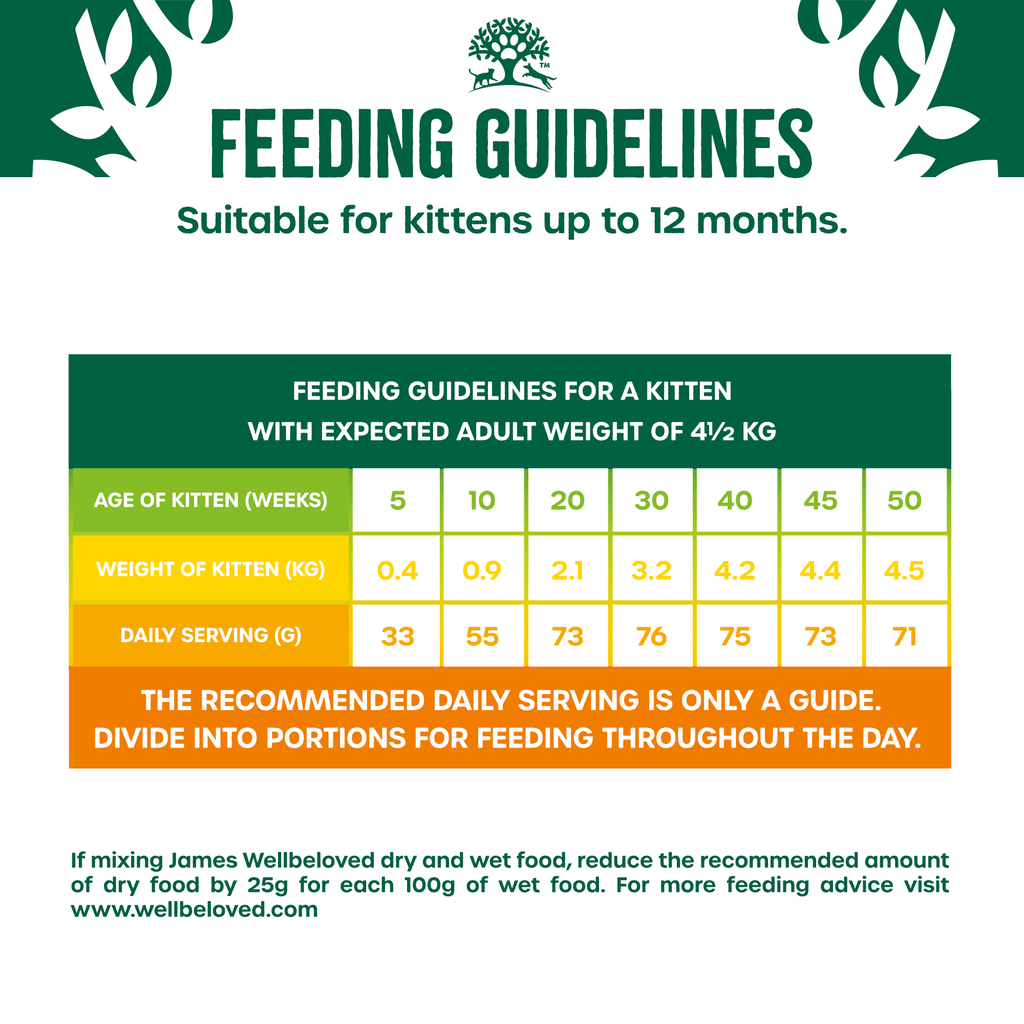
Feeding charts provide a helpful starting point. These charts are often found on wet food packaging. They suggest portions based on your cat's weight and age. Always start with the recommended amount. Then, observe your cat's behavior and weight.
Adjusting Portions Based On Observations
Watch your cat's weight and energy levels closely. If your cat seems hungry or gains weight, adjust the portion size. Smaller meals might work better for less active cats. More active cats might need slightly larger portions. Regularly check your cat's body condition. Feel their ribs and observe their waistline. Adjust the food portions if necessary.

Credit: petfood.advancepet.com.au
Feeding Frequency And Schedules
Feeding cats the right amount of wet food ensures their health and happiness. It's important to consider their age, weight, and activity level. Typically, cats need two to three small meals daily to maintain a balanced diet.
Feeding your cat wet food isn't just about tossing a can in their dish. It requires understanding the right feeding frequency and schedule to ensure their health and happiness. With a structured feeding routine, you can help your feline friend maintain a balanced diet and avoid overeating. But how do you set the perfect schedule? Let's dive into the benefits of scheduled feeding and the ideal frequency for serving wet cat food.
Benefits Of Scheduled Feeding
Creating a feeding schedule for your cat isn't just beneficial for their health; it can also bring peace of mind to your daily routine. Cats are creatures of habit, and a consistent schedule helps them anticipate mealtime, reducing anxiety and stress. Scheduled feeding can prevent obesity by controlling portion sizes. When your cat knows food isn't available all the time, they're less likely to overeat, helping them maintain a healthy weight. It also allows you to monitor their appetite and health. If your cat suddenly loses interest in their meals, it can be a sign of health issues, prompting you to seek veterinary advice sooner rather than later.
How Often To Feed Wet Cat Food
How many times a day should you feed your cat wet food? Ideally, cats should be fed wet food twice a day. This schedule mimics their natural hunting habits, where they would catch small prey in the morning and evening. For kittens, more frequent feedings may be necessary to support their growth and energy levels. You might need to offer them wet food three to four times daily. Observe your cat's behavior and energy levels. Some cats may require more frequent meals if they're particularly active. Adjust the schedule to fit their lifestyle and needs, keeping their health and happiness as your top priority. What feeding schedule works best for your cat? Share your experiences and insights below!
Monitoring Cat's Weight And Health
Monitoring your cat's weight and health is vital. Cats need the right amount of wet food to stay healthy. Too much or too little can cause problems. Observing their weight and health helps in making the right feeding choices. Let's explore how to monitor these aspects effectively.
Signs Of Overfeeding And Underfeeding
Overfeeding leads to obesity in cats. Signs include excessive weight gain and inactivity. You may notice difficulty in grooming and breathing issues. On the other hand, underfeeding results in weight loss and a dull coat. Cats may appear lethargic and show changes in behavior.
Regular Weight Checks
Weigh your cat regularly to track their health. Use a digital scale for accuracy. Record the weight in a journal. Compare it with breed-specific weight charts. Adjust feeding amounts if weight fluctuates significantly. A vet can provide personalized advice.
Credit: aimextools.com
Expert Tips For Feeding Wet Cat Food
Feeding your cat wet food is not just about opening a can and serving it up. Knowing how much to feed and ensuring it's the right fit for your cat's needs can be a bit of an art. With expert tips, you can make mealtime a delightful experience for your feline friend while keeping them healthy and satisfied.
Transitioning Between Food Types
Switching your cat from dry to wet food or vice versa requires patience and a strategic approach. Cats can be sensitive to changes in their diet, and a sudden switch might lead to digestive issues. Gradually mix the two types of food over a week or more, slowly increasing the proportion of the new food. This helps your cat adjust to the texture and taste without shocking their system.
Have you ever noticed your cat refusing a new food outright? It's often because the change was too abrupt. By easing them into it, you allow their palate and digestion to adapt, minimizing any adverse reactions. Always observe your cat's behavior and stool consistency during this transition, as it can provide clues about how well they are adjusting.
Dealing With Picky Eaters
Some cats are notoriously picky, turning their noses up at even the most premium wet food. If your cat falls into this category, a bit of creativity can go a long way. Try warming the food slightly to enhance its aroma, which can make it more enticing. A sprinkle of catnip or a tiny bit of tuna juice can also work wonders.
Consider why your cat might be picky. Is it the texture, flavor, or temperature? Some cats prefer their food at room temperature, while others might like it chilled. Experiment with different brands and flavors to find what resonates with your feline. It's about discovering what makes your cat's tail wag in anticipation, turning mealtime into a pleasurable experience rather than a chore.
Frequently Asked Questions
How Much Wet Cat Food Should You Feed A Cat Each Day?
Feed your cat about 3-4 ounces of wet food per 5 pounds of body weight daily. Adjust based on activity level and consult your vet for specific needs. Ensure fresh water is always available.
Is 2 Ounces Of Wet Food Enough For A Cat?
Two ounces of wet food may not be enough for most cats. Consult your vet for tailored feeding advice. Adjust portions based on age, weight, activity, and health. Ensure balanced nutrition for your cat's overall well-being. Always monitor their eating habits and adjust accordingly for optimal health.
How Often Should I Feed Wet Cat Food?
Feeding frequency depends on your cat's age and health. Adult cats typically eat twice daily. Kittens need more frequent meals, often three to four times a day. Always consult with your veterinarian for personalized advice based on your cat's specific needs.
How Much Wet Food For A Kitten?
Kittens require more calories and nutrients than adult cats. They usually need about 3 ounces per day, split into multiple meals. Adjust the portion based on their growth and hunger levels. Always check the product guidelines and consult with your vet for accurate feeding amounts.
Conclusion
Feeding your cat wet food needs careful thought. Start with small portions. Adjust based on your cat's size and age. Watch their weight and health closely. Always consult your vet for guidance. Consider your cat's preferences too. Wet food provides hydration and nutrients.
Balance with dry food if needed. Make mealtime enjoyable for your feline friend. Consistency is key for a healthy diet. Your cat will thrive with the right food amount. Keep their bowl clean and fresh. Happy cat, happy home.