

Feeding your beloved cat the right amount of wet food can often feel like a puzzle. You want to ensure they're healthy and happy, but how do you find the perfect balance?
Too little, and you might leave your furry friend hungry. Too much, and you risk weight gain and health issues. You’re not alone in this dilemma, and understanding the right quantity can make all the difference in your cat's well-being.
Imagine the peace of mind you'll have knowing your cat is getting exactly what they need, neither too much nor too little. This article will guide you through the essentials, making it easy for you to decide the right portions. By the end, you'll feel confident in your feeding choices, ensuring your cat stays energetic, content, and healthy. Dive in, and let's make feeding time stress-free for both you and your cat.
Credit: purinaexpress.com
Importance Of Wet Food For Cats
Feeding your cat the right amount of wet food is crucial. Wet food offers essential nutrients and moisture. This helps in maintaining your cat's health and hydration. Cats are obligate carnivores, needing moisture-rich food. They get most of their hydration from their diet. Wet food can prevent dehydration and related health issues. It also promotes better digestion and kidney function.
Hydration Benefits
Cats often do not drink enough water. Wet food provides additional moisture. This keeps them hydrated and supports kidney health.
Nutritional Value
Wet food is rich in proteins and essential nutrients. It mimics a cat’s natural diet. This helps in maintaining lean muscle mass and energy levels.
Weight Management
Wet food has fewer calories per serving than dry food. It can help in weight control, reducing the risk of obesity.
Dental Health
Some believe wet food affects dental health negatively. But it can actually help wash away food particles. This can reduce plaque and tartar buildup.
Palatability
Wet food is often more flavorful and appealing. Cats enjoy the texture and taste, encouraging them to eat. This is especially beneficial for picky eaters or older cats with reduced appetite.
Determining The Right Amount
Feeding your cat the right amount of wet food is crucial. It ensures they stay healthy and happy. Many factors influence how much food your cat needs. Let's explore these elements to find the perfect portion.
Factors Influencing Quantity
Several key factors determine how much wet food a cat needs. These include:
- Activity level: Active cats may need more food.
- Health conditions: Some illnesses require dietary adjustments.
- Type of food: Different brands have varying nutritional content.
Age And Weight Considerations
Age and weight play a significant role in food quantity. Young kittens need frequent meals for growth. Adult cats require less frequent feeding but may need more food if they're larger.
Older cats might need less food due to decreased activity. Monitoring your cat's weight is essential. Adjust portions based on their weight changes.
Reading Cat Food Labels
Deciphering cat food labels is crucial for your pet's health. They provide essential information about what you're feeding your furry friend. Understanding these labels helps you make informed decisions about the quantity and quality of food.
Serving Size Recommendations
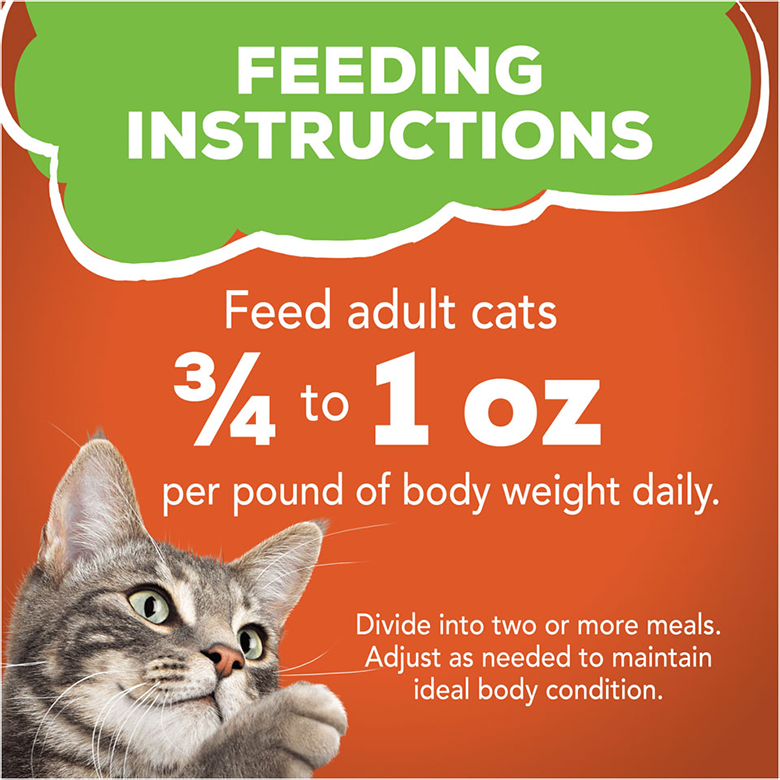
Labels often suggest the amount based on your cat's weight. Follow the serving size guidelines to avoid overfeeding. Check for age-specific recommendations, as kittens need more calories. Adjust portions if your cat is less active or older.
Understanding Caloric Content
Caloric content tells you how much energy the food provides. It's usually listed per serving. Compare the calories with your cat's daily needs. A typical cat needs about 20 calories per pound. Monitor your cat's weight regularly to ensure proper feeding.
Balancing Wet And Dry Food
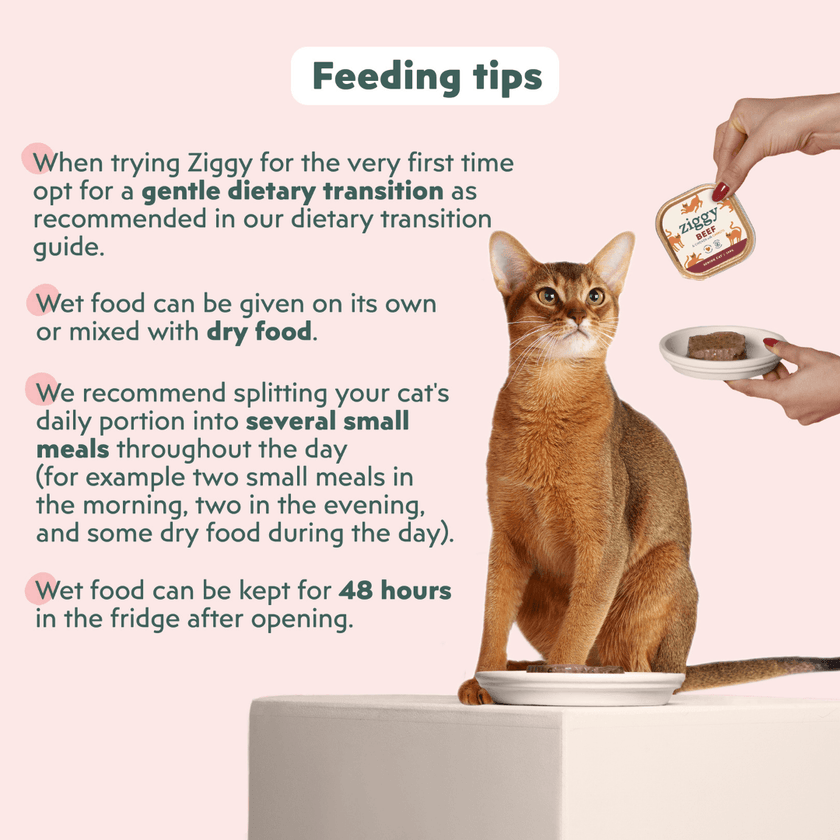
Cats need a balanced diet for optimal health. Mixing wet and dry food can offer complete nutrition. For wet food, aim for one-third of their total diet. Adjust portions based on your cat's age, weight, and activity level.
Balancing wet and dry food in your cat's diet can be a game-changer for their overall health and happiness. Wet food offers hydration and flavor, while dry food provides dental benefits and convenience. Striking the right balance ensures your feline gets the best of both worlds, supporting their nutritional needs and satisfying their taste buds.
Benefits Of Mixed Diet
A mixed diet of wet and dry food can enhance your cat's meal experience. Wet food keeps them hydrated, especially if they don't drink much water, and it's often more palatable. Dry food helps keep their teeth clean and is easy to store and serve. Adding variety to their meals can also prevent picky eating habits. Cats love a change in texture and flavor, making mealtime more exciting. This balance can also help manage weight, as you can control calorie intake more effectively.
Portion Control Tips
Portion control is vital to prevent overfeeding and obesity. Start by checking the feeding guidelines on the food packaging for your cat's weight and age. Adjust portions based on their activity level and health needs. Consider using a measuring cup for consistency. This can help avoid guesswork and ensure your cat gets the right amount every day. If you're unsure, consult your vet to tailor a plan suited to your cat's unique needs. Regularly monitor your cat's weight and adjust portions as needed. A healthy weight contributes to a longer, happier life. Have you noticed your cat's weight changing with their current diet?
Signs Of Overfeeding Or Underfeeding
Balancing the right amount of wet food for your cat is crucial. Overfeeding can lead to obesity and lethargy, while underfeeding may cause weight loss and lack of energy. Monitor your cat's weight and behavior to ensure a healthy diet.
Understanding whether you're feeding your cat the right amount of wet food can be a bit tricky. If you've ever wondered whether your feline friend is getting too much or too little, you're not alone. Monitoring signs of overfeeding or underfeeding is crucial to ensuring your cat maintains a healthy weight and stays happy. Let's dive into how you can recognize these signs.
Recognizing Weight Changes
One of the first indicators of overfeeding or underfeeding your cat is noticeable weight changes. Regularly weigh your cat to track any significant fluctuations. A sudden increase in weight might suggest overfeeding, while unexplained weight loss could indicate underfeeding. Observing changes in your cat’s physique can also offer clues. If your cat’s ribs are easily felt without applying pressure, your cat might be underfed. Conversely, if you struggle to feel the ribs at all, overfeeding could be the issue.
Behavioral Indicators
Your cat’s behavior can also reveal a lot about their feeding needs. A cat that is constantly begging for food, even after meals, might be underfed. On the other hand, a lethargic cat that shows little interest in play might be consuming too much. Monitor your cat’s eating habits as well. If they are leaving food in their bowl, they might be getting more than they need. However, if your cat seems overly focused on food or even tries to steal from other pets, it might be time to increase their portions. Have you ever noticed these signs in your own cat? Addressing them can make a huge difference in their overall health and happiness.

Credit: www.tiktok.com
Consulting With A Veterinarian
Understanding how much wet food to feed your cat can be tricky. That's where a veterinarian comes in. They provide expert advice tailored to your cat's needs. Consulting with a veterinarian ensures your cat receives the right nutrition. This helps maintain their health and happiness.
Tailored Feeding Plans
Veterinarians create feeding plans specific to your cat's age and weight. They consider your cat's activity level and lifestyle. This personalized approach helps your cat stay fit and healthy. It also prevents overfeeding, which can lead to obesity.
Health Assessments
Regular health assessments are crucial for your cat's well-being. Veterinarians check for any underlying health issues. They assess your cat's weight, teeth, and overall condition. These assessments help in adjusting the diet as needed. This ensures your cat's nutritional needs are met.
Credit: ziggyfamily.com
Frequently Asked Questions
How Much Wet Food Should A Cat Eat A Day?
Cats typically need 3-4 ounces of wet food daily. Adjust portions based on your cat's weight and activity level. Consult your vet for personalized advice. Ensure fresh water is always available. Feeding schedules can vary, so monitor your cat's health and weight regularly to maintain optimal nutrition.
Is 2 Cans Of Wet Food Enough For My Cat?
Two cans may be enough, depending on your cat's age, size, and activity level. Check the feeding guidelines on the packaging. Consult your veterinarian for personalized advice to ensure your cat receives proper nutrition. Adjust portions if your cat gains or loses weight unexpectedly.
How Often Should I Feed My Cat Wet Food?
Cats typically benefit from wet food twice a day. Consistent feeding helps maintain their health and energy levels. Consult your veterinarian for personalized advice based on your cat’s age, size, and activity level. Wet food provides hydration and essential nutrients, making it a crucial part of your cat's diet.
Is Wet Food Better Than Dry Food For Cats?
Wet food is often more beneficial than dry food for cats. It provides hydration, essential nutrients, and supports urinary tract health. The moisture content helps prevent dehydration. However, each cat is unique, so consult your vet to determine the best diet for your cat’s needs and preferences.
Conclusion
Finding the right amount of wet food for your cat matters. Consider your cat's age, weight, and activity level. These factors guide how much to feed. Observe your cat's reactions and adjust portions if needed. Stay consistent with mealtime routines.
Always consult your vet for personalized advice. A balanced diet keeps your cat happy and healthy. Remember, feeding the right amount supports overall wellbeing. Cats thrive with proper nutrition and care. Keep your feline friend content with a tailored feeding plan.
Happy feeding equals a happy cat.