

Are you standing in your kitchen, looking at a can of wet cat food and wondering if it’s okay for your dog to eat it? You’re not alone.
Many pet owners find themselves asking this very question. You want the best for your furry friend, and ensuring they eat the right food is a big part of that. But what happens when you run out of dog food and only have cat food on hand?
Or maybe you’ve noticed your dog sniffing around the cat’s dish with interest. Could it be safe? Could it be healthy? Your curiosity isn’t just a passing thought; it's an important question about your pet’s health and well-being. We'll unravel the mystery surrounding whether or not you can give your dog wet cat food. We'll dive into the nutritional differences, potential risks, and what you should consider before sharing those cat cans with your pup. Stick around to learn what’s best for your beloved pet!
Nutritional Needs Of Dogs Vs. Cats
Cats and dogs have different nutritional needs. Wet cat food is not ideal for dogs. It lacks necessary nutrients for canine health.
Cats and dogs have distinct nutritional needs. Understanding these differences helps maintain their health. Feeding them the wrong food may lead to health issues. Cats are obligate carnivores, while dogs are omnivores. This fundamental difference affects their dietary requirements.
Nutritional Requirements For Cats
Cats need a high-protein diet. Their bodies rely on amino acids from meat. Taurine is essential for cats. It supports vision and heart health. Cats also need arachidonic acid, a fatty acid. They cannot synthesize it on their own.
Nutritional Requirements For Dogs
Dogs have more varied dietary needs. They require proteins, but less than cats. Carbohydrates and fats are also important for dogs. Dogs can digest grains and vegetables. Fiber aids in their digestion. Omega fatty acids benefit their coat and skin.
Key Differences In Diet
The key difference lies in protein intake. Cats need more protein than dogs. Taurine is vital for cats, not dogs. Dogs need a balanced mix of nutrients. Their diet can include grains and vegetables. Cats need a meat-focused diet.
Risks Of Feeding Dogs Wet Cat Food
Feeding dogs wet cat food poses risks. High protein levels may harm dogs. Excessive taurine is not necessary for dogs. Wet cat food lacks essential dog nutrients. Long-term feeding may cause nutritional deficiencies. Always choose food suited for each pet's needs.
Differences In Dog And Cat Food
Dog and cat foods differ in nutritional makeup. Cat food is higher in protein and fat, which can upset a dog's digestion. Feeding wet cat food to dogs occasionally is not harmful, but it's not a substitute for dog food.
Understanding the differences between dog and cat food is crucial if you're considering feeding your dog wet cat food. While both types of food might look similar, they are designed to meet the specific dietary needs of different species. Feeding your dog cat food can lead to nutritional imbalances, so it's essential to know what sets them apart.
Protein Content
Dogs and cats have different protein requirements. Cat food generally contains higher protein levels because cats are obligate carnivores. Dogs, on the other hand, are omnivores and need a balanced diet that includes proteins, carbohydrates, and fats. Feeding your dog cat food occasionally might not harm them, but doing so regularly can lead to excessive protein intake, affecting their kidney health.
Fat Levels
Cat food often has higher fat content to cater to their energy needs. If your dog consumes too much fat, it can lead to obesity and related health issues. Dogs need a balanced fat intake to maintain energy levels and support cell function, but overfeeding fat-rich cat food can disrupt this balance.
Essential Nutrients
Certain nutrients are critical for cats but not necessarily for dogs. For instance, taurine is an essential amino acid for cats, whereas dogs can produce it naturally. Cat food is fortified with taurine, which is unnecessary for dogs. If you consistently feed your dog cat food, they might miss out on nutrients vital for their health, like specific vitamins and minerals tailored for dogs.
Palatability And Texture
Have you ever noticed how your dog seems interested in cat food? The strong aroma and texture might be appealing to dogs. However, this doesn't mean it's suitable for their diet. Dogs might prefer the taste, but this doesn't align with their nutritional needs. It's essential to ensure that what your dog enjoys is also healthy for them.
Price And Availability
Cat food might be more expensive than dog food due to the higher protein content and specialized ingredients. If you're tempted to switch because you have some extra cat food lying around, consider the long-term cost implications. Investing in proper dog food is more economically sensible and ensures your dog receives the right nutrition.
Potential Risks Of Feeding Cat Food To Dogs
Feeding dogs wet cat food can lead to nutritional imbalances. Cat food often contains more protein and fat, which dogs don't need. It may cause digestive issues or obesity in dogs, affecting their overall health.
Feeding cat food to dogs might seem harmless, but it poses risks. Dogs and cats have different nutritional needs. Cat food designed for felines might not be ideal for dogs. Let's explore the potential risks.
Nutritional Imbalance
Dogs need a balanced diet for overall health. Cat food often contains higher protein levels. This might be excessive for dogs and could lead to imbalances. The vitamins and minerals in cat food aren't suited for dogs. Dogs might miss essential nutrients. Over time, this can affect their health.
Digestive Issues
Dog's digestive systems differ from cats. Cat food can be harder for dogs to process. High protein and fat levels might upset a dog's stomach. Dogs may experience diarrhea or vomiting. Such issues can cause discomfort and stress for your pet.
Long-term Health Concerns
Regularly feeding dogs cat food may lead to health problems. Dogs might gain unnecessary weight from the higher fat content. Obesity can lead to joint issues and heart problems. Nutrient deficiencies might affect their coat and energy levels. Over time, this can impact their quality of life.

Credit: www.dutch.com
When It's Safe To Offer Cat Food
Many pet owners wonder if dogs can eat wet cat food. It's not ideal, but sometimes it's safe. Knowing when it's safe helps keep your dog healthy. Some situations allow for cat food as a temporary solution. Let's explore these scenarios.
Emergency Situations
In emergencies, cat food can be a quick fix. You might run out of dog food unexpectedly. Stores could be closed or far away. Cat food then becomes an option. It should only be a temporary solution. Check the ingredients first. Avoid foods with high fat or protein levels. These can upset your dog's stomach. Always prioritize getting dog food as soon as possible.
Short-term Use Considerations
Short-term use is sometimes okay. Maybe you're away from home and forget the dog food. Cat food can work for a day or two. It should not replace regular dog food. Cat food lacks nutrients dogs need. Look for cat food with simple ingredients. Avoid flavors your dog dislikes. Monitor your dog's reaction. Stop if they show signs of discomfort.
Signs Of Nutritional Deficiency In Dogs
Feeding your dog the right food is vital for their health. If dogs consume wet cat food, they might not get necessary nutrients. Recognizing signs of nutritional deficiency is crucial. This helps ensure your dog stays healthy and happy.
Behavioral Changes
Watch for unusual behaviors in your dog. Restlessness or anxiety can indicate a problem. Dogs might show decreased interest in play or exercise. They could become lethargic or less active than usual. An increase in aggression or irritability may also occur.
Physical Symptoms
Check for changes in your dog's coat. A dull or thinning coat can signal nutrient issues. Weight loss is another common symptom. Your dog might also experience digestive problems. Look out for vomiting or diarrhea. Skin issues like itching or rashes can appear too. Keep an eye on your dog's eyes and gums. Pale gums or sunken eyes are concerning signs.
Alternatives To Wet Cat Food For Dogs
Feeding dogs wet cat food might not be ideal. Dogs require specific nutrients found in dog food. Consider alternatives like canned dog food or homemade meals to meet their dietary needs.
When you find yourself without dog food and only have wet cat food on hand, it might be tempting to serve it to your pup. However, it's not a suitable long-term solution. Instead, explore alternatives that are specifically tailored to meet your dog's nutritional needs. Looking for better options? Here are some alternatives that can provide the right balance of nutrients for your furry friend.
Specialty Dog Foods
Specialty dog foods are crafted to cater to specific health needs. They offer a range of options like grain-free, high-protein, or hypoallergenic diets. Look for those that align with your dog's particular requirements. If your dog has allergies or specific health issues, consult your vet for recommendations. Brands often offer samples or trial packs. This allows you to see how your dog reacts before committing to a full purchase.
Homemade Dog Meals
Preparing homemade meals gives you full control over your dog's diet. Use simple ingredients like chicken, rice, and vegetables to create balanced meals. Ensure you include a source of protein, carbohydrates, and essential fats. Keep portions appropriate for your dog's size and activity level. Is your dog a picky eater? Experiment with different ingredients to discover what they enjoy most. You might be surprised by their preferences!
Consulting A Veterinarian
When pondering the question, "Can I give my dog wet cat food?" it might seem like a simple curiosity, but it opens the door to a host of considerations. Consulting a veterinarian is an essential step to ensure your furry friend's health is not inadvertently compromised. By seeking professional advice, you can make informed decisions that are tailored to your dog's unique needs.
Importance Of Professional Advice
Veterinarians possess the knowledge and expertise to guide you through dietary questions. They can identify potential nutritional imbalances that could arise from feeding your dog cat food. With their help, you can avoid health issues before they start.
Imagine the peace of mind knowing that your pet's diet is both safe and beneficial. Veterinarians can provide that assurance by drawing on their extensive training and experience. They can also alert you to signs of allergies or other reactions to inappropriate foods.
Tailored Nutritional Plans
Every pet is unique, and their nutritional needs can vary greatly. A veterinarian can help you develop a tailored plan that meets your dog's specific health requirements. This might involve selecting specialized dog food or adding supplements that a cat food diet might lack.
Consider your dog's age, breed, and health conditions—factors a vet will take into account. They can recommend the right balance of proteins, fats, and carbohydrates. With a personalized plan, you can ensure your dog thrives rather than just survives.
Have you ever thought about how a simple dietary change could affect your dog's behavior or energy levels? With a veterinarian's guidance, you can monitor these changes closely and adjust as necessary. This proactive approach not only supports your dog's well-being but also strengthens your bond with your pet.
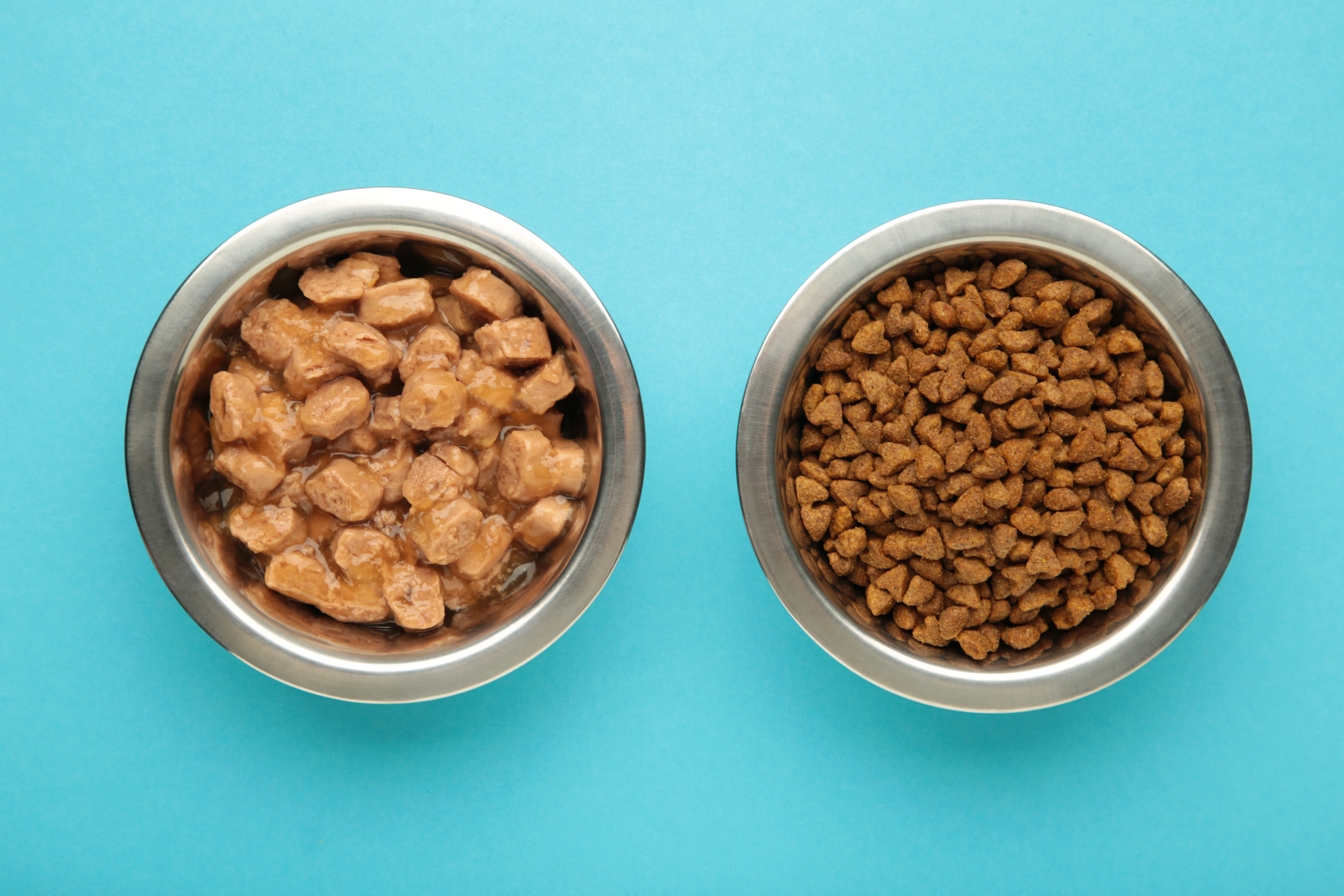
Credit: www.petco.com
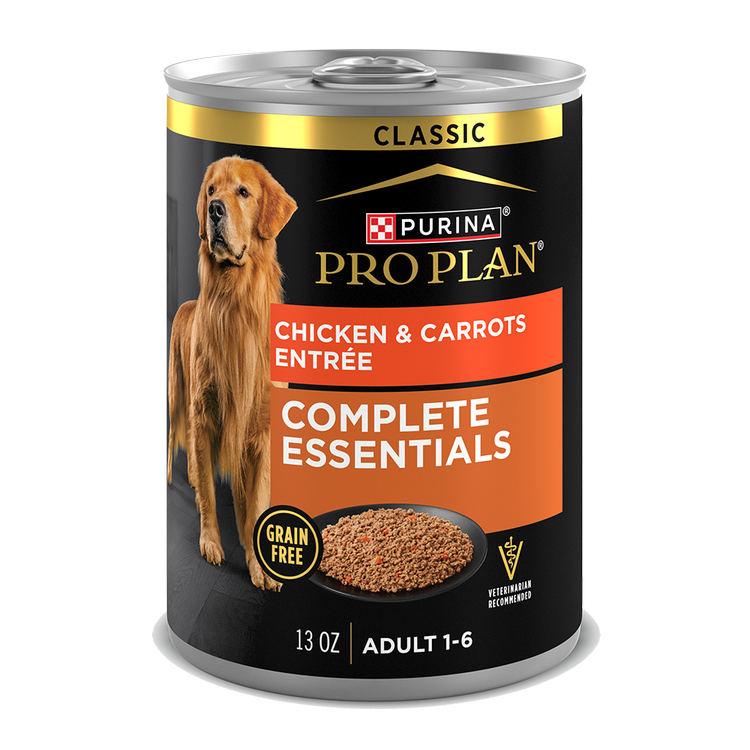
Credit: www.purina.com
Frequently Asked Questions
What Happens When My Dog Eats Wet Cat Food?
Dogs can eat wet cat food occasionally without harm. It might cause mild digestive upset like diarrhea. Cat food is high in protein and fat, which dogs don't need. Regular consumption can lead to obesity or pancreatitis. Ensure your dog eats a balanced diet designed for its nutritional needs.
Can I Mix Wet Cat Food With My Dog's Dry Food?
Yes, you can mix wet cat food with dry dog food occasionally. Ensure both foods meet your pets' nutritional needs. Consult a vet before making it a regular practice to avoid potential health issues. Mixing different types of food can provide variety and enhance taste for your pets.
What If I Give Cat Food To My Dog?
Feeding cat food to dogs is not advisable. Cat food lacks essential nutrients for dogs and is high in protein and fat. This can lead to digestive issues and obesity in dogs. Always choose food specifically formulated for dogs to ensure a balanced diet and optimal health.
What Is The Mean If My Dog Only Wants To Eat Cat Food?
Your dog may find cat food tastier due to its higher protein and fat content. It can also indicate nutritional deficiencies or simply a preference. Consult a vet to ensure your dog gets a balanced diet. Avoid long-term feeding of cat food to dogs.
Conclusion
Feeding your dog wet cat food occasionally is not harmful. But, it shouldn't be a regular meal. Dogs and cats have different nutritional needs. Dog food contains the right balance for dogs. Cat food lacks essential nutrients for dogs. Always prioritize your dog's health.
Check labels and consult your vet. Ensure your furry friend gets the best nutrition. A healthy diet means a happy pet. Keep their meals safe and suitable. Your dog's well-being matters most. Make informed choices for their diet.