
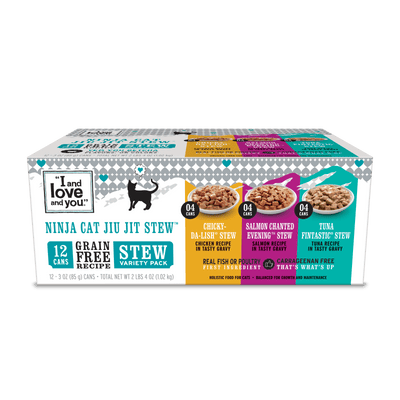
Are you worried about how long you can leave wet cat food out for your beloved feline? You're not alone.
Many pet owners wonder about the safety and freshness of their cat's meals. Leaving wet cat food out for too long can lead to spoilage, which not only diminishes the nutritional value but can also pose health risks for your cat.
As a caring pet owner, you want to ensure your furry friend enjoys their meal without any worries. You'll discover the optimal time frame to leave wet cat food out, helping you keep your cat healthy and happy. Dive in to learn more, and take the guesswork out of your cat's feeding routine.
Storage Basics For Wet Cat Food
Wet cat food should not be left out for more than two hours. Longer exposure can lead to spoilage and bacteria growth. Store leftovers in the refrigerator to keep them fresh.
Storage Basics for Wet Cat Food Wet cat food is a delightful treat for your feline friend, but it requires proper handling to ensure freshness and safety. Leaving wet cat food out for too long can lead to spoilage, which isn't safe for your pet. Understanding how to store it can make all the difference in keeping your cat healthy and happy.
Understanding Expiry Dates
Always check the expiry date on the can or pouch before serving. This date is crucial for maintaining the food’s nutritional value and safety. Once opened, the clock starts ticking, and you'll need to act quickly to preserve its freshness.
Refrigeration Is Key
Once opened, store any leftover wet cat food in the refrigerator. Use a covered container or reseal the can to prevent odors from spreading. Aim to use refrigerated leftovers within 24-48 hours to ensure they remain appetizing and safe for your cat.
Room Temperature Guidelines
If you're serving wet cat food, remember it should not sit out for more than 1-2 hours. Longer exposure can lead to bacterial growth, making it unsafe for your cat. On hotter days, consider reducing this time to prevent spoilage.
Utilizing Freezer Storage
Did you know you can freeze wet cat food? Portion out servings into airtight containers or freezer-safe bags. This method can extend its usability for a few weeks, just be sure to thaw it thoroughly before serving.
Observing Your Cat’s Eating Habits
Notice how quickly your cat consumes their food. If they often leave leftovers, consider serving smaller portions to minimize waste. Adjusting portion sizes can help maintain freshness and prevent spoilage from food left out too long.
Investing In Food Storage Solutions
Invest in quality containers that seal tightly to keep food fresh longer. There are even pet-specific storage solutions designed to lock in flavor and prevent spoilage. These small investments can make a big difference in preserving your cat's food. By following these practical storage tips, you not only ensure your cat's food stays fresh but also contribute to their overall health and happiness. What storage practices have you found effective for your pet?
Ideal Duration For Leaving Wet Food Out
Wet cat food can spoil quickly if left out too long. It's important to know the ideal duration for leaving it out to keep your cat healthy. This ensures your pet enjoys fresh and nutritious meals.
Freshness Matters
Wet food can lose its freshness after two hours. Bacteria can grow, making the food unsafe for your cat. Always monitor the time to ensure your pet's safety.
Room Temperature Effects
Room temperature affects how fast wet food spoils. In warmer conditions, food can spoil faster. Keeping food in cooler areas can help maintain freshness longer.
Signs Of Spoilage
Look for changes in smell and texture. Spoiled wet food may smell sour or have a slimy texture. These are signs it's time to discard the food.
Proper Storage Techniques
Store leftover wet food in a sealed container. Refrigeration can extend its shelf life. This helps keep the food safe for later use.
Feeding Schedule Tips
Create a feeding schedule for your cat. This ensures they eat fresh food at regular intervals. It also prevents spoilage from long exposure.
Importance Of Monitoring
Regularly check the food bowl for uneaten food. Remove leftovers promptly to avoid spoilage. This keeps your cat's feeding area clean and safe.
Factors Influencing Spoilage
Understanding the factors influencing spoilage of wet cat food can help you make informed decisions about your pet's diet. It's not just about how long the food sits out; various environmental and ingredient-related aspects play a crucial role in determining its freshness. Knowing these can save you from unnecessary waste and ensure your cat's meal remains safe and nutritious.
Room Temperature Impact
Room temperature is a significant factor in wet cat food spoilage. Foods left out in warmer climates or during hot summer months spoil faster. For instance, if your kitchen often stays above 80°F, food can become unfit within an hour.
Imagine the food as a ticking clock. The warmer it gets, the faster it ticks towards spoilage. Keeping your home cool or feeding your cat in cooler parts of the day can help.
Humidity Levels
Humidity also plays a role in how quickly wet cat food spoils. High humidity accelerates bacterial growth. If you live in a humid area, you might notice the food spoiling quicker than usual.
Think of humidity as a catalyst for spoilage. The more moisture in the air, the faster bacteria can thrive on your cat's food. Consider using a dehumidifier in your home to slow down this process.
Food Ingredients
The ingredients in wet cat food can influence its shelf life. Foods with preservatives might last longer, but those with fresh, natural ingredients may spoil quickly. It's a trade-off between nutrition and longevity.
Consider checking ingredient labels for freshness indicators. Foods with fewer preservatives often spoil faster, yet they provide superior nutrition. It's about finding the right balance for your pet's health.

Credit: www.wikihow.com
Signs Of Spoiled Cat Food
Wet cat food can spoil quickly, affecting your cat's health. Recognizing the signs of spoiled cat food is crucial to ensure your cat stays healthy. Spoiled food can lead to digestive issues or worse, so vigilance is key.
Visual Changes
Look for mold or discoloration. Fresh cat food should have consistent color. Spoiled food often shows patches of unusual colors. Mold spots are a definite sign to toss the food.
Unusual Odors
Smell the cat food. Fresh food smells mild and meaty. Spoiled food smells sour or rancid. Trust your nose; a bad smell means bad food.
Texture Alterations
Check the texture. Wet cat food should be moist but firm. Spoiled food becomes mushy or sticky. If the texture changes, it's no longer safe.
Health Risks Of Spoiled Food
Leaving wet cat food out for too long can pose health risks. Bacteria thrive quickly, causing spoilage and potential illness. Limit exposure to prevent harmful effects on your cat's health.
Leaving wet cat food out for too long can pose significant health risks to your furry friend. Spoiled food can harbor harmful bacteria and other pathogens that might lead to severe health issues. Understanding these risks is crucial to keeping your cat healthy and happy.
Potential Bacteria Growth
Bacteria like Salmonella and Listeria thrive in spoiled food. Wet cat food left out for more than two hours can become a breeding ground for these harmful bacteria. You might not notice any signs of spoilage, but the risk of your cat ingesting something dangerous is high.
Digestive Problems
Cats can suffer from digestive issues such as vomiting and diarrhea after eating spoiled food. These symptoms are not only uncomfortable for your pet but can also lead to dehydration. Dehydration can be particularly dangerous, requiring veterinary intervention if not addressed promptly.
Decreased Nutritional Value
As cat food spoils, it loses its nutritional value. Essential nutrients break down, meaning your cat isn't getting the balanced diet they need. This can affect their overall health, leading to potential deficiencies over time.
Foodborne Illnesses
Foodborne illnesses aren't just a human concern. Cats can develop infections from consuming contaminated food. Signs of illness include lethargy, fever, and loss of appetite, which can be distressing for both you and your pet.
Unpleasant Odors
Aside from the health risks, spoiled cat food can create unpleasant odors in your home. This can be a telltale sign that the food has gone bad and should be discarded. Regularly cleaning your cat's feeding area can help prevent this problem. Have you ever noticed your cat avoiding their food? It might be because they can sense it has spoiled. Trust their instincts and make sure to replace old food with fresh servings. Keeping your cat's diet safe and nutritious is a small step that can lead to a healthier and happier life for your pet.

Credit: www.wikihow.com
Safe Feeding Practices
Wet cat food should not be left out for more than two hours. Bacteria grow quickly, spoiling the food and risking your pet's health. Always store uneaten food in the fridge to keep it fresh.
Feeding your feline friend is about more than just filling up a bowl. Ensuring your cat's health and happiness involves understanding safe feeding practices. Wet cat food can be a delightful treat for your pet, but it requires careful handling to ensure it remains fresh and nutritious. By following a few simple guidelines, you can create a safe and satisfying dining experience for your cat.
Portion Control
Serving the right portion size is crucial. Overfeeding can lead to obesity, while underfeeding might leave your cat hungry. Check the food packaging for recommended serving sizes based on your cat’s weight and age. If you're unsure, consult your veterinarian for personalized advice. A kitchen scale can be a handy tool to ensure you're serving the correct amount each time.
Scheduled Feeding Times
Establishing a regular feeding schedule can help prevent food from sitting out too long. Wet food should not be left out for more than 2-4 hours, as it can spoil quickly. Try to feed your cat at the same times each day. This routine can help manage both your schedule and your cat’s expectations.
Proper Dish Cleaning
After each meal, clean your cat’s dish thoroughly. Leftover food residues can become breeding grounds for bacteria. Use hot, soapy water to wash the dish, and ensure it’s completely dry before the next meal. Investing in multiple dishes can make this process easier, allowing you to rotate them between uses.
Storing Leftover Wet Food
Wet cat food should not be left out for more than two hours. Bacteria can grow quickly, making it unsafe. Always store leftovers in the refrigerator to maintain freshness and prevent spoilage.
Storing leftover wet cat food properly ensures its freshness and safety for your feline friend. Many cat owners, including myself, have faced the dilemma of what to do with uneaten wet food. You want to preserve its quality without wasting it. Leaving it out too long can lead to spoilage, and nobody wants to risk their cat's health. So, what's the best way to handle those leftovers?
Refrigeration Techniques
Refrigerating leftover wet cat food is one of the simplest methods to keep it fresh. Place the uneaten portion in the fridge as soon as your cat finishes eating. The cool temperature helps slow down bacterial growth, maintaining the food's quality. I once forgot to refrigerate my cat's leftovers, and the next day, the smell was a stern reminder. Always remember that refrigerated wet food should be used within 24 to 48 hours to ensure safety.
Using Airtight Containers
Airtight containers are a game-changer for storing wet cat food. They prevent air exposure, which can cause the food to dry out or become contaminated. Simply transfer the leftover food into a container with a tight seal after feeding. I found that using small, dedicated containers works best. It minimizes the air in contact with the food, preserving its moisture and flavor. Plus, it keeps your fridge odor-free!
Labeling And Dating
Keeping track of when you stored the leftover food is crucial. Labeling and dating your containers helps you avoid confusion and ensures you use the food before it spoils. A quick scribble on a sticky note or a reusable label will do the trick. Have you ever fed your cat food that was a bit too old, only to see them reject it? Proper labeling can save you from wasting food and money. It's a small step with significant benefits for both you and your pet.

Credit: www.wikihow.com
Alternatives To Wet Food
Leaving wet cat food out for too long can spoil it. Explore dry food options for your feline friend. Dry food stays fresh longer and reduces waste, making it a convenient alternative.
If you've ever found yourself worrying about how long to leave wet cat food out, you're not alone. Pet owners often grapple with this concern. Fortunately, there are alternatives that can ease your mind and keep your feline friend happy and healthy.
Dry Food Options
Dry cat food can be a convenient and less perishable alternative to wet food. It doesn’t spoil as quickly, allowing you to leave it out longer without worry. Many dry foods are designed to be nutritionally complete, ensuring your cat gets the essential nutrients they need. When choosing dry food, look for high-quality brands with real meat as the first ingredient. It’s crucial to provide fresh water alongside dry food to prevent dehydration. Have you noticed your cat's preference for certain flavors? Use this to your advantage when selecting a dry food option.
Homemade Diets
Preparing homemade cat food can be rewarding and ensures you know exactly what your pet is eating. It allows you to tailor meals to your cat's specific dietary needs and preferences. However, it requires a commitment to ensuring meals are nutritionally balanced. Consulting with a veterinarian is critical when considering homemade diets to avoid nutritional deficiencies. Online recipes can be a good starting point, but always verify their credibility. Do you have a favorite recipe that your cat loves? Share your successes and challenges with your vet for tailored advice.
Mixed Feeding Approaches
Combining wet and dry food can offer the best of both worlds for your cat. This approach provides variety in texture and flavor, which can be more appealing for picky eaters. It can also balance the moisture content of your cat’s diet, promoting better hydration. Experiment with different ratios to see what your cat prefers. Some owners find that offering wet food in the morning and dry food in the evening works well. Have you tried mixing food types? Observing your cat's reaction can guide adjustments to their feeding routine. With these alternatives, you can confidently find a feeding strategy that works for both you and your feline companion. Whether you opt for dry food, homemade meals, or a mix of both, your cat's health and happiness remain the priority.
Frequently Asked Questions
Can Wet Cat Food Sit Unrefrigerated?
Wet cat food should not sit unrefrigerated for more than 2 hours. It can spoil and become unsafe. Store leftovers in the refrigerator to keep them fresh. Always check the food for signs of spoilage before serving to your cat.
Proper storage ensures the health and safety of your pet.
What Is The 25 Rule For Cat Food?
The 25% rule requires that if a cat food label uses a specific ingredient in its name, the named ingredient must constitute at least 25% of the product. This ensures transparency for consumers regarding the main ingredients in the cat food.
Can I Give My Cat Wet Food If I Left It Open Over Night?
No, do not give your cat wet food left open overnight. Bacteria growth can harm your cat's health. Always store wet food in the fridge and use it within two days for safety. Fresh food ensures your cat stays healthy and avoids any digestive issues.
How Long Can Wet Cat Food Sit Out Covered On Reddit?
Wet cat food can sit out covered for 4 hours at room temperature. Beyond this, it risks spoilage. Ensure your cat's safety by storing uneaten food in the fridge. Always check for unusual smells or textures before serving leftovers to your pet.
Conclusion
Leaving wet cat food out too long risks spoiling. Cats need fresh meals. Best practice: serve small portions. Keep leftovers in the fridge. Check food for signs of spoilage. Trust your senses. Bad smell means it's time to toss. Fresh food keeps cats healthy and happy.
Monitor feeding times closely. Offer clean water always. Maintain a routine. This ensures your cat enjoys safe, tasty meals. Remember, proper storage protects your pet. Always prioritize safety and freshness. A little care goes a long way in pet nutrition.
Your cat deserves the best.