
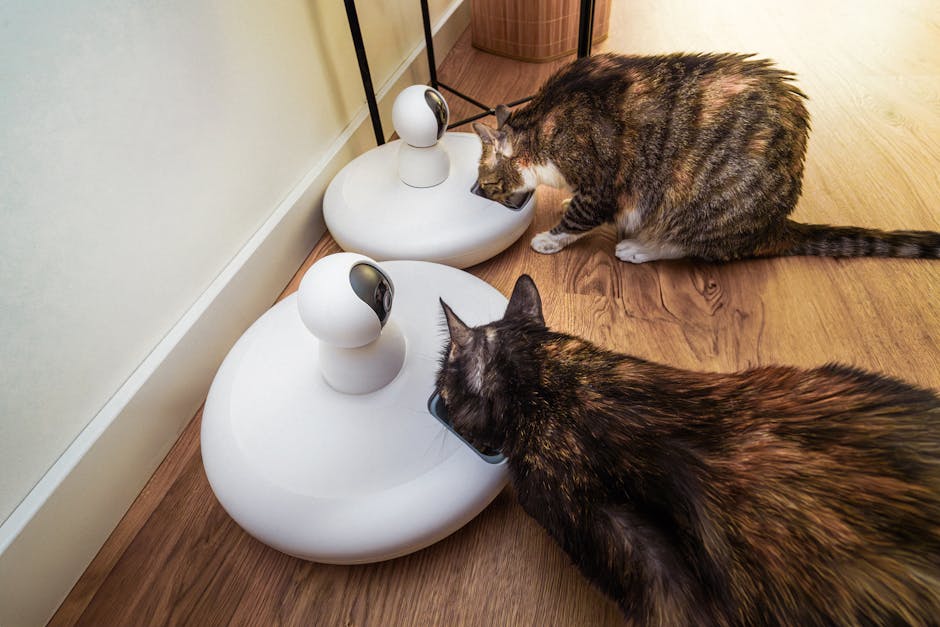
Choosing the right food for your feline friend can feel like a puzzle. You stand in the pet food aisle, wondering: Is dry cat food better than wet cat food?
Both options have their benefits, but which one truly meets your cat's needs? This decision isn't just about what your cat will eat; it's about their health, happiness, and your peace of mind. By understanding the differences, you can make an informed choice that supports your cat's well-being.
Dive into this article to uncover the secrets behind dry and wet cat food, and discover which option is truly the best fit for your furry companion. Your cat's health depends on it, and your decision could make all the difference.
Nutritional Content
When deciding between dry and wet cat food, understanding the nutritional content is crucial. Both types offer unique benefits and drawbacks. Your choice can impact your cat's health and happiness.
Protein Levels
Cats are obligate carnivores, meaning protein is a critical component of their diet. Wet cat food typically contains higher protein levels due to its meat content. This can be beneficial for muscle maintenance and energy.
Dry food, while also protein-rich, sometimes includes plant-based proteins. This can be less beneficial for your feline friend. Always check the label for animal-based protein sources.
Carbohydrates And Fiber
Dry cat food generally contains more carbohydrates. These can provide energy but aren't essential for cats. Too many carbs might lead to weight gain.
Wet cat food has lower carbohydrate content. This aligns with a cat's natural diet in the wild. Fiber, however, can aid in digestion and is present in both types of food.
Vitamins And Minerals
Both wet and dry foods are fortified with essential vitamins and minerals. However, the bioavailability can differ. Wet food often provides more readily absorbed nutrients.
Consider whether your cat has any specific dietary needs. If your cat has a deficiency, consult your vet to choose the right food type. Are you confident your current choice meets all your cat’s nutritional needs?
Hydration Benefits
Choosing between dry and wet cat food often boils down to understanding the hydration benefits each offers. You might have noticed your cat drinking less water when they primarily eat wet food. That's because wet food's higher moisture content helps them stay hydrated, which is crucial for their overall health. As a responsible pet owner, it's essential to know how these food types impact your cat's hydration levels and urinary health.
Moisture Content In Wet Food
Wet cat food typically contains about 70-80% moisture. This high moisture content can be a lifesaver for cats who don't drink enough water on their own. Cats are naturally inclined to get their hydration from food, much like their wild ancestors. If your cat isn't a fan of the water bowl, wet food might be an ideal solution to ensure they stay adequately hydrated.
Impact On Urinary Health
Hydration isn't just about quenching thirst; it's vital for maintaining urinary health. Cats who consume wet food tend to have fewer urinary tract problems. Proper hydration helps flush out toxins and reduce the concentration of minerals in the urine, lowering the risk of kidney stones and urinary tract infections. Have you noticed your cat struggling with urinary issues? Wet food could be the key to improving their condition.
Dental Health Considerations
When choosing between dry and wet cat food, dental health is often a significant concern for pet owners. Each type has its own benefits and drawbacks regarding your cat's oral hygiene. Understanding these considerations can help you make an informed decision about your feline friend's diet.
Dry Food And Teeth Cleaning
Dry cat food is often championed for its ability to help keep your cat's teeth clean. The crunchy texture can act like a mild abrasive, scraping away plaque and reducing tartar buildup as your cat chews. Many pet owners notice that their cats enjoy the crunch and it's a great way to provide some dental care without the fuss.
However, it's important to remember that dry food alone isn't a substitute for regular veterinary dental checkups or proper dental hygiene practices. Just like humans need more than a piece of toast to keep their teeth healthy, cats benefit from additional dental care beyond just dry food.
Wet Food And Oral Health
Wet cat food, with its soft texture, doesn’t offer the same abrasive action as dry food. This might lead to concerns about increased plaque and tartar. However, wet food often contains fewer carbohydrates, which can be beneficial for oral health. High carb content in foods can contribute to plaque formation.
Moreover, if your cat already has dental issues or is older, wet food can be easier on their gums and teeth. It's less likely to cause discomfort while eating, ensuring they get the nutrients they need without a struggle. But what happens when wet food is the only option? Should you worry about dental health?
Perhaps incorporating regular dental cleanings and oral care products designed for cats might be necessary. These steps can help mitigate any potential drawbacks of an all-wet food diet. So, which food type will you choose for your feline friend? Consider their age, dental history, and personal preferences before deciding.

Credit: www.instagram.com
Convenience And Storage
Choosing between dry and wet cat food involves considering convenience and storage. These factors impact daily routines and budget. Understanding the shelf life and storage needs helps make informed decisions.
Shelf Life Of Dry Food
Dry cat food boasts a longer shelf life. It can be stored for months without spoiling. This makes it ideal for busy households. Stocking up is easy, reducing frequent trips to the store. The packaging keeps it fresh until opened. Once opened, seal it tightly to maintain freshness. A cool, dry place is best for storage.
Storage Requirements For Wet Food
Wet cat food needs more careful storage. Once opened, it should be refrigerated. This maintains its quality and prevents spoilage. Unopened cans last long but not as long as dry food. Consider the need for fridge space. Wet food often comes in smaller portions. This helps with quick consumption, reducing waste.
Cost Analysis
Choosing between dry and wet cat food involves several factors. Cost is a major consideration for many pet owners. Understanding the financial aspects of both options helps make an informed decision. Let's dive into a cost analysis to see which type fits your budget better.
Price Comparison
Dry cat food tends to be cheaper than wet cat food. A bag of dry food often costs less and lasts longer. Wet food, on the other hand, is sold in smaller quantities and requires more frequent purchases. When buying in bulk, dry food offers significant savings.
Wet food is priced per can or pouch. This adds up quickly, especially for multiple cats. Dry food is more economical for large households. Additionally, dry food's long shelf life reduces waste. Wet food can spoil if not consumed quickly. This can lead to more frequent purchases.
Long-term Cost Implications
Long-term costs include more than just the price of food. Dry food may lead to dental issues over time. This could result in vet bills. Wet food offers better hydration, potentially reducing urinary problems. This might save on vet costs.
Consider the health of your cat. A balanced diet tailored to your cat's needs can prevent costly health problems. While dry food is cheaper upfront, wet food may offer health benefits. These benefits could offset higher costs in the long run. Evaluate both options based on your cat’s specific health needs and preferences.
Feeding Preferences
When it comes to feeding preferences, both dry and wet cat food have their unique advantages. Choosing the right type depends on your cat's taste, feeding routine, and your lifestyle. While some cats are picky eaters, others are more flexible. Understanding these preferences can make mealtime more enjoyable for both you and your feline friend.
Cat Taste Preferences
Cats can be surprisingly finicky about their food. Some cats show a clear preference for the texture and aroma of wet food. It's often rich and satisfying, mimicking the freshness of their natural prey. If your cat has a refined palate, you might notice them eagerly devouring wet food.
On the flip side, dry food has its own charm. Crunchy kibble can be appealing to many cats, providing a satisfying bite. Additionally, some cats prefer the consistent taste and texture of dry food over the variability of wet food. Have you ever watched your cat munch happily on kibble? That contentment might be a sign of a preference.
Feeding Routine Flexibility
Your lifestyle and feeding routine can significantly influence your choice between dry and wet food. Dry food offers flexibility and convenience. You can easily leave it out for your cat to nibble throughout the day without worrying about spoilage.
Wet food, however, requires a more structured feeding schedule. It should be served fresh and removed after a certain period to prevent spoilage. If you're home regularly and enjoy a consistent feeding routine, wet food could fit well into your schedule.
Think about your daily routine. Are you often away from home or do you prefer feeding your cat at set times? This might help you decide which option suits you and your cat best. Would your lifestyle benefit from the flexibility of dry food or the structured routine of wet food?
Weight Management
Choosing between dry and wet cat food affects weight management. Dry food is convenient and often contains fewer calories. Wet food offers moisture, aiding hydration but can be higher in calories, which might impact weight control.
Weight management is a crucial aspect of your cat's health, and the type of food you choose can play a significant role. Whether you opt for dry or wet cat food, understanding their impacts on your feline friend's weight can help you make an informed decision. Cats can be prone to obesity, which can lead to various health issues, so choosing the right food is key to maintaining their optimal weight.
Caloric Density
Dry cat food generally has a higher caloric density than wet food. This means that your cat might consume more calories in a smaller amount of dry food. If your cat is a grazer and eats throughout the day, they might end up consuming more calories than necessary, leading to weight gain. On the other hand, wet cat food often contains more water, resulting in fewer calories per serving. This can make it easier to control your cat's calorie intake and help them feel full without overeating. Do you find it easier to manage your cat's portion sizes with dry or wet food?
Impact On Obesity Risk
The risk of obesity increases when cats consume more calories than they burn. With dry food's higher caloric density, the risk of overfeeding becomes more significant. Cats might love the crunch, but it's important to measure their portions carefully. Wet food, with its lower calorie count and higher moisture content, can help mitigate this risk. It can be particularly beneficial for cats that need to lose weight or maintain a healthy weight. Have you noticed any changes in your cat's weight after switching from dry to wet food or vice versa?

Credit: www.purina.com
Environmental Impact
Dry cat food typically has a lower environmental impact than wet food. It requires less packaging and energy for production. Additionally, dry food's longer shelf life minimizes waste, contributing to a more sustainable choice for pet owners.
The environmental impact of your cat's food choice might not be the first thing on your mind, but it plays a crucial role in sustainability. As you weigh the options between dry and wet cat food, it's important to consider how each type affects the planet. From packaging waste to broader sustainability considerations, every choice contributes to the bigger picture.
Packaging Waste
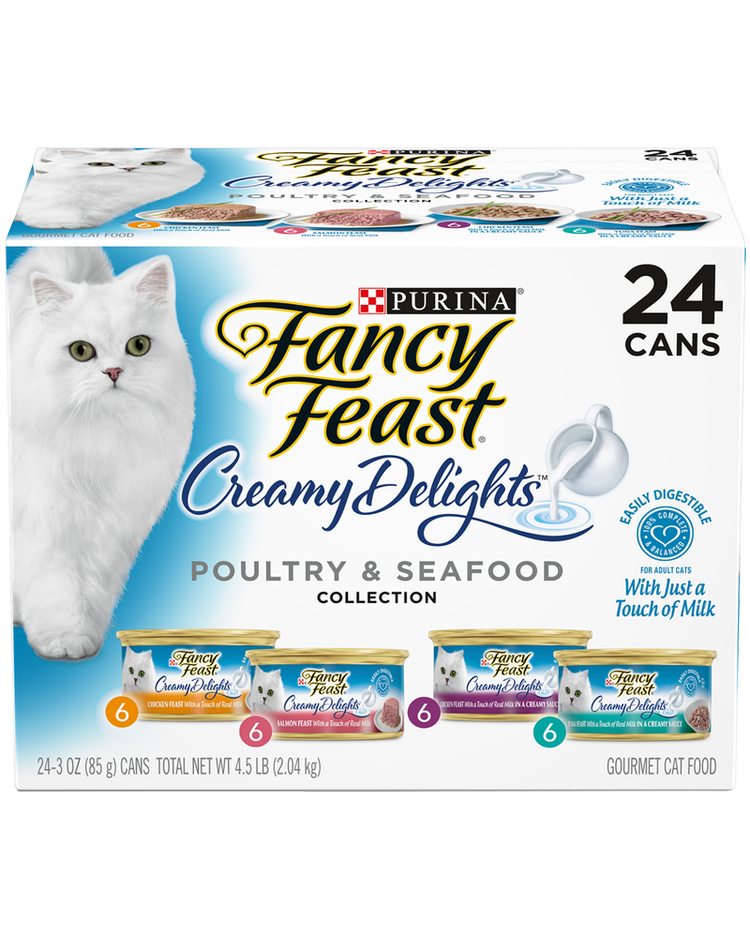
When you purchase cat food, the packaging is one of the first things you notice. Wet cat food often comes in single-use cans or pouches, which can lead to significant waste. Even if they're recyclable, not all of them make it to the recycling bin. Dry cat food, on the other hand, typically comes in larger bags that may last longer. This means fewer trips to the store and less packaging waste overall. However, these bags can be difficult to recycle due to their mixed-material composition. What steps do you take to minimize waste in your household? Sometimes, opting for brands that prioritize eco-friendly packaging can make a difference.
Sustainability Considerations
Sustainability is more than just packaging; it's about the entire lifecycle of the product. Wet cat food has a higher water content, which can mean more resources are used during production and transportation. This can increase its carbon footprint compared to dry food. Dry food requires less energy to produce and ship, given its lower weight and longer shelf life. This often results in a smaller environmental footprint. But don't forget to look at the ingredients—sustainable sourcing is key. Consider supporting brands that are transparent about their sustainability practices. What could be more rewarding than knowing you're feeding your cat and taking care of the planet at the same time? By considering these factors, you can make a more informed choice that aligns with your values. Are you ready to choose a cat food option that supports a healthier planet?
Credit: www.purina.com
Frequently Asked Questions
Is It Healthier To Feed Cats Wet Or Dry Food?
Wet food often provides better hydration and can be easier for cats to digest. Dry food is convenient and helps with dental health. A balanced diet incorporating both types can offer the best health benefits. Consult your vet for personalized advice for your cat's specific needs.
What Are The Disadvantages Of Dry Cat Food?
Dry cat food can lead to dehydration due to low moisture content. It may cause dental issues and obesity. Some cats may develop urinary tract problems. Quality varies, with some brands lacking essential nutrients. Always monitor your cat's health and consult a vet for dietary advice.
What Is The Healthiest Food To Feed A Cat?
High-quality commercial cat food is the healthiest choice. Look for options rich in protein and low in carbohydrates. Ensure it meets AAFCO standards. Consult your vet for specific dietary needs. Avoid foods with artificial additives. Fresh water should always be available.
Which Cat Food Is Best, Dry Or Wet?
Both dry and wet cat food have benefits. Wet food offers hydration and is often more palatable. Dry food supports dental health and is convenient. Choose based on your cat's needs, preferences, and dietary requirements. Always ensure a balanced diet and consult your veterinarian for personalized advice.
Conclusion
Choosing between dry and wet cat food depends on your cat's needs. Each type offers distinct benefits. Dry food is convenient and helps dental health. Wet food provides hydration and more flavor. Consider your cat's health and preferences. Balance might be key.
Mixing both can offer variety and nutritional balance. Consult your vet for personalized advice. Remember, your cat's happiness and health come first. Explore options, monitor changes, and adjust as needed. Your furry friend's well-being matters most. Keep observing, and make informed choices for a happy, healthy cat.