
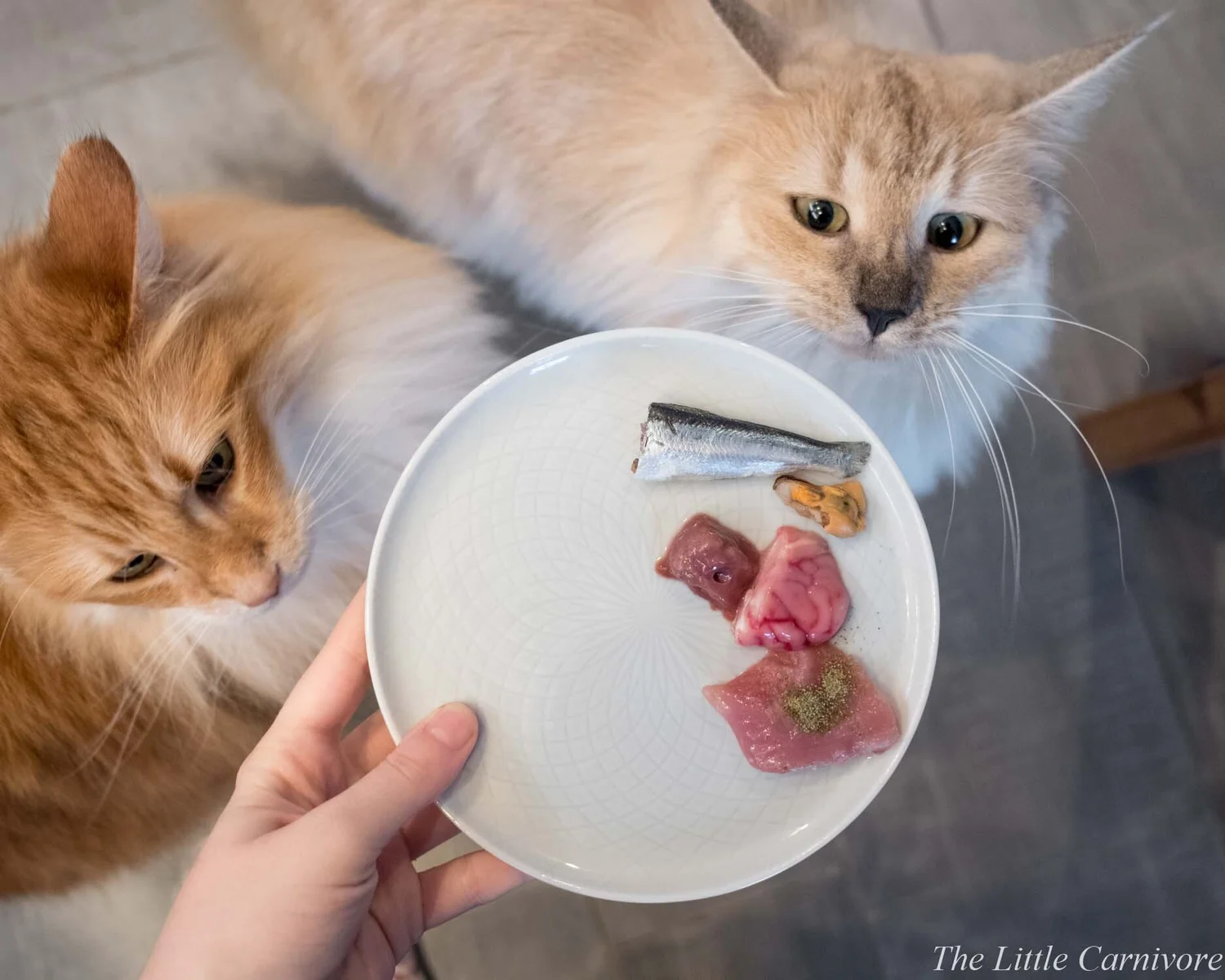
Owning a cat comes with a quiet joy: the soft rumble of their purr, the playful pounce on a toy, the quiet companionship that makes a house feel like a home. But ensuring that joy lasts for years comes down to one often overlooked foundation: proper nutrition. Cats are not small dogs, and their nutritional needs are uniquely tied to their evolution as obligate carnivores, meaning their bodies are designed to thrive on animal-based nutrients, not plant-based fillers. This guide breaks down exactly what your cat needs to thrive, common mistakes to avoid, and how to make informed choices about their diet, no fad trends or confusing marketing jargon required.
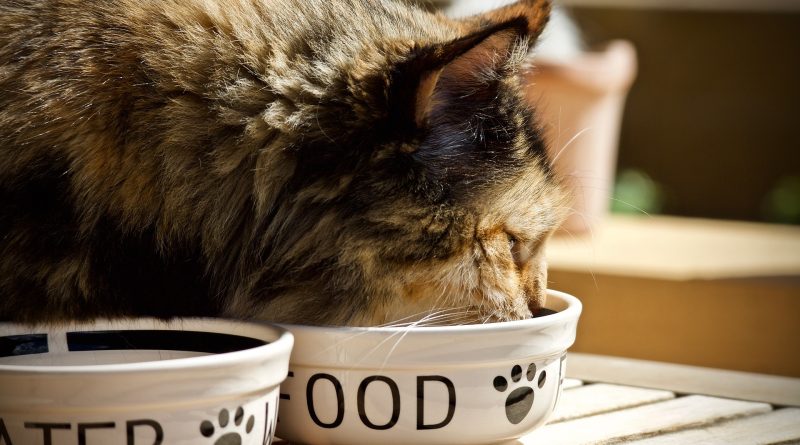
Wet food provides critical moisture to support urinary tract and kidney health in cats.
Credit: sites.tufts.edu
Core Nutrient Breakdown for Obligate Carnivores
Cats are classified as obligate carnivores, meaning their evolutionary biology requires nutrients found only in animal tissue to survive and thrive. Unlike omnivores such as dogs or humans, cats lack the metabolic pathways to convert plant-based nutrients into essential forms their bodies need, making animal-based protein the foundation of any healthy diet. The Association of American Feed Control Officials (AAFCO) sets minimum nutrient standards for all cat foods sold in the U.S., guidelines that are aligned with FDA’s official pet nutrition recommendations to ensure feline safety and nutritional adequacy: adult cats require at least 26% crude protein on a dry matter basis, while kittens and pregnant/lactating cats need a minimum of 30% to support growth and reproduction.
Protein
Animal-based proteins (chicken, turkey, fish, beef, lamb) provide all the essential amino acids cats cannot synthesize on their own. Taurine, perhaps the most well-known, supports heart muscle function, retinal health, and reproductive success; a deficiency leads to irreversible dilated cardiomyopathy and blindness. Arginine, another critical amino acid, helps cats process ammonia from protein digestion; a single meal lacking arginine can cause life-threatening hyperammonemia. Plant-based proteins (soy, pea, corn) are incomplete for cats, as they lack these essential amino acids in usable forms, and are often added to low-quality cat foods only to boost crude protein percentages without providing nutritional value.
Fats
Fats are the second most critical nutrient for cats, providing 9 calories per gram (more than double the energy of protein or carbs) and supporting cell function, vitamin absorption, and inflammation control. AAFCO sets a minimum of 9% crude fat on a dry matter basis for adult cats, with higher levels (up to 20%) recommended for active kittens and lactating queens. Omega-6 and omega-3 fatty acids are the most important: a ratio of 1:2 to 1:4 omega-6 to omega-3 supports healthy skin, a glossy coat, and joint mobility. Fish oil, chicken fat, and flaxseed (in small amounts, as cats poorly convert plant-based omega-3 to usable forms) are ideal sources. Fat deficiencies cause dry, flaky skin, dull coats, and impaired immune function, while excess fat leads to obesity and pancreatitis.
Carbohydrates & Fiber
Cats have no biological dietary requirement for carbohydrates, as their liver converts protein to glucose (a process called gluconeogenesis) to meet their energy needs. Most dry cat foods contain 30–50% carbohydrates on a dry matter basis, which are added as cheap fillers and provide no nutritional value for cats. The only beneficial carbohydrate for cats is fiber: 2–4% crude fiber on a dry matter basis supports digestive health by feeding beneficial gut bacteria and adding bulk to stool to reduce hairball formation. Soluble fiber sources like pumpkin and beet pulp are ideal, while excess fiber (over 10%) reduces nutrient absorption and can lead to weight loss and gastrointestinal upset.
Micronutrient & Taurine Requirements
Vitamins and minerals support nearly every bodily function in cats, and must be present in precise ratios to avoid toxicity or deficiency. Taurine, while technically an amino acid, is so critical for feline health that it is often grouped with essential micronutrients due to its unique role.
Essential Vitamins
Cats require 13 essential vitamins, most of which must come from animal-based ingredients, as they cannot synthesize many on their own. Vitamin A (from liver, fish oil) supports vision, skin health, and immune function; deficiency causes night blindness and dry, scaly skin. B vitamins (thiamine, riboflavin, niacin, B12) support energy metabolism and nerve function; thiamine deficiency, common in cats fed raw fish containing thiaminase, causes fatal neurological damage. Vitamin D (from liver, fish) regulates calcium absorption for bone health; cats cannot synthesize vitamin D from sunlight like humans, so dietary intake is critical. Vitamin E acts as an antioxidant to protect cells from damage, and works synergistically with selenium to support immune function.
Key Minerals
Minerals must be present in precise ratios to avoid health issues. Calcium and phosphorus are the most critical, with an ideal ratio of 1:1 to 2:1 (calcium to phosphorus) to support bone health and kidney function; excess phosphorus, common in low-quality foods and unbalanced raw diets, accelerates kidney damage in senior cats. Magnesium supports nerve and muscle function, but excess levels can contribute to urinary crystal formation in cats prone to FLUTD. Iron supports oxygen transport in red blood cells, while zinc supports skin health and wound healing. Sodium and potassium regulate fluid balance and nerve function, and are often overlooked in homemade diets.
Taurine: The Non-Negotiable Amino Acid for Cats
While often grouped with amino acids, taurine is so critical for cats it deserves dedicated attention. Cats cannot produce enough taurine endogenously, so 100% of their requirement must come from dietary sources. In addition to preventing dilated cardiomyopathy and retinal degeneration, taurine supports healthy kitten development, reproductive function in breeding cats, and bile salt production for fat digestion. Cooking and processing can degrade taurine in food, which is why AAFCO requires a minimum of 0.1% taurine on a dry matter basis for adult cat foods, and 0.2% for kitten foods. Taurine deficiency develops slowly over months, so cats on unbalanced diets (including many homemade and raw diets) may appear healthy until severe, irreversible damage occurs.
Hydration: The Overlooked Nutritional Staple
Cats have a low thirst drive evolved from their desert-dwelling ancestors, so they rely heavily on moisture from their food to meet daily hydration needs. Inadequate hydration is a leading contributor to chronic kidney disease, urinary tract infections, and urinary crystal formation in cats. The average 10-pound adult cat needs 3.5–4.5 ounces (100–130 mL) of water per day, but cats fed exclusively dry food may need to drink twice that amount to compensate for the 10% moisture content of dry kibble, compared to 75–80% moisture in wet food.
Daily Water Intake Guidelines
Wet food should make up at least 50% of a cat’s diet to ensure adequate moisture intake, especially for cats with a history of urinary issues or chronic kidney disease. For cats that refuse wet food, adding water or low-sodium bone broth to dry kibble can increase moisture intake, as can investing in a pet water fountain, which appeals to cats’ preference for running water over stagnant bowl water. In practice, most cats resist drinking from bowls placed directly next to their food dishes, as their instincts tell them to avoid consuming water near potential prey contamination.
Signs of Dehydration to Watch For
Dehydration in cats is often subtle in early stages, but progresses quickly to life-threatening organ failure. To test for dehydration, gently pinch the skin between your cat’s shoulder blades: if it does not snap back to its original position within 1–2 seconds, your cat is dehydrated. Other signs include dry, sticky gums, sunken eyes, lethargy, and reduced urine output (fewer than 1–2 clumps of urine per day in the litter box). If you suspect moderate to severe dehydration, seek veterinary care immediately, as IV fluid therapy may be required.
Practical Tips to Boost Water Consumption
Place multiple water bowls in quiet, low-traffic areas around your home, away from food and litter boxes, and use stainless steel or ceramic bowls instead of plastic, which retains odors that deter cats. Adding a few ice cubes to water bowls can also entice curious cats to drink more, as the moving ice mimics running water. For multi-cat households, provide one water bowl per cat plus an extra, to avoid competition for resources.
Feeding Guidelines by Life Stage & Lifestyle
Proper feeding is one of the most impactful ways to extend your cat’s lifespan and prevent chronic disease. Unlike dogs, cats have no evolutionary mechanism to regulate their food intake, so free-feeding dry kibble is a leading cause of feline obesity, a condition that increases risk of diabetes, joint disease, and reduced lifespan.
Calculating Proper Portion Sizes
Start with the feeding guide on your cat’s food label as a baseline, then adjust based on your cat’s ideal body weight, age, and activity level. As a general rule, adult sedentary cats need 20–30 calories per pound of body weight per day, while active cats and kittens need 30–60 calories per pound. For example, a 10-pound adult indoor cat needs 200–300 calories daily, which translates to roughly ½ to ¾ cup of dry kibble or 1 ½ to 2 ½ 5.5-oz cans of wet food, depending on the brand’s calorie density. Weigh your cat monthly and adjust portions by 10% if they gain or lose more than 0.5–1 pound, and factor in treats: treats should make up no more than 10% of your cat’s daily caloric intake to avoid nutrient deficiencies or weight gain. For low-calorie treat options that won’t disrupt your cat’s balanced diet, check out low-calorie training treats formulated for feline nutritional needs.
Optimal Meal Frequency
Cats are natural grazers in the wild, eating 10–20 small meals per day from hunted prey, but most pet owners cannot replicate this schedule. For adult cats, 2–3 measured meals per day is ideal to stabilize blood sugar, prevent overeating, and mimic natural hunting patterns. Kittens under 6 months old need 3–4 meals per day to support rapid growth, while senior cats over 11 years old may benefit from 2 smaller meals per day to support digestive sensitivity. If you struggle to stick to a feeding schedule, automated wet food dispensers can dispense precise portions at set times, reducing the risk of overfeeding and spoilage for wet food diets.
Adjusting for Activity and Weight Goals
Indoor cats have far lower activity levels than outdoor cats, so their calorie needs are often 20–30% lower. For overweight cats, reduce daily caloric intake by 10–20% and increase playtime with interactive toys to boost activity, rather than drastically cutting portions, which can lead to nutrient deficiencies. Underweight cats (including those recovering from illness) may need 30–50% more calories, ideally from high-protein, high-fat wet food to support healthy weight gain. Always consult your veterinarian before making significant changes to your cat’s diet, especially if they have underlying health conditions.
| Life Stage | Minimum Protein (Dry Matter) | Minimum Fat (Dry Matter) | Key Nutritional Considerations |
|---|---|---|---|
| Kittens (0–12 months) | 30% | 20% | Higher calcium/phosphorus for bone growth, extra calories for development |
| Adult Cats (1–7 years) | 26% | 9% | Adjust calories for activity level to prevent obesity |
| Senior Cats (7+ years) | 26% | 9% | Restricted phosphorus for kidney health, added omega-3s for joint/cognitive support |
| Pregnant/Lactating Queens | 30% | 20% | 2–3x normal calorie intake to support kitten growth |
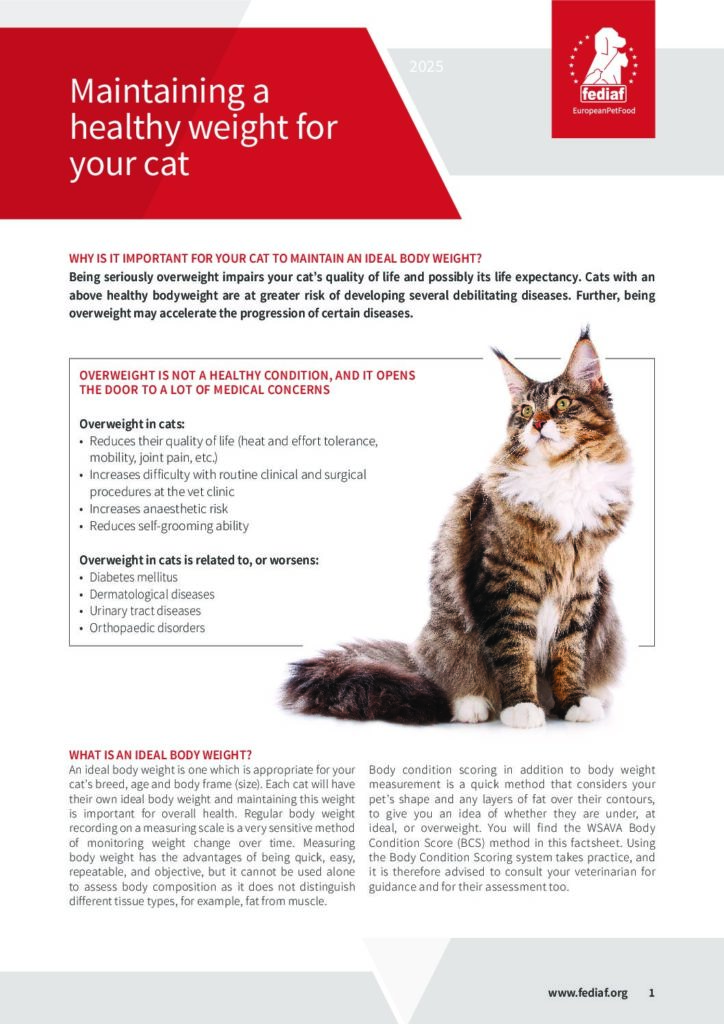
Official European pet food association guidance on maintaining healthy cat weight through proper portion control and activity.
Credit: europeanpetfood.org
Special Dietary Adjustments for Common Health Conditions
A cat’s nutritional needs shift dramatically throughout their life, and failing to adjust their diet to match their life stage or health status can lead to preventable health issues.
Life Stage-Specific Nutrition
Kittens (0–12 months) require diets with at least 30% crude protein and 20% fat on a dry matter basis to support rapid growth and bone development, plus higher levels of calcium and phosphorus for skeletal health. Adult cats (1–7 years) need a maintenance diet with 26% minimum protein, adjusted for activity level to prevent obesity. Senior cats (7+ years) benefit from diets with reduced phosphorus (to support kidney function), increased omega-3 fatty acids (to support joint health and reduce inflammation), and added antioxidants (to support cognitive function). For senior cats with dull coats or joint stiffness, pairing a nutrient-dense diet with coat-supportive grooming tools can reduce shedding and improve comfort.
Therapeutic Diets for Chronic Conditions
Many common feline health conditions require targeted dietary adjustments to manage symptoms and slow disease progression. Cats with chronic kidney disease (CKD) need restricted phosphorus (less than 0.5% on a dry matter basis) and increased omega-3 fatty acids to reduce kidney inflammation; wet food is strongly recommended to support hydration. For cats with diabetes, a low-carbohydrate (less than 10% dry matter), high-protein diet helps stabilize blood sugar levels, and consistent meal timing is critical to avoid glucose spikes. Cats with lower urinary tract disease (FLUTD) benefit from diets that control urinary pH and magnesium levels to prevent crystal formation, and increased moisture intake to promote regular urination. Prescription therapeutic diets are formulated to meet these specific needs, but should only be used under veterinary supervision to ensure they are appropriate for your cat’s unique condition. For cats with CKD, kidney-supportive wet formulas are often recommended by veterinarians to support kidney function and hydration.
Food Allergies and Sensitivities
Food allergies affect 10–15% of cats, with common triggers including chicken, beef, fish, and dairy. Symptoms include chronic itching, ear infections, vomiting, and diarrhea. To diagnose a food allergy, your veterinarian will recommend an elimination diet using a novel protein (e.g., rabbit, venison) or hydrolyzed protein diet for 8–12 weeks, during which no other foods or treats are allowed. If symptoms resolve, the trigger ingredient can be identified by reintroducing foods one at a time. Avoid grain-free diets unless your cat has a confirmed grain allergy, as there is no evidence they are inherently healthier for cats, and some grain-free diets have been linked to dilated cardiomyopathy in cats due to taurine deficiencies.
Choosing Safe, High-Quality Commercial Cat Food
With hundreds of cat food brands on the market, navigating labels and marketing claims can feel overwhelming. Focusing on verifiable quality standards rather than buzzwords like “grain-free” or “all-natural” will help you select a food that meets your cat’s nutritional needs.
Decoding AAFCO Nutrient Statements
All commercial cat foods sold in the U.S. must meet AAFCO nutrient profiles, but not all AAFCO statements are equal. Look for one of two statements on the label: 1) “Formulated to meet the AAFCO Cat Food Nutrient Profiles for [life stage]”, which means the food was designed to meet nutrient standards in a lab, or 2) “Animal feeding tests using AAFCO procedures prove it provides complete and balanced nutrition for [life stage]”, which means the food was tested in live cats and proven to support health. The second statement is considered higher quality, as lab formulations do not always account for nutrient bioavailability in real cats. Avoid foods that only state they are “for intermittent or supplemental use only”, as these are not complete and balanced.
Wet Food vs. Dry Food: Myth-Busting
The choice between wet and dry food comes down to your cat’s specific needs and your lifestyle, not blanket claims of one being universally better. Wet food’s 75–80% moisture content makes it ideal for cats with urinary issues, CKD, or low thirst drives, and its strong aroma appeals to picky eaters. Dry food is more convenient to store and feed, and is often more affordable, but claims that it improves dental health are overstated: only dry foods with the Veterinary Oral Health Council (VOHC) seal of approval have been proven to reduce plaque and tartar buildup. Many cat owners choose a mixed diet of 50% wet and 50% dry food to balance hydration, cost, and convenience. For high-quality wet options that meet AAFCO standards, see our guide to top-rated wet food options.
How to Read Ingredient Labels Like a Pro
Ingredient lists are ordered by weight before cooking, so the first 3–5 ingredients make up the majority of the food’s content. Look for a specific animal protein source (e.g., “chicken”, “salmon”) as the first ingredient, not vague terms like “meat by-products” or “animal digest”, which are often lower-quality, less digestible protein sources. “By-products” are not inherently unhealthy: they include nutrient-dense organs like liver and heart, which are rich in vitamins and taurine, but “by-product meal” is a more concentrated, consistent source of these nutrients. Avoid foods with excessive fillers like corn, wheat, and soy as top ingredients, as these provide little nutritional value for cats. Finally, check that taurine is explicitly listed as an added ingredient, as processing can degrade natural taurine levels in food.
Homemade & Raw Diets: Risks and Safety Guidelines
Homemade diets offer control over ingredient quality, which is appealing for cats with severe food allergies or owners who want to avoid processed foods. However, the risks often outweigh the benefits for most pet owners, and strict safety guidelines must be followed to avoid harm.
Pros and Cons of Homemade Diets
Fresh, gently cooked ingredients can improve coat quality and energy levels in some cats, and homemade diets eliminate the risk of contaminated or recalled commercial foods. However, veterinary nutritionists consistently report that the vast majority of homemade diets prepared by pet owners without professional guidance are deficient in one or more essential nutrients, including taurine, calcium, and vitamin D, leading to long-term health complications. Raw diets carry an additional risk of bacterial contamination: FDA testing of raw pet food samples regularly finds high rates of salmonella and listeria, bacteria that can cause severe, life-threatening illness in cats and their human household members. There is no peer-reviewed evidence that raw diets provide health benefits over cooked, balanced commercial diets for most cats, and the risks of bacterial contamination and nutrient deficiency far outweigh any perceived benefits.
Non-Negotiable Safety Rules
If you choose to feed a homemade diet, follow these rules to minimize risk: 1) Only use recipes formulated by a board-certified veterinary nutritionist, not random recipes found online or in books. Veterinary nutritionists at institutions like the Cummings School of Veterinary Medicine at Tufts University emphasize that even small imbalances can cause severe, long-term health damage in cats. 2) Never feed raw diets without discussing risks with your veterinarian. 3) Avoid toxic ingredients including onions, garlic, grapes, raisins, chocolate, xylitol, and excessive liver, which can cause fatal organ damage. 4) Supplement taurine, calcium, and vitamin D as directed by your veterinarian, as these are almost always deficient in homemade diets.
Unbalanced raw diets can lead to severe nutrient deficiencies and bacterial contamination risks for cats.
Credit: rawrations.com
Common Nutritional Mistakes to Avoid
Even well-meaning cat owners make avoidable errors that impact their cat’s long-term health. Avoiding these common pitfalls will help ensure your cat gets the nutrition they need to thrive.
Overfeeding and Treat Overuse
Obesity affects 60% of pet cats in the U.S. and is linked to diabetes, joint disease, respiratory issues, and reduced lifespan. The most common cause is free-feeding dry kibble, which allows cats to overconsume calories without regulation, combined with excessive treats that add empty calories. Stick to measured portions at scheduled meals, and limit treats to no more than 10% of your cat’s daily caloric intake. If you use treats for training, opt for training-friendly low-calorie treats to avoid exceeding calorie limits.
Incomplete or Imbalanced Diets
Feeding dog food, vegetarian/vegan diets, or unformatted homemade diets are all common causes of nutrient deficiencies in cats. Dog food lacks sufficient taurine, arachidonic acid, and vitamin A for cats, leading to heart failure and blindness over time. Vegan diets cannot provide the animal-based nutrients cats require, and can cause severe taurine deficiency and malnutrition. Even commercial “grain-free” or “limited ingredient” diets may be incomplete if they do not meet AAFCO standards, so always check for the complete and balanced statement on the label.
Dangerous Fad Diet Trends
Raw diets, while popular among some pet owners, carry significant risks of bacterial contamination and nutrient deficiency, as noted above. Another common trend is feeding exclusively “human-grade” or “fresh” cat foods, which are not inherently better than high-quality commercial foods, and are often far more expensive without proven health benefits. Always consult your veterinarian before switching your cat to a new diet, especially if it deviates from standard complete and balanced commercial options.
Frequently Asked Questions
What are a cat’s core nutritional needs?
Cats require six core nutrients to thrive: high-quality animal protein, fat, minimal carbohydrates, vitamins, minerals, and fresh water. As obligate carnivores, their diet must be centered on animal-based protein to provide essential amino acids like taurine, which they cannot synthesize on their own.
Can cats thrive on a vegetarian or vegan diet?
No. Cats are obligate carnivores with no biological ability to convert plant-based nutrients into essential forms like taurine, arachidonic acid, and preformed vitamin A. Vegan or vegetarian diets lead to severe, life-threatening nutrient deficiencies, including dilated cardiomyopathy, blindness, and immune system failure, even if they are marketed as “complete and balanced”.
What is the 25% rule for cat food labeling?
The AAFCO 25% rule states that if a cat food’s name includes a specific ingredient (e.g., “Chicken Dinner for Cats”), that ingredient must make up at least 25% of the product’s total weight, not including added water. If the label says “with chicken”, the ingredient only needs to make up 3% of the product, and “chicken flavor” requires less than 1% chicken content. Always check the ingredient list to confirm the actual proportion of your desired protein source.
How much water does a cat need daily?
The average 10-pound adult cat needs 3.5–4.5 ounces (100–130 mL) of water per day. Cats fed exclusively dry food may need to drink twice this amount to compensate for the low moisture content of kibble, so wet food should make up at least 50% of their diet to reduce dehydration risk.
What should I do if my cat is a picky eater?
Picky eating is often a sign of overfeeding or boredom with the same food. Try offering small portions of a high-protein, strong-smelling wet food, warming it slightly to release aroma, or rotating between two approved complete and balanced foods every few months. Avoid adding excessive toppers or treats, as this can encourage picky behavior and lead to nutrient imbalances.
Conclusion
Cats have uniquely specific nutritional needs rooted in their evolution as obligate carnivores, and meeting these requirements is the single most impactful step you can take to support their long-term health and happiness. A balanced diet built around high-quality animal protein, adequate fat, minimal carbohydrates, and essential micronutrients, paired with proper hydration and consistent portion control, will support healthy growth, strong immune function, and a reduced risk of chronic conditions like kidney disease, diabetes, and obesity.
Every cat is unique, with needs that shift as they age, gain or lose weight, or develop health conditions. Work closely with your veterinarian to tailor your cat’s diet to their individual profile, and avoid fad diets or unverified homemade recipes that can lead to dangerous nutrient deficiencies. For personalized guidance on selecting the right food and feeding schedule for your feline companion, schedule a consultation with your veterinarian to build a plan that supports their individual needs and helps them thrive for years to come.