
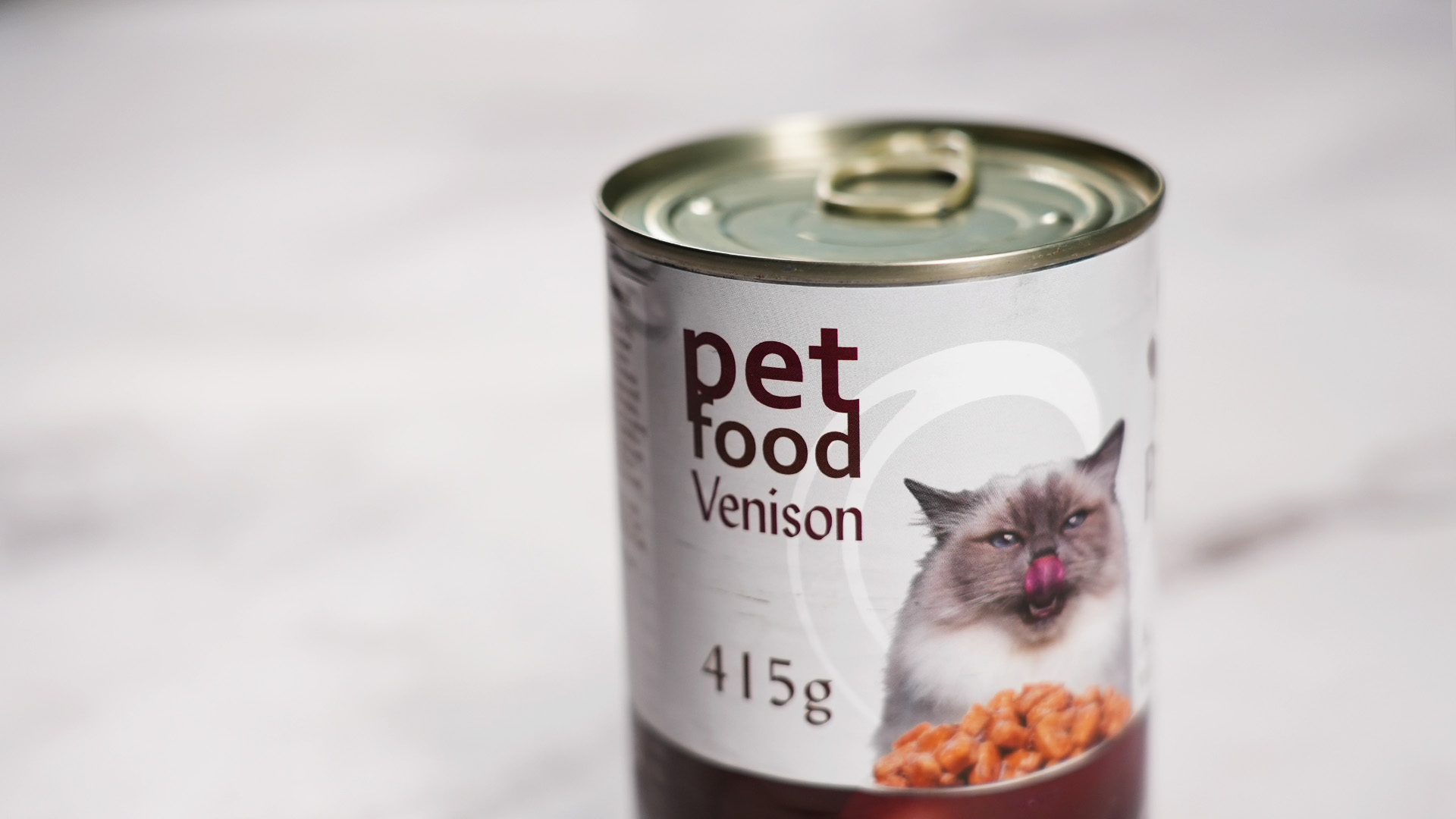
Imagine this: your cat meows for its meal, and you oblige by serving up its favorite wet food. But then life happens—you get distracted and leave the food out longer than planned.
You might wonder, "Is it safe? " Or "Will my cat eat it later? " These questions are crucial for any pet owner who wants the best for their furry friend. Wet cat food can be tricky to manage, and leaving it out might affect your cat’s health and happiness.
We’ll dive into the specifics of leaving wet cat food out. You’ll learn how long it's safe, what happens if it sits too long, and practical tips to ensure your cat’s meal stays fresh and appetizing. Understanding these key points will empower you to make the best choices for your pet. Keep reading to uncover expert insights that could change the way you handle your cat’s feeding routine forever!

Credit: www.wikihow.com
Wet Cat Food Storage
Wet cat food is a staple in many feline diets, offering the moisture and nutrition that dry food often lacks. However, understanding how to store it properly is essential to keep your cat healthy and the food fresh. Improper storage can lead to spoilage, waste, and potential health issues for your pet. Let's dive into the best practices for wet cat food storage.
Ideal Storage Conditions
Once opened, wet cat food should be transferred to an airtight container. Keeping it sealed preserves its freshness and prevents exposure to air, which can lead to spoilage. Choose containers that are small enough to hold just a can or two, allowing for easy storage in your fridge.
It’s also crucial to label each container with the date it was opened. This helps you keep track of freshness and ensures you use older food first. Don't rely solely on your memory—make labeling a habit.
Temperature Guidelines
Refrigeration is key when it comes to storing opened wet cat food. The fridge should be set to a temperature between 35°F and 40°F (1.6°C and 4.4°C). This range is optimal for slowing down bacterial growth while keeping the food palatable.
Ever noticed your cat turning its nose up at cold food? Try gently warming the refrigerated food to room temperature before serving. This can enhance the aroma and make it more appetizing for your furry friend.
Avoiding Spoilage
Never leave wet cat food out for more than four hours. After this period, the risk of bacterial contamination increases significantly. If your cat doesn’t finish their meal in one sitting, remove the leftovers and store them properly.
Regularly check for any changes in color, smell, or texture. These are telltale signs of spoilage. Trust your senses and when in doubt, toss it out. Your cat's health is worth more than saving a few pennies on spoiled food.
Have you ever had to throw out food because it spoiled? Share your experiences and tips in the comments below!
Time Limits For Wet Cat Food
Wet cat food should not be left out for more than two hours. Bacteria grow quickly in moist food. Refrigerate leftovers promptly to keep them fresh.
Time limits for wet cat food are crucial for your pet's health. Wet cat food can spoil quickly once opened. Understanding how long it can safely sit out helps avoid health risks. Cats are sensitive to spoiled food, which can lead to digestive problems.
Safe Duration
Wet cat food should not be left out for more than 2 hours. Bacteria can multiply quickly in moist food. After 2 hours, the risk of spoilage increases. Refrigerate leftovers promptly to keep them safe.
Signs Of Spoiled Food
Check for a sour or off smell. Discoloration is another sign of spoilage. Mold growth indicates it's no longer safe. If the food looks or smells unusual, discard it immediately.
Impact Of Environment
Room temperature affects how fast wet food spoils. Warm rooms speed up bacterial growth. Cold environments slow down spoilage. Always consider the room's temperature when feeding your cat. Adjust feeding habits if the room is warmer than usual.
Health Risks Of Leaving Food Out
Leaving wet cat food out for too long can pose significant health risks to your feline friend. While convenience might tempt you to let the food sit in the bowl, it's essential to consider the potential dangers lurking in that decision. Let's dive into the specific health risks associated with leaving wet cat food out.
Bacterial Growth
Wet cat food is a breeding ground for bacteria. Once exposed to room temperature, harmful bacteria like Salmonella and E. coli can multiply rapidly. These bacteria thrive in the moisture-rich environment of wet cat food, making it unsafe for consumption if left out for more than a couple of hours.
Have you ever noticed a sour smell from leftover food? That's a clear sign that bacteria have taken over. To keep your cat safe, it's crucial to discard any wet food left out for too long, even if it seems wasteful.
Potential Illnesses
Consuming contaminated food can lead to severe health issues for your cat. Symptoms like vomiting, diarrhea, and lethargy can occur if your cat ingests spoiled food. In more severe cases, bacterial infections can lead to serious complications requiring veterinary intervention.
Is it worth risking your cat's health for the sake of convenience? Ensuring fresh food is always available can prevent these potential illnesses and keep your cat healthy and happy.
Behavioral Concerns
Leaving food out continuously might encourage bad eating habits in your cat. Cats might become picky eaters or develop a habit of eating spoiled food, thinking it's normal. This behavior can be challenging to correct and might lead to health issues down the road.
By maintaining a consistent feeding schedule and promptly removing uneaten food, you can foster good eating habits. Do you want your cat to enjoy fresh meals and stay healthy? Taking control of their feeding routine is a step in the right direction.
Best Practices For Feeding
Feeding your cat involves more than just filling a bowl. Following best practices ensures your cat stays healthy and happy. Understanding portion control, maintaining a regular feeding schedule, and monitoring consumption are key.
Portion Control
Proper portion control is crucial for your cat's health. Overfeeding can lead to obesity and health issues. Check the food label for guidance on portion size. Adjust portions based on your cat's age, weight, and activity level.
Smaller, frequent meals can prevent overeating. Use a measuring cup for accuracy. This ensures your cat gets the right amount of nutrients daily.
Regular Feeding Schedule
A regular feeding schedule helps your cat know when to expect meals. It also helps regulate their digestive system. Feed your cat at the same time every day.
This routine creates a sense of security. Consistency is key. It helps reduce stress and anxiety in cats.
Monitoring Consumption
Monitoring your cat's consumption is vital. It helps identify changes in eating habits. Sudden changes might indicate health issues.
Keep track of how much food is eaten. Note any leftovers. This information helps you adjust portions and schedule.
Alternatives To Wet Food
Leaving wet cat food out for too long can lead to spoilage. Seeking alternatives ensures your cat gets a nutritious meal without the risk. Explore some options that can complement or replace wet food.
Dry Food Benefits
Dry food offers convenience and longer shelf life. It stays fresh without refrigeration. Cats can nibble throughout the day, reducing waste. This option often comes with balanced nutrients. Additionally, it helps maintain dental health by reducing plaque buildup. Many find it a budget-friendly choice for daily feeding.
Mixing Wet And Dry
Combining wet and dry food gives balance. This method provides hydration from wet food. At the same time, dry food offers the crunch cats enjoy. Mixing ensures varied textures and flavors. It enhances appetite, especially for picky eaters. Also, it provides a well-rounded diet, catering to different nutritional needs.
Homemade Options
Preparing homemade meals allows control over ingredients. You can tailor the diet to suit your cat's preferences. Use fresh meat, vegetables, and grains. Ensure meals meet nutritional requirements. Homemade options offer variety and freshness. They can be an excellent supplement to commercial cat food. Always consult a vet before making dietary changes.

Credit: www.wikihow.com

Credit: www.wikihow.com
Frequently Asked Questions
How Long Can Cat Wet Food Be Left Out?
Cat wet food should not be left out for more than 2 hours. Bacteria grow quickly at room temperature. Discard any uneaten food after this period to ensure your cat's health and safety. Always store opened cans in the refrigerator to maintain freshness and prevent spoilage.
How Long Can I Leave Wet Food Out For My Cat On Reddit?
Wet cat food should not be left out for more than 2-4 hours. Bacteria can grow quickly, making it unsafe. Always serve fresh portions and store leftovers in the fridge.
What Is The 25 Rule For Cat Food?
The 25 rule for cat food means the product must contain at least 25% of the named ingredient. For example, "Chicken Dinner" must have 25% chicken.
How To Store Wet Cat Food After Opening?
Store opened wet cat food in an airtight container. Refrigerate it promptly to maintain freshness. Use the food within 2-3 days. Always check for any signs of spoilage before serving. Proper storage ensures your cat's food remains safe and nutritious.
Conclusion
Wet cat food needs careful handling. Leaving it out too long invites bacteria. This can harm your pet. Always check the food's freshness. Store leftovers in the fridge. Serve them promptly to avoid waste. Your cat's health depends on safe feeding practices.
Regularly clean food dishes. This prevents bacterial buildup. Monitor your cat's eating habits closely. Adjust feeding times as needed. Remember, fresh food keeps pets happy and healthy. Prioritize safety and cleanliness. By doing this, your cat enjoys its meals safely.
Keeping wet food fresh ensures your cat's well-being.