
Have you ever found yourself staring at a can of cat food, wondering just how much your feline friend should eat? You're not alone.
Many cat owners grapple with this question, striving to provide the best care for their beloved pets. It's easy to feel overwhelmed by the myriad of feeding guidelines and advice out there. You want to ensure your cat is getting the right amount of nutrition without overfeeding or underfeeding.
Imagine the peace of mind that comes with knowing you're giving your cat the perfect portion. You can achieve that, and we're here to help. This article will unravel the mystery of how many ounces of wet food your cat should eat. You'll gain insights that empower you to make informed decisions, ensuring your cat stays happy and healthy. Keep reading, and take the guesswork out of mealtime.
Credit: www.purina.com
Factors Influencing Cat's Wet Food Needs
Determining the right amount of wet food for your cat can be tricky. Various factors influence how much your feline friend should eat. Understanding these factors helps in maintaining your cat's health and happiness. Let's explore these key factors in detail.
Age And Life Stage
Kittens need more nutrients than adult cats. Their growing bodies require more calories and protein. Older cats might eat less due to decreased activity and changing metabolism. Adjust food portions based on your cat's age and life stage. Consult a vet for precise guidance.
Activity Level
Active cats burn more energy. They need more food to fuel their activities. Sedentary cats require fewer calories. Monitor your cat's activity level to provide the right food amount. This helps prevent obesity and keeps your cat healthy.
Health Conditions
Some health conditions affect a cat's diet needs. Cats with kidney issues might need special diets. Overweight cats require controlled portions to lose weight. Consult your vet for specific dietary advice if your cat has health concerns.
Breed Considerations
Different breeds have different dietary needs. Larger breeds may need more food than smaller ones. Some breeds are prone to obesity and need careful portion control. Research your cat's breed to understand its unique dietary requirements.
Nutritional Content Of Wet Cat Food
Wet cat food is often preferred for its rich nutritional profile, providing essential nutrients that contribute to your feline friend's overall health. But what makes this choice beneficial for your cat, and how do you ensure they're getting the right amount?
Understanding Caloric Needs
Just like humans, cats have specific caloric requirements based on their size, age, and activity level. Wet cat food typically contains fewer calories per ounce compared to dry kibble, making it easier for you to manage your cat’s weight. You might wonder how much is enough. A general rule is that adult cats require around 20 calories per pound of body weight daily, but this can vary. Always check the food label for calorie content, and consider consulting your vet for personalized advice.
Importance Of Protein And Fat
Protein and fat are vital components of a cat’s diet. Cats are obligate carnivores, meaning they thrive on protein-rich diets. Wet food often has higher protein content than dry food, supporting muscle development and energy needs. Fat is another essential nutrient, serving as a concentrated energy source and aiding in nutrient absorption. Look for wet food with a balanced ratio of these nutrients. For instance, a quality wet food might contain around 10% protein and 5% fat, aligning with your cat’s natural dietary preferences.
Role Of Moisture
Hydration is crucial for cats, and wet food plays a significant role in this area. Cats have a low thirst drive, and relying solely on water bowls might not suffice. Wet food typically contains 70-80% moisture, helping maintain hydration levels. This is especially beneficial for cats prone to urinary tract issues. Including wet food in their diet can ensure they receive adequate fluids, contributing to kidney health and reducing the risk of dehydration. Have you noticed your cat drinking less water? Wet food might be the solution they need.
Calculating Wet Food Portions
Determining the right amount of wet food for a cat depends on its weight and activity level. Cats generally need 3-5 ounces of wet food per day. It's important to adjust portions based on individual needs to ensure proper nutrition.
Calculating the right portion of wet food for your cat is a crucial aspect of pet care that can impact their health and happiness. Many cat owners wonder how much is enough and what factors to consider. Let's break down the essentials of determining the ideal amount of wet food for your feline friend.
Using Caloric Guidelines
Understanding your cat's caloric needs is the first step. Each cat requires a different amount of calories based on age, weight, and activity level. A general guideline is that a healthy adult cat needs about 20 calories per pound of body weight per day. However, consider your cat's lifestyle. Is your cat more of a couch potato or an energetic explorer? Adjust accordingly. Remember, kittens and senior cats have different needs. Kittens need more calories for growth, while seniors may require less due to a slower metabolism.
Reading Food Labels
Food labels are your best friend when it comes to feeding your cat. They provide essential information like calorie content and nutritional breakdown. Look for the "calories per can" or "calories per serving" on the label. This helps you align your cat's caloric needs with what they consume. Check for quality ingredients. Opt for wet foods with real meat as the primary ingredient, avoiding those with fillers like corn or soy.
Consulting Veterinarians
Sometimes, it's best to get professional advice. A veterinarian can help tailor a feeding plan specific to your cat's health and lifestyle. They can assess your cat's weight, health conditions, and dietary needs. This personalized approach ensures your cat gets the right nutrition. Don't hesitate to ask questions. Your vet can provide insights into the best brands or types of wet food suitable for your cat. Balancing your cat's diet might seem overwhelming, but with these tips, you're well on your way to making informed decisions. Is your cat's current diet meeting their nutritional needs? Consider using these strategies to find out.
Daily Feeding Schedules
Understanding daily feeding schedules is crucial for your cat's health and happiness. How much wet food should your feline friend consume each day? The answer varies, but establishing a consistent feeding routine can make all the difference.
Frequency Of Meals
Cats are creatures of habit, and feeding them regularly helps maintain their well-being. Most cats thrive on two to three meals per day. This frequency mimics their natural hunting habits and keeps them satisfied.
Consider the lifestyle of your cat. An indoor cat might need smaller, more frequent meals compared to an outdoor adventurer. Monitor your cat's behavior and energy levels to adjust as needed.
Establishing Routine
A regular feeding schedule can improve your cat's digestion and mood. Set specific times for meals, and stick to them. This predictability reduces stress and helps with portion control.
In my experience, my cat becomes noticeably anxious if meals are late. By sticking to a routine, both of us enjoy a peaceful day. Have you noticed how your cat seems to know when it's mealtime?
Avoid leaving wet food out all day. It can spoil quickly, leading to waste and potential health risks. Instead, serve fresh portions each time and refrigerate any leftovers promptly.
Creating a feeding schedule tailored to your cat's needs takes a little effort but yields big rewards in their health and happiness. Start today, and see the difference it makes!
Adjusting Portions Over Time
Adjusting portions over time helps ensure cats receive the right amount of wet food. Typically, a cat might eat 3 to 5 ounces daily. Tailor portions to age, size, and activity level for optimal health.
Adjusting how much wet food a cat eats over time is important. Cats have different needs as they grow and age. Their daily activity and health can change too. Keeping an eye on these factors helps in feeding them right.
Monitoring Weight And Health
Keep track of your cat’s weight regularly. Use a scale to check monthly. A sudden weight gain or loss can indicate an issue. Consult a vet if changes are noticed. They can advise on adjusting food portions. Observe your cat’s coat and energy levels. A shiny coat and active behavior mean good health. Dull fur or lethargy may suggest nutritional needs are unmet. Adjust food portions to help improve these.
Recognizing Changes In Appetite
Watch how your cat eats. Does it finish meals quickly? Or leave food behind? Changes in appetite can hint at health changes. If a cat suddenly eats less, it might be unwell. Notice any new eating habits. Sometimes, a cat might become pickier. This can require changing food brands or flavors. Adjust portions based on its interest in food. Understanding these signals helps in feeding a cat properly. This keeps your cat healthy and happy.
Credit: www.chewy.com
Common Feeding Mistakes
Determining the right amount of wet food for cats can be tricky. Cats generally need about 3 to 5 ounces of wet food daily. Overfeeding might lead to obesity, while underfeeding can cause nutritional deficiencies.
Feeding your cat the right amount of wet food can be trickier than it seems. Many cat owners unknowingly make common feeding mistakes that can affect their pet's health and well-being. Understanding these pitfalls can help you ensure your feline friend stays healthy and happy.
Overfeeding Risks
Overfeeding is a common mistake that can lead to obesity in cats. Cats often have a hard time resisting the tasty appeal of wet food, and it can be tempting to give in to those pleading eyes. However, excess weight can lead to serious health problems like diabetes and joint issues. To avoid overfeeding, measure out your cat's meals based on their weight and activity level. Consult your vet for specific recommendations tailored to your cat's needs.
Underfeeding Concerns
On the flip side, underfeeding your cat can also be harmful. Cats need a balanced diet to maintain their energy and overall health. If a cat isn't getting enough nutrients, they may become lethargic or even develop nutritional deficiencies. Pay attention to your cat's behavior and energy levels. If they seem constantly hungry or are losing weight, it might be time to reassess their food intake.
Ignoring Individual Needs
Each cat is unique, and their dietary needs can vary widely. Factors such as age, breed, and health conditions play a significant role in determining how much food they require. Ignoring these individual needs can lead to imbalances in your cat's diet. Speak with your veterinarian to understand the specific needs of your pet. They can help you tailor a feeding plan that suits your cat perfectly. Have you ever adjusted your cat's diet and noticed an improvement in their health or behavior? Sharing your experiences can help other cat owners make informed decisions.
Credit: www.petsmart.com
Frequently Asked Questions
How Many Ounces Of Wet Cat Food Should A Cat Eat In A Day?
A cat should eat about 3 to 5 ounces of wet food daily. Adjust based on their age, weight, and activity level. Always consult your veterinarian for personalized advice.
Is 2 Cans Of Wet Food Too Much For A Cat?
Two cans of wet food daily may be excessive for most cats. Portion size depends on the cat's weight, age, and activity level. Consult a veterinarian to determine the appropriate amount. Balanced feeding supports optimal health and prevents obesity.
How Much Wet Food Should A Cat Eat Daily?
A typical adult cat should eat about 3 to 4 ounces of wet food daily. This can vary based on the cat’s age, weight, and activity level. Always consult with your veterinarian to tailor the feeding amount to your cat's specific needs.
Is Wet Food Better For Cats Than Dry Food?
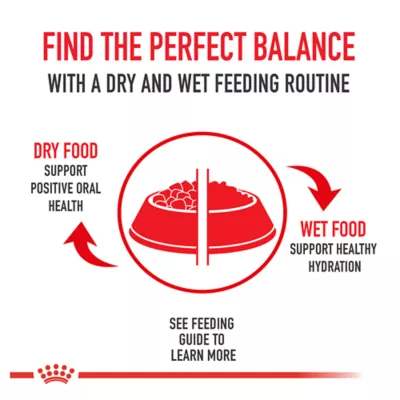
Wet food can be better for cats due to its high moisture content. It helps keep cats hydrated and can be beneficial for their urinary health. However, the choice between wet and dry food should consider your cat’s preferences and nutritional needs.
Conclusion
Finding the right amount of wet food for your cat matters. It supports their health and well-being. Always consider their age, weight, and activity level. These factors help determine the right portion. Check the food label for guidance. Consulting a vet can offer more personalized advice.
They know your cat's specific needs. Observing your cat's eating habits also helps. Cats have individual preferences and requirements. Adjust the amount if necessary. Keeping your cat healthy is a priority. A balanced diet ensures a happy cat. Remember, a healthy cat is a happy cat!