
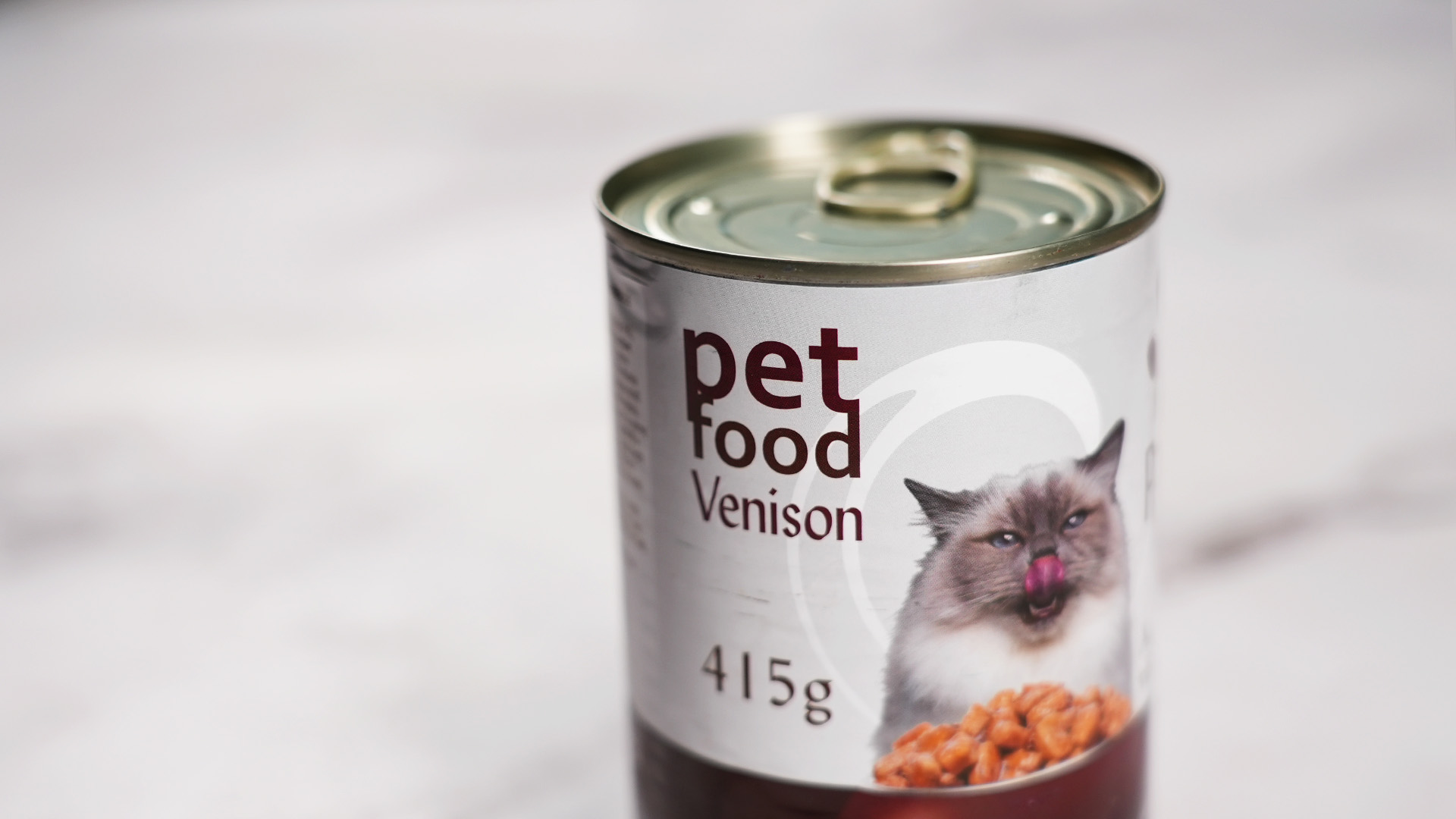
Imagine this: you serve your cat a delicious meal of wet food, only to find it untouched hours later. You might wonder, how long can it really sit out before it becomes unsafe?
Understanding the shelf life of wet cat food is crucial for your feline friend’s health and happiness. You want to ensure they're eating fresh, nutritious food, not something that's been sitting too long and might cause harm. This article will help you navigate the dos and don’ts of leaving wet cat food out, so you can keep your pet healthy and your mind at ease.
Dive in and discover the simple steps you can take to ensure your cat's food is always safe and delicious.

Credit: iandloveandyou.com
Safe Duration For Wet Cat Food
Wet cat food should not be left out for more than 2 hours. Bacteria can grow quickly at room temperature. Always store leftovers in the fridge to keep them fresh.
Ensuring the safety of your cat’s food is crucial for their health and well-being. Wet cat food, with its high moisture content, is particularly susceptible to spoilage. Leaving it out for too long can lead to the growth of harmful bacteria, potentially causing illness in your feline friend. Understanding the safe duration for leaving wet cat food out can help you avoid this risk and ensure your cat enjoys their meal safely.
How Long Can Wet Cat Food Be Left Out?
Wet cat food should not be left out for more than 1-2 hours at room temperature. The precise time can vary depending on the ambient temperature. In warmer climates, this time can be even less. Always err on the side of caution to prevent foodborne illnesses.
Signs That Wet Cat Food Has Spoiled
Look out for a sour or rancid smell, which indicates spoilage. Changes in texture, such as becoming overly dry or mushy, are also warning signs. If you notice any mold or discoloration, discard the food immediately.
Storing Wet Cat Food Safely
Once opened, store wet cat food in a sealed container in the refrigerator. This helps maintain its freshness and extends its shelf life. Always use refrigerated wet cat food within 3-5 days for optimal quality.
Practical Tips For Feeding Wet Cat Food
Serve smaller portions to minimize waste and ensure your cat eats fresh food. If your cat doesn’t finish their meal, refrigerate the leftovers promptly. Consider using timed feeders with ice packs to keep the food cool if you’re away from home.
What Happens If Cats Eat Spoiled Food?
Consuming spoiled food can lead to digestive upset, such as vomiting or diarrhea. In severe cases, it can cause food poisoning, requiring veterinary attention. Always monitor your cat after they eat and seek help if you notice any unusual symptoms. By following these guidelines, you can keep your cat’s meals safe and nutritious. Have you ever encountered challenges with wet cat food spoilage? Share your experiences and tips in the comments below.

Credit: www.wikihow.com
Factors Affecting Food Freshness
Wet cat food should not be left out for more than two hours. Warm temperatures can speed up spoilage. Always store opened cans in the fridge to maintain freshness and prevent bacterial growth.
Factors affecting the freshness of wet cat food are crucial for pet health. Understanding these factors helps in maintaining food quality. It ensures that your cat enjoys every meal safely.
Temperature Influence
Temperature plays a big role in food freshness. Higher temperatures speed up bacterial growth. This can spoil the food quickly. Ideally, wet cat food should stay below 50°F. This temperature keeps the food safe for longer periods. In warm conditions, food can spoil in a few hours.
Humidity Levels
Humidity affects the moisture content in cat food. High humidity levels lead to faster spoilage. Moisture encourages mold and bacteria growth. Keeping food in a dry area helps preserve its freshness. Use a dehumidifier if the room is naturally humid. This simple step can make a big difference.
Exposure To Air
Air exposure impacts the freshness of wet cat food significantly. Leaving food uncovered allows bacteria to enter. It also causes the food to dry out. Always cover or seal wet food after serving. Using airtight containers is a smart choice. This minimizes air contact and keeps food fresh longer.
Signs Of Spoiled Wet Cat Food
Knowing when wet cat food has spoiled is crucial for your cat's health. Leaving wet cat food out for too long can lead to contamination, potentially causing health issues for your feline friend. Here are some signs that can help you identify spoiled wet cat food.
Visual Indicators
Take a good look at the cat food's appearance. If you notice mold, discoloration, or unusual separation of ingredients, it's likely gone bad. Bright colors or a slimy film are red flags you shouldn't ignore. Always discard food with any visible changes.
Unpleasant Odors
Your nose is a powerful tool. Spoiled cat food often emits a sour or rancid smell. If the aroma is off or downright foul, it's time to toss it. Remember, if it doesn't smell like something you'd serve fresh, it probably isn't safe for your cat.
Texture Changes
Pay attention to the texture. Spoiled wet cat food may become mushy, sticky, or overly dry. If the food feels different from when you first opened the can, it's best to err on the side of caution. Ask yourself, would you eat something with an unexpected texture?
Ensuring your cat's food is fresh is vital for their health. Keep an eye on these indicators to protect your furry companion from any potential harm.

Credit: www.wikihow.com
Health Risks Of Spoiled Food
Feeding your cat fresh and safe food is essential for their well-being. However, leaving wet cat food out for too long can lead to serious health risks. Spoiled food not only loses its nutritional value but can also become a breeding ground for harmful bacteria and other issues that affect your cat's health.
Bacterial Growth
Wet cat food left out at room temperature can quickly become a host for bacteria. Within just a few hours, the food can develop harmful bacteria like Salmonella or E. coli. These bacteria can cause infections and severe health problems for your feline friend.
Have you ever noticed your cat refusing to eat food that's been sitting out? It’s their natural instinct to avoid spoiled food. Trust their judgment and avoid leaving wet food out for more than 1-2 hours.
Digestive Issues
Feeding your cat spoiled food can lead to digestive issues. Symptoms like vomiting, diarrhea, or a decreased appetite might be signs that your cat's stomach is upset from bacteria-laden food.
Imagine how uncomfortable you would feel after eating something spoiled. Your cat feels the same. Keeping track of feeding times can help prevent these unpleasant experiences.
Potential Allergies
As wet cat food spoils, its composition can change, possibly leading to allergies. Cats can develop reactions to certain bacteria or mold that grows on spoiled food. Signs of allergies include itching, swelling, or respiratory issues.
Have you ever thought about how often you consider your cat's potential allergies? Being cautious with food freshness is a proactive step in preventing these allergic reactions. Always prioritize fresh servings to keep your cat healthy and happy.
Proper Storage Techniques
Wet cat food should not be left out for more than two hours. Bacteria can grow quickly, making the food unsafe. Proper storage involves refrigerating unused portions to maintain freshness and prevent spoilage.
Proper storage techniques for wet cat food are crucial in maintaining its freshness and nutritional value. Understanding the best ways to store your feline's meals can prevent spoilage and ensure your pet enjoys every bite. Let's delve into some practical tips and insights that will help you manage wet cat food efficiently.
Refrigeration Tips
Refrigeration is your best friend when it comes to preserving wet cat food. Once opened, store any unused portions in an airtight container to prevent the food from absorbing odors from other fridge items. Aim to keep the temperature consistent to maintain the quality. Set your refrigerator to a temperature between 35°F and 40°F (2°C to 4°C) for optimal storage conditions. If your cat is picky about cold food, try warming it slightly before serving. You can use a microwave on low for a few seconds, but ensure it’s just warm, not hot.
Sealing And Packaging
Proper sealing is essential to keep wet cat food fresh. After opening, transfer the remaining food into a container with a tight-fitting lid. Use glass containers over plastic for better odor control and to avoid any harmful chemicals that might leach from plastic. Consider using vacuum sealing if you plan to store the food for several days. This method helps to prevent spoilage and retains the food’s moisture and flavor.
Portion Control
Think about how much your cat eats in one sitting. Portioning wet cat food correctly can minimize waste and ensure your pet gets a fresh meal every time. Try dividing the can into smaller servings before storing it. This way, you can take out only what you need without exposing the entire batch to air. Ask yourself if your cat’s eating habits vary with the seasons. Adjust portions accordingly to keep your furry friend satisfied without overfeeding or underfeeding. Remember, maintaining your cat’s food involves more than just keeping it fresh. It’s about ensuring your pet enjoys the best meals every day.
Alternatives To Leaving Food Out
Wet cat food is nutritious but spoils quickly when left out. Cats need fresh, safe meals to stay healthy. So, leaving wet food out all day isn't ideal. Fortunately, there are alternatives to keep your cat's meals fresh and safe.
Scheduled Feeding
Scheduled feeding can help manage your cat's diet. Serve meals at specific times each day. This reduces waste and ensures your cat eats fresh food. Cats thrive on routine, so set a consistent schedule. Morning and evening feedings work well for many cat owners.
Automatic Feeders
Automatic feeders are a convenient solution for busy cat owners. These devices dispense set portions at pre-determined times. They keep wet food fresh for your cat. Some models even have cooling features. This ensures your cat enjoys a fresh meal without any hassle.
Dry Food Options
Dry food is a viable alternative for cats. It can be left out longer without spoiling. Many brands offer high-quality dry food that meets cats' nutritional needs. Mixing wet and dry food can also provide variety. Always ensure your cat has access to fresh water alongside dry food.
Balancing Nutrition And Safety
Wet cat food should be consumed within two hours to maintain safety and freshness. Longer exposure risks bacterial growth, affecting your pet's health. Proper storage is essential to balance nutrition and safety for your feline friend.
Balancing the nutrition and safety of wet cat food is crucial. Cats require nutrient-rich meals to stay healthy and active. Wet cat food provides essential hydration and nutrients. But, it can spoil quickly if left out too long. This makes understanding safe feeding practices important for pet owners.
Understanding Wet Cat Food Spoilage
Wet cat food contains high moisture, making it prone to bacteria. Once opened, it begins to spoil if not stored properly. Leaving it out for long periods increases the risk of contamination. Spoiled food can cause health issues for your cat.
Recommended Time Limits For Safety
Experts suggest leaving wet cat food out for no more than four hours. This timeframe ensures the food remains safe and fresh. After this period, harmful bacteria levels can rise. Always refrigerate unused portions to extend freshness.
Signs Of Spoiled Cat Food
Look for changes in smell or texture. Spoiled food may have an off odor or appear discolored. If the food seems slimy or moldy, it's unsafe. Always trust your senses to determine freshness. Store opened wet cat food in the refrigerator. Use airtight containers to maintain freshness. Label containers with the date of opening. Consume refrigerated cat food within 24-48 hours for best results.
Feeding Tips For Busy Owners
Serve small portions that your cat can eat quickly. If you're away, consider using an automatic feeder. This helps maintain a feeding schedule without leaving food out too long. These simple strategies keep your cat's meals safe and nutritious.
Frequently Asked Questions
How Long Is Wet Cat Food Ok For?
Wet cat food is safe for 1-2 hours at room temperature. Refrigerate leftovers immediately. Discard any uneaten food after this period to ensure freshness and safety. Always follow the manufacturer's guidelines for best results.
What Is The 25 Rule For Cat Food?
The 25% rule for cat food means the named ingredient must comprise at least 25% of the product. For example, "Chicken Dinner" must contain 25% chicken. This rule helps consumers understand ingredient proportions, ensuring transparency in pet food labeling and promoting balanced nutrition for cats.
How To Save Half A Can Of Wet Cat Food?
Store the leftover wet cat food in an airtight container. Refrigerate it to keep it fresh. Use the stored food within 24-48 hours. This prevents spoilage and maintains flavor.
Can I Leave Cat Food Out All Day?
Yes, you can leave dry cat food out all day. Wet food should not be left out for more than 4 hours to prevent spoilage. Always ensure fresh water is available. Keep an eye on your cat's eating habits and adjust portions to maintain their health.
Conclusion
Wet cat food doesn't last long once opened. It's best consumed fresh. Leaving it out risks bacteria growth. This can make your cat sick. Always store leftovers in the fridge. Use airtight containers. They keep food fresh longer. Feed your cat promptly.
Don't leave wet food out for hours. Your cat's health depends on safe feeding practices. Regularly clean feeding bowls. Freshness matters. It ensures your cat's meals are safe. Proper storage and feeding keep your feline friend happy and healthy. Remember, a little care goes a long way in pet nutrition.