

Are you puzzled about how much wet food your cat needs? You're not alone.
Figuring out the right amount can be tricky, yet crucial for your feline friend's health. Overfeeding can lead to obesity and health issues, while underfeeding might leave your cat hungry and malnourished. The stakes are high, and you want to get it right.
This blog post will guide you through the essentials of feeding your cat wet food, ensuring you strike that perfect balance. Dive in to discover practical tips tailored to your kitty's needs, so you can stop second-guessing and start feeding with confidence.
Understanding Cat Nutrition
Understanding Cat Nutrition Determining the right amount of wet food for your cat is crucial. Cats require specific portions to stay healthy. Consider age, weight, and activity level to decide the ideal serving size. Regularly consult with a vet to ensure your cat's nutritional needs are met.
Understanding the nutritional needs of cats is crucial for their health. Cats are obligate carnivores, meaning they need meat-based diets. Their bodies require specific nutrients found in animal tissues. This makes understanding their diet essential for cat owners. Feeding the right amount of wet food supports their health and well-being.
Importance Of Wet Food
Wet food is vital for a cat's diet. It helps maintain hydration, which is crucial for kidney health. Cats often do not drink enough water on their own. Wet food provides moisture, ensuring they stay hydrated. It also contains high protein, satisfying their carnivorous needs. Wet food mimics the texture and flavor of natural prey. This can be more appealing to cats, encouraging them to eat well.
Nutritional Needs
Cats need a balanced diet of protein, fats, and vitamins. Proteins are essential for muscle development and energy. Fats provide energy and help absorb fat-soluble vitamins. Vitamins like A, D, and E are crucial for overall health. Taurine is a vital amino acid cats can't produce. It's necessary for heart and eye health. Wet food often meets these nutritional needs effectively. It offers a well-rounded diet in each serving.
Benefits Of Wet Food
Wet cat food offers hydration, essential nutrients, and helps maintain a healthy weight. Feeding guidelines suggest serving 3-5 ounces daily, based on your cat's size and activity level. Adjust portions as needed to keep your pet satisfied and energetic.
Wet food offers numerous advantages for cats. It provides essential nutrients and keeps them hydrated. Many cat owners prefer wet food for its health benefits. It can improve a cat's overall well-being. Let's explore the benefits of wet food.
Hydration
Wet food has a high moisture content. This helps cats stay hydrated. Cats often drink less water than needed. Wet food compensates for this lack. Hydration supports kidney function. Proper hydration reduces urinary tract issues.
Weight Management
Wet food is lower in calories. It helps maintain a healthy weight. Overweight cats can benefit from wet food. It provides a feeling of fullness. This helps cats eat less overall. Weight management is crucial for long-term health.
Dental Health
Wet food is softer for cats to chew. It can reduce dental issues. Hard food can hurt gums or teeth. Wet food is gentle on a cat's mouth. It decreases plaque buildup. This supports better dental health.
Determining The Right Amount
Cats need the right amount of wet food for a balanced diet. Consider their age, weight, and activity level. Adjust portions to maintain a healthy weight.
Determining the Right Amount Finding the perfect portion size for your cat's wet food can feel like a puzzle. You want to ensure they're getting the nutrients they need without overfeeding. Every cat is unique, and their dietary needs vary. Let's dig into the factors that help you decide how much wet food your feline friend should enjoy.
Factors Affecting Portion Size
Several elements influence the right amount of wet food for your cat. Age plays a crucial role; kittens require more frequent feeding compared to adult cats. Their growing bodies need the extra energy. Activity level is another key factor. A playful, active cat might need more food than a couch potato. Consider how much your cat moves around during the day. Health conditions can also affect their dietary needs. If your cat has specific health issues, consult your vet for tailored advice. It's important to adjust portion sizes based on their health requirements.
Reading Labels
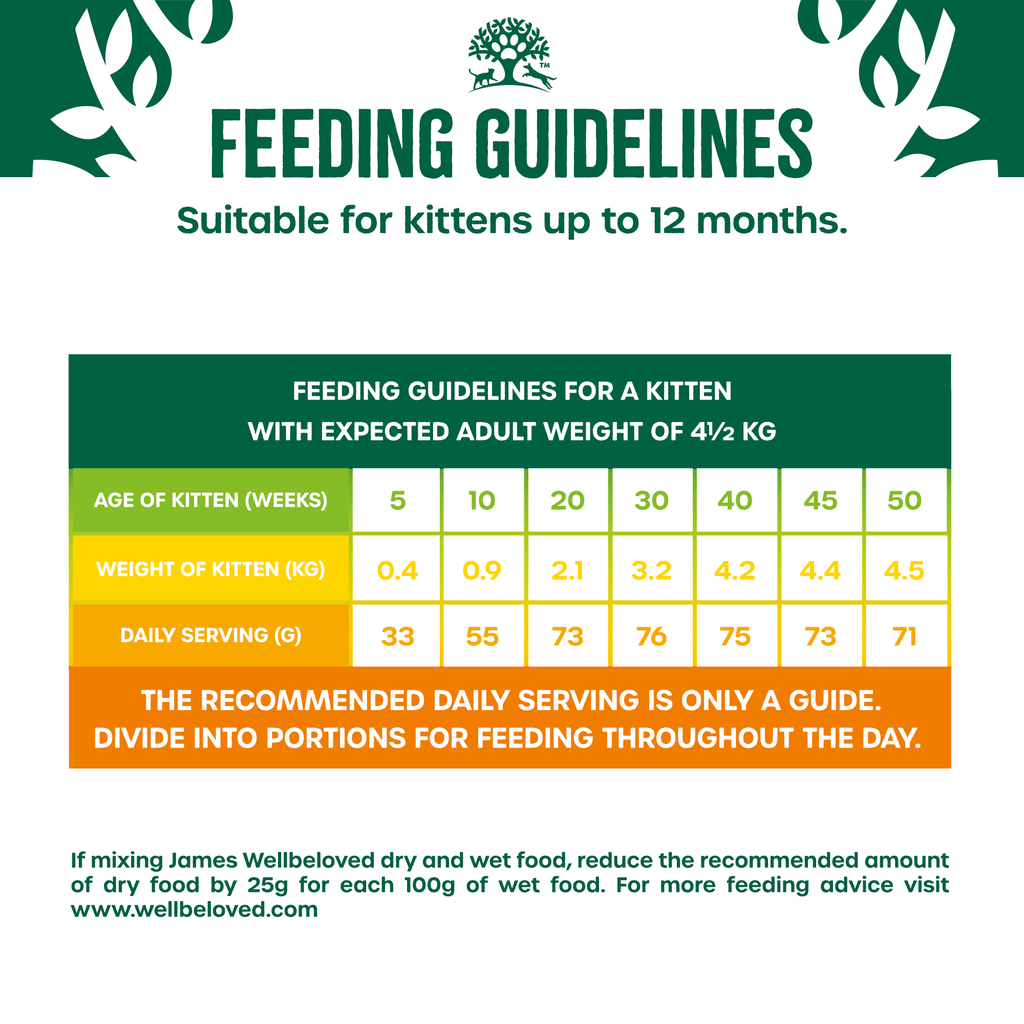
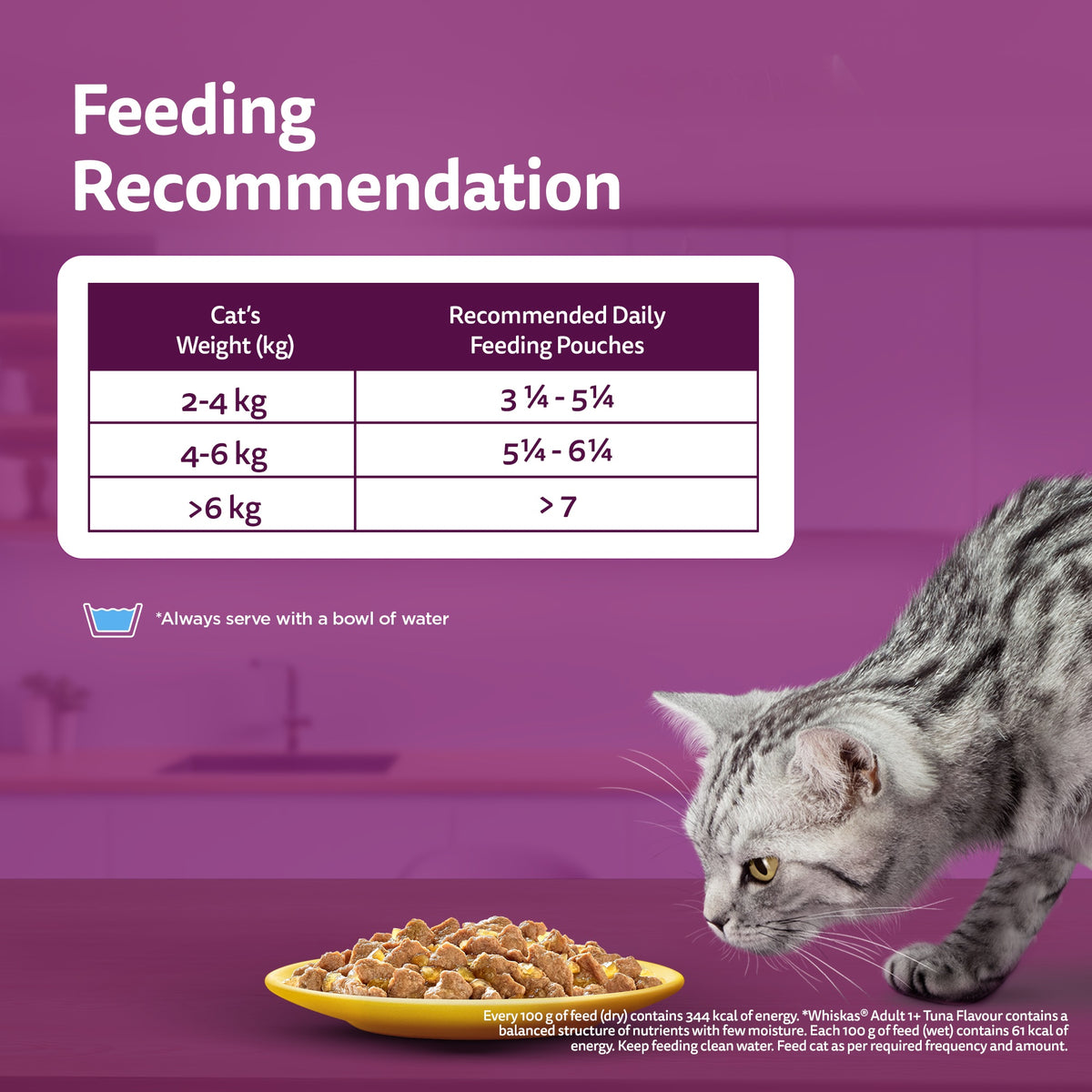
Labels on cat food cans can be confusing, but they're essential for determining portion sizes. Look for feeding guidelines specific to your cat's weight and age. Pay attention to calorie content per serving. This helps you calculate how much your cat should eat daily. Are you noticing any unusual ingredients or preservatives? It's worth checking if the food aligns with your cat's dietary needs. Always be cautious about additives that might not be suitable for your pet. Remember, labels provide a starting point, but your cat's unique needs might require adjustments. How do you interpret these labels to ensure your cat's health?
Feeding Schedule
Determining the right amount of wet food for your cat depends on their age, weight, and activity level. Most adult cats thrive on 3-5 ounces of wet food daily, divided into two meals. Consult your vet for specific dietary needs based on your cat’s health and lifestyle.
Feeding Schedule Creating the right feeding schedule for your cat is vital for their health. Wet food is an excellent choice, as it provides hydration and essential nutrients. Establishing a consistent routine helps maintain a healthy weight and prevents overeating. Consider your cat's lifestyle and needs when planning their meals.
Frequency Of Meals
Cats usually thrive with multiple small meals throughout the day. Two to three meals are often recommended. This mimics their natural eating habits. It prevents them from feeling hungry between meals. Offering frequent meals can also reduce begging behavior.
Adjusting For Age And Activity
Kittens need more frequent meals than adults. Their growing bodies require additional nutrients. Older cats may need fewer meals due to slower metabolism. Active cats burn more calories. They might need larger portions or extra meals. Adjust the feeding schedule to match their lifestyle.
Signs Of Overfeeding
Feeding your cat too much wet food can lead to weight gain and digestive issues. Noticeable signs include a bloated stomach and frequent vomiting. Monitor your cat's weight and adjust portions to ensure a healthy diet.
Feeding your cat the right amount of wet food is crucial. Overfeeding is a common mistake that many pet owners make. It's important to watch for signs of overfeeding to keep your cat healthy and happy.
Obesity Risks
Overfeeding can lead to obesity in cats. Obesity increases the risk of diabetes, heart disease, and arthritis. Extra weight puts stress on your cat’s joints. This can lead to mobility issues and pain. Cats with obesity may live shorter lives. Regular vet visits help monitor your cat's weight.
Behavioral Changes
Overfed cats may become less active. They might sleep more than usual and lose interest in play. Changes in behavior can signal discomfort or boredom. Some cats may even become irritable. Monitor your cat’s behavior for any signs of change. Eating too much can make your cat feel sluggish. This might lead to decreased physical activity.
Credit: aimextools.com
Consulting A Veterinarian
Consulting a veterinarian helps determine the right amount of wet food for your cat. Each cat's needs are unique, depending on age, weight, and activity level. A vet provides personalized guidance for healthy feeding.
Consulting a veterinarian can be a game-changer in understanding how much wet food to feed your cat. Many cat owners feel overwhelmed when trying to decipher feeding guidelines on food packaging. A vet provides personalized advice based on your cat's age, weight, and health status. This professional insight ensures your feline friend gets the right nutrition without overfeeding or underfeeding.
Custom Diet Plans
A veterinarian can craft a custom diet plan tailored to your cat's unique needs. Every cat is different; what works for one may not be suitable for another. Consider a cat with a sensitive stomach. A vet might recommend specific wet food brands that minimize digestive issues while maintaining nutritional balance. Regular consultations allow adjustments to the diet as your cat grows or develops health conditions. This proactive approach can prevent potential health issues, saving you time and stress in the long run.
Monitoring Health
Monitoring your cat's health is crucial when adjusting their wet food intake. Regular check-ups with a vet help track weight and overall wellbeing. Vets can spot early signs of obesity or malnutrition that you might overlook. For example, a slight weight gain or loss might seem trivial to you but could indicate a deeper health concern. By working closely with your vet, you ensure any changes in diet are safe and effective. This partnership not only keeps your cat healthy but also enhances your bond with your furry companion. Have you ever considered how a small adjustment in food quantity might impact your cat's life? Regular vet consultations could hold the key to unlocking your cat's happiest, healthiest self.
Choosing Quality Wet Food
Selecting quality wet food involves understanding portion sizes. Feed your cat according to their weight and activity level. Check the packaging for serving suggestions to ensure balanced nutrition.
Choosing Quality Wet Food Selecting the right wet food for your cat is crucial for their health and happiness. Quality wet food not only satisfies their taste buds but also ensures they receive the essential nutrients needed for a thriving life. So, how do you choose the best option from the overwhelming choices available?
Ingredients To Look For
When examining wet food labels, prioritize high-quality protein sources like chicken, turkey, or salmon as the primary ingredient. These proteins are crucial for maintaining your cat's muscle mass and overall health. Avoid products with excessive fillers like corn or soy, which provide little nutritional benefit. Instead, look for foods with a balanced mix of proteins, fats, and carbohydrates. Additionally, ensure the presence of vital nutrients such as taurine, omega fatty acids, and vitamins that support a healthy heart, coat, and immune system.
Brands And Recommendations
Numerous brands promise quality, but few stand out. Brands like Wellness, Blue Buffalo, and Hill's Science Diet are often recommended by veterinarians for their balanced formulations and high-quality ingredients. If you've tried a few brands and your cat turns up their nose, don't lose hope. Cats can be finicky, and what works for one might not work for another. Seek recommendations from fellow cat owners or online forums, as personal experiences can offer valuable insights. Is there a brand that your cat just can't resist? Share your findings with other pet owners to help them in their quest for the perfect wet food.

Credit: www.instagram.com
Credit: headsupfortails.com
Frequently Asked Questions
How Much Wet Food Should I Feed My Cat?
The amount of wet food depends on your cat's weight and age. Typically, cats need 20-30 calories per pound. Consult your veterinarian for specific recommendations. Adjust the portion based on your cat’s activity level and health needs.
Can I Feed My Cat Only Wet Food?
Yes, you can feed your cat only wet food. Wet food provides hydration and can support urinary health. Ensure it meets all nutritional requirements. Always consult your veterinarian to confirm it suits your cat's specific dietary needs.
How Often Should I Feed My Cat Wet Food?
Feeding your cat wet food twice daily is common. Divide the daily portion into two meals. This routine helps maintain a healthy metabolism. Adjust frequency based on your cat’s age and health requirements. Consult your veterinarian for personalized advice.
Is Wet Food Better Than Dry Food For Cats?
Wet food offers more moisture, aiding hydration and urinary health. It's often more palatable for picky eaters. However, dry food is convenient and supports dental health. A balanced diet might include both. Consult your veterinarian to determine what's best for your cat.
Conclusion
Feeding your cat wet food requires careful attention. Portion size matters. Observe your cat's weight and energy levels. Adjust amounts based on health. Consult a vet for specific needs. Every cat is unique. Their diet should suit them. Wet food offers hydration benefits.
It supports kidney health. Remember to maintain consistency. Avoid sudden diet changes. This helps prevent digestive issues. Regular feeding times keep cats happy. A balanced diet ensures a healthy, happy cat. Making informed choices benefits your feline friend. Your cat deserves the best care and nutrition.
Keep their well-being in focus.