

Are you wondering how often to feed your cat wet food? You're not alone.
Many cat owners grapple with finding the perfect feeding balance for their furry friends. Feeding your cat the right amount of wet food can seem like a puzzle, especially with so many opinions out there. But don’t worry—you're about to uncover the secrets to keeping your cat happy and healthy.
Imagine your cat with a shiny coat, boundless energy, and a satisfied purr that melts your heart. By understanding how often to feed wet food, you can make this a reality. Dive into the rest of this article and discover the key to a contented and thriving kitty.
Importance Of Wet Food For Cats
Feeding wet food to cats provides essential hydration and nutrients. It's generally recommended to offer it once daily, adjusting the portion based on your cat's age, weight, and health needs. Regular servings of wet food can help maintain your cat's overall well-being and prevent urinary tract issues.
Wet food plays a crucial role in a cat's diet. It offers a range of benefits that dry food alone cannot provide. Understanding the importance of wet food can help you ensure your cat stays healthy and happy.
Hydration Benefits
Cats often do not drink enough water on their own. Wet food contains a high moisture content, which aids in keeping your cat hydrated. This is especially important as proper hydration supports kidney function and prevents urinary tract issues.
Nutrient-rich
Wet food is packed with essential nutrients that are vital for your cat's health. It typically contains more protein and fewer carbohydrates compared to dry food. This balance more closely resembles a cat's natural diet, promoting better health and energy levels.
Weight Management
If your cat is struggling with weight issues, wet food can be beneficial. It tends to be lower in calories per serving, allowing you to feed your cat a satisfying portion without contributing to weight gain. Additionally, the higher moisture content can help your cat feel fuller longer, reducing overeating.
Dental Health
While dry food is often touted for dental benefits, wet food can also contribute to oral health. The texture of wet food can help clean your cat's teeth as they chew. It’s a good idea to balance both wet and dry food to support your cat’s dental hygiene.
Improved Digestion
Cats with digestive issues may benefit from wet food. Its high moisture content and softer texture make it easier to digest. This can be particularly helpful for older cats or those with sensitive stomachs.
Variety And Appeal
Cats can be picky eaters, but the variety of flavors and textures in wet food can make mealtime more appealing. Offering different flavors can prevent your cat from becoming bored with their diet. This can also help ensure they receive a balanced intake of nutrients. Feeding your cat wet food offers numerous advantages that contribute to their overall well-being. How often do you include wet food in your cat's diet? Perhaps it's time to make it a regular part of their meals.
Credit: www.purina.com
Factors Influencing Feeding Frequency
Different factors influence how often to feed cat wet food, including age, health, and activity level. Younger cats and those with specific health needs may require more frequent feedings.
Factors Influencing Feeding Frequency Choosing the right feeding schedule for your cat is important. Wet food offers hydration and nutrients. Several factors affect how often your cat should eat it. Understanding these can help you provide the best care.
Age And Life Stage
Kittens need more frequent meals. They are growing fast and need energy. Feed them three to four times a day. Adult cats typically eat twice daily. Seniors may need adjustments based on health. Always consider what stage your cat is in.
Health Conditions
Cats with certain health issues may require specific diets. Conditions like diabetes or kidney disease affect feeding frequency. Consult a vet for a tailored plan. They can guide you based on your cat's needs.
Activity Level
Active cats burn more calories. They may need more food to maintain energy. Less active cats can eat less to avoid weight gain. Watch your cat's behavior. Adjust feeding based on their activity.
Daily Vs. Weekly Feeding
Choosing between daily or weekly feeding of wet cat food depends on your pet's needs. Daily feeding helps maintain hydration and provides regular nutrition. Weekly feeding might suit less active cats or those prone to weight gain. Consider your cat's lifestyle and health when deciding the frequency.
Feeding your cat wet food can be a daily or weekly decision. Each approach has its benefits and challenges. Understanding these can help you decide what's best for your feline friend.
Benefits Of Daily Feeding
Daily feeding provides consistent nutrition for your cat. Wet food is high in moisture, supporting hydration. This is crucial, especially for cats that don't drink much water. Regular feeding helps maintain a healthy weight. It controls portion sizes and prevents overeating. Daily feeding also creates a predictable routine. This can reduce stress and anxiety in cats. Cats thrive on routine, feeling more secure with a set schedule.
Advantages Of Weekly Feeding
Weekly feeding of wet food can be convenient. It saves time and effort for busy cat owners. This approach can be cost-effective, reducing frequent purchases. Cats with specific health needs may benefit from weekly feeding. It allows for a balanced diet with dry food. Some cats enjoy the variety of different textures. Weekly feeding can also prevent food spoilage, ensuring fresh servings.
Credit: ziggyfamily.com
Portion Control
Feeding your cat the right amount of wet food is essential for maintaining their health and happiness. Portion control plays a critical role in ensuring your feline friend gets the nutrition they need without overindulging. Striking the right balance in serving sizes can prevent weight gain and other health issues. It’s not just about the amount you serve but understanding your cat's specific needs.
Recommended Serving Sizes
Determining the correct serving size can be tricky, as it depends on factors like your cat's age, weight, and activity level. A good rule of thumb is to check the packaging for guidelines, as most manufacturers provide recommendations based on weight. For example, a typical adult cat weighing around 10 pounds might need about 3 ounces of wet food per meal. However, always consider your cat’s unique lifestyle. A more active cat may require slightly more, while a less active or older cat might need less.
Consult your vet to tailor portion sizes to your cat’s specific requirements. They can provide guidance based on your cat’s health and dietary needs, ensuring your furry friend stays fit and healthy.
Signs Of Overfeeding
It's easy to spoil your cat with extra treats and larger portions, but overfeeding can lead to obesity and related health problems. Look out for signs like weight gain, lethargy, and reduced activity levels. If your cat seems to be slowing down or struggling to groom themselves, it might be time to reassess their diet.
Another indicator of overfeeding is frequent vomiting or diarrhea, as excessive food can upset their digestive system. Listen to your cat’s body language and adjust portions accordingly. Have you noticed your cat begging for food even after a meal? It might not be hunger but boredom or habit. Engage them in play and activities to shift their focus away from food.
Transitioning To Wet Food
Determining how often to feed your cat wet food depends on their age and health needs. Adult cats typically thrive on two wet food meals a day. Regular feeding helps maintain their hydration and overall well-being.
Transitioning your cat to wet food can be a rewarding journey for both you and your feline friend. Wet food is not only delicious for cats but also hydrates and provides essential nutrients. However, the shift from dry kibble to moist meals requires a thoughtful approach. How do you make this transition smooth and enjoyable for your cat? Let's dive into a couple of methods to ease this change.
Gradual Introduction
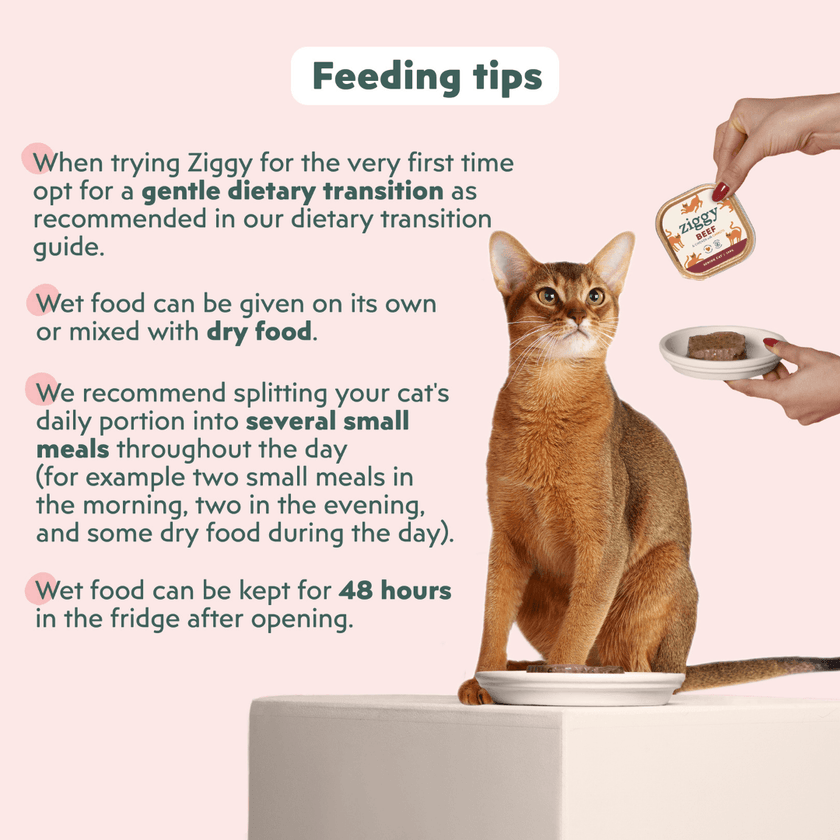
Start by slowly incorporating wet food into your cat's diet. Sudden changes can upset their stomachs, leading to digestive issues. Begin by offering a small spoonful of wet food alongside their regular dry meal. Observe how your cat reacts. If they seem hesitant, try warming the wet food slightly to enhance its aroma. This can entice even the most stubborn cats to give it a try. Gradually increase the amount of wet food over a week or two, reducing the dry food portion accordingly.
Mixing With Dry Food
Mixing wet food with dry food is another effective strategy. This combination offers the best of both worlds, familiar dry textures with the added moisture and flavor of wet food. Start with a 75% dry to 25% wet ratio. Gradually adjust the mix to 50/50 over time. Pay attention to your cat's preferences. Some cats prefer a certain consistency or ratio, so be open to experimenting. You might notice changes in your cat's eating habits during this process. Be patient and keep an eye on their health. Transitioning to wet food is not just about diet change but improving your cat's overall well-being. Are you ready to take this step for your furry companion?
Monitoring Cat’s Health
Monitoring your cat’s health is crucial when deciding how often to feed them wet food. Cats have unique dietary needs, and balancing these can significantly affect their overall well-being. As a pet owner, you have the responsibility to observe how your cat responds to their diet and make adjustments as necessary. This involves keeping an eye on their weight, digestive health, and general behavior.
Weight Management
Maintaining a healthy weight is vital for your cat’s longevity and happiness. Wet food can be a great option since it typically contains fewer calories than dry food, helping prevent obesity. However, it's important to find the right portion size that meets your cat's energy needs without overfeeding. Are you noticing your cat becoming less active or gaining weight? It's time to reassess the feeding schedule and portion sizes. Regular vet check-ups can also provide insights into your cat’s ideal weight range.
Digestive Health
Wet food often aids in digestion due to its moisture content, which can prevent dehydration and promote better stool consistency. Observe your cat’s litter box habits; irregular bowel movements might indicate that dietary adjustments are needed. If your cat seems to struggle with digestion, consider dividing their wet food into smaller, more frequent meals. This can ease the digestive process and improve nutrient absorption. How does your cat react after meals? Their behavior might give you clues about their digestive comfort.
Consulting A Veterinarian
Feeding your cat wet food is crucial for its health. Consulting a veterinarian ensures your cat gets the right amount. Cats have unique dietary needs. A vet can tailor a feeding plan for your pet. This prevents overfeeding or underfeeding. A vet's guidance helps maintain a healthy weight and energy levels.
Tailored Feeding Plans
Every cat is different. Age, weight, and health conditions matter. A vet considers these factors to create a feeding plan. Tailored plans ensure balanced nutrition for your cat. It supports growth and prevents health issues. A personalized plan helps in monitoring food intake and adjusting as needed.
Addressing Allergies
Some cats have food allergies. These can cause discomfort and health problems. A veterinarian can identify these allergies. They recommend the best wet food options for your cat. This ensures your cat enjoys meals without allergic reactions. Regular vet visits help track any new allergies that might develop.
Common Mistakes
Feeding your cat wet food can seem simple. Yet, many cat owners make common mistakes. These errors can affect your cat's health. Let's explore these common pitfalls.
Ignoring Nutritional Needs
Every cat has unique nutritional needs. Many owners overlook this. They feed all their cats the same food. This can lead to health problems. Cats need a balanced diet to thrive. Protein, fats, and vitamins are essential. Check the label on the wet food. Ensure it meets your cat's needs. Consult your vet for advice. They can suggest the best options.
Inconsistent Feeding Schedule
Cats love routine. An inconsistent feeding schedule confuses them. Regular mealtimes help their digestion. It also manages their energy levels. Feed your cat at the same time every day. This builds trust and comfort. Set reminders if needed. Consistency keeps your cat healthy and happy.

Credit: www.instagram.com
Frequently Asked Questions
How Much Wet Food Should A Cat Eat A Day?
Feed your cat about 3-4 ounces of wet food per 5 pounds of body weight daily. Adjust based on activity level and vet recommendations. Always ensure fresh water is available. Consult your vet for specific dietary needs.
Do I Need To Feed My Cat Wet Food Every Day?
Feeding your cat wet food daily can ensure hydration and proper nutrition. Consult your vet for dietary advice.
How Often Should I Feed My Cat Wet Food?
Cats typically benefit from eating wet food once or twice a day. Wet food provides moisture and nutrition that dry food may lack. Consult your veterinarian to tailor a feeding schedule based on your cat's age, weight, and health needs.
Can I Mix Wet And Dry Cat Food?
Yes, mixing wet and dry food is a common practice. It offers a balanced diet by combining hydration and crunch. Ensure the proportions meet your cat's dietary requirements. Always monitor your cat’s weight and health when adjusting their diet.
Conclusion
Feeding your cat wet food requires balance. Cats need consistent meal times. Wet food offers hydration and nutrition. Adjust meals based on age and health. Watch your cat's weight and energy. Discuss diet changes with your vet. Each cat is unique, so needs vary.
Monitor your cat's preferences closely. Quality wet food supports health. Measure portions to prevent overeating. Remember, moderation is key. Your cat's happiness and health matter. Keep their diet varied and nutritious. With proper feeding, your cat will thrive.