
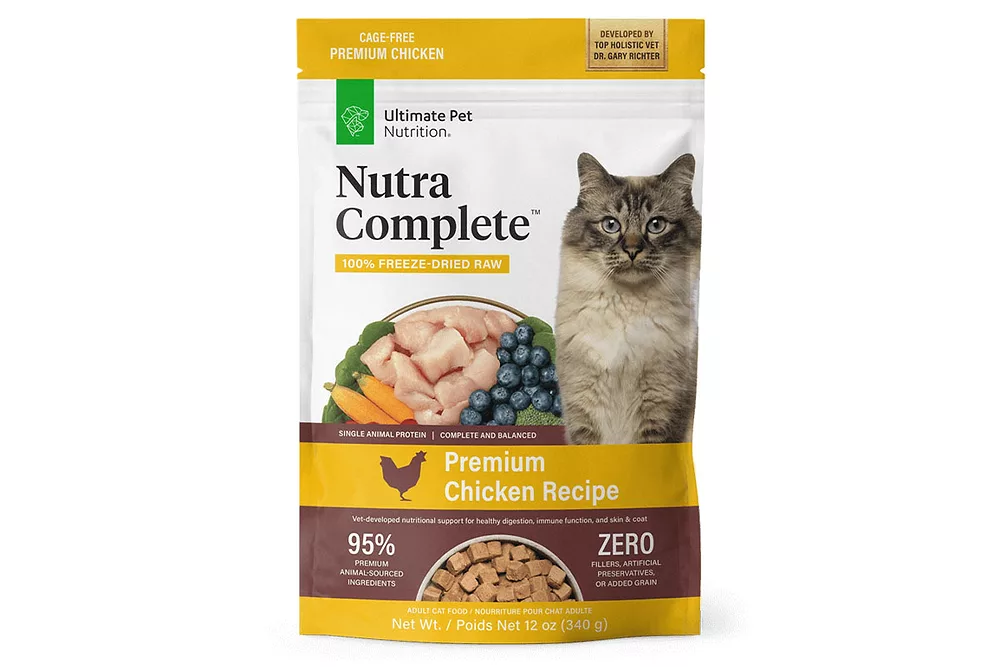
Imagine transforming your cat's health with the perfect diet. You want your furry friend to be full of energy, happy, and living their best life.
But what's the secret to achieving this? It's all about nutrition. You'll discover the ultimate guide to cat nutrition, helping you make informed choices for your beloved pet. Whether you're a new cat parent or a seasoned owner, understanding what goes into your cat's bowl can make all the difference.
Get ready to unlock the keys to a healthier, more vibrant cat, because your feline deserves nothing less. Dive in, and let’s ensure your cat is purring with joy and vitality!
Understanding Feline Dietary Needs
Cats thrive on balanced nutrition for their health. Understanding feline dietary needs ensures they get essential nutrients. Proper cat nutrition supports growth, energy, and a healthy coat.
Understanding the dietary needs of cats is crucial for their health. Cats have unique nutritional requirements different from other pets. They are obligate carnivores, which means they need meat in their diet. Providing the right balance of nutrients supports their growth, energy, and overall well-being.
Essential Nutrients For Cats
Cats need proteins, fats, vitamins, and minerals to thrive. Protein is vital for muscle development and energy. Taurine, an amino acid, is essential for heart and eye health. Fats supply energy and help absorb vitamins. Omega-3 and Omega-6 fatty acids are important for skin and coat health. Vitamins like A, D, E, and B-complex are necessary for various bodily functions. Minerals such as calcium and phosphorus support bone health.
Age-specific Dietary Requirements
Kittens require more protein and fat for growth. They need food that supports their development and energy needs. Adult cats need a balanced diet to maintain weight and health. Senior cats may need fewer calories but more fiber. They often require diets that support joint health and kidney function. Each life stage has distinct nutritional needs. Always choose food suitable for your cat's age and health status.

Credit: www.amazon.com
Protein Sources For Cats
Understanding the right protein sources for your feline friend is crucial to ensuring they live a healthy and vibrant life. Protein is essential for muscle development, energy, and overall well-being. But not all proteins are created equal. Choosing the right type can make a big difference in your cat's health.
Animal-based Proteins
Animal proteins are the most biologically appropriate choice for cats. They provide essential amino acids that cats cannot produce themselves. Think about the wild ancestors of your domestic kitty—they thrived on a diet rich in prey like birds and rodents.
Common sources include chicken, turkey, fish, and beef. These proteins are not only palatable but also highly digestible. Ever noticed how your cat goes nuts over a piece of fish or chicken? It's because their bodies are wired to crave these nutrient-rich foods.
Consider offering a mix of these proteins. Variety ensures that your cat gets a range of nutrients, keeping their diet balanced and interesting.
Plant-based Proteins
Plant-based proteins are less common in cat diets, mainly because cats are obligate carnivores. Their digestive systems are designed to process animal proteins efficiently. However, some cat foods include plant proteins like peas and lentils.
These can supplement a diet but should not replace animal proteins entirely. If you're thinking about adding plant-based proteins, ensure they're part of a balanced formula that includes meat.
While it might seem unconventional, some cats can benefit from the fibers and vitamins found in plant-based sources. Always monitor how your cat reacts to these ingredients. Their reaction will guide you on what to continue feeding.
So, as you think about your cat's diet, ask yourself: are you providing the best possible protein sources? Balancing animal and plant-based proteins could be the key to a healthier, happier kitty. Remember, your cat's health starts with what you feed them. Choose wisely!
Carbohydrates In Cat Diet
Carbohydrates in a cat's diet often spark debate among pet owners. Cats are obligate carnivores, meaning their natural diet is primarily protein-based. However, carbs can still play a role in their nutrition, provided they're included thoughtfully and in moderation.
Role Of Carbs In Feline Nutrition
While cats don't need carbs to survive, they can benefit from small amounts in their diet. Carbohydrates can provide a quick energy source and aid in the digestion of certain nutrients. Including carbs can also help balance the texture and flavor of cat food, making it more palatable.
As a cat owner, you might wonder if carbs are necessary. The key is understanding that while they aren't essential, they can enhance the diet when used correctly. Consider the quality and quantity of carbohydrates to ensure your cat remains healthy and active.
Safe Carbohydrate Options
- Cooked Rice:Easily digestible and can be mixed with meat to create a balanced meal.
- Sweet Potatoes:Rich in fiber and vitamins, they can be served cooked and mashed.
- Pumpkin:Great for digestion and can be added in small amounts to your cat's food.
- Peas:A source of vitamins and fiber, they can be included occasionally in a cat's diet.
When choosing carbohydrates, opt for those that are natural and minimally processed. Observe your cat’s reaction to new foods to ensure they don't experience any adverse effects. Have you ever noticed a change in your cat's energy levels with different food options?
Always consult with your veterinarian when making significant changes to your cat's diet. They can provide guidance tailored to your cat's specific health needs and dietary requirements.
Credit: www.petfoodprocessing.net
Fats For Feline Health
Cats are fascinating creatures, known for their agility and independence. But did you know that fats play a crucial role in their health? Understanding the right types and amounts of fats can make a significant difference in your cat's well-being. Let's dive into the importance of fats for your feline friend's health.
Importance Of Fatty Acids
Fatty acids are essential for your cat's health. They support skin health, promote a shiny coat, and aid in brain function. Omega-3 and Omega-6 are two vital fatty acids that your cat needs.
Omega-3 helps reduce inflammation and supports heart health. On the other hand, Omega-6 is essential for growth and development. Both need to be in your cat's diet for optimal health.
Consider fish oil supplements or feeding your cat fatty fish like salmon occasionally. These are excellent sources of Omega-3. Always consult your vet to determine the appropriate dosage and frequency.
Balancing Fat Intake
Too much fat can lead to obesity, while too little can result in a lackluster coat and energy levels. How do you find the right balance? It starts with understanding your cat's specific needs.
Each cat's energy requirements vary based on their age, weight, and activity level. Are you feeding your cat a commercial diet? Check the labels for fat content and ensure it aligns with your vet's recommendations.
- Young, active cats might require more fat for energy.
- Older cats or those less active may need reduced fat intake.
Monitor your cat's weight and adjust their diet accordingly. Regular vet check-ups can also help you maintain the right balance. Remember, a healthy diet is the foundation of a happy cat.
Have you noticed any changes in your cat's behavior or appearance? It might be time to reevaluate their fat intake. Keeping an eye on these details can ensure your cat stays healthy and vibrant.
Vitamins And Minerals
Cats, like humans, need a balanced diet that includes essential vitamins and minerals to thrive. These micronutrients play a crucial role in maintaining their overall health, supporting everything from their immune system to bone development. But what exactly makes these vitamins and minerals so vital for your feline friend?
Crucial Micronutrients
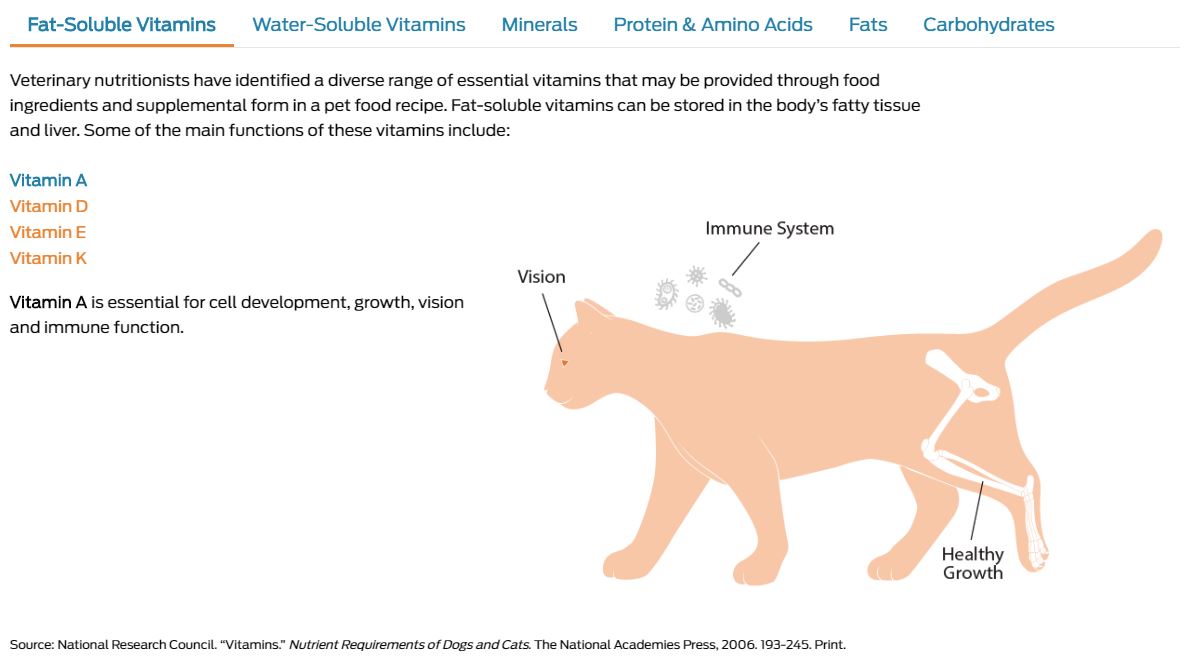
Every cat needs a good mix of vitamins like A, D, E, and K to maintain a healthy lifestyle. Vitamin A is essential for vision and immune function, while Vitamin D is crucial for bone health. Vitamin E acts as an antioxidant, and Vitamin K plays a role in blood clotting.
Minerals like calcium, phosphorus, and magnesium are also important. Calcium and phosphorus work together to build strong bones and teeth. Magnesium is essential for muscle function and nerve transmission.
Have you ever noticed your cat's coat looking dull? It might be a sign of lacking essential nutrients. Ensuring a balanced intake can improve not just their coat, but their energy levels and overall mood.
Avoiding Deficiencies
Deficiencies in these micronutrients can lead to severe health problems. A lack of Vitamin A can result in night blindness, while insufficient Vitamin D can cause brittle bones. It's alarming how quickly these deficiencies can impact your cat's well-being.
To avoid these pitfalls, consider supplementing your cat’s diet with high-quality cat food. Look for labels that mention a complete and balanced diet to ensure all nutrient needs are met.
Have you checked your cat’s food label recently? It's a small step but can make a huge difference in their health. Maintaining a diet rich in essential vitamins and minerals could be the key to a longer, happier life for your cat.
Hydration And Water Needs
Proper hydration is crucial for your cat's health. Unlike us, cats often don't feel thirsty until they are already dehydrated. This is why understanding their water needs and ensuring they drink enough is vital for their wellbeing.
Encouraging Water Intake
Is your cat drinking enough water? Cats can be finicky drinkers, so it’s essential to make water more appealing. Try placing multiple water bowls around the house. Some cats prefer running water, so a cat water fountain might be a good investment. Adding a splash of tuna juice to their water can also entice them to drink more.
Wet Vs. Dry Food
Have you ever considered the water content in your cat's food? Wet food contains a high percentage of water, which can significantly contribute to your cat’s daily hydration. Dry food, on the other hand, lacks this benefit and requires your cat to drink more water separately. If your cat is a picky drinker, incorporating wet food into their diet might help keep them hydrated.
Homemade Vs. Commercial Diets
Deciding between homemade and commercial diets can impact cat nutrition. Homemade diets offer control over ingredients, while commercial diets ensure balanced nutrients. Each has benefits and challenges in providing the ultimate nutrition for your feline friend.
Deciding between homemade and commercial diets for your cat can be challenging. Each option offers unique advantages and drawbacks that can impact your feline's health. Understanding these differences will help you make an informed choice.
Benefits Of Homemade Meals
Creating homemade meals for your cat allows for full control over ingredients. You can ensure your feline is getting fresh, high-quality meats and vegetables. This can be especially beneficial if your cat has allergies or sensitivities. Personalizing your cat's diet can also cater to their specific nutritional needs. You can adjust protein, fat, and carbohydrate levels based on your cat's age, activity level, and health conditions. However, it's crucial to consult with a veterinarian or a pet nutritionist to avoid nutritional imbalances. Preparing meals at home can also deepen the bond between you and your pet. You might find joy in knowing exactly what your pet is eating and witnessing the health benefits firsthand. Have you ever noticed how your cat reacts more eagerly to food you've prepared?
Choosing Quality Commercial Foods
Commercial cat foods offer convenience and consistency, saving you time and effort. With many options available, look for brands that list real meat as the first ingredient. Be wary of fillers like corn and soy, as they offer little nutritional value. Select foods that are AAFCO-approved, ensuring they meet established nutritional standards. Reading labels carefully can help you avoid artificial preservatives, colors, and flavors. Have you checked if your cat's food is free from these additives? Some commercial diets are specifically formulated for certain health conditions or life stages. Whether your cat needs weight management, dental care, or support for urinary health, there's likely a commercial option available. Would your cat benefit from a specialized formula? Making the right dietary choice is crucial for your cat's health and happiness. Whether you choose homemade or commercial, consider your cat's unique needs and preferences.
Special Dietary Considerations
Cats have unique nutritional needs that evolve over time. While providing balanced meals is crucial, some cats require special diets. Understanding these dietary considerations can help you maintain your cat's health. Let's explore some specific needs.
Diet For Overweight Cats
Obesity in cats can lead to serious health issues. It's important to manage their weight through a controlled diet. Choose cat food labeled for weight management. These foods often have fewer calories and more fiber. Fiber helps your cat feel full longer. Portion control is also vital. Avoid overfeeding and provide measured meals. Regular vet check-ups can monitor your cat’s weight loss progress.
Addressing Allergies And Sensitivities
Food allergies can cause discomfort for cats. Symptoms might include itching, vomiting, or diarrhea. If you suspect an allergy, consult your vet. They may recommend an elimination diet. This involves feeding your cat a novel protein and carbohydrate source. Monitor your cat for improvement in symptoms. Hypoallergenic diets are available and may help sensitive cats. Read labels carefully and avoid common allergens.
Feeding Schedules And Portions
Balancing feeding schedules and portions is vital for optimal cat nutrition. Cats thrive on consistent meal timings and portion control, ensuring they receive essential nutrients without overeating. Tailored feeding habits promote healthy weight and overall wellbeing.
Feeding Schedules and Portions Crafting the perfect feeding schedule and determining the right portion sizes are crucial for your cat's health and happiness. Like us, cats thrive on routine and balance. Establishing a consistent feeding routine not only supports their physical health but also strengthens your bond with them.
Creating A Feeding Routine
Cats are creatures of habit, and a well-planned feeding routine can provide them with a sense of security. Aim to feed your cat at the same times each day. This regularity helps regulate their metabolism and can prevent overeating. Consider your cat's natural hunting instincts. In the wild, cats eat several small meals throughout the day. Mimicking this pattern by dividing their daily food intake into multiple smaller meals can keep them satisfied and engaged.
Adjusting Portions For Optimal Health
Finding the right portion size is a balancing act. Too little food can leave your cat hungry and undernourished, while too much can lead to obesity and health issues. Start by consulting the feeding guidelines on your cat food packaging as a baseline. Every cat is unique, and their needs may vary based on age, activity level, and health. Regularly assess your cat's weight and adjust portions as needed. If you're unsure, a quick check with your vet can provide clarity and peace of mind. Is your cat gaining weight despite sticking to their portions? It might be time to reassess their activity levels or consider a lower-calorie food option. Remember, maintaining a healthy weight is key to their long-term wellbeing.

Credit: x.com
Consulting With Veterinarians
Consulting with veterinarians helps in understanding the ultimate cat nutrition. They offer advice tailored to your cat's needs. Proper nutrition ensures your cat stays healthy and active.
Consulting with veterinarians is a crucial step in ensuring your cat receives the best nutrition possible. While you might feel confident in your choices, veterinarians bring expertise and insight that can help you make informed decisions. They are equipped to tailor advice based on your cat's specific health needs.
When To Seek Professional Advice
You might wonder when it's necessary to consult a veterinarian about your cat's diet. It's not just for emergencies or illnesses. Anytime you notice changes in your cat's behavior, weight, or coat condition, it could be linked to nutrition. Consider regular check-ups if you're introducing a new food brand or contemplating a significant dietary shift. This proactive approach can prevent potential issues before they become problems.
Regular Nutritional Assessments
Veterinarians can conduct regular nutritional assessments to ensure your cat's diet meets all their needs. These assessments can be part of your cat's routine health check. They often include analyzing your cat's weight, energy levels, and overall health. Think of it like a wellness check-up for your cat’s diet. Regular assessments provide an opportunity to adjust portions or ingredients based on your cat’s age, activity level, or medical conditions. Have you ever considered what hidden health issues might be lurking beneath the surface? Regular assessments can reveal these, offering peace of mind that your cat is thriving. By engaging with your veterinarian, you create a partnership focused on the well-being of your furry friend. Isn't it reassuring to know that your cat's nutrition is backed by professional expertise?
Frequently Asked Questions
What's The Best Nutrition For Cats?
Cats thrive on high-quality protein-rich diets. Choose premium cat food with real meat as the primary ingredient. Ensure balanced nutrients including vitamins, minerals, and taurine. Fresh water is essential daily. Consult your vet for personalized nutrition advice tailored to your cat's age, weight, and health needs.
What Nutrient Do Cats Need Most?
Cats need protein the most. They require amino acids like taurine for heart and eye health. Protein supports their muscles, skin, and fur. High-quality animal-based protein sources are essential for their diet. Ensure your cat's food is rich in protein to maintain optimal health and well-being.
Who Makes Ultimates Cat Food?
Ultimates cat food is made by Midwestern Pet Foods. They are known for producing high-quality pet nutrition. Their products focus on essential nutrients and balanced formulas. Ultimates aims to provide optimal health for cats through carefully selected ingredients. Midwestern Pet Foods ensures strict quality standards in their manufacturing process.
What Is The Number One Meat You Should Never Feed Your Cat?
Never feed your cat raw fish. It can cause thiamine deficiency, leading to neurological issues and other health problems. Cooked fish is safer, but moderation is key. Raw fish contains enzymes that destroy thiamine, an essential vitamin for cats. Always prioritize your cat's health with balanced nutrition.
Conclusion
Finding the best nutrition for your cat is important. Healthy food choices lead to a happy, active pet. Balanced meals ensure proper growth and energy. Remember, each cat has unique needs. Consult your vet for guidance. Check food labels for quality ingredients.
Avoid fillers and artificial additives. Fresh water should always be available. Consider age, weight, and health when choosing food. A little research can make a big difference. Enjoy the journey of nurturing your feline friend. A well-fed cat brings joy and companionship.
