
Maine Coons are the gentle giants of the cat world, but their impressive size — adult males regularly hit 13–18 pounds, with some tipping the scales at 25 pounds, and their 40-inch nose-to-tail length — comes with unique litter box needs that standard small boxes simply can’t meet. A poorly sized or placed litter box doesn’t just lead to messy accidents: it can cause your Maine Coon stress, urinary issues, and even avoidance behaviors that are hard to reverse. This guide breaks down exactly what to look for in a litter box for your Maine Coon, from non-negotiable size requirements to litter choices, placement tips, and troubleshooting for common issues, so you can keep your cat happy and your home fresh.
Why Maine Coons Need Specialized Litter Boxes
Standard litter boxes designed for average 8–10 pound cats are almost never suitable for Maine Coons, due to three core breed traits. First, their large, muscular build means they need ample room to turn around, dig, and bury waste without hitting the sides of the box. Second, their long, luxurious fur easily traps litter dust and debris, which can lead to matting, skin irritation, and respiratory issues if the box is too small or litter is dusty. Third, many Maine Coons are naturally skittish around loud noises and sudden movements, so boxes with loud motors or cramped enclosures can make them avoid using the box entirely. As the world’s largest registry of pedigree cats, the Cat Fanciers' Association confirms these size and temperament traits are standard for the breed. You can also read our guide on top most popular cat breeds and their unique personalities.
Non-Negotiable Size Requirements for Maine Coon Litter Boxes
Size is the most important factor when shopping for a Maine Coon litter box, and cutting corners here will lead to almost guaranteed messes. The interior of the box should be at least 1.5 times the length of your cat’s body (excluding tail) to let them turn comfortably. For an average 18-pound male Maine Coon with a 20-inch body length, that means a minimum 30-inch long, 18-inch wide, 15-inch tall interior. For extra-large males over 20 pounds, opt for a 36-inch long box to avoid cramping. A quick, reliable test: if your cat’s rear end hits the side of the box when they turn to bury waste, it’s too small.
You’ll also need to account for clearance around the box: leave at least 12 inches of open space on all sides for easy entry, no tight corners or obstacles blocking access. If you share your home with multiple felines, our guide to the best multi-cat litter box features extra-large multi-cat options that fit even the biggest Maine Coon households. You can also read our guide on flea and tick collar cat.

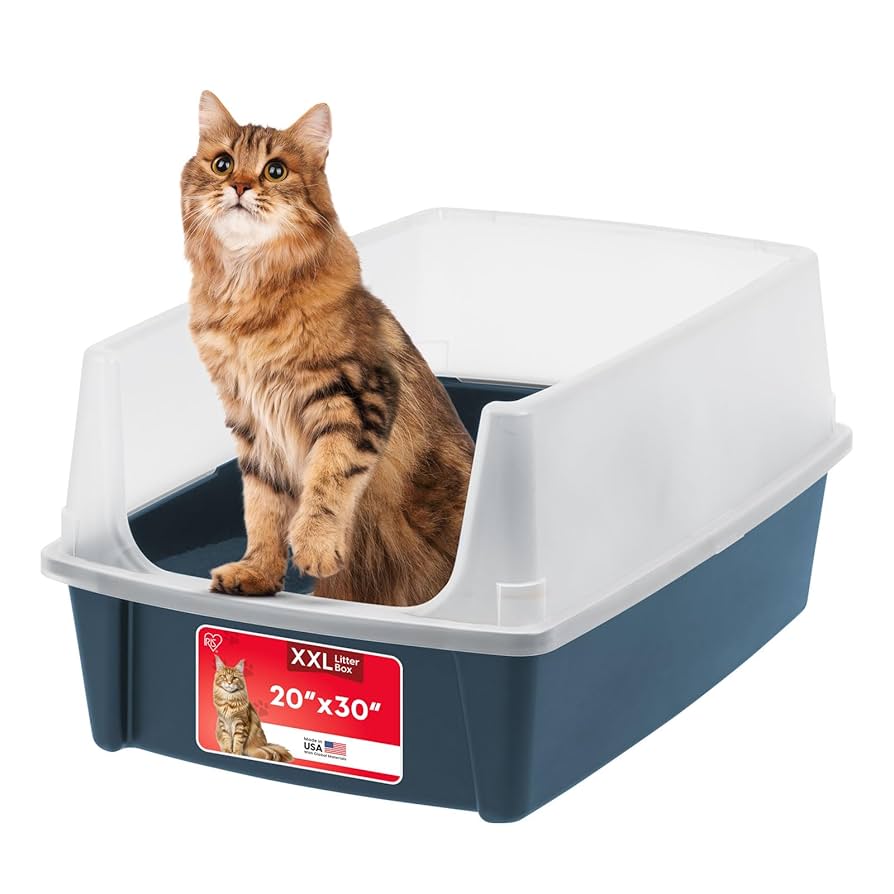
This extra-large open box provides enough room for a Maine Coon to turn and dig without restriction
Credit: www.amazon.com
Material Durability: What Holds Up to a Maine Coon's Weight and Activity
Cheap thin plastic litter boxes are a waste of money for Maine Coon owners: their 18+ pound weight can crack thin bottoms over time, and their sharp claws scratch plastic surfaces, creating rough spots that harbor bacteria and lingering odors. Look for high-density, BPA-free polyethylene (HDPE) plastic, which is scratch-resistant, easy to sanitize, and holds up to frequent scrubbing without warping.
Stainless steel is another excellent, low-maintenance option: it’s completely non-porous, won’t absorb urine or odors, and can support even the heaviest Maine Coons without bending, though it comes with a higher price tag. For eco-conscious buyers, sealed, food-grade bamboo is a sustainable alternative, but avoid unsealed bamboo, which absorbs moisture and waste over time, leading to permanent staining and smells. A common mistake owners make is buying a lightweight plastic box that warps under the weight of a full litter load, making it uneven and hard to scoop. You can also read our guide on cat grooming how to keep your cat clean and comfortable.
Litter Box Types: Pros and Cons for Maine Coon Households
Once you’ve settled on size and material, choose a box style that matches your Maine Coon’s personality and your household needs:
Open Top Boxes: Best for Skittish Cats and Easy Maintenance
Open boxes have no overhead cover, so they don’t make cats feel trapped, which is ideal for skittish Maine Coons that get stressed by enclosed spaces. They’re also the easiest to clean, with no parts to disassemble. The downside is they don’t contain litter scatter or odors well. Pair an open box with a high-sided design to reduce mess, and place it near a large litter mat to catch stray granules.
Covered/Hooded Boxes: Privacy and Odor Containment
Covered boxes trap litter scatter and contain odors, making them a good pick for small spaces or multi-cat homes. Many also have built-in carbon filters to reduce smell. However, they can trap ammonia fumes inside, which irritate cats’ respiratory systems, so always choose a model with ventilation slots and a removable top for easy cleaning. If your Maine Coon hesitates to enter a covered box, leave the door off entirely for the first few weeks to let them adjust. You can also read our guide on seresto cat flea and tick collar.
High-Sided Boxes: Ideal for Vigorous Diggers and Male Cats
Maine Coons are notorious for digging wildly through litter, kicking granules all over your floor, and unneutered males may spray. High-sided boxes (12+ inches tall) contain both messes. Look for a model with a low, sloped entry point so older cats with arthritis don’t have to jump to get in.
Self-Cleaning and Automatic Litter Boxes: Hands-Free Convenience for Busy Owners
Automatic boxes rake or sift waste after each use, eliminating the need for daily scooping, which is a huge perk for busy owners. For Maine Coons, prioritize quiet models (under 40 dB) to avoid scaring them, and confirm the weight limit supports your cat’s full adult weight (many standard models only hold 15 pounds, which is too small for large males). If you’re shopping for one, our picks for the best auto cat litter box include quiet high-capacity models built for large breeds. Introduce any new automatic box slowly: leave it turned off in the litter box area for a week, then turn it on while your cat is in another room, so they get used to the sound before associating it with the box. You can also read our guide on how to feed wet cat food.

Quiet automatic models are ideal for busy owners, but always check weight limits for large Maine Coons
Credit: www.amazon.com
Litter Selection: Pairing the Right Litter With Your Maine Coon's Box
Maine Coons’ long fur makes low-dust litter non-negotiable: fine dust from cheap clay litter gets trapped in their coat, causing matting and irritating their lungs, which is especially risky for cats prone to respiratory issues. Their large paws also prefer litter that’s easy to dig through, not too coarse or heavy.
Clumping vs Non-Clumping Litter
Clumping litter is almost always the best choice for Maine Coons, as it forms solid, easy-to-scoop clumps that let you remove waste daily without emptying the entire large box. Non-clumping litter absorbs moisture but doesn’t form clumps, so you’ll need to dump and replace the entire box weekly, which is more work and costly for a large box. Only choose non-clumping if your Maine Coon has a known sensitivity to clumping formulas.
Low-Dust, Unscented Formulas Are Best
Avoid heavily scented litters: strong fragrances irritate cats’ sensitive noses, and many contain chemicals that can cause respiratory or skin irritation. Opt for unscented, 99% dust-free formulas, or natural wood pellet litters, which are low-dust, biodegradable, and control odor well. For extra odor control without harsh chemicals, non-toxic deodorizers can extend the time between deep cleans without irritating your cat’s sensitive respiratory system.
Pellet Size Matters for Large Paws
Fine-grained clay litter gets kicked out of high-sided boxes easily by Maine Coons’ large, powerful paws. Opt for larger pellet-style litters (corn, wheat, or pine) that are heavier and less likely to scatter. If you use an automatic litter box, make sure the litter you choose is compatible with the sifting mechanism — our roundup of the best cat litter for automatic litter boxes breaks down jam-resistant clumping litter that won’t damage the rake.
Ideal Litter Box Placement for Maine Coon Cats
Even the perfect litter box will be ignored if it’s placed in the wrong spot. Follow these rules to encourage consistent use:
- Follow the 1:1:1 rule: one litter box per cat, plus one extra. A single Maine Coon needs 2 boxes, placed in separate locations, to avoid competition and ensure one is always available.
- Choose a quiet, low-traffic area: avoid hallways, entryways, and rooms near loud appliances like washing machines, dryers, or furnaces. Maine Coons are naturally skittish, and a noisy area will make them avoid the box.
- Keep boxes far from food and water bowls: cats instinctively avoid eliminating near where they eat, so place litter boxes in a separate room or area from their feeding station.
- For multi-story homes: place at least one box on each floor. Maine Coons are prone to joint issues like hip dysplasia as they age, so forcing them to climb stairs to use the box can lead to avoidance or pain.
- Ensure easy access: avoid placing boxes behind closed doors, in closets they can’t enter freely, or on high surfaces. If you have an older Maine Coon with limited mobility, place the box on the same floor they spend most of their time on, with no steps or obstacles blocking entry.

Avoid high-traffic areas and noisy appliances to encourage consistent litter box use
Credit: www.amazon.com
Cleaning and Maintenance Routine to Keep Your Maine Coon Healthy
Regular cleaning is non-negotiable for Maine Coons, as their larger waste produces stronger odors faster and can harbor more bacteria if left uncleaned. Follow this simple routine:
- Daily maintenance: Scoop waste at least once a day, twice if your Maine Coon uses the box frequently. Use a sturdy metal scoop to break up clumps easily, and dispose of waste in a sealed bag to contain smell. The U.S. Environmental Protection Agency recommends flushing only litter labeled as safe for septic systems, to avoid contaminating local water supplies.
- Weekly deep clean: Empty the entire litter box, and wash it with warm water and mild, unscented dish soap. Avoid harsh cleaners like bleach, ammonia, or scented disinfectants, as their fumes are toxic to cats and can deter them from using the box. Rinse thoroughly to remove all soap residue, let the box air dry completely, then add fresh litter.
- Monthly inspection: Check the box for scratches, cracks, or warping, especially on the bottom. Scratched plastic harbors bacteria and odors that can’t be removed with regular cleaning. Replace your litter box every 6–12 months, depending on how frequently it’s used.
- Pro tip: Skip plastic litter liners if your Maine Coon has sharp claws — most will shred them to pieces, leading to messy leaks.
Troubleshooting Common Maine Coon Litter Box Issues
Even with the perfect setup, you may run into occasional issues. Here’s how to fix the most common problems:
Litter Box Avoidance
If your Maine Coon is eliminating outside their box, first rule out medical issues with your vet: urinary tract infections, arthritis, or digestive issues are common causes of avoidance in large breeds. If they’re healthy, check for these common triggers: the box is too small, it’s placed in a noisy or high-traffic area, it’s not cleaned frequently enough, or they dislike the litter texture. To retrain, place a second box in a quiet, low-traffic area with their preferred litter, and use small treats as positive reinforcement when they use it. For stubborn cases, positive reinforcement training from our cat behavior guide can help reset litter box habits without causing stress.
Controlling Odor From Large Cat Waste
Maine Coons produce larger, smellier waste than smaller breeds, so odor control is a top priority. Start with a high-quality clumping, low-dust litter, scoop twice daily, and add a thin layer of baking soda under the litter to neutralize smells. If you still struggle with persistent smells despite regular scooping, our top picks for odor-trapping litter boxes are designed to contain odors even from large cat waste.
Reducing Litter Scatter
Maine Coons’ vigorous digging habits often lead to litter scattered across your floor. Fix this by using a high-sided box, a heavy pellet-style litter, and a large litter mat (at least 2x the size of the box entry) to catch stray granules. Avoid fine-grained clay litter, which is easily kicked out of the box.
Budget Breakdown: What to Expect When Shopping
Litter boxes for Maine Coons range from budget-friendly to high-end, depending on material and features:
- Low-budget ($20–$40): Basic extra-large open top plastic boxes, high-sided plastic boxes. These work for owners on a tight budget, but may need replacing every 6–12 months due to scratching and wear.
- Mid-range ($40–$80): Covered boxes with carbon filters, stainless steel boxes, high-quality HDPE plastic boxes with non-stick surfaces. These are more durable, and many include features like easy-clean designs and litter guard edges.
- High-end ($80+): Self-cleaning automatic boxes, custom solid wood boxes, large-capacity automatic models with weight limits for extra-large Maine Coons. These are ideal for busy owners or multi-cat homes, but require a larger upfront investment.
Extras to budget for: a large litter mat ($10–$20) to catch scatter, a sturdy metal scoop ($5–$10), and non-toxic deodorizer ($8–$15) if needed.
Frequently Asked Questions
Do Maine Coons need a special litter box?
Yes, standard small litter boxes (the typical 18x12 inch size sold for average cats) are almost always too small for adult Maine Coons. You’ll need an extra-large box with a minimum 30-inch interior length, high sides to contain scatter, and sturdy construction to hold their weight. Avoid covered boxes with small entry holes, as they may be too narrow for your cat’s broad shoulders.
Are Maine Coon cats hard to litter train?
No, Maine Coons are highly intelligent and naturally clean, so they’re usually easy to litter train as kittens. The biggest barrier is using a box that’s too small or placed in a stressful location. For adult Maine Coons that were never trained, consistent placement, regular cleaning, and positive reinforcement will usually resolve issues within a few weeks. If resistance persists, consult your vet to rule out medical causes.
Can a Maine Coon use an automatic litter box?
Yes, as long as the model has a weight limit that supports their full adult weight (many standard automatic boxes only hold 15 pounds, which is too small for large male Maine Coons). Choose a quiet model to avoid scaring them, and introduce it gradually over 1–2 weeks to let them adjust to the noise and motion. If you’re looking for a reliable option, our picks for the best self-cleaning cat litter boxes include high-weight-capacity models tested for large breeds.
What kind of litter is best for a Maine Coon?
Unscented, low-dust clumping litter is the best choice for most Maine Coons. Low-dust formulas prevent litter from getting trapped in their long fur and irritating their respiratory system, while clumping litter makes it easy to scoop their large waste piles daily. Avoid scented litters and fine-grained clay, which kicks up more dust and scatters easily.
How often should I change the litter in my Maine Coon's box?
Scoop waste daily, and completely replace the litter every 2–3 weeks for clumping litter, or weekly for non-clumping litter. Deep clean the entire box with mild soap and water every month to remove built-up bacteria and odors.
What size litter box is best for a Maine Coon kitten?
For Maine Coon kittens, start with a standard large litter box (24 inches long) to start, but plan to upgrade to an extra-large 30–36 inch box by the time they’re 6 months old, when they’ll be close to their full adult size. This avoids the need to retrain them to a larger box later.
Final Recommendations
Choosing the right litter box for your Maine Coon doesn’t have to be overwhelming: prioritize size first, then material durability, then features that match your cat’s personality and your household needs. A box that’s large enough for them to move freely, placed in a quiet, low-traffic area, and cleaned regularly will prevent most common issues like avoidance and odor.
If you’re still unsure which model to pick, start with a simple, high-sided open top box to test your cat’s preferences before investing in a more expensive automatic or covered model. For households with multiple large cats, our top multi-cat litter box picks include heavy-duty multi-cat boxes that hold up to frequent use from big breeds. Ready to upgrade your cat’s litter setup? Browse our curated collection of cat care guides to find products and tips that keep your Maine Coon healthy and happy.