
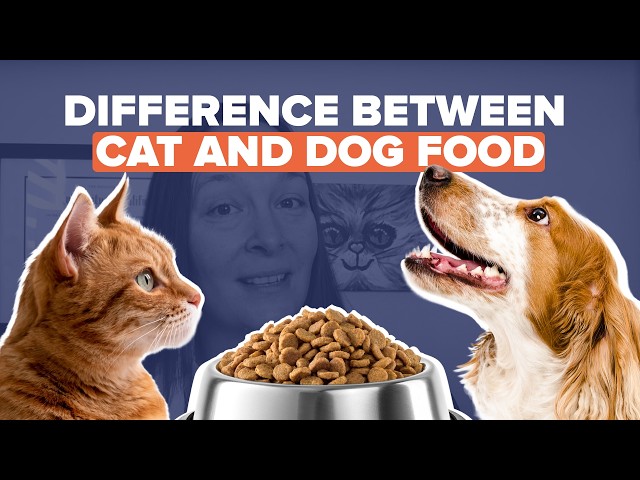
Have you ever found your curious kitty sneaking a taste of your dog's wet food? If so, you're not alone.
It's a common scenario in homes where feline and canine friends coexist. But, as a pet owner, you might wonder if this cross-species snacking is safe for your cat. After all, you want to ensure your furry companions are both happy and healthy.
This article will unravel the mystery surrounding whether cats can eat dog food wet. We'll delve into the nutritional needs of your feline friend and compare them with what's typically found in dog food. So, if you're eager to learn how to keep your pets safe and well-fed, read on. This could be the game-changer for how you manage mealtime in your multi-pet household!
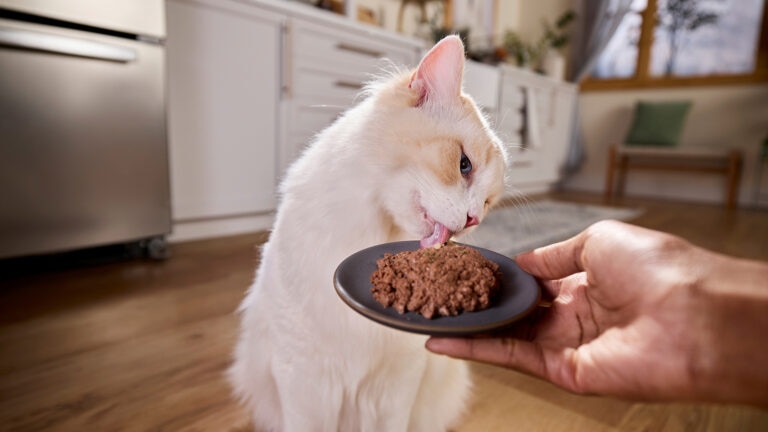
Credit: www.chewy.com
Nutritional Differences
Cats and dogs have different nutritional needs. Their dietary requirements vary greatly. Feeding cats dog food can lead to health issues. Understanding the nutritional differences is crucial.
Essential Nutrients For Cats
Cats are obligate carnivores. They need a diet rich in protein. Taurine is an essential amino acid for cats. They cannot produce it on their own. A deficiency can cause serious health problems. Cats also require arachidonic acid, a type of fat. Vitamin A is another important nutrient. Cats cannot convert beta-carotene into vitamin A. They need it from animal sources.
Key Ingredients In Dog Food
Dog food is often higher in carbohydrates. Dogs are omnivores and can digest grains. It contains less protein compared to cat food. Taurine is not always present in dog food. Dogs can synthesize taurine naturally. Dog food may lack arachidonic acid. Vitamin A is often from plant sources in dog food.
Credit: www.purina.com
Health Implications
Feeding cats dog food might seem convenient but it poses health risks. Cats and dogs have different nutritional needs. Dog food lacks essential nutrients for cats. Understanding these health implications can prevent long-term issues.
Potential Risks Of Dog Food
Dog food contains lower protein levels than cats require. Cats need a diet rich in taurine, an amino acid absent in dog food. Taurine deficiency leads to heart problems and vision loss. Carbohydrates in dog food can cause obesity in cats. Cats metabolize proteins, not carbs, for energy. Some dog foods have ingredients harmful to cats. Onion and garlic cause anemia in felines.
Long-term Effects On Cats
Regularly eating dog food affects a cat's health. Nutritional imbalances can lead to organ failure. Lack of essential vitamins weakens the immune system. Cats may suffer from skin and coat issues. Digestive problems might arise from inappropriate food. Long-term consumption increases the risk of chronic diseases. Kidney and liver damage are potential outcomes. Proper nutrition ensures a healthy and happy cat.
Behavioral Considerations
When considering whether cats can eat wet dog food, it's important to think about their behavioral habits. Cats are curious creatures, often exploring their environment with a keen sense of smell and taste. This curiosity can sometimes lead them to your dog's food bowl, sparking questions about their eating habits and preferences.
Why Cats Might Eat Dog Food
Cats are naturally inquisitive, which might explain why your feline friend ventures over to the dog's bowl. The strong aroma of wet dog food can be quite enticing. Furthermore, if a cat sees their canine companion enjoying a meal, they might feel compelled to join in, thinking they’re missing out on something delicious.
Have you ever noticed how a cat will try to paw at food that isn’t theirs? It’s not just about hunger; it’s about the thrill of discovery and the challenge of getting something they’re not supposed to have. This behavior can be fascinating yet problematic when it comes to diet.
Influence On Eating Habits
Feeding your cat dog food regularly can unintentionally influence their eating habits. Cats require specific nutrients like taurine, which are not present in dog food. Over time, this can lead to nutritional deficiencies.
Consider how a deviation from their regular diet might affect their appetite. If your cat starts preferring dog food, it could become a challenge to get them back to their nutritionally balanced cat food. Is it worth the risk of altering their dietary habits for temporary curiosity?
Ultimately, understanding these behavioral considerations can help you manage your pet's diet more effectively. By knowing why your cat might be tempted by dog food and the potential consequences, you can make informed choices about their nutrition.
Alternatives For Cats
When pondering what to feed your feline friend, you might wonder if it's okay to share some of your dog's wet food. Cats have distinct dietary needs that differ significantly from dogs. Feeding them dog food regularly can lead to nutritional deficiencies. However, there are plenty of alternatives tailored specifically for cats that ensure they get the nutrients they need.
Choosing The Right Cat Food
To keep your cat healthy, select cat food that is rich in protein and contains essential amino acids like taurine. Always check the label for high-quality ingredients and ensure it meets the standards set by pet food regulatory bodies. A mix of wet and dry food can help maintain hydration and dental health.
- Look for brands with a high meat content.
- Avoid fillers like corn or soy.
- Consider grain-free options if your cat has allergies.
Have you ever noticed how your cat reacts when you change their food? Some cats can be picky, so introducing new food gradually can avoid digestive issues.
Homemade Diet Options
Creating homemade meals for your cat can be a rewarding experience. You have control over the ingredients, ensuring they are fresh and natural. Start with a base of cooked chicken or turkey, adding small amounts of vegetables like carrots or peas.
- Include sources of taurine, such as chicken liver.
- Use fish oil for healthy fats.
- Avoid onions and garlic as they are toxic to cats.
Ever tried cooking for your cat and wondered if they appreciate your effort? Observing your cat's energy levels and coat condition can offer clues to their nutritional satisfaction.
By exploring these alternatives, you're not only catering to your cat's taste but also ensuring their health and happiness. What steps can you take today to improve your cat's diet?
Veterinarian Insights
Cats might nibble on wet dog food, but it's not ideal for them. Their dietary needs differ, requiring specific nutrients. Dog food lacks essential nutrients like taurine, vital for feline health. Always ensure your cat's diet is balanced with cat-specific food.
Understanding what your cat can and can't eat is crucial to their health. Many pet owners wonder if it's safe for cats to eat wet dog food. While it might seem convenient to feed your feline friend the same food as your dog, it's essential to get insights from veterinarians who specialize in animal nutrition.
Expert Opinions
Veterinarians highlight that cats and dogs have different dietary needs. Cats are obligate carnivores, meaning they require a diet high in meat. Dog food often lacks the necessary nutrients that cats need, such as taurine, arachidonic acid, and vitamin A. A vet once told me about a case where a cat developed heart issues due to a taurine deficiency from eating dog food. This illustrates the importance of understanding dietary differences and ensuring your cat gets the right nutrients.
Recommendations For Cat Owners
If you find yourself in a pinch and need to feed your cat dog food, ensure it's only temporary. Cats need specific nutrients to thrive, and a long-term diet of dog food can lead to severe health problems. Here are some practical tips for cat owners:
- Always keep cat food on hand to avoid using dog food as a substitute.
- Consult your vet if you're considering a diet change for your cat.
- Introduce any dietary changes gradually to avoid digestive issues.
Consider what your cat needs to stay healthy. Is it worth risking their well-being for convenience? Prioritizing their specific dietary requirements ensures they live a long, happy life.

Credit: www.purina.com
Frequently Asked Questions
What Happens If Cats Eat Wet Dog Food?
Cats eating wet dog food occasionally is generally safe. Dog food lacks essential nutrients for cats. Regular consumption can lead to nutritional deficiencies. It's best to feed cats food specifically formulated for them to ensure they get all necessary nutrients.
Always consult a veterinarian for dietary concerns.
Can Dog Wet Food Be Given To Cats?
Dogs and cats have different nutritional needs. Occasionally, you can give dog wet food to cats, but it's not recommended regularly. Cat food contains essential nutrients like taurine, which dog food lacks. Always prioritize cat-specific food to ensure proper health and nutrition.
Consult your vet for specific dietary advice.
Can Cats Safely Eat Canned Dog Food?
Cats should not eat canned dog food regularly. Dog food lacks essential nutrients needed for cats' health. Occasional consumption might not harm them, but it shouldn't be a substitute for cat food. Always prioritize a balanced diet formulated specifically for cats to ensure their well-being.
Why Does My Cat Want To Eat My Dog Food?
Cats may be curious about dog food due to its different smell and taste. Dog food often contains fats and proteins that attract cats. Ensure your cat gets a balanced diet to prevent this behavior. Always consult a vet before making dietary changes for your pet.
Conclusion
Cats should not eat dog food regularly. It lacks vital nutrients. Cats need a diet rich in protein and taurine. Dog food can't provide this. Occasional consumption won't harm them. But it's not ideal for their health. Always choose cat-specific food for their meals.
This ensures they get proper nutrition. Consult your vet for any dietary changes. They can give the best advice. Keep your cat healthy and happy with the right diet. Remember, a balanced diet supports their overall well-being.