
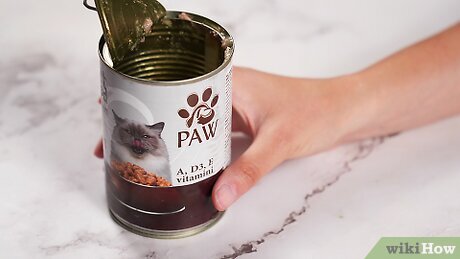
You've just opened a can of wet cat food, and your feline friend has devoured what they want. Now, you're left wondering what to do with the leftovers.
You know it's crucial to store it properly, but how exactly should you do that to ensure your cat's meals remain fresh and safe? This is a common dilemma many cat owners face, and you’re not alone in seeking the best solution.
Proper storage not only saves you money but also ensures your cat enjoys their meals without any risk. You’ll discover simple, effective methods to store wet cat food after opening, keeping it fresh and delicious for your beloved pet. Stay with us to learn the tips and tricks that will make feeding your cat a hassle-free experience.
Importance Of Proper Storage
Proper storage of wet cat food after opening is crucial to keep it fresh and safe. Transfer leftovers to an airtight container and refrigerate promptly. This prevents spoilage and keeps your cat's meals nutritious and enjoyable.
Proper storage of wet cat food is crucial for your cat's health. Once opened, wet cat food can spoil quickly. This can lead to health issues for your pet. Maintaining freshness ensures your cat enjoys their meal. It also helps in preserving the nutrients in the food. Let's explore why proper storage matters.
Preventing Bacterial Growth
Wet cat food is moist and nutrient-rich. This makes it a perfect breeding ground for bacteria. Bacteria can cause foodborne illnesses in cats. Refrigerating opened food slows down bacterial growth. Always store the food in an airtight container. This prevents bacteria from contaminating the food.
Maintaining Nutritional Value
Proper storage helps retain the food's nutrients. Exposure to air and light can degrade vitamins and minerals. This means your cat might not get the nutrition they need. Storing food correctly keeps it fresh and nutritious. This ensures your cat stays healthy and happy.
Reducing Food Waste
Improper storage leads to spoilage and waste. Spoiled food must be thrown away. This can become costly over time. By storing food properly, you reduce waste. You also ensure your cat has a fresh meal every time. This saves money and resources in the long run.
Enhancing Your Cat's Eating Experience
Cats are picky eaters. They prefer fresh, tasty food. Proper storage keeps the food fresh and flavorful. This makes mealtime enjoyable for your cat. A happy cat is more likely to eat well. Ensure their food is stored correctly for a better eating experience.

Credit: www.wikihow.com
Immediate Steps After Opening
Seal the remaining wet cat food in an airtight container to keep it fresh. Store it in the refrigerator to maintain its quality. Use the food within three days to ensure it's safe for your cat.
Opening a can of wet cat food is a moment of joy for your feline friend, but it also comes with the responsibility of storing the leftovers properly to maintain their freshness. Immediate steps after opening the can can make all the difference between a healthy meal and a spoiled one. Here, we’ll explore practical tips to ensure your cat’s meal remains nutritious and enjoyable.
Check The Expiry Date
First things first, always check the expiry date on the can before opening. Even though you might think you’ll use it quickly, knowing when it’s supposed to be consumed keeps you ahead of any spoilage concerns. An expired product should never be served to your pet, no matter how eager they seem.
Transfer To An Airtight Container
Once opened, transfer the remaining food to an airtight container. This step is crucial as it prevents exposure to air, which can lead to faster degradation. An airtight seal keeps the food fresh and retains its aroma, making it more appealing for your cat when you serve it later.
Refrigerate Promptly
After securing the food in an airtight container, place it in the refrigerator immediately. Keeping it cool slows down bacterial growth, preserving its nutritional value. Refrigeration is especially important if you live in a warm climate, where food tends to spoil quickly.
Label With Date And Time
Label the container with the date and time you opened the food. This simple step helps you keep track of how long the food has been stored. Knowing the timeline ensures that you serve the food within the recommended period, typically two to three days.
Avoid Cross-contamination
Use a clean spoon or scoop to transfer the food from the can to the container. Cross-contamination can easily happen if you use utensils that have touched other foods. Keeping separate utensils for pet food helps maintain hygiene and prevents any unwanted mixing of flavors or bacteria.
Monitor Temperature
Ensure your fridge is set to the right temperature, ideally between 35°F and 38°F. This range is perfect for preserving wet cat food without freezing it. If your fridge tends to fluctuate, it might be time for a quick check-up to ensure consistent cooling. By taking these immediate steps, you can safeguard your cat's food quality and enhance their dining experience. Remember, your cat's health begins with the food they eat—how you store it matters just as much as what you serve. What additional steps do you take to ensure your cat’s food stays fresh?
Choosing The Right Container
Choose airtight containers to store wet cat food after opening. Refrigerate promptly to preserve freshness and prevent spoilage. Ensure a secure lid to maintain quality and keep odors contained.
Choosing the right container for storing wet cat food is crucial. It maintains freshness and prevents contamination. A good container keeps the food's aroma and flavor intact. Selecting an appropriate container ensures your feline friend enjoys every meal.
Airtight Options
Airtight containers are ideal for preserving wet cat food. They prevent air exposure, keeping the food moist and fresh. Air exposure can lead to spoilage. Choose containers with a tight-sealing lid. This helps maintain the food's texture and taste. Many airtight containers come in various sizes. Pick one that fits your cat's portion size.
Material Considerations
Material plays a vital role in food storage. Plastic containers are lightweight and affordable. Make sure they are BPA-free for safety. Glass containers are excellent for preventing odors. They are durable and easy to clean. Stainless steel containers resist stains and are long-lasting. Each material has unique benefits. Select based on your needs and preferences.
Refrigeration Guidelines
Proper storage keeps wet cat food fresh. Transfer leftovers to an airtight container. Refrigerate immediately to preserve flavor and nutrition.
Storing wet cat food properly after opening is crucial to maintaining its freshness and nutritional value. Refrigeration is the go-to method for ensuring your feline friend enjoys safe and tasty meals. But what are the specific guidelines you should follow? Let's dive into some essential refrigeration tips.
Temperature Recommendations
Keeping wet cat food at the right temperature is key to preserving its quality. Store the food in the refrigerator at a temperature between 34°F and 40°F (1°C to 4°C). This range helps prevent bacterial growth while maintaining the food's flavor and texture. Consider investing in a fridge thermometer. It can be a small investment with big returns, ensuring your fridge stays within the ideal temperature range. If you've ever experienced food spoilage, you know how frustrating it can be—not to mention the risk it poses to your pet's health.
Shelf Life In The Fridge
Once opened, wet cat food should not linger in the fridge for too long. Ideally, it should be consumed within 3 to 5 days. Beyond this period, the risk of spoilage increases, which can lead to health issues for your cat. Have you ever opened a container of wet cat food, only to discover a peculiar smell after a few days? That's a sign it's time to toss it. Always check the food for any unusual odors or mold before serving it to your pet. Using airtight containers can extend the freshness of the food. Transfer the contents into a sealed container to minimize air exposure. It not only keeps the food fresh but also prevents your fridge from smelling like a fish market every time you open it. By following these refrigeration guidelines, you can ensure your cat enjoys fresh and safe meals. Are there other methods you've found effective for storing pet food? Share your thoughts and experiences in the comments below!
Freezing Wet Cat Food
Storing wet cat food properly keeps it fresh and safe. After opening, place leftovers in an airtight container. Store it in the fridge to maintain quality and avoid spoilage.
Storing wet cat food properly after opening can be a bit challenging, especially if you're aiming to keep it fresh and safe for your feline friend. One effective method is freezing. This approach not only extends the shelf life of the food but also ensures that your cat enjoys a meal that's as close to fresh as possible.
Benefits Of Freezing
Freezing wet cat food can be a game changer. It helps in preserving the nutrients and flavors that your cat loves. By freezing, you avoid unnecessary waste. Instead of discarding leftover food, you can store it for future use. Moreover, freezing can save you money. Buying cat food in bulk and freezing portions can reduce frequent trips to the pet store. This could be especially beneficial if you have multiple cats or a busy schedule.
Proper Thawing Techniques
Thawing frozen cat food correctly is crucial to maintain its quality. Always thaw in the refrigerator. This prevents bacterial growth and keeps the food safe for your cat. Avoid using a microwave to thaw, as it can alter the food's texture and flavor. Instead, plan ahead. Remove the food from the freezer the night before you need it. Consider using airtight containers or freezer bags to portion the food before freezing. This makes the thawing process more straightforward and convenient, ensuring you only thaw what you need. Have you tried freezing your cat's wet food before? What were your results?

Credit: www.wikihow.com
Avoiding Common Mistakes
Storing wet cat food properly is essential for your cat's health. Many cat owners make simple mistakes. These mistakes can lead to food spoilage and health issues. Knowing what to avoid can help keep your cat safe and happy.
Signs Of Spoilage
Recognizing spoiled cat food is important. Look for mold or a strange smell. Discolored food is another warning sign. Spoiled food can make your cat sick. Always check before feeding your pet.
Impact Of Incorrect Storage
Improper storage affects food quality. It can lead to nutrient loss. Your cat might not get the needed nutrition. Incorrect storage can also cause bacterial growth. This poses a health risk to your cat.
Eco-friendly Storage Solutions
Preserve wet cat food by transferring it to an airtight container after opening. Store in the refrigerator to maintain freshness and reduce waste. This approach prevents spoilage and keeps your pet's meals safe and delicious.
Finding eco-friendly storage solutions for wet cat food not only helps preserve the freshness and quality of the food but also contributes to a sustainable lifestyle. By choosing environmentally conscious methods, you ensure your furry friend enjoys their meals while minimizing waste and reducing your carbon footprint. Let's dive into some practical and eco-friendly ways to store your cat's wet food after opening.
Use Reusable Silicone Lids
Reusable silicone lids are a fantastic option for sealing opened wet cat food cans. These stretchable lids fit various can sizes and create an airtight seal, keeping the food fresh without the need for single-use plastic wrap. Plus, they're dishwasher safe, making them convenient and easy to maintain.
Opt For Glass Containers
Storing wet cat food in glass containers is another eco-friendly choice. Glass is non-toxic and doesn't absorb odors, ensuring the food retains its original flavor. Choose containers with airtight seals to keep the food fresh longer, and remember to pick the right size to reduce air exposure.
Consider Stainless Steel Options
Stainless steel containers provide a durable and sustainable solution for storing wet cat food. They are long-lasting and often come with leak-proof lids, making them perfect for preserving freshness. Additionally, stainless steel is easy to clean and doesn't retain stains or odors.
Repurpose Mason Jars
Mason jars are versatile and offer an eco-friendly way to store opened wet cat food. Simply transfer the food into the jar and secure the lid tightly. Their transparency allows you to easily check how much food is left, and they can be used repeatedly for various storage needs.
Explore Beeswax Wraps
Beeswax wraps are a natural alternative to plastic wrap and can effectively cover opened cans of wet cat food. Mold the wrap over the can using the warmth of your hands to create a seal. They are washable and reusable, making them an excellent choice for reducing plastic waste. Engaging in these sustainable practices not only benefits the environment but also ensures your cat's food is stored safely and hygienically. Have you tried any of these eco-friendly solutions, or do you have a different method that works wonders? Share your experiences and tips in the comments below!

Credit: www.wikihow.com
Faqs On Wet Cat Food Storage
Store opened wet cat food in an airtight container in the refrigerator. Consume within 2-3 days for freshness. Avoid leaving it exposed to air to prevent spoilage.
Storing wet cat food properly after opening can be a bit of a puzzle for many pet owners. Whether you're dealing with a finicky feline or simply trying to maintain freshness, getting it right is crucial. Below, we address some frequently asked questions about storing wet cat food and provide practical solutions to ensure your cat's meals remain delicious and safe.
How Long Can You Store Opened Wet Cat Food In The Fridge?
Typically, opened wet cat food should be stored in the refrigerator and consumed within 24 to 48 hours. This helps maintain its freshness and prevents spoilage. Always ensure the food is kept in an airtight container or tightly covered to avoid absorbing fridge odors.
Can You Freeze Wet Cat Food?
Yes, freezing wet cat food is an option for longer storage. Divide the food into individual servings before freezing. This makes it easy to thaw only what you need, preventing waste.
What Is The Best Way To Store Leftover Wet Cat Food?
The best way is to transfer the leftover food into an airtight container. This will maintain its moisture and flavor. Many pet owners find that using small glass or plastic containers works well.
Why Does My Cat Refuse Refrigerated Wet Food?
Cats often dislike cold food straight from the fridge. Try warming the food slightly to room temperature before serving. This can make it more appealing and closer to the fresh-from-the-can experience they enjoy.
Can I Leave Wet Cat Food Out Overnight?
It's not advisable to leave wet cat food out overnight. Bacteria can grow quickly, making it unsafe for your pet. Aim to discard any food left out for more than 4 hours.
How Do I Know If Wet Cat Food Has Gone Bad?
Trust your senses. If the food smells off or has changed in texture or color, it's best to discard it. Your cat's health is paramount, and spoiled food can lead to digestive issues. Do you have other questions or tips on storing wet cat food? Share them in the comments! Let's ensure our furry friends get the best care possible.
Frequently Asked Questions
Do I Need To Refrigerate Wet Cat Food After Opening?
Refrigerate wet cat food immediately after opening to maintain freshness and prevent bacterial growth. Store in airtight containers. Consume within 2-3 days to ensure safety and quality. Proper storage helps preserve nutrients and flavor for your cat's health. Always check for spoilage before serving.
How To Store Half-eaten Wet Cat Food?
Store half-eaten wet cat food in an airtight container. Refrigerate it immediately to maintain freshness. Use within 24-48 hours. Label the container with the date for easy tracking. Ensure the fridge temperature is below 40°F (4°C) to prevent spoilage.
Is It Better To Keep Cat Food In Bag Or Container?
Storing cat food in an airtight container is better. Containers keep food fresh and prevent pests. Ensure the container is clean and dry. Bags can be used for short-term storage, but containers offer more protection. Avoid exposure to humidity and direct sunlight for optimal freshness.
Can I Give My Cat Wet Food If I Left It Open Over Night?
Wet cat food left open overnight may spoil. Bacteria can grow, posing a health risk to your cat. Always store wet food in the refrigerator and serve fresh portions to ensure safety and nutrition. Dispose of any food left out beyond two hours to keep your cat healthy.
Conclusion
Storing wet cat food properly keeps it fresh and safe. Always use airtight containers. Refrigerate leftovers promptly to prevent spoilage. Label containers with dates to track freshness. Discard food after three days to avoid health risks. Check for signs of spoilage like bad smell or mold.
Clean containers thoroughly before refilling. These steps help maintain your cat's food quality. Your cat deserves nutritious and safe meals every day. By following these tips, you ensure your feline friend stays healthy and happy. Proper storage makes feeding time simple and stress-free for you and your cat.