
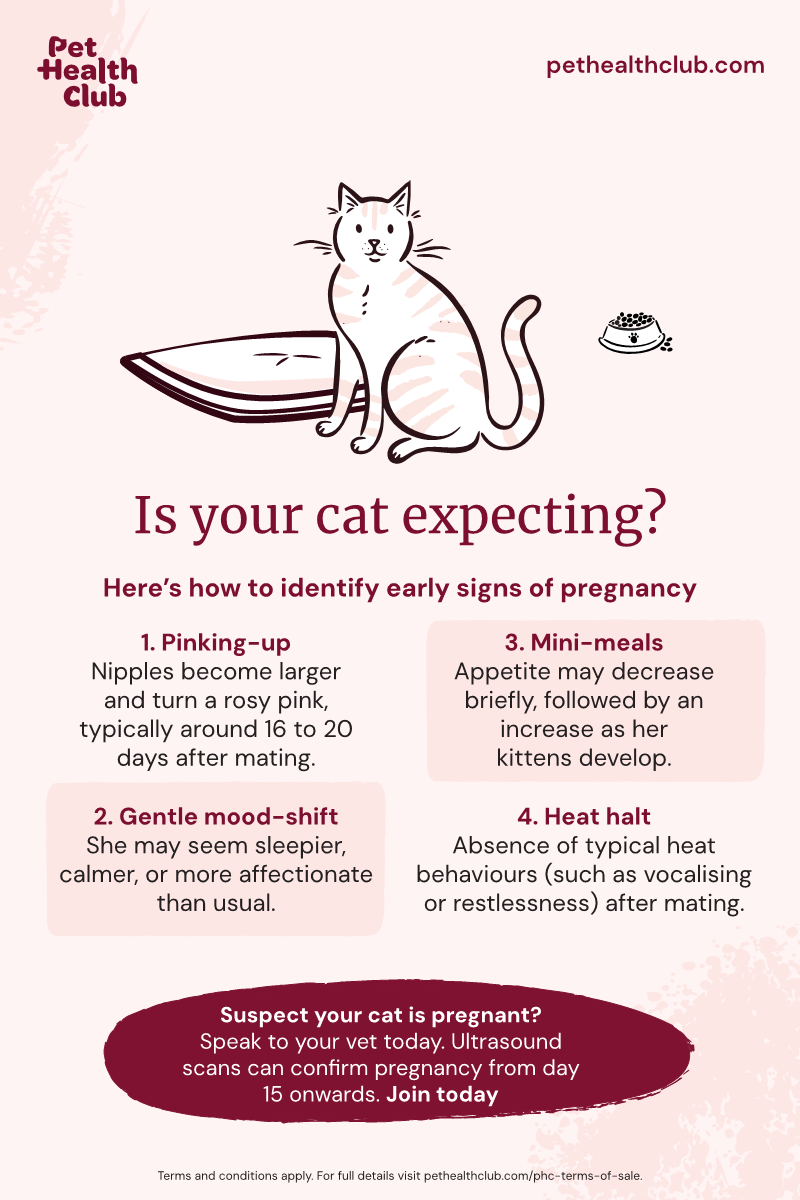
Have you ever wondered how tiny, undeveloped kitten fetuses grow into fully formed, ready-to-birth babies in just 63 days? Unlike human fetuses, feline fetuses have no ability to ingest food or amniotic fluid for nutrition during gestation. Every ounce of weight gain, every organ that forms, and every developmental milestone is powered entirely by nutrients transferred directly from the mother cat (called the queen) via a specialized temporary organ: the placenta. This guide breaks down exactly how that process works, the factors that support or disrupt healthy fetal nutrition, and actionable steps you can take if you’re expecting a litter to give your kittens the strongest possible start in life.
Feline Gestation & Fetal Development Stages
Feline pregnancy lasts an average of 63 days, and fetal development follows a tightly regulated timeline split into two core phases, each with unique nutritional needs.
Embryonic Phase (Weeks 1–4: Organ Formation)
The embryonic phase begins immediately after fertilization, as fertilized eggs travel down the fallopian tubes and implant into the uterine wall around day 14. This is the most critical window for fetal development, as all major organ systems form during this time: the heart begins beating as early as day 16, the spine and brain form by week 3, and limb buds appear by week 4. Nutrients delivered via the placenta are the sole fuel for this rapid cell division and organogenesis, and exposure to toxins or severe nutrient deficiencies during this phase can cause permanent congenital abnormalities or embryonic loss.
Fetal Growth Phase (Weeks 5–9: Maturation & Weight Gain)
After organ formation is complete, fetuses enter the fetal growth phase, where the focus shifts from building structures to maturing organs, gaining weight, and developing fur and pigmentation. Fetal weight increases 10-15x between week 5 and birth, with most growth occurring in the final 2 weeks of gestation. The placenta continues to deliver increasing volumes of nutrients to support this rapid growth, and the queen’s calorie needs rise accordingly to keep up with demand.
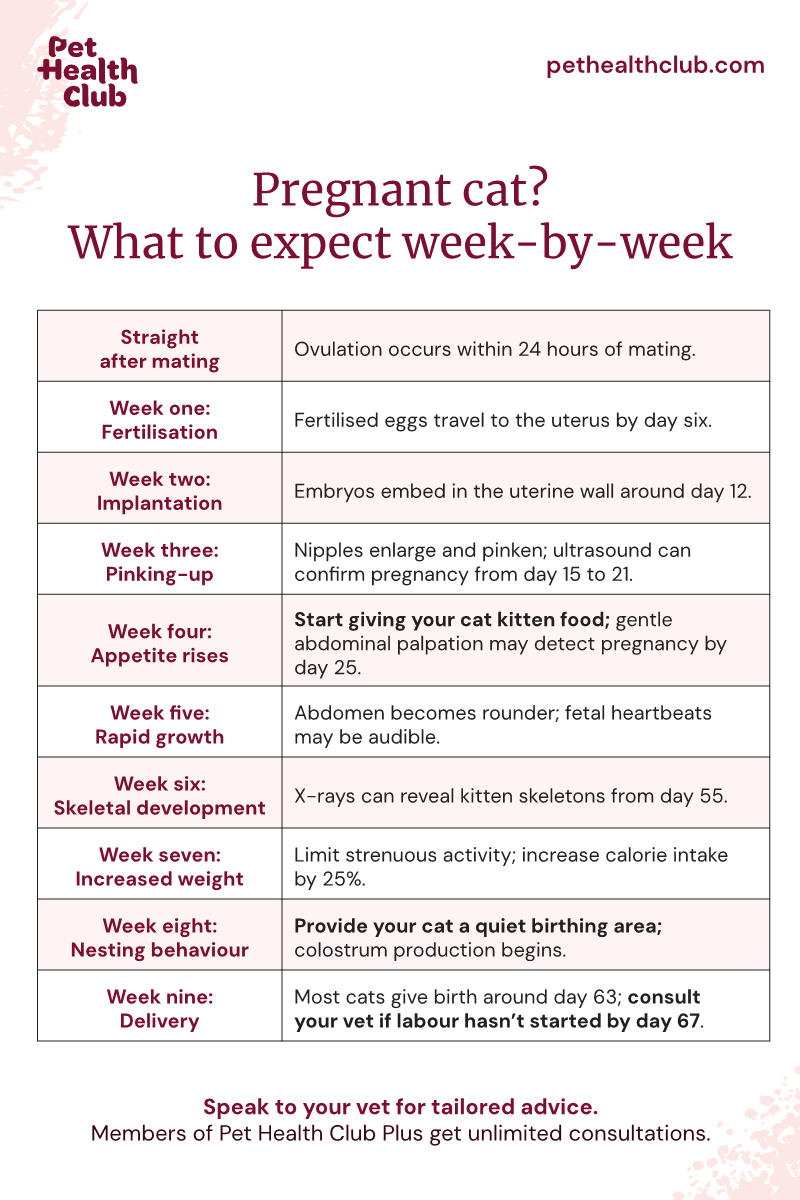
This infographic breaks down the key milestones of feline fetal development across the 63-day gestation period.
Credit: www.pethealthclub.com
The Placenta: The Central Nutrient Transfer Organ
The placenta is a temporary, highly specialized organ that forms at each implantation site in the queen’s uterus. Cats have a zonary placenta, meaning each fetus has its own discrete, band-like placental mass attached to the uterine wall, with no shared nutrient supply between kittens. It acts as the sole interface between the maternal and fetal circulatory systems, and is responsible for all nutrient, oxygen, and waste exchange for the duration of pregnancy.
Nutrient Transfer From Mother to Fetus
Nutrients move from the queen’s bloodstream, through the placental barrier, and into the umbilical vein that carries blood to the fetus. This transfer uses a combination of active transport (for high-demand nutrients like glucose and amino acids) and passive diffusion (for smaller molecules like oxygen and some vitamins). The placenta is selectively permeable: it prioritizes transferring nutrients the fetus needs while blocking most harmful substances, though some toxins, infections, and medications can still cross the barrier and cause harm. Notably, cats do not transfer maternal antibodies (IgG) across the placenta, so kittens receive all their passive immunity from their mother’s colostrum (first milk) in the first 24 hours after birth — a key difference from human fetal development.
Waste Elimination For Fetal Health
Just as the placenta delivers nutrients to the fetus, it also removes metabolic waste products to prevent toxic buildup. Carbon dioxide from fetal respiration, urea from protein metabolism, and bilirubin from red blood cell breakdown are transferred from the fetus’s bloodstream, through the placenta, and into the queen’s circulatory system for excretion via her kidneys and liver. This efficient waste management system is critical for preventing fetal toxicity and supporting healthy organ development. The entire placenta is expelled after birth as part of the afterbirth; if any placental tissue is retained after 24 hours, contact your veterinarian immediately, as this can cause life-threatening infection.
The Umbilical Cord: Direct Fetal Lifeline
The umbilical cord is a flexible, rope-like structure that connects each fetus to its corresponding placental mass. It contains two umbilical arteries (which carry waste-filled blood from the fetus to the placenta for elimination) and one umbilical vein (which carries oxygenated, nutrient-rich blood from the placenta to the fetus). The cord is coated in a gelatinous substance called Wharton’s jelly that prevents kinking or compression, even as the fetus moves and shifts position in the uterus. After birth, the cord is clamped or sealed naturally, and the small remaining stump dries up and falls off within 1-2 weeks.
Critical Nutrients for Feline Fetal Development
All nutrients the fetus receives come directly from the queen’s diet, so the nutritional quality of her food is the single biggest factor in fetal health. The table below outlines the most critical nutrients for fetal development and the risks of deficiency:
| Nutrient | Key Function for Fetal Development | Signs of Deficiency in Kittens |
|---|---|---|
| High-quality protein & taurine | Tissue, muscle, heart, and skeletal development | Congenital heart defects, skeletal abnormalities, fetal resorption |
| DHA (fatty acid) | Brain and retinal development, cognitive function | Impaired vision, learning deficits, reduced neurological function |
| Calcium & phosphorus (1:1 to 2:1 ratio) | Bone and tooth mineralization | Weak, deformed bones, increased fracture risk |
| Vitamin A | Organ development, immune function | Organ malformations, weakened immune system |
| Iron | Red blood cell production, oxygen transport | Anemia, low energy, poor growth |
Protein & Essential Amino Acids
Protein is the building block of all fetal tissues, including muscles, organs, skin, and fur. Cats require 11 essential amino acids from their diet, as they cannot synthesize them on their own. Taurine is the most critical for pregnancy: even mild deficiency can cause fetal resorption, stillbirths, or congenital heart defects (dilated cardiomyopathy) in surviving kittens. Reproductive diets should contain at least 0.1% taurine on a dry matter basis to meet fetal demand.
Fatty Acids for Brain & Retinal Development
Docosahexaenoic acid (DHA) is a long-chain omega-3 fatty acid that supports rapid brain and retinal development in the final trimester of gestation. The Association of American Feed Control Officials (AAFCO) now requires DHA to be included in all kitten and reproductive cat food formulations, as peer-reviewed studies have shown it improves cognitive function and vision in growing kittens.
Vitamins & Minerals for Skeletal & Organ Health
Calcium and phosphorus work in tandem to mineralize developing bones, and must be present in a 1:1 to 2:1 ratio to avoid skeletal deformities. Vitamin A supports the development of the eyes, lungs, and heart, while B vitamins support metabolic function and energy production. The queen’s body prioritizes fetal nutrient supply over her own needs, so she will deplete her own reserves if her diet is inadequate, leading to health complications for her as well.
Maternal Diet: The Primary Driver of Fetal Nutrition
The queen’s diet is the only source of nutrients for her fetuses, so her food choices directly determine fetal health outcomes. Nutritional needs change throughout gestation, and feeding the wrong diet or amount can lead to preventable complications.
Calorie & Nutrient Needs Across Gestation
The queen’s calorie needs increase gradually as pregnancy progresses:
- First trimester (weeks 1-3): Only a 10-15% increase over maintenance calories, as fetal size is still very small.
- Second trimester (weeks 4-6): A 25% increase over maintenance calories to support organ maturation.
- Final trimester (weeks 7-9): A 50% increase over maintenance calories, as fetal weight gain accelerates by 10-15g per day in the last week alone.
All reproductive diets should meet AAFCO’s official feline reproductive nutrient standards to ensure they contain the correct balance of protein, fat, vitamins, and minerals for fetal development. For pregnant queens, wet food is often the better choice: its high moisture content (70-80%) supports hydration, and it is typically more palatable for cats experiencing early pregnancy nausea. Look for nutritionally complete wet options that are explicitly labeled for growth or reproduction to avoid nutrient gaps.
Common Feeding Mistakes to Avoid
- Overfeeding in the first trimester: Excess weight gain early in pregnancy increases the risk of dystocia (difficult birth) and reduces the queen’s willingness to move and exercise.
- Feeding unapproved homemade diets: Most home-cooked meals lack adequate taurine, calcium, and other critical nutrients, leading to fetal developmental issues unless carefully balanced by a veterinary nutritionist.
- Switching foods abruptly mid-pregnancy: Sudden diet changes can cause digestive upset, reducing nutrient absorption. If transitioning to a new reproductive diet, do so gradually over 7-10 days.
- Giving human supplements or medications: Never give your cat human prenatal vitamins, pain relievers like ibuprofen, or other over-the-counter medications, as many are toxic to felines and can cause fetal death.

High-quality, protein-rich wet and dry diets formulated for reproduction support healthy fetal development.
Credit: untamed.com
Hormonal Regulation of Nutrient Delivery
Pregnancy hormones play a critical role in ensuring consistent nutrient flow to developing fetuses by regulating uterine blood flow, placental function, and pregnancy maintenance.
Estrogen: Uterine Blood Flow & Placental Support
Estrogen levels rise steadily throughout feline gestation, increasing uterine blood flow by 3-4x by the final trimester. This expanded blood supply delivers more oxygen and nutrients to the placenta for transfer to fetuses, and also supports placental growth and function. Estrogen also stimulates mammary development to prepare the queen for lactation after birth.
Progesterone: Pregnancy Maintenance & Nutrient Prioritization
Progesterone is the primary hormone that maintains pregnancy in the first 6 weeks, stabilizing the uterine lining to create a safe, nutrient-rich environment for implanted embryos. It also suppresses uterine contractions to prevent premature birth, and ensures the queen’s body prioritizes nutrient delivery to fetuses over her own metabolic needs. If progesterone levels drop too early, it can cause embryonic resorption or premature labor, and veterinarians may supplement it in high-risk pregnancies.
Relaxin: Supporting Placental & Uterine Health
Relaxin, a hormone produced by the placenta itself, softens the queen’s pelvic ligaments and cervix to prepare for birth, but also supports healthy placental attachment to the uterine wall to ensure consistent nutrient transfer. Low relaxin levels in late pregnancy can indicate placental insufficiency, a condition that reduces nutrient flow to fetuses and requires urgent veterinary care.
Environmental & Maternal Health Factors That Disrupt Nutrition
Even with a perfect diet, external factors can disrupt nutrient flow to fetuses and cause preventable health issues.
Chronic Stress & Cortisol’s Impact on Nutrient Flow
Long-term stress raises the queen’s cortisol levels, which constricts uterine blood vessels and reduces oxygen and nutrient delivery to fetuses. Prolonged stress can lead to embryonic resorption, fetal growth restriction, or premature birth. Common stressors for pregnant cats include loud noises, new pets or people in the home, moving, inconsistent routines, and restricted access to resources. Minimize stress by keeping your pregnant cat in a quiet, low-traffic area of your home, and provide easily accessible litter boxes to reduce unnecessary strain.
Toxin Exposure & Teratogen Risks
Many common household substances can cross the placenta and disrupt fetal development, either by interfering with nutrient absorption or directly damaging developing organs. Key toxins to avoid include:
- Lilies (all parts, including pollen): Extremely toxic to cats, even small exposures cause fatal kidney failure in the queen and fetal death.
- Essential oils (tea tree, eucalyptus, peppermint, citrus): Volatile compounds are absorbed through the skin or inhaled and can cause fetal neurological defects.
- Rodenticides, pesticides, and harsh cleaning chemicals: Cross the placenta and cause organ damage or fetal death.
- NSAIDs (ibuprofen, naproxen) and xylitol (found in sugar-free products): Highly toxic to cats, cause kidney failure and fetal loss even in small doses.
For safe spot-cleaning of your queen’s coat without exposing her to harsh chemicals, opt for gentle, non-toxic grooming wipes formulated for cats.
Common Complications Related to Inadequate Fetal Nutrition
When nutrient supply is disrupted, it can lead to a range of preventable complications for both fetuses and the queen.
Early Pregnancy Loss & Embryonic Resorption
If nutrient supply is severely inadequate during the embryonic phase (weeks 1-4), the queen’s body may reabsorb the embryo, a process called embryonic resorption. This usually occurs with no visible signs, and the queen will return to heat as if the pregnancy never occurred. Causes include severe malnutrition, high stress, uterine infections, or exposure to teratogens during organ formation.
Fetal Growth Restriction & Low Birth Weight
Fetal growth restriction (FGR) occurs when fetuses receive insufficient nutrients to support normal weight gain, often due to poor maternal diet, uterine infections, or hormonal imbalances. Kittens born with FGR are 3x more likely to die in the first week of life, and survivors often have long-term health issues including weakened immune systems and developmental delays. If you’re caring for a premature or underweight litter, specialized kitten nutrition guidance can help support their recovery.
Congenital Abnormalities & Stillbirths
Nutrient deficiencies (especially taurine, calcium, and vitamin A) or teratogen exposure during the embryonic phase can cause permanent congenital abnormalities, including heart defects, skeletal deformities, and organ malformations. Severe disruptions to nutrient flow can also cause stillbirths, particularly in the final trimester when fetal weight gain is most rapid. Large litters (more than 6 kittens) also carry a higher risk of stillbirths, as the placenta cannot always supply enough nutrients to all fetuses.
For a full overview of warning signs that require urgent veterinary care, refer to Merck Veterinary Manual’s feline pregnancy overview.
Frequently Asked Questions
How Do Cats Get Nutrients In The Womb?
Feline fetuses have no ability to ingest food or amniotic fluid for nutrition during gestation. 100% of their oxygen, energy, and building block nutrients come from the mother cat (dam) via the placenta, the specialized organ that forms at the site of embryo implantation as early as week 2 of pregnancy. The placenta acts as a selective filter, transferring needed nutrients while blocking most harmful substances, though some toxins and infections can still cross the barrier.
What Nutrition Does A Pregnant Cat Need?
Pregnant cats require a diet formulated for growth or reproduction, with 30-35% crude protein, 15-20% fat, and increased calorie counts (roughly 25% higher in mid-gestation, 50% higher in the final 3 weeks) to support fetal growth. Critical nutrients include taurine (an essential amino acid for cats that prevents fetal heart and skeletal defects), DHA (for brain and retinal development), and a 1:1 to 2:1 ratio of calcium to phosphorus for bone formation. All reproductive diets should meet AAFCO’s official feline reproductive nutrient standards to ensure they are complete and balanced. Always provide fresh, clean water, and consult your veterinarian to adjust portions based on your cat’s pre-pregnancy weight and litter size. Avoid raw meat and fish during pregnancy, as they carry a higher risk of bacterial contamination like Salmonella and Toxoplasma gondii, which can cross the placenta and cause fetal loss. Stick to vet-approved reproductive diets formulated for reproduction to minimize risk.
When Cats Give Birth, Do They Eat The Placenta?
Yes, eating the placenta (placentophagia) is a normal, instinctive behavior for cats after giving birth. The placenta is rich in iron, protein, and hormones that help stimulate uterine contractions to expel remaining placental tissue and reduce post-birth bleeding. It also eliminates scents that could attract predators in the wild. If your queen does not eat all of the placentas, there is no need to worry — this is not a sign of poor mothering, and leftover tissue will be expelled naturally within 24 hours. If any placentas are retained after 24 hours, contact your veterinarian immediately, as this can cause life-threatening infection.
What Do Cats Like To Eat When They're Pregnant?
Many pregnant cats experience mild nausea and reduced appetite in the first 2-3 weeks of gestation, so small, frequent meals of strong-smelling, high-protein foods (like cooked chicken, turkey, or fish) are often most appealing. By mid-gestation, appetite increases significantly, and most queens prefer wet food for its high moisture content and palatability. Avoid raw meat, fish, and eggs during pregnancy, as they carry a higher risk of bacterial contamination (Salmonella, Listeria) and parasites like Toxoplasma gondii, which can cause fetal loss or developmental abnormalities.
Can Stress During Pregnancy Affect Fetal Nutrition?
Yes. Chronic stress raises a pregnant cat’s cortisol levels, which constricts uterine blood vessels and reduces the flow of oxygen and nutrients to the developing fetuses. Prolonged stress can lead to embryonic resorption (loss of an embryo early in gestation), fetal growth restriction, or premature birth. Minimize stress by keeping your pregnant cat in a quiet, low-traffic area of your home, avoiding loud noises, sudden routine changes, and introducing new pets or people only after the kittens are born. Providing easily accessible litter boxes and consistent meal times also helps reduce her stress levels.
What Happens If A Pregnant Cat Doesn’t Get Enough Taurine?
Taurine is an essential amino acid that cats cannot synthesize on their own, so it must come from their diet. Severe taurine deficiency during pregnancy can cause fetal resorption, stillbirths, or congenital abnormalities in surviving kittens, including skeletal deformities, heart failure, and impaired vision. Even mild deficiency can lead to smaller, weaker litters. This is why it is critical to feed a complete, AAFCO-approved reproductive diet rather than homemade meals, which are often taurine-deficient unless carefully balanced by a veterinary nutritionist.
Final Takeaways for Expecting Cat Owners
Understanding how fetus cats receive nutrition highlights just how dependent developing kittens are on their mother’s health and diet for every stage of growth. From the formation of vital organs in the embryonic phase to the rapid weight gain of the fetal growth phase, every nutrient a kitten receives comes directly from the dam via the placenta and umbilical cord. By prioritizing a balanced, AAFCO-approved reproductive diet, minimizing stress and toxin exposure, and working closely with your veterinarian throughout gestation, you can drastically reduce the risk of complications and give your kittens the healthiest possible start in life.
If you’re preparing for an upcoming litter, consult your vet early to create a tailored nutrition plan for your queen, and stock up on nutritionally complete wet options formulated for reproduction to support optimal fetal development from day one.