

When it comes to feeding your feline friend, you want to ensure you're doing it just right. You might wonder, "How much wet cat food should I serve each day?"
It's a question many cat owners grapple with, and you're not alone. Feeding your cat the right amount isn't just about filling their bowl—it's about giving them the nutrition they need to stay healthy and happy. Imagine knowing exactly how much food your cat requires, avoiding overfeeding, and ensuring they're as energetic and content as they can be.
This isn't just about a feeding routine; it's about fostering a deeper connection with your pet. Dive into this article to unlock the secrets of perfect portions and elevate your cat's well-being. Your kitty's health and happiness are just a few scrolls away!

Credit: pet-supermarket.co.uk
Factors Affecting Cat's Food Needs
Understanding how much wet cat food your feline friend needs daily involves considering several factors. Each cat is unique, and their dietary requirements can vary significantly. From age to activity levels, various aspects influence how much food they should consume.
Age And Life Stage
Kittens require more frequent feeding. Their growth demands higher calories and nutrients. Adult cats need balanced nutrition to maintain their health. Senior cats often need fewer calories due to reduced activity.
Activity Level
Active cats burn more energy. They need more calories to sustain their lifestyle. Lazy cats might require less food to avoid weight gain. Observe your cat's play and movement patterns.
Health Conditions
Certain health conditions affect dietary needs. Cats with diabetes may need specific diets. Those with kidney issues require special food formulations. Consult with a vet for tailored dietary advice.
Breed And Size
Larger breeds generally need more food. Small breeds might need less to stay healthy. Some breeds have unique dietary requirements. Understand your cat's breed-specific needs for optimal feeding.
Benefits Of Wet Cat Food
Wet cat food is more than just a treat for your feline friend; it's a nutritional powerhouse with numerous benefits that can enhance their health and happiness. While dry food is convenient, wet food offers unique advantages that cater to your cat's specific needs. Curious about why wet cat food might be a better option for your furry companion? Let's dive into the benefits that make it a preferred choice for many pet owners.
Hydration Support
One of the standout benefits of wet cat food is its high moisture content. Cats often don’t drink enough water, which can lead to dehydration, especially in older cats or those with kidney issues. Wet food helps maintain your cat's hydration levels effortlessly. Imagine the relief of knowing your pet is getting adequate fluids with each meal. Does your cat struggle with drinking water? Wet cat food might be the solution to improve their overall hydration.
Nutrient Density
Wet cat food is rich in essential nutrients, providing a balanced diet that supports your cat's health. It often contains higher levels of protein and fats compared to dry kibble, which are crucial for energy and muscle maintenance. Think of it as a concentrated source of nourishment that packs a punch in every bite. Feeding your cat nutrient-dense food can boost their vitality and keep them playful and active.
Palatability
Wet cat food is generally more appealing to cats due to its texture and aroma. Cats can be picky eaters, and the enticing smell of wet food can encourage even the most finicky feline to eat. Have you ever noticed your cat turning up its nose at dry kibble? Wet food can be a game changer, making mealtime an exciting event for your pet. It's like serving them a gourmet meal rather than a bland snack, ensuring they get the nutrition they need.
Calculating Daily Wet Food Portions
Understanding your cat's dietary needs is crucial for their health. Determine daily wet food portions based on age, weight, and activity level. Consulting with a veterinarian can provide a tailored feeding plan to ensure balanced nutrition.
Calculating the right amount of wet cat food can be tricky. Cats have different needs based on age, size, and activity level. Providing the correct portion ensures they stay healthy and happy.
Reading The Feeding Chart
Most cat food brands include a feeding chart on the packaging. This chart offers guidelines based on weight and age. Always check these recommendations before serving your cat's meals. Be sure to adjust portions as your cat grows or changes weight. The chart helps avoid overfeeding or underfeeding your feline friend.
Adjusting For Weight Management
Cats sometimes need specific portions for weight management. If your cat is overweight, reduce the portion slightly. If underweight, increase the serving size cautiously. Consult your vet for a personalized feeding plan. Regularly monitor your cat's weight to ensure the diet is effective.
Considering Multiple Cats
Feeding multiple cats can be challenging. Each cat may have unique dietary needs. Use separate bowls to control portions effectively. Pay attention to each cat's eating habits. Ensure all cats receive their fair share. This prevents overeating and promotes a healthy diet for all your furry companions.
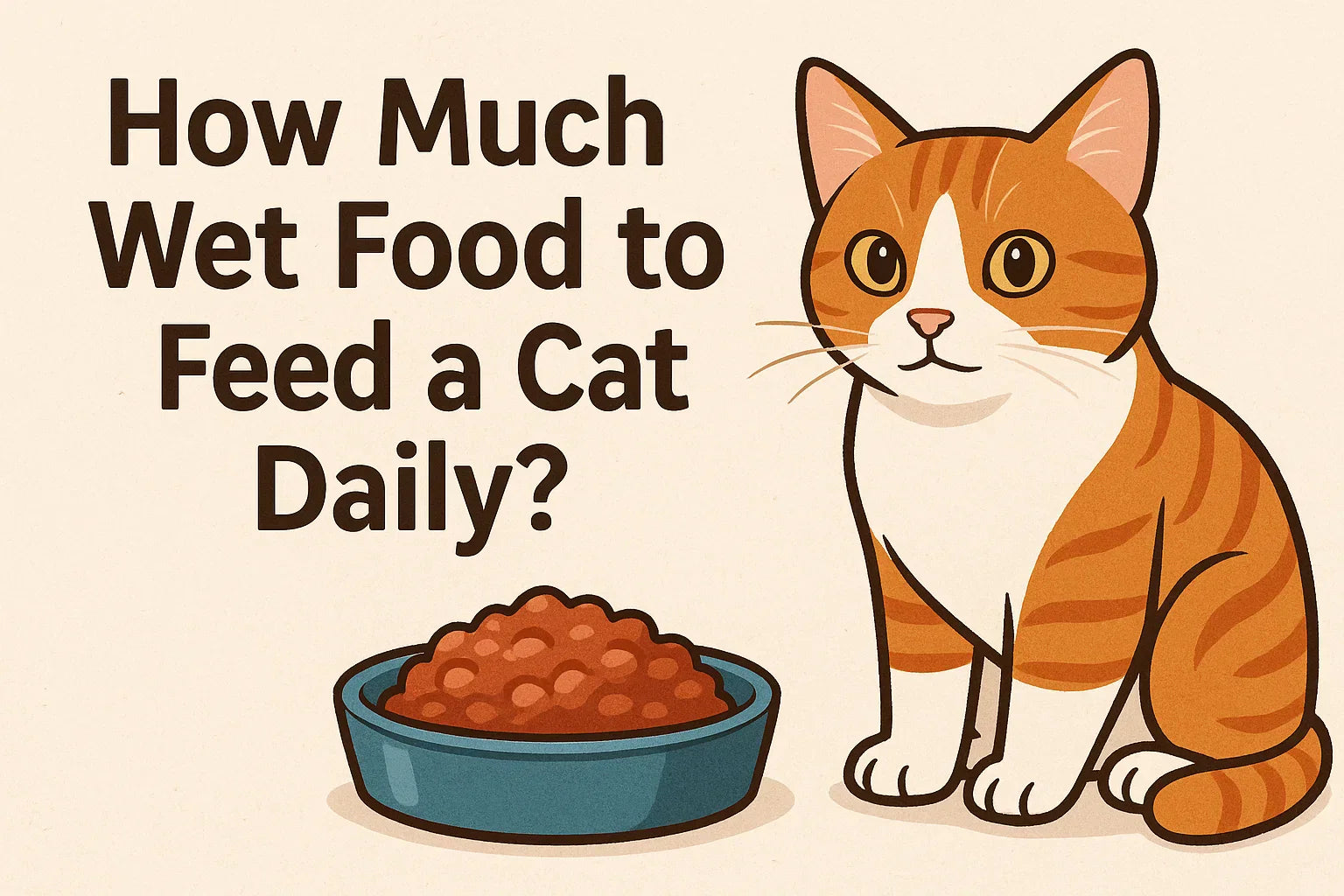
Credit: stellarnook.com
Signs Of Overfeeding Or Underfeeding
Determining the correct amount of wet cat food is crucial for your cat's health. Overfeeding or underfeeding can lead to several issues. Recognizing signs of improper feeding helps maintain your cat's well-being. Paying attention to your cat's weight, behavior, and health can guide you.
Weight Changes
Monitor your cat's weight regularly. Sudden weight gain might indicate overfeeding. Rapid weight loss could mean underfeeding. Use a pet scale for accurate measurements. A balanced diet helps maintain optimal weight.
Behavioral Indicators
Cats show signs of hunger or fullness through behavior. A constantly hungry cat may be underfed. Excessive begging or aggression can signal this. On the other hand, lethargy or disinterest in food might mean overfeeding. Observing these behaviors is essential.
Health Symptoms
Health issues can arise from improper feeding. Overfeeding may cause digestive problems. Underfeeding can lead to nutrient deficiencies. Look for symptoms like vomiting, diarrhea, or dull coat. Regular vet check-ups are important.
Combining Wet And Dry Food
Determining the right amount of wet cat food daily depends on your cat's age, weight, and activity level. Mixing wet and dry food offers balanced nutrition, ensuring hydration and dental health. Adjust portions to maintain your cat's ideal weight, consulting with a vet for specific needs.
Combining wet and dry cat food can offer your feline friend the best of both worlds. This approach not only provides variety in texture and taste but also ensures a well-rounded diet. But how do you strike the right balance without overfeeding or undernourishing your pet? Let’s explore some practical strategies to achieve this.
Balancing Nutritional Needs
Creating a balanced diet is crucial for your cat’s health. Wet food offers high moisture content, which is excellent for hydration, while dry food can help with dental health by reducing plaque buildup. A good rule of thumb is to provide about 50-70% of the daily calorie intake from wet food, complemented by dry food for a nutritional boost. You might wonder how to calculate the right portions. Start by checking the calorie information on both food types. For instance, if your cat requires 200 calories a day, you could serve 100-140 calories from wet food and the remainder from dry kibble. This method ensures your cat receives the benefits of both types of food.
Transitioning Between Foods
Switching your cat's diet requires patience and a gradual approach. Sudden changes can upset your cat’s stomach or lead to rejection of the new food. Start by mixing a small amount of the new food with the old one and gradually increase the proportion over a week. Observe how your cat responds to the change. Are they more energetic or showing signs of digestive discomfort? Adjust the transition pace based on these observations. Remember, each cat is unique; what works for one may not work for another, so be flexible with your approach. You’re in control of providing a varied and balanced diet that keeps your cat healthy and happy. Consider how you can make this transition a positive experience. Would your cat prefer a specific flavor or brand? Testing different combinations might reveal surprising preferences that align with your nutritional goals.
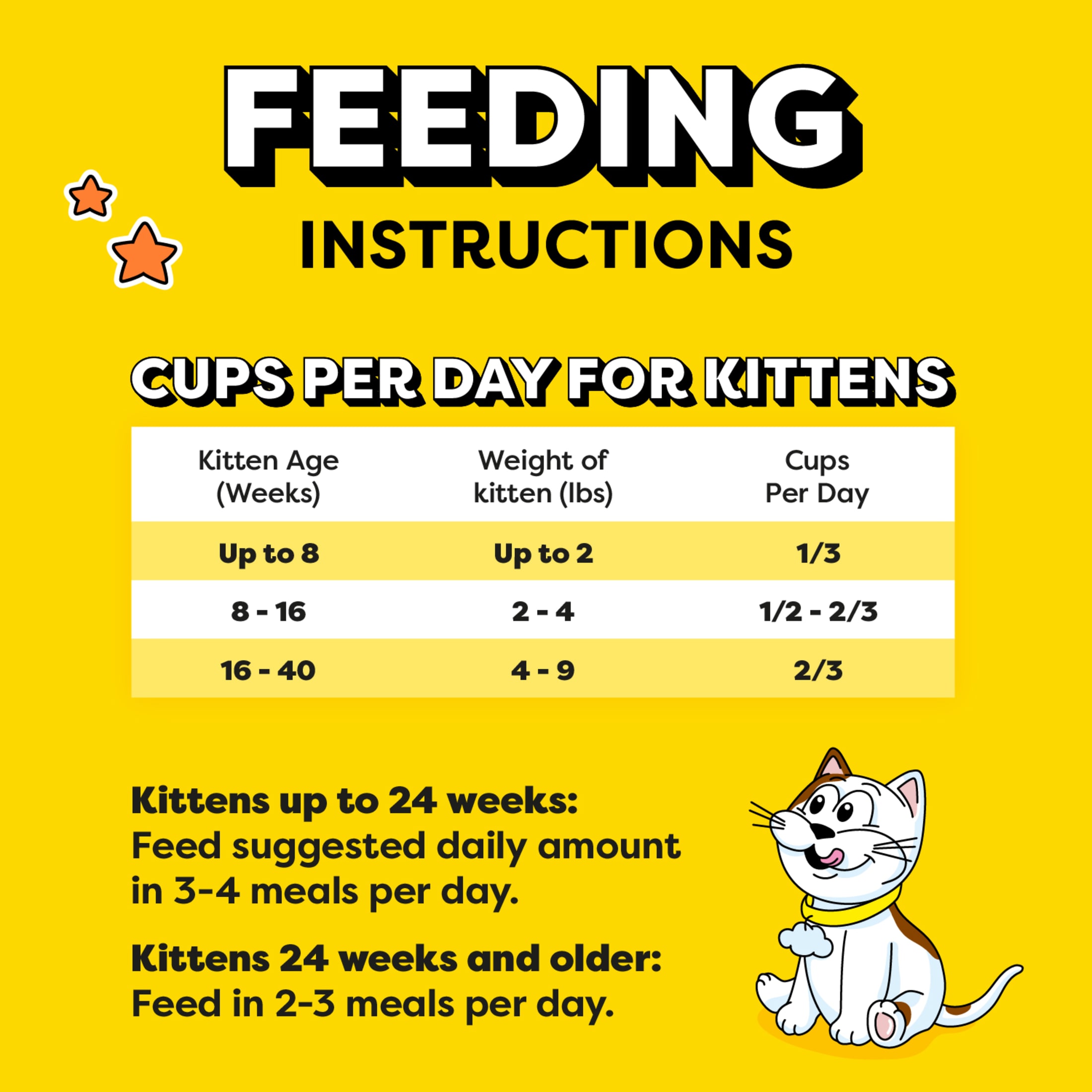
Credit: www.walmart.com
Tips For Feeding Wet Cat Food
Determining the right amount of wet cat food involves considering your cat's weight and activity level. A general guideline suggests feeding 3 ounces per 5 pounds of body weight daily. Adjust portions based on age, health, and specific needs.
Feeding wet cat food can improve your cat's health and happiness. Knowing the right amount is crucial for their well-being. Here are some tips to help you feed your cat properly.
Establishing A Routine
Create a feeding schedule for your cat. Cats thrive on consistency. Feed them at the same times each day. This helps them know when to expect meals. It also aids in digestion and prevents overeating. Consistency can make your cat feel secure and happy.
Storage And Freshness
Store wet cat food properly to maintain freshness. Refrigerate any unused portions promptly. Use airtight containers to keep food fresh. Discard uneaten food after a few hours to avoid spoilage. Fresh food ensures your cat gets the best nutrients.
Monitoring Your Cat's Response
Observe how your cat reacts to the food. Check for any changes in their weight. Monitor their energy levels and overall health. If they seem less active or gain weight, adjust the portion size. Consult a vet if you notice any health issues. Monitoring helps ensure your cat stays healthy and happy.
Frequently Asked Questions
Is 2 Cans Of Wet Food A Day Too Much For A Cat?
Two cans of wet food daily can be too much for some cats. Always consider their age, weight, and activity level. Consult your veterinarian for specific dietary advice tailored to your cat's needs. Portion control helps maintain a healthy weight and prevents overfeeding.
How Much Wet Food Should A 10 Lb Cat Eat Per Day?
Feed a 10 lb cat about 3-4 ounces of wet food daily. Adjust based on activity level and health. Always consult your veterinarian for personalized advice. Quality and nutritional content matter. Provide fresh water alongside meals. Regularly check for weight changes to ensure proper feeding.
How Much Wet Cat Food Should I Feed Daily?
The amount of wet cat food varies by age, weight, and activity level. Generally, cats need about 1 ounce per pound of body weight daily. It's important to follow feeding guidelines on the packaging and consult your vet for specific needs.
Can I Mix Wet And Dry Cat Food?
Yes, mixing wet and dry cat food is beneficial. Wet food provides moisture and enhances flavor, while dry food supports dental health. Ensure the combined portions meet your cat's daily caloric needs. Consult your vet for a balanced diet plan.
Conclusion
Finding the right amount of wet cat food is crucial. Cats need balanced meals to stay healthy. Always check the food label for guidelines. Your vet can help with specific needs. Watch your cat's weight and energy levels. Adjust portions if needed.
Observe their eating habits closely. Maintain regular feeding times for stability. Happy cats thrive on a consistent routine. Keep their water bowl full too. Hydration is key for their well-being. With care, your cat will stay happy and healthy. Always prioritize their nutritional needs.
A little attention goes a long way.