
Have you ever wondered if your cat's wet food does more than just satisfy their taste buds? As a cat owner, you're always looking out for your feline friend's health and well-being.
Hydration plays a crucial role in keeping them happy and healthy. But when it comes to wet food, does it actually help hydrate your cat? You might be surprised to learn how this tasty option could be influencing their water intake.
Uncover the truth about wet food's impact on hydration, and why it might be a game-changer for your furry companion. Keep reading to discover insights that could transform your cat's diet and overall health.

Credit: www.instagram.com
Feline Hydration Needs
Wet food can help hydrate cats as it contains a high water content. This type of food supports their hydration needs better than dry kibble. Ensuring proper hydration can improve a cat's overall health and well-being.
Cats have unique hydration needs that differ from other pets. Their ancestors lived in arid environments, so they evolved to get most of their water from prey. This instinct means cats might not drink enough water from a bowl. Understanding their hydration is crucial for maintaining their health.
Understanding Feline Hydration
Cats rely on moisture-rich diets to stay hydrated. Wet food can play a significant role in meeting their water needs. It mimics the moisture content found in natural prey. This helps prevent dehydration and supports their overall health.
Benefits Of Wet Food
Wet food contains higher water content than dry kibble. Each bite delivers hydration along with nutrients. This helps maintain kidney function and supports urinary health. Wet food can also aid digestion and keep cats feeling full. It's important to recognize dehydration signs in your cat. Look for dry gums and sunken eyes. Check for lethargy and decreased appetite. Promptly addressing these signs can prevent health issues.
Encouraging Hydration
Offer fresh water alongside wet food. Cats can be picky about water sources. Consider adding a water fountain to entice them. A combination of wet food and water ensures optimal hydration. This approach helps keep them active and healthy.
Choosing The Right Wet Food
Select high-quality wet food for your cat. Look for options with natural ingredients and no fillers. Check protein levels and avoid artificial additives. A well-balanced wet food diet supports hydration and nutrition.
Role Of Diet In Cat Hydration
Cats are unique creatures with specific dietary needs, especially concerning hydration. Their ancestors thrived in dry, desert environments, which shaped their hydration habits. Unlike humans, cats often get most of their water intake from their food. Understanding this can help cat owners ensure their pets stay hydrated and healthy.
Understanding Cat Hydration Needs
Cats naturally have a low thirst drive. They rely on moisture-rich diets to stay hydrated. This is why wet food plays a crucial role. Wet food mimics the moisture content of prey in the wild, providing essential hydration.
Wet food contains up to 80% water. This high moisture content aids in keeping cats hydrated. It supports kidney function and helps prevent urinary issues. Cats eating wet food tend to drink less water separately, relying on their meals for hydration.
Comparing Wet And Dry Food
Dry food contains only 10% moisture. This makes it less effective for hydration. Cats eating dry food need more water intake. Wet food offers more hydration benefits, reducing the risk of dehydration.
Watch for signs of dehydration. These include dry gums, lethargy, and sunken eyes. Ensuring a balanced diet with enough moisture can help prevent these issues.
Tips For Ensuring Proper Hydration
- Mix wet and dry food for balance.
- Provide fresh water daily.
- Monitor your cat's water intake.
- Consider adding water to dry food.
Pay attention to your cat's hydration through diet choices. Wet food is a practical option that supports their health and well-being.
Wet Food Composition
Wet food provides essential hydration for cats. With higher moisture content than dry kibble, it helps maintain fluid balance. This can support urinary health and prevent dehydration.
Wet food offers a unique composition that can benefit your cat's hydration. Its moisture content is significantly higher than dry food. This makes it an excellent choice for maintaining hydration. Understanding its composition can help you make informed decisions.
Understanding Moisture Content
Wet food typically contains about 70-80% moisture. This high water content helps keep cats hydrated. Cats naturally drink less water than dogs. Wet food compensates for this by providing essential hydration.
Protein And Nutrient Levels
Wet food often boasts higher protein levels. It is rich in essential nutrients. The balance of proteins and fats supports overall health. Cats are obligate carnivores, needing animal-based proteins. Wet food meets this dietary requirement effectively.
Variety Of Ingredients
Wet food offers diverse ingredient options. From fish to poultry, the choices are vast. This variety caters to different feline preferences. It also helps in managing dietary sensitivities. Diverse ingredients provide a balanced diet.
Texture And Palatability
Wet food has a soft, appealing texture. Its aroma is stronger, attracting finicky eaters. Cats often find it more palatable than dry food. The texture and taste enhance meal enjoyment. This can lead to better food intake and satisfaction.
Preservation And Shelf Life
Wet food is preserved differently than dry food. It often contains fewer preservatives. The canning process ensures longevity without additives. This preservation method maintains nutritional quality. It keeps the food fresh and safe for consumption.

Credit: www.instagram.com
Benefits Of Wet Food For Hydration
Wet food can help keep cats hydrated due to its high moisture content. Cats often don't drink enough water, so wet food provides an additional source of hydration. This can be particularly beneficial for cats with urinary or kidney issues.
Cats, like humans, need proper hydration to stay healthy. But how can you ensure your feline friend gets enough water, especially if they aren't too keen on drinking from their bowl? Wet food can be an excellent solution for keeping your cat hydrated. Packed with moisture, it offers a tasty and hydrating meal that your cat will likely enjoy. Let's explore the benefits of wet food for hydration.
High Moisture Content
Wet food typically contains up to 80% water, significantly more than dry kibble. This high moisture content is beneficial for cats who don't drink much water. It ensures they receive adequate hydration with every meal.
Improved Kidney Health
Proper hydration plays a crucial role in maintaining kidney health. Cats are prone to kidney issues, especially as they age. Wet food can help flush out toxins and reduce the risk of urinary tract infections.
Enhanced Skin And Coat Condition
Hydration isn't just about internal health; it affects your cat's external appearance too. Adequate moisture levels can lead to a shinier coat and healthier skin, making your cat look and feel better.
Encourages Natural Eating Behavior
Cats are natural hunters and are accustomed to obtaining moisture from their prey. Wet food mimics this natural diet more closely than dry food, encouraging a more instinctive eating behavior.
Helps With Weight Management
Wet food is often less calorically dense than dry food, allowing your cat to feel full without consuming too many calories. This can be especially beneficial if your cat needs to lose a little weight.
Better Digestibility
The moisture in wet food aids digestion, making it easier for your cat to process their meals. This can lead to better nutrient absorption and overall health. Do you often wonder if your cat is drinking enough water? Wet food could be the answer to ensuring they stay hydrated, healthy, and happy.
Comparing Wet And Dry Cat Food
Cat owners often debate between wet and dry food choices. Both have unique benefits. Wet food is known for its moisture content. Dry food offers other advantages. Understanding the differences can help make better choices.
Moisture Content
Wet food contains high water content. It helps keep cats hydrated. It mimics the natural diet of wild cats. Wild cats get hydration from their prey. Wet food offers similar hydration benefits. Dry food has low moisture content. Cats drinking more water can compensate this. But some cats don’t drink enough water.
Nutritional Differences
Wet and dry foods differ in nutrients. Wet food often has more protein. It resembles a cat's natural diet. Dry food is higher in carbohydrates. It can be less beneficial for some cats. Wet food may have fewer preservatives. Dry food often has added vitamins. Both types can meet nutritional needs. But it's important to choose wisely.
Signs Of Dehydration In Cats
Cats often show signs of dehydration like sunken eyes and dry gums. Wet food provides some hydration, helping maintain their fluid balance.
Cats need proper hydration for good health. Dehydration can cause serious health issues. Recognizing dehydration signs helps prevent complications. Cats often hide their discomfort. Knowing what to look for is crucial.
Dry Gums And Mouth
Check your cat's gums. They should be moist and pink. Dry or sticky gums indicate dehydration.
Sunken Eyes
Dehydration may cause sunken eyes. Compare with normal appearance. Look for any unusual droopiness.
Lethargy And Weakness
A dehydrated cat might seem tired. They may not play or move much. Notice any sudden changes in energy.
Loss Of Appetite
Cats may eat less if dehydrated. Track their eating habits. Reduced appetite can signal dehydration.
Decreased Skin Elasticity
Gently pinch the skin on the back of the neck. It should spring back quickly. Slow return indicates dehydration.
Increased Heart Rate
A faster heartbeat can mean dehydration. Check your cat's pulse. Consult a vet if it's high.
Elevated Body Temperature
Dehydration might cause a fever. Feel your cat's ears and paws. They may feel warmer than usual. Recognize these signs to ensure your cat stays healthy.
Encouraging Cats To Drink Water
Cats often don't drink enough water. This can lead to health issues. Encouraging them to drink more is important. Wet food helps, but extra steps can make a difference. Here are some ways to boost your cat's water intake.
Water Sources
Provide multiple water sources around your home. Cats prefer fresh water. Change it daily to keep it appealing. Some cats love running water. Consider a pet fountain for them. It mimics natural water sources. You can also try different bowl types. Metal, glass, or ceramic might suit your cat better.
Flavor Enhancements
Enhance the water's taste to tempt your cat. Add a splash of tuna juice or low-sodium chicken broth. Ensure these additions are safe and not too salty. Use only a small amount to avoid overwhelming flavors. You can also try ice cubes made from these liquids. They add a playful element to hydration.
Veterinarian Recommendations
Wet food can help keep cats hydrated due to its high moisture content. This option can support their overall health. Many veterinarians suggest wet food to ensure cats receive adequate hydration, especially those prone to urinary or kidney issues.
When discussing whether wet food hydrates cats, veterinarians have valuable insights. They often recommend wet food for its higher moisture content, which can be crucial for your cat's hydration, especially if your feline friend isn't a big drinker. Understanding these recommendations can help you make informed choices about your cat's diet.
Understanding The Importance Of Hydration
Cats are notoriously bad at drinking water. They evolved from desert animals, so their instinct is to get moisture from their food. Wet food can be a great solution because it naturally contains more water than dry kibble.
Why Veterinarians Recommend Wet Food
Veterinarians often suggest wet food to prevent urinary tract issues. Dehydration can lead to kidney problems, which are common in cats. Wet food helps maintain kidney health by providing the necessary moisture.
How Much Wet Food Should You Feed?
The amount of wet food depends on your cat's weight and health needs. A vet can give you a feeding plan tailored to your cat's specific requirements. This ensures your cat gets the right balance of nutrients and hydration.
Monitoring Your Cat's Hydration Levels
Check for signs of dehydration like lethargy or dry gums. If your cat shows these signs, consult your vet immediately. Regular vet visits can help catch potential health issues early.
Tips For Transitioning To Wet Food
Switching from dry to wet food can take time. Gradually introduce wet food by mixing it with dry food. Observe your cat’s reaction and adjust the proportions as needed. Listening to veterinarian recommendations can be the key to ensuring your cat stays hydrated and healthy. What changes will you make to your cat's diet today?
Credit: www.purina.com
Frequently Asked Questions
Can Cats Get Hydration From Wet Food?
Yes, cats can get hydration from wet food. Wet food contains high moisture, helping keep cats hydrated. It supports their overall health and kidney function. Always provide fresh water alongside wet food for optimal hydration.
How Can I Increase My Cat's Hydration?
Increase your cat's hydration by offering fresh water daily. Serve wet food and add water to dry kibble. Use cat-friendly water fountains to encourage drinking. Place water bowls in multiple locations. Include hydrating treats like broth or gel. Always monitor your cat's water intake for optimal health.
What Wet Cat Food Is Best For Hydration?
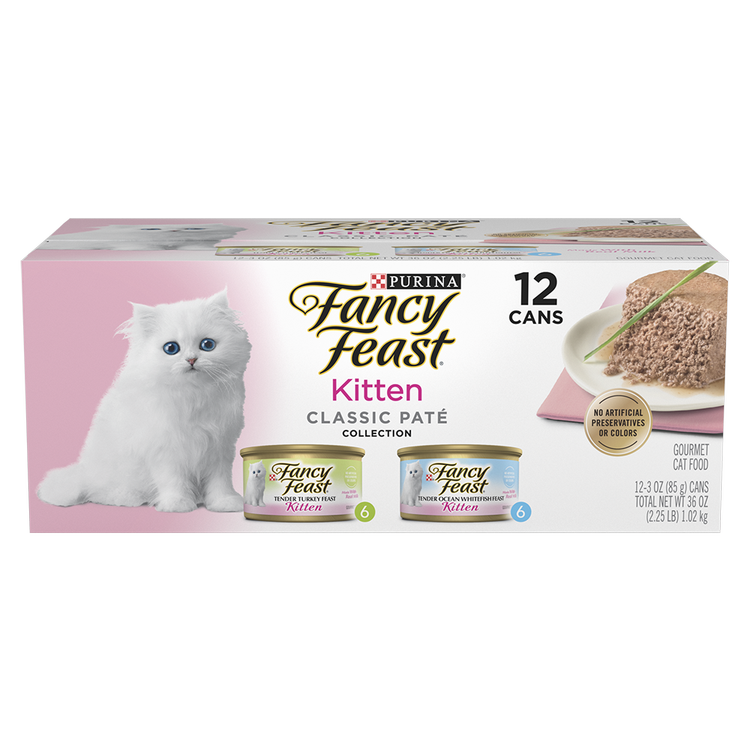
Choose wet cat food with high moisture content, like pâté or stew varieties. Brands like Hill's Science Diet, Royal Canin, and Wellness offer hydrating options. Prioritize products with real meat as the first ingredient for optimal nutrition and hydration. Always consult your vet for personalized recommendations.
Is It Okay To Give Wet Food To Cats Every Day?
Feeding wet food daily is generally safe for cats. It provides hydration and essential nutrients. Ensure it matches your cat's dietary needs. Consult a vet for personalized advice. Wet food can prevent urinary issues and promote healthy weight. Always choose high-quality options for optimal health benefits.
Conclusion
Wet food can help keep your cat hydrated. It contains more moisture than dry food. Cats often don't drink enough water. This can lead to dehydration. Wet food adds water to their diet. Your cat may enjoy the taste too.
It's important to check with a vet. They can guide you on feeding choices. Every cat is different. Make sure your cat gets enough water daily. Wet food might be a good option. It supports their overall health. Consider their preferences and health needs.
Keep your furry friend happy and hydrated.