

Have you ever wondered if the nutritional yeast you sprinkle over your meals could be a treat for your feline friend? As a cat owner, you naturally want the best for your pet, ensuring they enjoy a safe and healthy life.
But when it comes to nutritional yeast, there might be some doubts swirling in your mind. Is it a delightful addition or a potential hazard for your cat's diet? You'll discover the truth about nutritional yeast and whether it poses any risks to your beloved pet.
We'll delve into its benefits, potential downsides, and what experts say about its impact on your cat's health. By the end, you'll have all the information you need to make an informed decision. So, let's unravel the mystery together and ensure your furry friend stays happy and healthy!
Nutritional Yeast Overview
Nutritional yeast is a trendy ingredient in many kitchens, known for its cheesy flavor and health benefits. While it's a favorite among vegans and health enthusiasts, its impact on cats is less understood. Let's dive into what nutritional yeast is and how it's typically used in human diets.
What Is Nutritional Yeast?
Nutritional yeast is a deactivated yeast, often a strain of Saccharomyces cerevisiae. It's grown on molasses and harvested, washed, and dried with heat to deactivate it. This process makes it safe for consumption, offering a nutty, cheesy flavor without any dairy.
Rich in B-vitamins, protein, and minerals, nutritional yeast is a popular supplement in plant-based diets. Its savory taste makes it a beloved seasoning for those seeking to add flavor without unhealthy fats.
Common Uses In Human Diet
Many people sprinkle nutritional yeast on popcorn, pasta, or salads to enhance flavor. It's a staple in vegan cheese sauces, providing that umami kick reminiscent of Parmesan.
Some use it as a thickening agent in soups or stews, giving dishes a creamy texture. Others incorporate it into smoothies for an extra boost of nutrients.
Have you ever considered why this ingredient is so popular? Its versatility makes it a kitchen favorite, but its nutritional profile is the real star. Could it be that this humble yeast is the secret ingredient you've been missing?

Credit: www.facebook.com
Nutritional Yeast And Cats
Nutritional yeast is a popular supplement in the health-conscious community, but have you ever considered its benefits for your feline friend? As a cat owner, you're always on the lookout for ways to enhance your cat's diet and overall well-being. But is nutritional yeast a wise addition to your cat's meals?
Potential Benefits For Cats
Nutritional yeast can be a surprising ally in your cat's diet. One of its main advantages is its high B-vitamin content, which can support your cat's energy levels and improve their skin and coat health. Additionally, nutritional yeast contains a wealth of amino acids, essential for muscle maintenance and growth.
Have you noticed your cat scratching or dealing with skin issues? The biotin in nutritional yeast could potentially aid in alleviating these problems. Moreover, its enticing flavor might make it easier for you to introduce new foods or supplements into their diet.
Nutritional Composition Relevant To Cats
The nutritional composition of nutritional yeast is what makes it stand out. It's packed with vitamins B1, B2, B3, B6, and B12—all crucial for your cat's metabolism and overall health. The presence of selenium and zinc can also enhance your cat's immune system.
It's low in calories, which is beneficial if you're monitoring your cat's weight. But here's a thought—does your cat's diet have sufficient protein? Nutritional yeast has a significant amount of protein, which can be an excellent supplement to their meals.
However, every cat is unique. Always consider your cat's specific dietary needs and consult your vet before making any dietary changes. Could nutritional yeast be the missing piece in your cat's nutrition puzzle?
Risks And Concerns
Nutritional yeast is popular among health enthusiasts, but is it safe for cats? While it offers some benefits, there are potential risks. Understanding these concerns is vital for pet owners.
Possible Allergic Reactions
Cats may have allergies to nutritional yeast. Symptoms like itching, swelling, or sneezing can occur. Monitor your cat for these signs after introducing new foods.
Digestive Issues
Nutritional yeast might upset a cat's stomach. Vomiting or diarrhea are common signs of digestive issues. It's crucial to keep portions small and observe your cat's reaction.
Overconsumption Risks
Too much yeast can lead to health problems. Excessive intake may cause weight gain or imbalances in nutrients. Ensure moderation to avoid these risks.
Credit: www.lemon8-app.com
Safe Usage Guidelines
When it comes to adding nutritional yeast to your cat's diet, understanding the safe usage guidelines is crucial. While this superfood can offer benefits like added B vitamins and a cheesy flavor that many cats adore, it's essential to use it correctly. Let's delve into some practical tips to ensure your feline friend enjoys the benefits without any risks.
Recommended Dosage
Moderation is key. Typically, a pinch of nutritional yeast sprinkled over your cat's food is sufficient. This small amount can enhance the flavor of their meal while providing a nutritional boost.
Consider your cat's size and dietary needs before increasing the dosage. Consulting with your vet can provide personalized guidance. They can help determine the right amount based on your cat’s weight and health.
Monitoring Cat's Health
Observe how your cat reacts to the introduction of nutritional yeast. Look out for any signs of allergies or digestive issues. If your cat shows adverse reactions, it might be best to discontinue use.
Regular check-ups with your vet can help monitor your cat's health. Discuss any dietary changes you make, including adding nutritional yeast. This proactive approach can ensure that your cat remains healthy and happy.
Ask yourself if your cat seems more energetic or if their coat looks shinier after introducing nutritional yeast. These could be signs that your feline friend is benefitting from the addition. Keeping a close eye on such changes can help you assess the impact effectively.
Expert Opinions
When it comes to feeding your feline friend, you want to ensure every bite is both safe and beneficial. Nutritional yeast is often touted as a superfood for humans, but is it safe for cats? To shed light on this topic, we turn to expert opinions from veterinarians and animal nutritionists. Their insights can help you make informed decisions about including nutritional yeast in your cat's diet.
Veterinarian Perspectives
Veterinarians generally agree that nutritional yeast is not harmful to cats in small quantities. Many vets highlight its benefits, such as being rich in B vitamins and having a palatable taste that cats enjoy. A vet once shared how adding a sprinkle of nutritional yeast helped a cat with a poor appetite regain interest in food.
However, moderation is key. Some veterinarians warn against excessive consumption, as it might lead to digestive issues. They recommend discussing any dietary changes with your vet, especially if your cat has pre-existing health conditions. What does your veterinarian say about nutritional yeast?
Animal Nutritionist Insights
Animal nutritionists often praise nutritional yeast for its nutritional profile. It's considered a good source of protein and vitamins, particularly B vitamins, which are crucial for energy metabolism. An animal nutritionist might suggest nutritional yeast as a supplement for cats with specific dietary needs.
Yet, they also caution that not all cats will react the same way. Some cats may be allergic or sensitive to yeast products. Nutritionists advise starting with a small amount and monitoring for any adverse reactions. Have you ever tried introducing new foods to your cat's diet? How did your cat respond?
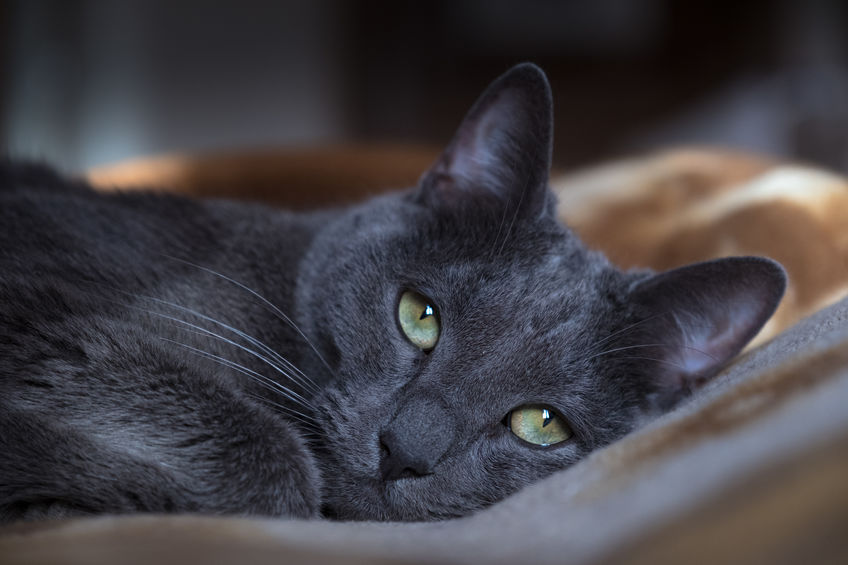
Credit: twocrazycatladies.com
Alternatives To Nutritional Yeast
Nutritional yeast is a popular supplement for humans, but it may not be ideal for cats. If you're considering alternatives, there are several options to ensure your feline friend gets the nutrients they need.
Other Nutritional Supplements For Cats
There are various supplements available that can provide essential nutrients for cats. Here are a few options:
- Fish Oil:Rich in omega-3 fatty acids, it supports skin and coat health.
- Probiotics:Aid in digestive health and boost the immune system.
- Vitamin E:Acts as an antioxidant, promoting overall health.
- Taurine:Essential for heart and eye health in cats.
Always consult your vet before introducing new supplements.
Balanced Diet Tips
A balanced diet is crucial for your cat's health. Here are some tips:
- Variety is Key:Offer different protein sources like chicken, beef, and fish.
- Include Vegetables:Small amounts of cooked veggies provide fiber and vitamins.
- Hydration:Ensure access to fresh water at all times.
- Portion Control:Avoid overfeeding by sticking to recommended serving sizes.
Regular check-ups with your vet can help maintain your cat's dietary balance.
Frequently Asked Questions
How Much Yeast Is Toxic To Cats?
Cats can be poisoned by consuming even small amounts of yeast. Eating yeast can cause bloating and alcohol poisoning. Keep yeast products out of their reach to ensure safety. If ingestion occurs, contact a veterinarian immediately.
Are There Negative Side Effects Of Nutritional Yeast?
Some people may experience digestive discomfort or headaches from nutritional yeast. Individuals with yeast allergies should avoid it. It contains tyramine, which might trigger migraines in sensitive individuals. Always consult a healthcare professional before adding it to your diet, especially if you have a specific health condition.
Is Nutritional Yeast Bad For Animals?
Nutritional yeast is generally safe for animals in moderation. It offers vitamins and minerals beneficial for pets. Always consult a veterinarian before adding it to their diet to ensure safety and proper dosage. Avoid excessive consumption, as it might cause digestive issues in some animals.
Why Can't Cats Have Yeast?
Cats can't have yeast because it can cause digestive issues. Yeast can lead to gas, bloating, and discomfort. Consuming yeast dough can also expand in the stomach, posing health risks. Always consult a vet before introducing new foods.
Conclusion
Nutritional yeast can be safe for cats in small amounts. It's full of vitamins and minerals. Still, watch for any allergic reactions. Some cats may not tolerate it well. Always consult your vet before adding new foods. Moderation is key to keeping your cat healthy.
A balanced diet is crucial for your cat's wellness. Pay attention to your cat's unique dietary needs. Every cat is different. Be mindful of what works best for yours. Prioritize your pet's health with informed choices. Nutritional yeast can be part of a healthy diet when used wisely.