
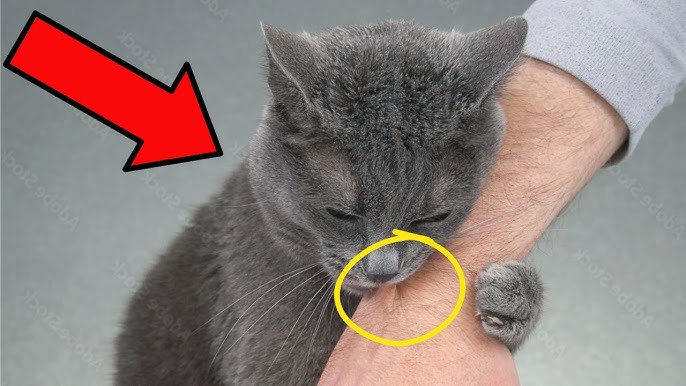
Are you at your wit's end with your feline friend's antics? You're not alone.
Many cat owners face the challenge of correcting bad behavior in their cats. Whether it's scratching the furniture, biting, or ignoring the litter box, these issues can turn your home into a battleground. But before you throw in the towel, there's good news.
Understanding and addressing these behaviors can transform your relationship with your cat and bring peace back into your home. Imagine a life where your cat is not just a pet, but a well-behaved companion. If that sounds like a dream, you're in the right place. This guide will walk you through practical steps to correct bad cat behavior, ensuring a harmonious living environment for both you and your feline friend. Let's dive in and make your home a happier place for you and your cat.

Credit: www.instagram.com
Common Cat Behavior Issues
Understanding bad cat behavior helps in addressing issues like scratching or biting. Positive reinforcement and consistent routines can guide cats to better habits, ensuring a peaceful home.
Cats are charming companions but sometimes show puzzling behaviors. Some actions can be problematic for pet owners. Understanding common cat behavior issues helps in managing them effectively. With the right approach, these behaviors can improve.
Aggression Problems
Aggression in cats can be alarming. It might show as biting or scratching. Cats may act aggressively due to fear or stress. A new environment or pet can trigger this. Providing a safe and calm space can help. Interactive toys can redirect their energy. Consistent routines also offer comfort to anxious cats.
Litter Box Avoidance
Litter box avoidance is a frequent issue. Cats may refuse to use their litter box. This could be due to a dirty box or health issues. Ensure the box is clean and accessible. Some cats prefer a specific type of litter. Experimenting with different litters can solve the problem. Also, consult a vet if health concerns arise.
Excessive Scratching
Scratching is a natural behavior for cats. Yet, it can be destructive when aimed at furniture. Providing scratching posts can help. Place them in areas your cat frequents. Praise your cat when they use the post. This reinforces positive behavior. Cover furniture with protective covers if needed.
Identifying Causes Of Misbehavior
Understanding the underlying causes of your cat's misbehavior is crucial to effectively addressing and correcting it. Misbehavior in cats is often a response to specific stimuli or changes in their environment. By identifying these causes, you can tailor your approach to suit your cat's needs and foster a harmonious home.
Stress Factors
Cats are sensitive creatures and stress can manifest in various forms of misbehavior. A new pet, loud noises, or even a change in your routine can trigger stress in your feline friend. Observe your cat's body language and behavior to identify stressors.
Consider if there have been any recent changes in the household. Are there new family members or pets? Is there construction noise nearby? Recognizing these stressors helps in creating a calmer environment for your cat.
Medical Conditions
Sometimes, misbehavior is a sign of an underlying medical issue. If your cat suddenly starts urinating outside the litter box or becomes unusually aggressive, it might be a symptom of a health problem. Regular vet check-ups can help rule out or diagnose medical conditions.
Remember when my own cat stopped using the litter box, only to discover she had a urinary tract infection? Prompt medical attention not only resolved the issue but also improved her overall well-being. Always consider a vet visit if your cat's behavior changes abruptly.
Environmental Changes
Cats thrive on routine, and environmental changes can disrupt their sense of security. Have you recently moved furniture or changed their feeding schedule? Even small changes can lead to big reactions in your cat’s behavior.
Think about how a simple shift in your daily routine affects your mood. The same applies to cats. Try to introduce changes gradually, giving your cat time to adjust and feel secure in their environment once again.
What steps can you take today to identify and address the causes of your cat's misbehavior? By being observant and proactive, you can help your cat feel more comfortable and reduce unwanted behaviors.
Effective Training Techniques
Bad cat behavior can be frustrating. Yet, with effective training techniques, you can guide your cat towards better habits. Understanding key methods helps in shaping a cat's behavior positively. Let’s explore some proven techniques.
Positive Reinforcement
Reward your cat for good behavior. Use treats, praise, or petting. Offer rewards immediately after the desired action. This helps the cat link the behavior with the reward. Avoid punishing your cat. Instead, redirect negative actions to positive ones. Keep training sessions short. Cats have brief attention spans. Consistent rewards help reinforce good habits.
Consistent Routine
Cats thrive on routine. Establish regular feeding and play times. This creates a sense of stability. Consistency helps reduce anxiety in cats. Stick to set times for activities. This helps your cat know what to expect. Gradually introduce changes if needed. Sudden shifts can stress cats. Maintain a calm environment during these routines.
Interactive Play
Engage your cat in interactive play. Use toys like feather wands or laser pointers. This stimulates their hunting instincts. Play sessions also burn energy, reducing destructive behavior. Aim for at least 10-15 minutes daily. Rotate toys to keep your cat interested. Interactive play strengthens your bond. It also provides mental and physical exercise. Ensure toys are safe and non-toxic.

Credit: www.catbehaviorsolutions.org
Behavior Modification Tools
Behavior modification tools can help correct bad cat behavior effectively. Use positive reinforcement to encourage good habits. Consistency and patience are key to reshaping your cat’s actions.
Behavior modification tools can help correct bad cat behavior. These tools offer practical solutions for common issues. They promote a peaceful home for both you and your cat. Let's explore some effective behavior modification tools.
Scratch Posts
Cats love to scratch. It helps them stay active and healthy. Scratch posts can redirect this natural behavior. Place them in areas where your cat scratches often. Choose sturdy posts with different textures. Encourage your cat to use them with toys or treats. This reduces damage to furniture.
Calming Sprays
Stress can lead to bad cat behavior. Calming sprays can help. These sprays release soothing scents. They mimic natural cat pheromones. Spray them in areas where your cat feels anxious. They help create a relaxed environment. Your cat may feel more at ease.
Litter Box Solutions
Litter box issues are common. They can cause stress for both you and your cat. Ensure the litter box is clean and accessible. Choose a litter type your cat prefers. Place the box in a quiet spot. Make sure there are enough boxes for all your cats. This encourages proper use.
Consulting A Professional
Consulting a professional can help correct bad cat behavior effectively. Experts provide tailored strategies for your cat's needs. Reduce stress and create a harmonious environment for your feline friend.
Consulting a professional can be a game-changer in correcting bad cat behavior. While your efforts at home are valuable, sometimes expertise from outside can provide the clarity and solutions needed. Professionals bring a wealth of knowledge and experience that can help decode your cat's actions and offer tailored strategies.
Veterinary Advice
Veterinarians are not just for vaccinations and check-ups. They can identify any underlying health issues that might be causing your cat's behavioral problems. Imagine your cat suddenly starts avoiding the litter box. A vet visit could reveal a urinary tract infection, which is easily treatable. Addressing health issues can be the first step toward behavior correction.
Animal Behaviorist Support
An animal behaviorist can offer insights into the psychological aspects of your cat's behavior. They work with you to understand triggers and patterns in your cat's actions. For example, if your cat is aggressive, a behaviorist might suggest changes in your home environment or daily routine that can reduce stress. They provide personalized strategies that can make a significant difference.
Training Workshops
Attending cat training workshops can equip you with effective techniques to manage and correct bad behavior. These workshops often offer hands-on training and real-time feedback. You might learn how to use clicker training to reinforce positive behavior or how to deter a cat from scratching furniture. Workshops can be a fun way to bond with your cat while learning valuable skills. Have you considered seeking professional guidance for your cat's behavior issues? It might just be the key to a harmonious relationship with your feline friend.
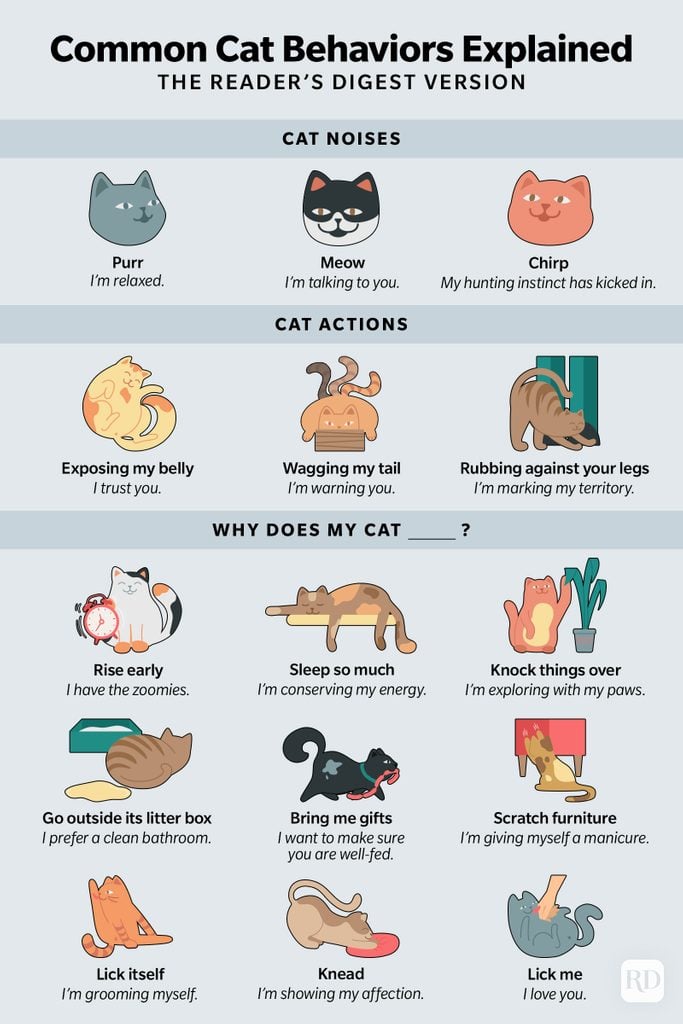
Credit: www.rd.com
Preventing Future Issues
Identify the root cause of your cat's misbehavior to prevent future issues. Consistent training and positive reinforcement guide them towards better habits. Create a cat-friendly environment to minimize stress and promote good behavior.
Preventing future issues with your cat's behavior is essential for a peaceful and harmonious home. By addressing potential problems before they escalate, you can ensure your feline friend remains happy and well-adjusted. This involves regular health check-ups, maintaining a balanced diet, and creating a safe environment. These strategies not only help in correcting bad behaviors but also in preventing them altogether.
Regular Check-ups
Scheduling regular visits to the vet is crucial. Cats can't tell you when they're feeling off, so these check-ups can catch health issues early. A healthy cat is usually a well-behaved cat. Ensure vaccinations are up to date and monitor for any sudden changes in behavior or appetite.
Balanced Diet
Nutrition plays a significant role in behavior. Feed your cat a balanced diet tailored to their age, weight, and health needs. Have you ever noticed a change in your cat's mood after switching foods? A nutritious diet can prevent mood swings and energy spikes that lead to bad behavior.
Safe Environment
Creating a safe and stimulating environment is key. Cats need mental and physical stimulation to stay engaged and happy. Ensure your home is free from hazards and provide plenty of toys. You might consider setting up a small cat-friendly corner with scratching posts and climbing areas. This can reduce stress and prevent destructive behaviors. Reflect on your cat's surroundings. Is there enough for them to explore and interact with? Small changes can make a big difference in preventing future issues. By focusing on these areas, you can ensure your cat's behavior remains positive and your home stays peaceful.
Frequently Asked Questions
How Do You Discipline A Cat Properly?
Use positive reinforcement to encourage good behavior. Redirect unwanted actions to acceptable activities. Provide consistent boundaries. Avoid physical punishment, as it can harm trust. Use deterrents like sprays or noise to discourage bad behavior.
How Do I Get My Cat To Stop Being So Bad?
Train your cat with positive reinforcement. Provide toys to redirect energy. Establish a consistent routine. Use treats for good behavior. Consult a vet for persistent issues.
How Long Does It Take For Cats To Get Over Stress?
Cats usually recover from stress within a few days to weeks. Factors like environment and individual temperament influence recovery time. Provide a calm, safe space and engage them with playful activities. Always consult a veterinarian if stress persists or worsens.
Why Is My Cat So Badly Behaved?
Bad behavior in cats can stem from boredom, lack of socialization, or medical issues. Ensure they're mentally stimulated and healthy. Regular playtime and interaction are crucial. Consult a vet if behavior persists, as underlying health problems might exist. Understanding their needs can improve behavior significantly.
Conclusion
Correcting bad cat behavior takes patience and understanding. Focus on positive reinforcement. Reward good behavior with treats or affection. Consistency is key. Keep routines steady to reduce stress. Cats need mental and physical stimulation. Provide toys and playtime daily. Understand their needs and communication signals.
Ignoring bad behavior can sometimes help. Always stay calm and gentle. Avoid punishment, as it can scare your cat. Seek professional help if needed. Building a strong bond with your cat creates trust. A happy cat makes a happy home.