
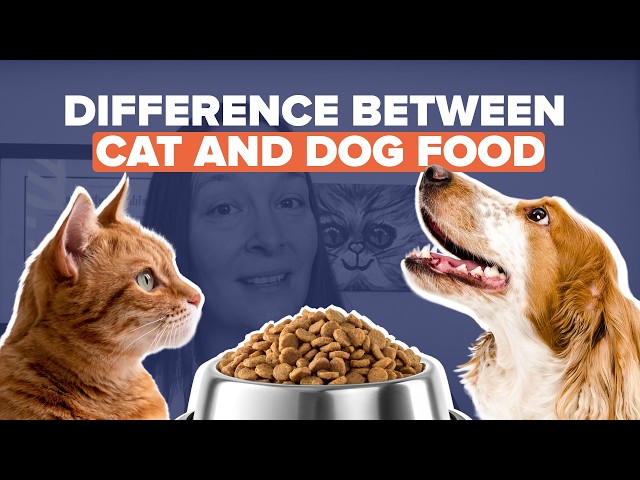
Imagine you're standing in the pet food aisle, faced with a dilemma. Your curious cat has been eyeing that tempting can of wet dog food, and you're wondering, "Can cats eat wet dog food?"
This question might have crossed your mind more than once, especially when your feline friend seems interested in what their canine counterpart is having for dinner. You're not alone in this curiosity. Many pet owners like you want to ensure their furry companions are getting the best nutrition possible, without any harmful side effects.
Dive into this article to uncover the truth behind feeding your cat wet dog food and learn how to keep your beloved pet happy and healthy. Your cat's well-being is important, and understanding their dietary needs is the first step in providing the best care possible. So, let's unravel the mystery together!
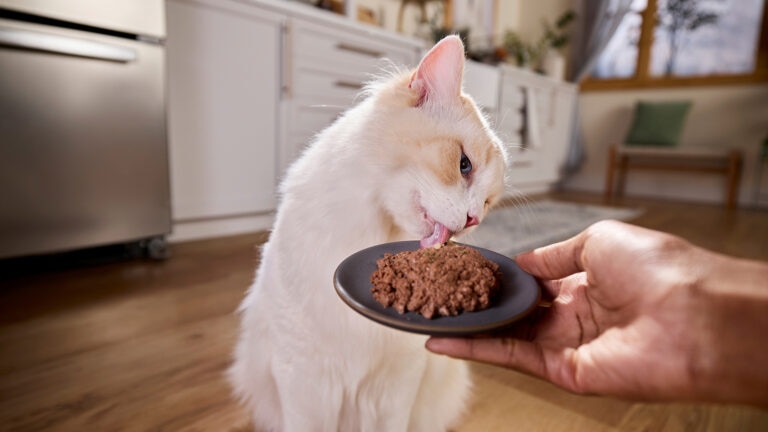
Credit: www.chewy.com
Nutritional Needs Of Cats
Cats are fascinating creatures, and understanding their nutritional needs is crucial to keeping them healthy and happy. Unlike dogs, cats have unique dietary requirements that must be met to maintain their well-being. If you've ever wondered whether it's okay to feed your cat wet dog food, it's essential to first grasp what nutrients your feline friend truly needs.
Essential Nutrients For Felines
Cats require specific nutrients that they cannot synthesize on their own. Taurine, for instance, is an amino acid vital for their heart health, vision, and reproduction. Unlike dogs, cats cannot produce taurine in sufficient amounts and must obtain it from their diet.
Additionally, cats need a higher protein intake compared to dogs. Their bodies are designed to process animal proteins efficiently, making protein an essential part of their diet. If your cat's food lacks adequate protein, it could lead to muscle loss and other health issues.
Differences From Canine Nutrition
While dogs are omnivores and can thrive on a varied diet, cats are obligate carnivores. This means their diet must consist mostly of meat. Feeding your cat dog food, even the wet kind, may not meet their nutritional needs due to these fundamental differences.
Dog food often lacks the necessary levels of taurine, arachidonic acid, and vitamin A, which are crucial for cats. Have you ever noticed your cat showing disinterest in dog food? It's likely because their instincts guide them away from foods that don't meet their nutritional requirements.
Next time you're tempted to share your dog's meal with your cat, remember these crucial differences. Ensuring your cat receives a balanced diet tailored to their needs is one of the most loving things you can do as a pet owner.
Credit: www.purina.com
Composition Of Wet Dog Food
Cats might nibble on wet dog food, but it's not ideal. Dog food lacks essential nutrients cats need. Cats require more protein and certain vitamins not found in dog food.
Understanding the composition of wet dog food is crucial for pet owners. Knowing what goes into wet dog food helps determine its suitability for cats. Cats and dogs have different dietary needs, so examining the ingredients and nutritional profile is essential.
Common Ingredients
Wet dog food typically contains a mix of proteins, vegetables, and grains. Proteins often come from chicken, beef, or fish, providing essential amino acids. Vegetables like carrots and peas add vitamins and minerals. Grains such as rice or barley offer carbohydrates for energy. Some formulas include added vitamins and minerals for a balanced diet.
Nutritional Profile
The nutritional profile of wet dog food is tailored for dogs. It usually contains higher protein levels and moderate fats. These nutrients support energy and muscle maintenance. Wet dog food also has moisture content, aiding in hydration. While beneficial for dogs, this composition might not meet a cat's dietary needs. Cats require more protein and specific vitamins that dog food may lack.
Potential Risks For Cats
Feeding wet dog food to cats might seem convenient, but it comes with risks. Cats have specific dietary needs that differ from dogs. Dog food may lack essential nutrients that cats require. Feeding it regularly can lead to health issues in cats.
Nutrient Deficiencies
Cats need a diet rich in protein and taurine. Dog food often doesn't provide enough taurine. This can lead to heart and vision problems in cats. They also need more vitamin A and arachidonic acid than dogs. Dog food may not have these nutrients in sufficient amounts.
Health Complications
Feeding cats wet dog food can cause digestive issues. Cats might experience upset stomachs or diarrhea. Long-term consumption can lead to weight gain. This increases the risk of obesity and related health issues. A cat's liver can also be affected due to improper nutrient balance.

Credit: www.purina.com
Benefits Of Species-specific Diets
Cats thrive on species-specific diets, ensuring they get essential nutrients. Wet dog food lacks these vital nutrients for cats. Feeding cats inappropriate food can lead to health issues over time.
Feeding your cat a species-specific diet is essential for their overall well-being. Cats and dogs have different nutritional needs, and their diets should reflect that. While it might be tempting to feed your cat wet dog food, understanding the benefits of a diet tailored specifically for cats can help you make better choices for your furry friend.
Tailored Nutrition
Cats are obligate carnivores, meaning they require specific nutrients found only in animal products. Wet dog food may lack essential components like taurine, arachidonic acid, and certain vitamins that are crucial for your cat’s health. By choosing a diet specifically designed for cats, you ensure they receive the right balance of proteins, fats, and vitamins necessary for their unique dietary needs. Consider how you feel after eating a balanced meal versus something lacking in nutrients. Wouldn't you want your pet to feel their best too?
Optimal Health Outcomes
A species-specific diet can lead to better health outcomes for your cat. Proper nutrition supports a healthy immune system, shiny coat, and strong bones. Cats on a feline-specific diet are less likely to suffer from nutritional deficiencies that could lead to health issues. Imagine seeing your cat full of energy, with a shiny coat and bright eyes. That’s the result of feeding them what they need, not what’s convenient. Investing in the right food now can save you from potential vet bills later. Have you considered how a simple choice in their diet could impact their long-term health?
Alternatives To Wet Dog Food
Cats and dogs have different dietary needs. While both are beloved pets, their nutritional requirements differ. Wet dog food is not suitable for cats. Cats need specific nutrients found in foods made for them. So, it's important to find alternatives that cater to a cat's health.
Cat-appropriate Foods
Cats thrive on foods rich in protein and certain fats. They need taurine, an amino acid vital for their health. Commercial cat foods are designed to meet these needs. Dry cat kibble offers convenience and nutritional balance. Wet cat food provides hydration and palatability. Look for brands with high-quality ingredients.
Homemade Options
Making cat food at home can be rewarding. It allows control over ingredients and quality. Cooked chicken or turkey can be a great option. Ensure meats are plain and free from bones. Add some cooked eggs for protein boost. Small amounts of plain cooked fish can also be included. Avoid adding seasonings or onions, as they are harmful to cats.
Consulting Veterinary Guidance
Choosing the right food for your cat can be a tricky task, especially when considering if wet dog food is safe for them. The nutritional needs of cats and dogs are quite different, and feeding your feline friend dog food could lead to unexpected health issues. Consulting veterinary guidance is crucial to ensure that your cat's diet is optimal and safe. But what exactly should you be asking your vet? Let's dive deeper.
Professional Advice
Veterinarians are invaluable resources when it comes to pet nutrition. They can provide expert advice tailored to your cat's specific health needs. You might be surprised to learn that some ingredients in dog food can actually harm cats. For example, taurine deficiency can lead to heart problems in cats, yet this amino acid is not always present in dog food.
Engaging with your vet can help you understand these nuances. It's also the perfect opportunity to address any concerns you may have about your cat's health and dietary habits. Remember, the goal is to ensure your furry friend thrives, and professional advice is a key part of that process.
Monitoring Pet Health
Once you have consulted your vet, it's important to keep a close eye on your pet's health. Regular check-ups and monitoring can help detect any early signs of dietary-related issues. Are there changes in your cat's behavior or energy levels? These could be indicators that something is amiss.
Consider keeping a diary of your cat's eating habits and any health changes you observe. This can be a helpful tool for both you and your vet to track progress and make necessary dietary adjustments. By staying vigilant, you ensure your cat remains healthy and happy.
Frequently Asked Questions
What Happens If Cats Eat Wet Dog Food?
Cats can eat wet dog food, but it's not ideal. Dog food lacks specific nutrients cats need, like taurine. Regular consumption may lead to health issues such as heart problems or blindness. Occasionally, it might be okay, but always prioritize feline-specific nutrition for your cat's well-being.
Can You Feed A Dog Wet Food To A Cat?
Feeding a cat dog wet food occasionally may not harm them, but it's not ideal. Dog food lacks essential nutrients that cats need. Cats require taurine, which is not present in dog food. Always prioritize cat-specific food to ensure your feline receives balanced nutrition.
Can Cats Safely Eat Canned Dog Food?
Cats should not eat canned dog food regularly. Dog food lacks essential nutrients for cats, like taurine. Feeding cats dog food can lead to health issues over time. It's best to provide them with cat-specific food for balanced nutrition. Consult a veterinarian for any dietary concerns or emergencies.
Is There A Difference Between Wet Dog Food And Wet Cat Food?
Yes, there's a difference between wet dog food and wet cat food. Cat food contains more protein and taurine. Dogs have different nutritional needs, requiring less protein. Always feed pets food specifically formulated for their species to ensure proper nutrition and health.
Conclusion
Cats should stick to food meant for them. Wet dog food lacks essential nutrients for cats. It might cause digestive issues or health problems. Cats need specific vitamins and proteins. Dog food can't offer this. Ensure your cat's diet is balanced.
Consult a vet for better guidance. Keep your cat healthy and happy. Choose the right food for your feline friend. Avoid feeding them dog food regularly. Prioritize their nutritional needs. Remember, a proper diet leads to a longer life. Your cat deserves the best care possible.