
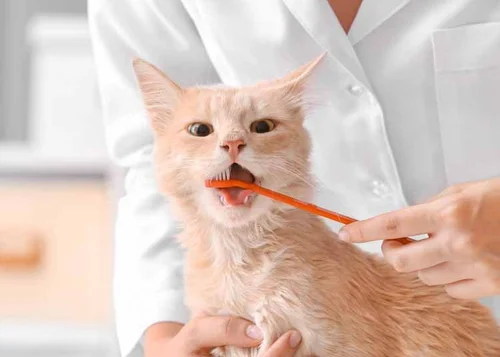
Have you ever wondered about the dental health of your feline friend? You might be surprised to learn that brushing your cat's teeth is more important than you think.
Just like humans, cats can suffer from dental issues that affect their overall health and happiness. You may have noticed bad breath, or perhaps you've seen your cat chewing on one side of its mouth. These could be signs that your furry companion needs a little extra dental care.
But how do you do it? And is it really necessary? Dive into this article to discover why brushing your cat's teeth could be the best decision you make for your pet's health. You'll learn the surprising benefits, and practical tips, and get answers to all your questions about feline dental care. Don't miss out on ensuring your cat's well-being, because a healthy mouth leads to a happier pet—and a happier you!

Credit: www.purina.com
Importance Of Cat Dental Care
Ensuring your cat's dental health is a critical part of their overall well-being. Just like humans, cats are prone to dental issues that can lead to more serious health problems if left untreated. Regular dental care can prevent pain and discomfort for your feline friend and extend their life.
Why Cat Dental Health Matters
Many cat owners overlook dental care, thinking it's not essential. But ignoring your cat's teeth can lead to plaque buildup, gum disease, and even tooth loss. Cats can be masters of hiding pain, making it crucial to proactively address dental health.
Common Dental Problems In Cats
- Gingivitis:This is inflammation of the gums, often caused by plaque buildup.
- Periodontal Disease:Advanced gum disease that can lead to tooth loss.
- Tooth Resorption:A condition where the tooth structure breaks down, often painful for cats.
Benefits Of Regular Dental Care
Regular brushing helps remove plaque before it hardens into tartar. This can save your cat from painful dental issues and costly vet visits. Moreover, maintaining good oral hygiene contributes to better overall health, preventing bacteria from spreading to other organs.
How Often Should You Brush Your Cat's Teeth?
Daily brushing is ideal, but even a few times a week can make a significant difference. Establishing a routine helps your cat become comfortable with the process. Consider starting when they're young to get them accustomed to the activity.
Tips For Brushing Your Cat's Teeth
Use a cat-specific toothbrush and toothpaste—never human toothpaste. Begin slowly, allowing your cat to sniff and explore the tools first. Gradually introduce brushing, rewarding them with treats to create a positive association.
Have you ever checked your cat’s teeth? It might be time to start a new dental care routine. Your cat will thank you with a purr and a playful nudge! Remember, a healthy mouth equals a happy cat.
Signs Of Dental Issues In Cats
Recognizing dental issues in cats can be challenging. Cats often hide discomfort. Observing subtle signs is essential for their oral health. Early detection prevents serious problems and ensures a happy, healthy feline. Below are signs that may indicate dental issues in your cat.
Red Or Swollen Gums
Red or swollen gums are a sign of inflammation. This condition can lead to discomfort and pain. Checking your cat's gums regularly is crucial.
Bad Breath
Persistent bad breath may indicate dental issues. It can be a sign of plaque buildup. A noticeable odor should prompt a vet visit.
Difficulty Eating
If your cat struggles to eat, it might have dental pain. This can lead to weight loss and malnutrition. Observing eating habits is important.
Excessive Drooling
Excessive drooling can signal oral problems. Cats may drool due to tooth pain or gum irritation. Monitor for changes in drooling patterns.
Pawing At The Mouth
Cats may paw at their mouth if in pain. This behavior suggests discomfort or irritation. Attention to this sign can prevent further issues.
Visible Tartar Or Plaque
Yellow or brown deposits on teeth are tartar. Tartar buildup can lead to tooth decay. Regular check-ups can identify and treat this issue.
Choosing The Right Toothbrush And Toothpaste
Brushing a cat's teeth requires specific tools. Choose a toothbrush with soft bristles suitable for pets. Select toothpaste designed for cats, avoiding human formulas that can harm them. Regular dental care helps maintain your feline's oral health.
Choosing the right toothbrush and toothpaste for your cat can make all the difference in their dental health. Many cat owners might overlook this aspect, but just like humans, cats need proper dental care to prevent plaque buildup and gum disease. Finding the right tools can transform this task from a dreaded chore into a smooth, manageable routine.
Understanding Your Cat's Needs
Not all cats are the same, and neither are their dental needs. Consider your cat's age, size, and temperament. A kitten will require a much gentler approach than an older cat.
Types Of Cat Toothbrushes
There are several types of cat toothbrushes available.
- Finger Brushes:These are small brushes that fit over your finger, offering better control.
- Double-Headed Brushes:These have bristles on both sides and can clean multiple angles simultaneously.
- Standard Pet Brushes:Resembling human toothbrushes, they are designed for larger breeds.
Try different types to see which your cat prefers.
Choosing Cat-safe Toothpaste
Never use human toothpaste for your cat. It contains fluoride, which is toxic to cats. Look for toothpaste specifically designed for cats, often flavored with chicken or fish. This makes the brushing experience more enjoyable for them.
Experiment With Flavors And Textures
Cats can be picky. If one flavor doesn’t work, try another. Some toothpastes come in gel or paste form, offering different textures for your cat’s preference.
Make The Experience Positive
The goal is to make tooth brushing a positive experience. Use treats or playtime as rewards. If your cat is comfortable, they are more likely to cooperate during brushing.
Regularly Check Your Supplies
Toothbrushes wear out over time. Replace your cat’s toothbrush every three to four months or sooner if bristles become frayed. This ensures effective cleaning and maintains their dental health. Choosing the right toothbrush and toothpaste can significantly impact your cat's overall health. Are you ready to make dental hygiene a part of your cat’s daily routine?
How To Introduce Toothbrushing
Introducing toothbrushing to your cat might seem like a daunting task, but with the right approach, it's entirely achievable. Regular brushing can prevent gum disease and keep your feline friend's breath fresh. But how do you get started? The key lies in creating a positive experience for your cat, ensuring they feel safe and comfortable during the process. Let's explore some effective strategies to make toothbrushing a natural part of your cat's routine.
Creating A Comfortable Environment
Start by choosing a quiet, calm spot in your home where your cat feels relaxed. This could be their favorite spot on the sofa or a cozy corner. Ensure there are no distractions or loud noises that might scare them.
Consider the lighting; a softly lit area can be less intimidating. Keep the toothbrush and cat toothpaste within reach, but out of sight initially to prevent any anxiety. You want to establish a sense of security and trust.
My cat, Luna, loves when I softly talk to her or play gentle music in the background. Find what works for your cat—maybe it's the sound of your voice or a gentle pat on the head.
Gradual Introduction Techniques
Begin by letting your cat sniff and explore the toothbrush and toothpaste. This familiarizes them with the new items without pressure. You can even let them taste the toothpaste; many are flavored with chicken or fish to appeal to cats.
- Start by using your finger to gently massage their gums, simulating the brushing motion.
- Once they're comfortable with this, try using the toothbrush for short, gentle sessions.
- Reward them with treats or praise after each session to reinforce positive behavior.
Be patient and observe their reactions. Are they curious or hesitant? Adjust your approach based on their comfort level. It's not about perfection on the first try; it's about building a routine they can trust.
What tricks have you found helpful in introducing new routines to your pets? Your unique experiences can shape a healthier, happier life for your furry companions.
Step-by-step Toothbrushing Guide
Brushing a cat's teeth keeps them healthy and prevents dental issues. Start slowly and use a cat-specific toothbrush and toothpaste. Gently brush in small circles, focusing on the gum line to remove plaque and debris.
Brushing your cat's teeth might seem like a daunting task, but it's essential for their dental health. Cats, like humans, can suffer from gum disease and plaque buildup. By regularly brushing their teeth, you're ensuring a healthier life for your feline friend. The following step-by-step guide will help you confidently approach this task, ensuring both you and your cat have a stress-free experience.
Gather The Right Supplies
Start by collecting the necessary items. You’ll need a cat-friendly toothbrush, which is usually smaller and designed for their mouths. Pair it with a toothpaste specifically made for cats. Human toothpaste can be harmful to them. Check your local pet store or consult your vet for recommendations.
Choose The Right Time
Timing is everything. Pick a time when your cat is relaxed and not overly energetic. After a meal or play session is often ideal. Your calm demeanor will also help set the tone for a positive experience.
Get Your Cat Comfortable
Begin by gently handling your cat’s mouth. Use your fingers to lift their lips to get them accustomed to having their mouth touched. Reward them with a treat for their cooperation. This positive reinforcement helps build trust.
Introduce The Toothpaste
Let your cat taste the toothpaste before brushing. Place a small amount on your finger and allow them to lick it off. This helps them get used to the texture and flavor, making the brushing process less intimidating.
Start Brushing
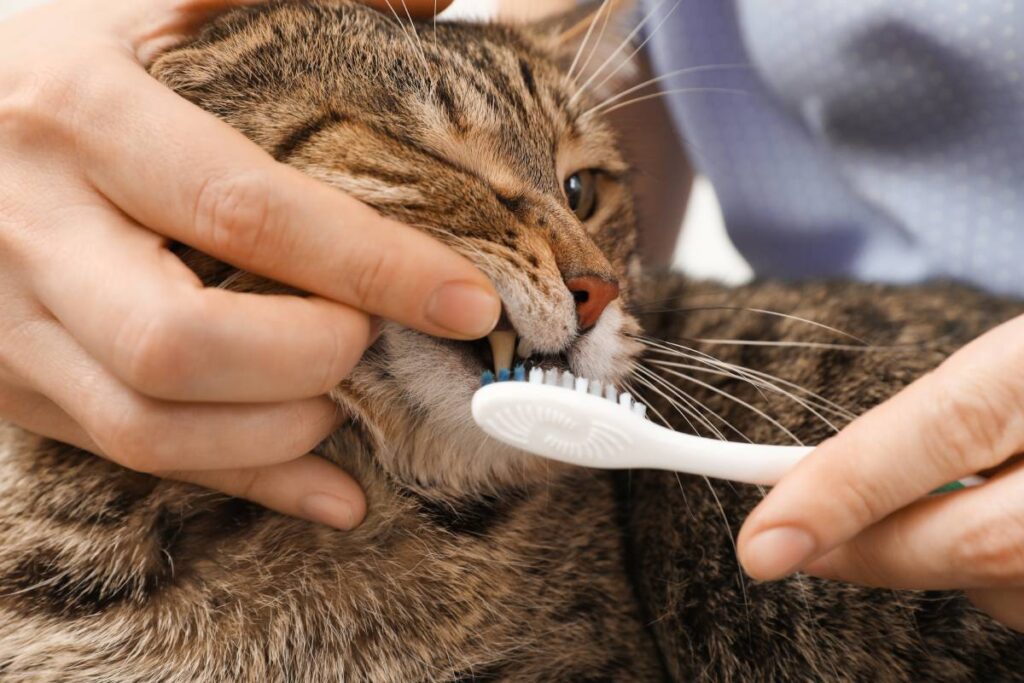
Use gentle, circular motions to brush the outer surfaces of their teeth. Focus on the area where the tooth meets the gum line. Be patient and go slowly, ensuring your cat remains comfortable. Remember, it's okay if you don’t brush every tooth on the first try.
Reward And Praise
Once you’ve completed the brushing, reward your cat with a treat or extra playtime. Praise them for being cooperative. This positive association makes future brushing sessions easier and more enjoyable for both of you. Keeping your cat's teeth healthy doesn't have to be a struggle. With patience and the right approach, you can make toothbrushing a simple part of your pet care routine. How do you plan to start your cat's dental care journey?
Credit: weareallaboutcats.com
Alternatives To Toothbrushing
Brushing your cat's teeth can feel like a daunting task. If you’ve ever tried it, you know that cats aren’t always the most cooperative patients. Luckily, there are alternatives that can help maintain your cat's dental health without the stress of brushing. Let's explore some practical solutions that might just become your cat's new favorite routine.
Dental Treats And Toys
Dental treats and toys are a fantastic way to help clean your cat's teeth while keeping them entertained. Many treats are specifically designed to reduce plaque and tartar, making them a tasty and beneficial addition to your cat’s diet. Look for treats approved by veterinary dental associations to ensure their effectiveness.
Toys that encourage chewing can also play a significant role in dental health. They work by mechanically scraping off plaque while your cat plays. Some toys even have added features like ridges or nubs to enhance cleaning. Why not swap one of your cat's regular toys with a dental one and see if they take to it?
Professional Dental Cleanings
Sometimes, the best solution is to leave it to the professionals. Regular dental check-ups and cleanings by your veterinarian can prevent dental disease and catch issues early. These cleanings typically require anesthesia, but they allow for a thorough cleaning that you simply can't achieve at home.
Consider how often your cat should see the vet for dental cleanings. This can depend on factors like age and overall health. Discuss with your vet to determine a schedule that suits your cat’s needs and keeps their smile healthy.
Which alternative to brushing will you try first? Each option has its benefits, and finding the right mix for your feline friend can lead to a healthier, happier life for them—and less stress for you!
Maintaining Regular Dental Checkups
Brushing a cat's teeth may sound unusual, yet it helps prevent dental issues. Regular brushing can reduce plaque and tartar buildup. Healthy gums can lead to a happier, more comfortable cat.
Maintaining regular dental checkups for your cat is as essential as it is for us humans. It ensures your feline friend maintains a healthy mouth and prevents serious dental issues. Regular vet visits can catch potential problems early, saving your pet from discomfort and you from costly treatments.
Understanding The Importance Of Dental Checkups
Cats, like us, can suffer from plaque, tartar, and gum disease. A routine dental exam helps in identifying these issues before they escalate. Dental problems can lead to more severe health issues if left untreated.
Signs Your Cat Needs A Dental Visit
Look out for signs like bad breath, difficulty eating, or excessive drooling. These could indicate dental issues that require a vet's attention. Regular checkups can help identify these symptoms early.
What Happens During A Cat Dental Checkup?
During the exam, the vet will check for signs of plaque and tartar. They might also perform a cleaning if needed. Dental X-rays may be taken to assess the health of the teeth and jawbone.
How Often Should You Schedule Dental Checkups?
Annual dental visits are generally recommended, but this can vary depending on your cat's health. Older cats or those with previous dental issues might need more frequent checkups. Discuss the best schedule with your vet.
Preparing Your Cat For A Dental Visit
Familiarize your cat with the carrier to reduce stress before the visit. Ensure they're calm and have had a light meal. A relaxed cat is more cooperative during the exam.
Post-checkup Care
After the checkup, follow any advice given by the vet regarding dental care at home. This might include brushing your cat's teeth or using dental treats. Regular home care complements the checkups and keeps your cat's teeth healthy. Regular dental checkups are a proactive step in maintaining your cat's overall health. Have you scheduled your cat's next dental visit yet? Take action today for a healthier, happier pet.

Credit: thelittlecarnivore.com
Common Myths About Cat Dental Care
Brushing a cat's teeth is often overlooked, yet it's essential for their health. Many believe cats naturally clean their teeth, but this is a myth. Regular brushing helps prevent dental issues and keeps your cat's mouth healthy.
Cats are fascinating creatures, often shrouded in mystery and misconceptions. Cat dental care is one such area where myths abound. Many cat owners are unsure about what their feline friends truly need when it comes to oral hygiene. Let's debunk some common myths that might be clouding your judgment on brushing your cat's teeth.
Myth: Cats Naturally Keep Their Teeth Clean
Some believe that cats have a natural ability to maintain oral health without any help. This myth likely stems from observing wild cats, which have different diets and lifestyles. However, domesticated cats often eat processed foods, which can lead to plaque buildup and dental issues. Regular brushing is essential to prevent these problems.
Myth: Dry Food Cleans Cats' Teeth
It's a popular belief that dry kibble helps clean a cat's teeth while they chew. Unfortunately, this isn't true. While crunching on dry food might provide minimal abrasion, it doesn't effectively remove plaque or tartar. Your cat's teeth need more than just a dry food diet to stay healthy.
Myth: Cats Hate Having Their Teeth Brushed
Many cat owners hesitate to brush their cat's teeth, assuming their feline will despise it. While some cats may resist initially, patience and a gentle approach can make the experience manageable. Start slowly, using a finger brush or gauze, and reward your cat with treats to create positive associations.
Myth: Bad Breath Is Normal In Cats
If you've ever caught a whiff of your cat's breath and thought it was just part of their charm, think again. Persistent bad breath can be a sign of dental disease or other health issues. Regularly brushing your cat's teeth can help keep their breath fresh and prevent more serious conditions. By addressing these myths, you can better understand the importance of dental care for your cat. Have you considered how these misconceptions might be affecting your feline friend's oral health? Taking small steps today can lead to a healthier, happier life for your pet.
Frequently Asked Questions
Is It Necessary To Brush Cats' Teeth?
Brushing cats' teeth is necessary to prevent dental diseases and maintain oral health. Regular brushing helps remove plaque and tartar. Start early and use cat-specific toothpaste for the best results. Consult your vet for guidance on proper techniques and tools.
Regular dental care keeps your cat healthy and happy.
What Can I Do Instead Of Brushing My Cat's Teeth?
Offer dental treats or toys to help clean your cat's teeth. Use oral rinses or water additives designed for cats. Regular vet check-ups ensure dental health.
How Are You Supposed To Brush Your Cat's Teeth?
Use a cat toothbrush and pet-safe toothpaste. Brush gently in small circles. Start with short sessions. Gradually increase time and frequency. Reward your cat after brushing to encourage cooperation. Regular brushing prevents dental issues and maintains oral health.
How Do I Clean My Cat's Teeth?
Use a cat toothbrush and pet-safe toothpaste. Brush gently in small circles. Start slowly to build comfort. Regular vet check-ups help maintain dental health. Offer dental treats and toys to reduce plaque.
Conclusion
Brushing your cat's teeth helps keep them healthy. It can prevent gum problems. Establish a routine early for best results. Use cat-safe toothpaste and a soft brush. Make brushing a positive experience. Patience is key. Over time, your cat will adjust.
Remember, regular dental check-ups are crucial. Consult your vet for guidance. Oral health impacts overall wellbeing. Don't ignore dental care. A little effort can make a big difference. Your cat deserves a healthy smile. Keep their teeth clean and strong.
It's a small step for a happier pet.
