
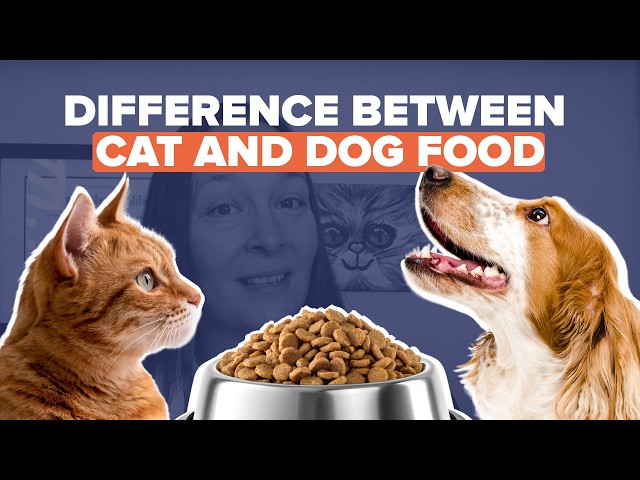
Have you ever found yourself staring at a can of wet dog food, wondering if it could serve as a meal for your feline friend? Maybe you've run out of cat food or are curious about the possibilities.
You're not alone in this dilemma. Many pet owners ponder whether their cats can safely consume wet dog food. This question is more than just a matter of convenience; it touches on the health and well-being of your beloved pet.
Your cat's dietary needs are unique, and understanding them is crucial. Dive into this article to uncover the truth behind feeding wet dog food to cats. You'll discover expert insights and tips that will help you make informed decisions, ensuring your cat's health and happiness. Don't miss out—your feline friend depends on you to make the best choices!

Credit: www.lilyskitchen.co.uk
Feeding Cats With Dog Food
Feeding cats wet dog food can pose health risks due to differing nutritional needs. Cats require specific nutrients like taurine, absent in dog food. It's essential to provide food tailored to feline dietary requirements to ensure their health and well-being.
Feeding Cats with Dog Food As a cat owner, you might have found yourself in a pinch, wondering if it's okay to feed your cat wet dog food. Perhaps you've run out of cat food, or you've noticed your feline friend sneaking bites from the dog's bowl. But is this makeshift meal suitable for your cat?
Nutritional Differences
Cats and dogs have distinct nutritional needs. Cats are obligate carnivores, meaning they require a diet rich in meat to thrive. They need specific nutrients like taurine, arachidonic acid, and vitamin A, which are abundant in cat food but often lacking in dog food. Dog food, on the other hand, is formulated for omnivores and contains a broader range of ingredients. It may not provide the high protein content cats need. Feeding your cat dog food regularly can lead to nutritional deficiencies and health issues.
Reasons Cats Might Eat Dog Food
Why would a cat even consider eating dog food? Cats are naturally curious creatures. The novelty of a new smell or taste can draw them to a dog's dish. Additionally, social dynamics in multi-pet households can influence eating habits. If your cat sees the dog eating, it might feel compelled to join in. But just because they want to try it doesn't mean it's good for them. Have you ever caught your cat nibbling from the dog's bowl? It can be quite a surprise! But remember, ensuring your cat gets the right nutrients is crucial for its health. Would you feed your child a meal meant for someone else every day? Taking a moment to consider your pet's unique dietary needs can make a world of difference in their health and happiness.

Credit: www.petfoodprocessing.net
Potential Risks
Feeding a cat wet dog food can lead to nutritional imbalances. Cats require specific nutrients not found in dog food. Long-term consumption may cause health issues like kidney problems or vitamin deficiencies.
Potential Risks Feeding a cat wet dog food might seem harmless. It can lead to various health issues. Cats and dogs have different nutritional needs. Dog food isn't tailored for cats. Let's explore potential risks associated with this practice.
Nutritional Deficiencies
Cats require more protein than dogs. Dog food often lacks enough protein for cats. It might not have essential amino acids like taurine. Taurine deficiency can cause severe health problems. Cats need specific vitamins that dog food may not provide. Without these nutrients, cats can suffer from malnutrition.
Digestive Issues
Cats have sensitive digestive systems. Dog food can be harder for cats to digest. It might lead to vomiting or diarrhea. Cats might experience discomfort or pain. A different food composition can upset their stomachs. Long-term feeding can exacerbate digestive problems.
Long-term Health Concerns
Continuous feeding of dog food can harm a cat's health. Poor nutrition affects the immune system. Cats may become more prone to illnesses. Their growth and development can be stunted. It can also impact their skin and coat health. Cats may suffer from heart or vision problems. Regular vet visits might become necessary.
Safety Tips
Cats and dogs have different dietary needs. Feeding a cat wet dog food can be tricky. It's crucial to consider safety tips to avoid health issues. Here's how to ensure your cat's well-being.
Occasional Feeding Guidelines
Only feed wet dog food to cats occasionally. Regular consumption can lead to nutrient deficiencies. Cats need taurine, which is not abundant in dog food. Always ensure your cat's primary diet is cat food.
Choosing The Right Dog Food
Pick high-quality dog food if you must feed it to cats. Check the ingredient list for harmful substances. Avoid dog foods with onion or garlic, which are toxic to cats. Opt for those with higher protein content.
Supplementing Cat Diet
Consider adding cat-specific supplements if feeding dog food. Supplements can help fill nutritional gaps. Consult a vet before introducing any new supplements. They can guide you on the right choices for your cat.
Alternatives To Dog Food
Feeding a cat wet dog food is not ideal. Cats have unique dietary needs. They require specific nutrients not found in dog food. Consider alternatives that cater to their health requirements. This ensures they receive the right balance for a happy, healthy life.
Cat-specific Wet Food
Choose wet food made for cats. It meets their nutritional needs. This food contains essential proteins and fats. These are crucial for a cat's growth and energy. Many brands offer varieties. Some focus on health issues like urinary or digestive concerns. Ensure the food is high in moisture. Cats often need more hydration. Wet cat food helps with this.
Homemade Cat Meals
Prepare meals at home for your cat. Use fresh, quality ingredients. Include cooked meats such as chicken or fish. Avoid spices and seasonings. Cats need simple, clean food. Add small portions of vegetables. Cooked carrots or peas are good choices. They provide vitamins and minerals. Homemade meals let you control ingredients. This ensures your cat gets what it needs.
Nutrient Supplements
Add nutrient supplements to your cat's diet. These ensure they get vitamins and minerals. Some cats have special dietary needs. Supplements help meet these needs. Choose products designed for cats. Consult a vet before adding supplements. They can advise on the right options. Supplements should not replace regular meals. They only enhance the nutritional balance.
Consulting A Veterinarian
Understanding what your cat can and cannot eat is crucial for their health. Feeding your cat wet dog food might seem harmless, but it's essential to consult a veterinarian before making any dietary changes. A vet can offer insights that could be life-saving for your furry friend.
When To Seek Advice
It’s tempting to think you can handle your pet's diet on your own. However, there are times when seeking professional advice is necessary. If your cat has a medical condition or is on medication, a vet's guidance becomes even more critical.
Consider how different each animal's dietary needs are. Cats require specific nutrients, like taurine, that are not adequately present in dog food. Your vet can help determine what’s best for your cat’s unique needs.
Custom Dietary Plans
Personalized nutrition can make a world of difference in your cat’s health. A vet can create a custom dietary plan tailored to your cat's age, weight, and health requirements.
Imagine having a meal plan designed specifically to meet all your cat’s nutritional needs. This approach can help prevent future health issues and ensure your cat is thriving.
Have you ever considered how a custom plan might improve your pet's well-being? It might be worth discussing this option during your next vet visit.

Credit: www.lilyskitchen.co.uk
Frequently Asked Questions
Can Cats Safely Eat Canned Dog Food?
Cats shouldn't eat canned dog food regularly. It lacks essential nutrients like taurine, crucial for feline health. Occasionally consuming small amounts might not harm, but it's not advisable. Always prioritize cat-specific food for balanced nutrition. Consult a vet for dietary advice tailored to your cat's needs.
What If I Accidentally Feed My Cat Dog Food?
Feeding your cat dog food occasionally won't harm them. Cats need more protein and taurine than dogs. Regularly feeding dog food can lead to nutritional deficiencies. Ensure your cat gets a balanced diet specifically made for felines to maintain their health.
Consult a vet for persistent feeding issues.
Is Wet Dog Food The Same As Wet Cat Food?
Wet dog food and wet cat food are not the same. They have different nutritional requirements. Dogs need more carbohydrates, while cats need more protein and fat. Feeding the wrong type can lead to health issues. Always choose food specifically formulated for your pet's species.
What Can You Feed Your Cat When You Run Out Of Cat Food?
Feed your cat cooked chicken, turkey, or fish. Scrambled eggs work too. Avoid seasoning and harmful foods like onions. Always ensure fresh water is available. Consult a vet for dietary advice.
Conclusion
Feeding cats wet dog food isn't ideal. Cats need specific nutrients. Dog food lacks taurine. This can lead to health issues. It's better to choose cat food. Cat food supports their health. Always prioritize your cat's well-being. Consult a vet for advice.
They can guide you properly. Understand your cat's dietary needs. Provide balanced nutrition daily. Consider your pet's unique requirements. Make informed decisions. Healthy food leads to a happy cat. Proper nutrition ensures a long life. Your cat deserves the best care.
Keep them safe and healthy. Make choices that benefit them.