

Are you curious about what your cat needs to thrive? Understanding your feline friend's nutritional requirements is essential to ensure they lead a healthy and active life.
Just like you, your cat has specific dietary needs that must be met to support their growth, energy levels, and overall well-being. But what exactly does a balanced diet for your cat look like? You might be surprised at how different their needs are from yours.
If you want your cat to stay happy and healthy, you need to know what goes into their food bowl. Stick around to discover the secrets behind crafting the perfect diet for your beloved pet, and learn how to keep them purring with satisfaction every day.
Basic Nutritional Needs
Cats are obligate carnivores with unique nutritional needs. Meeting these needs ensures their health and vitality. Understanding these basic nutritional requirements helps in selecting the right diet for your feline friend.
Proteins For Growth
Proteins are vital for cats' growth and repair. They provide essential amino acids that cats cannot produce themselves. Animal-based proteins are ideal for fulfilling these needs. Chicken, fish, and beef are great sources. Cats require a higher protein intake than many other animals. This supports muscle development and overall health.
Fats For Energy
Fats are the primary energy source for cats. They help absorb vitamins and maintain a healthy coat. Omega-3 and Omega-6 fatty acids are crucial. These fats support brain function and reduce inflammation. Animal fats and fish oils are excellent sources. Ensure the diet includes these for sustained energy levels.
Carbohydrates In Cat Diets
Carbohydrates are not essential for cats. They can digest them but in small amounts. Too many carbs can lead to obesity. Focus on protein and fat for their energy needs. Some commercial cat foods contain carbohydrates. Ensure they are minimal in their diet.

Credit: www.cleverorcavt.com
Essential Vitamins And Minerals
Cats need essential vitamins and minerals for health. Vitamins A, D, and B complex support vision, bone health, and energy. Minerals like calcium and phosphorus strengthen bones, while magnesium aids nerve function. Balanced nutrition ensures a happy, active feline.
Cats have unique nutritional needs. Their diet requires essential vitamins and minerals for optimal health. These nutrients support various functions in their body. They boost immunity, improve vision, and strengthen bones. Understanding these vitamins and minerals is key to your cat's well-being.
Importance Of Vitamin A
Vitamin A is vital for a cat's vision. It helps maintain healthy eyes and skin. Cats need this vitamin for immune system support. Unlike humans, cats can't produce Vitamin A from plant sources. They rely on animal-based foods to get it.
Role Of Vitamin D
Vitamin D is crucial for calcium absorption. It ensures strong bones and teeth. Cats need Vitamin D to regulate phosphorus levels. Fish oils and liver are good sources. This vitamin supports muscle function too.
Taurine And Heart Health
Taurine is an amino acid important for heart health. Cats can't produce taurine naturally. They must get it from their diet. Taurine deficiency can lead to heart problems. It also supports vision and digestion.
Calcium And Bone Strength
Calcium is necessary for bone health. It aids in muscle contraction. Cats need calcium for nerve function. This mineral supports blood clotting. Dairy products and fish are calcium-rich foods. A balanced diet ensures your cat gets enough calcium.
Hydration And Water Needs
Cats need proper hydration for their health. Water supports digestion, circulation, and temperature regulation. Ensure your cat has access to fresh water daily to meet these essential needs.
Cats are often notorious for not drinking enough water, yet hydration is a crucial part of their nutritional needs. While cats naturally get a lot of moisture from their prey in the wild, domestic cats may not always drink enough water, leading to potential health issues. Understanding your cat's hydration requirements can help ensure their well-being and prevent complications like kidney problems.
Signs Of Dehydration
Dehydration in cats can be subtle, yet it poses significant health risks. Watch for signs like sunken eyes, lethargy, and dry mouth. You can also gently pinch the skin on your cat's back; if it doesn't snap back quickly, your cat may be dehydrated.
Water Sources For Cats
Cats can be quite picky about their water sources. Fresh, clean water is essential, and some cats prefer running water. Consider a pet water fountain to encourage drinking. Wet cat food can also be a great source of hydration, as it contains a higher water content compared to dry kibble. Ensuring your cat stays hydrated is as vital as choosing the right food. What strategies have you found effective in keeping your cat well-hydrated?
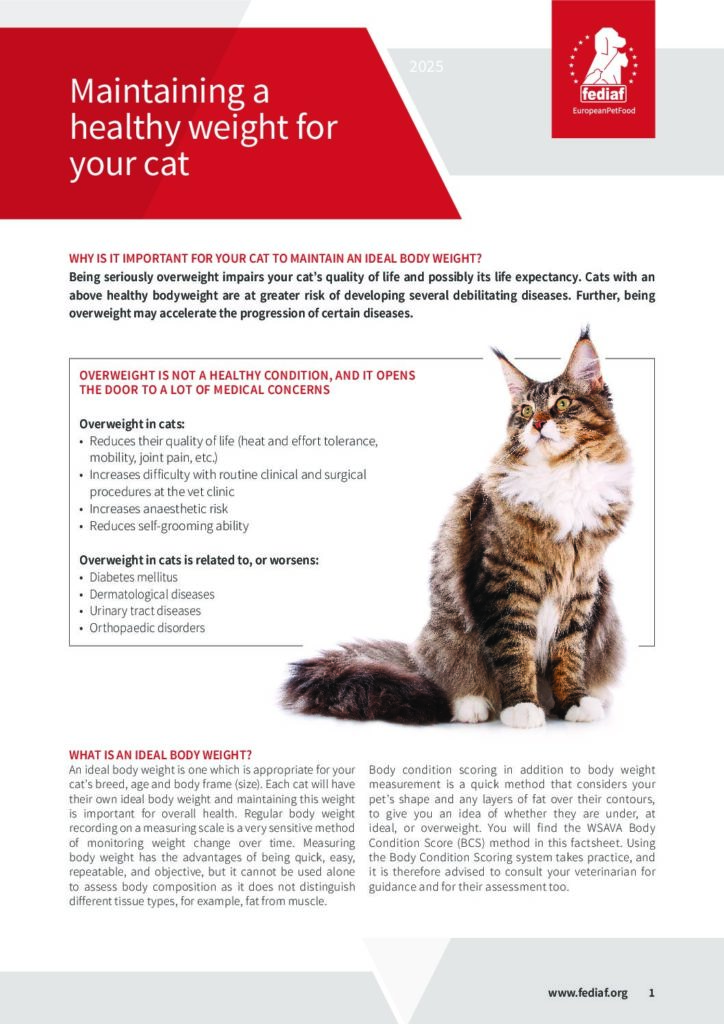
Credit: europeanpetfood.org
Age-specific Nutritional Needs
Cats need different nutrients at various life stages. Kittens require protein and fat for growth. Adult cats need balanced nutrients for maintenance, while senior cats benefit from antioxidants and joint support.
Understanding the nutritional needs of your cat is essential to ensure they live a healthy and happy life. Cats, like humans, have different dietary requirements at various life stages. Tailoring their diet to their age can enhance their overall well-being and longevity. Let's dive into the specifics of what your feline friend needs at each life stage.
Kittens And Growth
Kittens are in a critical growth phase and need a diet rich in calories, protein, and fat. These nutrients support their rapid development and energy levels. Choose kitten-specific foods that contain DHA, an essential fatty acid that aids in brain and vision development. Frequent, smaller meals throughout the day can help meet their high energy demands. Remember, their digestive systems are still developing, so overfeeding can lead to digestive issues. Engage with your veterinarian to ensure your kitten’s diet is well-balanced. Personal experience has shown that a well-fed kitten is more playful and eager to learn. How is your kitten’s energy level after meals?
Adult Cats And Maintenance
Once your cat reaches adulthood, their nutritional needs shift to maintenance rather than growth. Adult cats require a balanced diet to maintain a healthy weight and support daily activity. Focus on high-quality protein sources, as cats are obligate carnivores. Ensure their diet includes essential amino acids, vitamins, and minerals. Regularly monitor their weight and adjust portions if they are gaining or losing too much weight. Have you noticed changes in your cat’s activity level or appetite? This could indicate a need to adjust their diet.
Senior Cats And Health Considerations
As cats age, their metabolism slows, and they may become less active. Senior cats often need fewer calories but higher levels of certain nutrients. Consider foods with added joint support and antioxidants to help with mobility and immune health. Fiber-rich diets can aid in digestion, which can slow down in older age. Regular vet check-ups can identify any age-related health issues that may require dietary adjustments. Is your senior cat showing signs of arthritis or other health concerns? A tailored diet can make a significant difference in their quality of life.
Special Dietary Requirements
Cats need a balanced diet rich in proteins, fats, and essential amino acids. Taurine is vital for heart and eye health. Fresh water is also important to keep your cat hydrated.
Special dietary requirements for cats are essential for their health. Cats need specific diets for different health conditions. These diets help manage issues like obesity, allergies, and diabetes. Understanding these needs ensures your cat remains healthy and happy.
Obesity Management
Obesity in cats can lead to serious health problems. A diet low in calories helps with weight control. Foods high in protein keep your cat feeling full. Regular exercise complements a balanced diet. Monitor your cat's weight regularly.
Allergy-friendly Diets
Some cats have food allergies. Allergy-friendly diets exclude common allergens. These may include soy, wheat, or dairy. Look for hypoallergenic cat food options. Consult with a vet for personalized dietary plans.
Diabetes Care
Diabetic cats need special diets. Low carbohydrate food helps manage blood sugar levels. High fiber content aids digestion. Consistent meal times are crucial. Regular vet check-ups ensure diabetes is under control.

Credit: thelittlecarnivore.com
Choosing The Right Cat Food
Understanding a cat's nutritional needs is vital for choosing the right food. Cats require a diet rich in protein, essential fatty acids, and certain vitamins. Ensure their food contains taurine, as it's crucial for their health.
Choosing the right cat food is a crucial decision for any cat owner. Your feline friend's health and vitality depend significantly on their diet. It's essential to understand the different options available and how they meet your cat's nutritional needs.
Wet Vs Dry Food
Deciding between wet and dry cat food can be challenging. Wet food typically contains more moisture, which is beneficial for cats who don't drink much water. It can be more appetizing to picky eaters, but it often comes at a higher price and can spoil if left out too long. Dry food, on the other hand, is more convenient and cost-effective. It helps with dental health by reducing plaque buildup. However, some cats may not find it as palatable or may develop urinary tract issues if they don't consume enough water.
Reading Food Labels
Understanding food labels is key to choosing a nutritious diet for your cat. Look for labels that list specific meat sources like chicken or salmon as the first ingredient. Avoid foods with vague terms like "meat by-products." Check for necessary nutrients such as taurine, which is vital for your cat's heart health. Don't forget to note the caloric content to ensure you're not overfeeding or underfeeding your pet.
Homemade Diets
Some cat owners opt for homemade diets, believing they can provide fresher and more natural nutrition. This approach requires careful planning to ensure a balanced diet. Essential nutrients like calcium and vitamins need to be included, which can sometimes be tricky to get right. It's wise to consult with a veterinarian before transitioning to a homemade diet. They can help you design a meal plan that meets all of your cat's nutritional needs. Have you ever considered the benefits of preparing your cat’s meals at home? It might be worth exploring if you're keen on knowing exactly what your pet is consuming.
Common Dietary Mistakes
Cats need a balanced diet, yet common mistakes include overfeeding or offering too many treats. Protein is vital for energy and muscle maintenance, while vitamins and minerals support overall health.
Common dietary mistakes can lead to health issues for your feline friend. It's easy to assume that a cat's nutritional needs are similar to ours, but their requirements are quite specific. Understanding these mistakes can help you ensure your cat stays healthy and happy.
Overfeeding Concerns
Overfeeding is a common mistake that many cat owners make. Cats can be quite persuasive when they want more food, but giving in can lead to obesity. Obesity in cats can cause various health problems like diabetes and joint issues. Measure your cat's food portions accurately and resist the urge to give extra treats. Regularly check your cat's weight and consult with your vet to adjust their diet as needed. Are you guilty of sneaking extra kibble into their bowl?
Human Foods To Avoid
It's tempting to share your meals with your cat, but many human foods can be harmful. Foods like chocolate, onions, and garlic are toxic to cats. Even dairy products, which are often portrayed as a feline favorite, can cause digestive problems. Stick to cat-specific treats and foods to keep your pet safe. Educate yourself on what foods to avoid and keep a list handy. What human food might you unknowingly be feeding your cat?
Consulting A Veterinarian
Consulting a veterinarian helps understand a cat's nutritional needs. Cats require proteins, vitamins, and minerals for health. Balanced diets ensure energy and prevent diseases.
Consulting a veterinarian is a crucial step in ensuring your cat's nutritional needs are met effectively. While you may have a basic understanding of what cats need, a vet can provide tailored advice based on specific health conditions and dietary requirements. It's like having a personalized nutritionist for your feline friend.
Recognizing Dietary Issues
Understanding your cat's dietary needs can be challenging without professional guidance. Cats may show signs of dietary issues such as weight loss, dull coat, or lethargy. A vet can help identify these signs early and recommend the right course of action. Regular check-ups with your vet can prevent potential health issues. This proactive approach ensures your cat's diet supports their overall well-being. Ever noticed your cat refusing food? It might not just be about taste preferences.
Tailoring Diet To Individual Needs
Every cat is unique, and their diet should reflect that individuality. A vet can assess your cat's age, weight, activity level, and health status to create a customized diet plan. For instance, a senior cat may need more joint-supporting nutrients, while an active kitten might require more protein for growth. Tailoring your cat's diet can significantly impact their health and happiness. Have you ever tried different cat foods and still felt unsure if it was the right choice? A vet's insight can eliminate that uncertainty. Making informed decisions about your cat's diet can lead to a longer, healthier life.
Frequently Asked Questions
What Are The Nutritional Requirements For Cats?
Cats need proteins, fats, vitamins, and minerals for optimal health. Animal-based proteins are crucial. Taurine, an essential amino acid, is vital. Omega-3 and Omega-6 fatty acids support skin and coat health. Vitamins like A and D are necessary. Fresh water is essential for hydration.
What Is The 25 Rule For Cat Food?
The 25 rule for cat food means the product must contain at least 25% of the named ingredient. This rule ensures transparency in labeling, helping pet owners choose the right food for their cats. Always check labels for ingredient percentages to ensure your cat receives adequate nutrition.
What Are The 7 Basic Nutritional Needs Of Animals?
Animals need seven basic nutrients: carbohydrates, proteins, fats, vitamins, minerals, water, and fiber. Carbohydrates provide energy. Proteins support growth. Fats offer essential fatty acids. Vitamins and minerals aid metabolic processes. Water is vital for hydration. Fiber helps digestion. Proper nutrition ensures health and wellbeing for animals.
Is 2 Cans Of Wet Food A Day Enough For A Cat?
A cat's food requirements depend on its age, size, and activity level. Typically, 2 cans are sufficient for most adult cats. Always consult a vet for personalized dietary needs to ensure optimal health. Monitoring your cat's weight and energy levels helps adjust feeding amounts as necessary.
Conclusion
Cats need a balanced diet for good health. Proteins are essential for muscle strength. Fats provide energy and support skin health. Vitamins and minerals boost the immune system. Always check food labels for complete nutrition. Consult your vet for dietary advice tailored to your cat.
Fresh water is also crucial for hydration. Avoid feeding human food to cats. It may lack essential nutrients. Regular check-ups ensure your cat's diet remains optimal. A healthy diet leads to a happy cat. Prioritize their nutritional needs for a longer, healthier life.
Your cat's well-being depends on it.
