

Are you worried about your cat's dental health but not sure if you can brush their teeth without toothpaste? You're not alone.
Many pet owners are concerned about the buildup of plaque and tartar, which can lead to serious health issues for their beloved feline friends. Imagine if you could maintain your cat's oral hygiene without the fuss of toothpaste. Wouldn't that make things easier and less stressful for both you and your furry companion?
We'll explore effective methods for keeping your cat's teeth clean and healthy, ensuring they stay happy and healthy. Keep reading to discover how you can take control of your cat's dental care in a way that's simple and stress-free!
Importance Of Cat Dental Care
Cats need dental care just like humans. Neglecting their teeth can lead to health problems. Regular dental care can prevent these issues and ensure your cat stays healthy. Brushing your cat's teeth without toothpaste is possible and can still be effective. Here's why dental care is important for your feline friend.
Understanding Cat Dental Health
Many cat owners overlook dental health. But it's crucial for their overall well-being. Dental issues can lead to pain and discomfort. It can also cause more serious health problems. Regular dental care helps in preventing these issues.
Signs Of Dental Problems In Cats
Look for signs like bad breath, red gums, or drooling. Cats may also avoid eating or show signs of discomfort. Early detection of these signs can make treatment easier.
Benefits Of Regular Dental Care
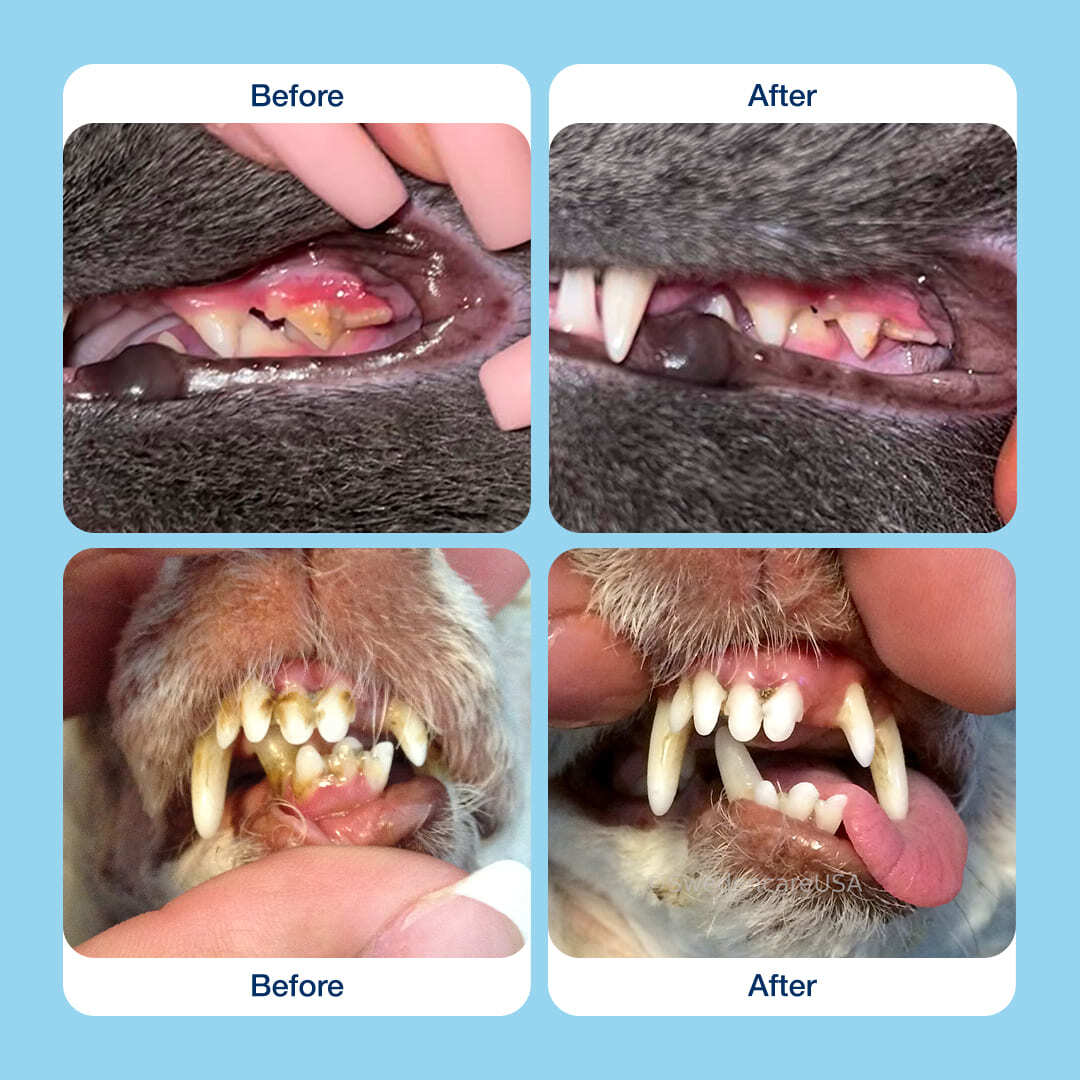
Regular brushing keeps your cat's teeth clean. It reduces the risk of plaque and tartar buildup. This helps in maintaining healthy gums and teeth. It also ensures your cat's overall health and happiness.
You can brush your cat's teeth using water or a soft brush. There are also cat-friendly dental sprays and wipes available. These alternatives can help keep your cat's mouth clean and fresh.
Establishing A Dental Routine
Start by getting your cat used to having its mouth touched. Gradually introduce the toothbrush without toothpaste. Make it a positive experience with treats and praise. Consistency is key for a successful dental routine.

Credit: www.purina.com
Alternatives To Toothpaste
Brushing your cat's teeth is vital for their health, but you might wonder if toothpaste is necessary. Fortunately, there are alternatives that can effectively clean your cat's teeth without using traditional toothpaste. Let's explore some natural cleaning agents and cat-safe dental gels that offer a solution.
Natural Cleaning Agents
Many pet owners turn to natural cleaning agents to maintain their cat's oral hygiene. These alternatives can be both safe and effective. For example, a simple mixture of water and baking soda can gently clean your cat's teeth. Ensure the mixture is mild, as cats are sensitive to strong flavors.
Another option is coconut oil. Not only does it have antimicrobial properties, but it can also be appealing to your cat. Applying a small amount directly to their teeth can help in reducing plaque. Do you have any natural remedies that have worked for your pet?
Cat-safe Dental Gels
Dental gels designed specifically for cats offer a convenient alternative to toothpaste. These gels often come in flavors that cats enjoy, like poultry or fish. They are easy to apply and can be effective in promoting dental health.
You can find these gels at pet stores, and they typically come with clear instructions on application. The ease of use makes them a favorite among cat owners. Have you tried any dental gels that your cat loved?
Tools For Brushing
Brushing your cat's teeth is possible without toothpaste. Use a small, soft-bristled brush to gently clean their teeth. Focus on the gum line where plaque often builds up. Regular brushing helps maintain oral health and prevents dental issues.
To keep your cat's teeth healthy, you need the right tools. Brushing without toothpaste is possible, but the right toothbrush is essential. Using the correct tools ensures a more comfortable experience for your cat.
Choosing The Right Toothbrush
Selecting a toothbrush for your cat requires consideration. Cat toothbrushes are smaller and softer. Look for brushes with gentle bristles. This helps avoid hurting your cat's gums. Some brushes have angled handles for better reach. A good toothbrush makes brushing easier and more effective.
Finger Brushes Vs. Traditional Brushes
Finger brushes fit over your finger, offering control. They are soft and easy to use. Cats often find them less intimidating. Traditional brushes have longer handles. They provide better reach for back teeth. Both types have benefits. Your choice depends on your cat's comfort level. Consider trying both to see which suits your cat best. Using the right tools makes brushing a positive experience. Your cat will appreciate your care.
Step-by-step Brushing Guide
Brushing your cat's teeth without toothpaste is possible. Use a soft-bristled brush to gently clean their teeth. Focus on removing plaque and keeping the gums healthy.
Brushing your cat's teeth might seem like a daunting task, especially without toothpaste. However, with a simple step-by-step guide, you can make this routine an enjoyable experience for both you and your feline friend. Keeping your cat's dental health in check not only prevents gum disease but also contributes to their overall well-being. Let's dive into the preparation and techniques that will help you master this essential task.
Preparing Your Cat
Start by creating a calm environment. Choose a quiet space where your cat feels comfortable, away from distractions. You might notice how your cat loves a particular spot by the window; this can be an ideal place for brushing.
Get your cat used to the idea of having their mouth touched. Gently stroke their cheeks and lips while speaking softly. Gradually, introduce your finger into their mouth to familiarize them with the sensation. This step is crucial as it builds trust and reduces anxiety.
Use treats or toys as positive reinforcement. After each successful attempt at touching their teeth or gums, reward them. This makes the process rewarding and encourages cooperation.
Brushing Techniques
Use a finger brush or gauze wrapped around your finger. These tools are soft and non-threatening, making them perfect for beginners. You might find the gauze more flexible, allowing you to reach tricky spots.
Start with gentle circular motions on the front teeth. Gradually move to the back teeth as your cat becomes more comfortable. This technique mimics the natural cleaning action of chewing and can be quite soothing.
Limit the brushing session to a few minutes. Cats have short attention spans, so keeping the session brief helps maintain their interest and keeps the experience positive.
Consider what other natural methods could complement this routine. Have you thought about dental treats or toys designed to clean teeth? Exploring these options could enhance your cat's dental health even further.
Tips For A Stress-free Experience
Brushing your cat's teeth without toothpaste is possible using a damp cloth or gauze. Gently rub the cloth over the teeth to remove plaque. Regular cleaning helps maintain your cat's oral health, reducing stress for both you and your pet.
Cats can be quite particular when it comes to new experiences, especially something as unfamiliar as having their teeth brushed. This can lead to a stressful situation for both you and your feline friend. However, with the right approach, you can make this process much more comfortable and enjoyable. Here are some practical tips to ensure a stress-free experience while brushing your cat's teeth without toothpaste.
Creating A Calm Environment
Set the stage for a peaceful experience by choosing a quiet room away from distractions. Consider using a soft surface like a blanket or a towel to make your cat feel more secure. Dim the lights if possible, as a bright environment can sometimes be intimidating. Gently pet your cat and speak softly to them, reassuring them with your voice. If your cat enjoys certain music, playing it softly can also help create a relaxing atmosphere.
Positive Reinforcement
Reward your cat for good behavior to build positive associations with teeth brushing. Offer treats or extra cuddles after each session. This can turn the experience into something your cat looks forward to. Start slow and gradually increase the time spent on brushing as your cat becomes more comfortable. Celebrate small victories, like allowing you to touch their mouth or lift their lip. Ask yourself, have you ever tried turning a mundane task into a fun one for both you and your cat? Engaging your cat with playtime right after brushing could be a great way to end on a high note.
Signs Of Dental Health Issues
Understanding the signs of dental health issues in your cat can be crucial for their overall well-being. Cats are notorious for hiding pain, so it's important to be vigilant. By paying attention to certain symptoms, you can catch potential problems early and seek appropriate care.
Recognizing Symptoms
Does your cat seem hesitant to eat dry food lately? This could be an indicator of dental discomfort. Look for visible signs such as red, swollen gums or persistent bad breath. A decrease in grooming behavior might also suggest oral pain. Check for drooling or pawing at the mouth, as these actions can be subtle cries for help.
Have you noticed any unusual facial swelling? This might point to a more serious issue like an abscess. Regularly examining your cat's mouth during playtime can help you catch these symptoms early.
When To Seek Veterinary Help
If you observe any of the above symptoms persisting, it’s time to consult your veterinarian. Ignoring these signs could lead to more severe health problems down the line. A professional can provide a thorough examination and recommend the best course of action.
Consider scheduling a dental check-up if your cat's eating habits change drastically. Remember, early intervention can prevent more painful and costly treatments in the future. Are you prepared to take action for your feline friend’s dental health?
Additional Dental Care Options
Ensuring your cat's dental health goes beyond just brushing. There are various options to keep their teeth clean and healthy. These methods can complement regular brushing and enhance your pet's oral hygiene.
Dental Treats And Chews
Dental treats are designed to reduce plaque and tartar. They come in various shapes and flavors to entice your cat. Chews can also be effective, encouraging your cat to gnaw, which helps clean teeth naturally.
- Choose treats approved by veterinary experts.
- Monitor your cat while they chew to avoid choking.
- Introduce them gradually to assess your cat's preference.
Regular Vet Check-ups
Professional dental check-ups are crucial for your cat's health. Vets can detect issues early and provide expert cleaning. Routine visits ensure any dental problems are managed promptly.
- Schedule check-ups at least once a year.
- Discuss dental concerns with your vet during visits.
- Follow any recommended dental care plans.

Credit: www.yahoo.com
Credit: uk.swedencare.com
Frequently Asked Questions
What Can I Use To Brush My Cat's Teeth If I Don't Have Cat Toothpaste?
Use a soft-bristled toothbrush and water to brush your cat's teeth. You can also use baking soda. Avoid human toothpaste as it contains ingredients harmful to cats. Regular brushing helps maintain oral health and prevents dental issues. Always consult your vet for alternative options if needed.
Do Cats Need Toothpaste When Brushing Their Teeth?
Yes, cats need toothpaste specifically designed for them. Human toothpaste can be harmful. Use pet-safe toothpaste to maintain your cat's dental health effectively. Regular brushing helps prevent plaque and tartar buildup, ensuring your cat's teeth and gums stay healthy. Remember, good oral hygiene is essential for your feline friend.
How Can I Clean My Cat's Teeth Naturally?
Brush your cat's teeth using a pet-safe toothpaste and a small toothbrush. Offer dental treats or toys designed to reduce plaque. Provide raw bones occasionally for natural cleaning. Add dental water additives to their drinking water for improved oral health.
Regular vet check-ups ensure optimal dental care.
Is It Too Late To Start Brushing Your Cat's Teeth?
It's never too late to start brushing your cat's teeth. Regular dental care helps prevent tooth decay and gum disease. Introduce brushing gradually, using cat-friendly toothpaste and a soft brush. Consistent dental hygiene can improve your cat's overall health and well-being.
Prioritize their dental care today for a healthier future.
Conclusion
Brushing your cat's teeth without toothpaste is possible. Choose a soft brush designed for pets. Gently brush in small circles to clean. Patience is key. Some cats resist at first, but they learn. Regular brushing helps prevent dental issues. It keeps your cat healthy and happy.
Treats and praise can make it a positive experience. A good routine builds trust and cooperation. Your cat's dental health matters. A little effort can save on vet bills later. Start this simple habit for better cat care today.