
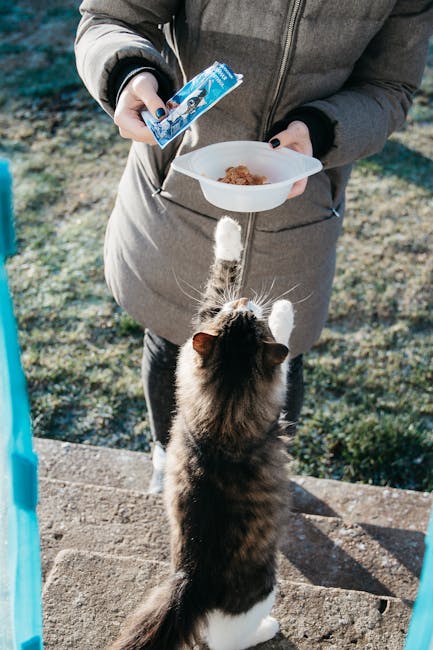
You love your cat and want the best for them, right? That's why you carefully choose wet cat food that promises all the nutrients and flavors your feline friend craves.
But here's a question that might have crossed your mind: How long can wet cat food stay out before it turns from a gourmet delight into a risky meal? This is a concern for every cat owner who juggles the balance between convenience and safety.
With so many conflicting opinions, it's easy to feel unsure about how long you can leave out wet cat food. In this post, we'll unravel the mystery and give you clear, straightforward answers. We promise you'll gain the confidence to make the best feeding choices for your furry companion. Keep reading to ensure your cat stays healthy and happy with every meal!

Credit: www.wikihow.com
Factors Affecting Wet Cat Food Safety
Understanding the factors affecting wet cat food safety is crucial. This knowledge helps keep your furry friend healthy. Wet cat food can spoil quickly, which poses risks. Several elements influence how long it remains safe for consumption.
Temperature Considerations
Temperature plays a significant role in food spoilage. Warm environments accelerate bacterial growth. Wet cat food should not stay in temperatures above 70°F for long. In colder areas, food lasts slightly longer. Always monitor room temperature where cat food is kept.
Humidity And Moisture Levels
Humidity can impact food quality significantly. High moisture levels invite mold and bacteria. Wet cat food in humid areas spoils faster. Dry environments slow down spoilage. Ensure the storage area is dry to maintain safety.
Type Of Ingredients
Ingredients in wet cat food affect its shelf life. Preservatives extend the duration food stays safe. Natural or organic ingredients spoil quickly. Meats and proteins are prone to faster deterioration. Check ingredient lists for preservatives to gauge safety duration.

Credit: www.wikihow.com
Health Risks Of Spoiled Cat Food
Feeding your cat spoiled food can pose serious health risks. Wet cat food left out for too long can become a breeding ground for harmful bacteria. Spoiled food can also lose its nutritional value, failing to provide the necessary nutrients your pet needs. Recognizing signs of spoilage is crucial to ensure your cat's safety and well-being.
Bacterial Growth Concerns
Bacteria thrive in moist environments. Wet cat food left out for more than two hours can become contaminated. Salmonella and E. coli are common culprits. These bacteria can cause severe digestive issues in cats. Vomiting, diarrhea, and lethargy are typical symptoms. Always refrigerate wet food promptly to minimize bacterial growth.
Nutritional Degradation
Once wet cat food is exposed to air, its nutrients start breaking down. Vitamins can degrade quickly, reducing the food's nutritional quality. Essential proteins and fats may also deteriorate. Your cat might miss out on vital nutrients necessary for energy and health. Offer fresh food to ensure your pet gets the full nutritional benefits.
Signs Of Spoilage
Detecting spoiled cat food is important. Look for changes in texture or color. A sour or rancid smell is a clear indicator. Mold is a visible sign of spoilage. If the food has an unusual appearance or odor, discard it immediately. Regularly check your cat's food to prevent any health risks.
Recommended Time Limits For Safe Consumption
Wet cat food should not sit out for more than two hours. Bacteria grow quickly, making it unsafe. Always refrigerate leftovers promptly to ensure your cat's health.
Understanding the recommended time limits for safe consumption of wet cat food is crucial to maintaining your feline friend's health. Leaving wet food out for too long can invite bacteria, compromising your cat's meal and potentially leading to health issues. Let's dive into some essential guidelines to ensure your cat's food stays fresh and safe.
Guidelines For Room Temperature
At room temperature, it's advisable to leave wet cat food out for no more than 1-2 hours. Beyond this time frame, bacteria can multiply rapidly. To keep your cat safe, consider setting a timer to remind yourself when it's time to remove uneaten food.
Effects Of Refrigeration
Refrigerating leftover wet cat food can extend its freshness. Store it in an airtight container and use it within 24-48 hours. Always allow the food to reach room temperature before serving, as cold food can be unappealing to cats.
Best Practices For Outdoor Feeding
Feeding cats outdoors requires additional caution. Wildlife and the elements can spoil food faster than indoors. Aim to offer smaller, more frequent meals to minimize waste and ensure your cat always has fresh food available. Monitoring feeding times and methods is a small effort that yields big rewards for your cat's health. How do you manage your cat's feeding schedule to keep them safe and healthy?
Storage Tips For Wet Cat Food
Storing wet cat food properly is essential to keep your pet healthy. Freshness and safety are key when handling wet cat food. Let's explore how to store it effectively.
Proper Sealing Techniques
Airtight sealing is crucial for preserving wet cat food. Once you open a can, seal it tightly. Use the original lid if possible. If not, consider plastic wrap or a reusable silicone lid. This prevents air and bacteria from spoiling the food.
Ideal Storage Containers
Choose containers that keep food fresh and safe. Glass or BPA-free plastic containers work well. These containers should have tight-fitting lids. Avoid storing food in metal cans once opened. Transfer it to a suitable container to maintain quality.
Using Portion Sizes Wisely
Serving the right portion size minimizes waste. Divide larger cans into smaller servings before storing. This ensures each meal is fresh. Consider freezing portions that won't be used soon. Proper portioning can save time and maintain food quality.
Alternatives To Leaving Wet Food Out
Keeping wet cat food fresh is essential for pet health. Store opened cans in the fridge, or use a timed feeder to ensure freshness and safety.
Leaving wet cat food out for too long can lead to spoilage and potential health issues for your feline friend. Fortunately, there are effective alternatives to ensure your cat gets fresh meals without risking their health. Here are some practical solutions to consider.
Scheduled Feeding Times
Establishing a regular feeding schedule can help you avoid leaving wet cat food out for extended periods. By feeding your cat at set times each day, you ensure they consume their meal while it's still fresh. This method not only maintains food quality but also helps in monitoring your cat's eating habits. Consistency is key. When you feed your cat at the same times daily, they adapt to the routine, reducing food waste. Make sure to remove any uneaten food after about 30 minutes to maintain freshness and hygiene.
Using Automatic Feeders
Automatic feeders are a fantastic tool for pet owners with busy schedules. These devices dispense pre-portioned meals at designated times, keeping the food fresh and minimizing waste. You can find models specifically designed for wet food, featuring compartments that keep meals cool. Imagine having peace of mind knowing your cat's meals are served on time, even when you're not home. Look for automatic feeders with ice packs to ensure the wet food stays fresh longer.
Transitioning To Dry Food
Consider transitioning your cat to dry food if leaving wet food out is a persistent issue. Dry food doesn't spoil as quickly and offers the convenience of free-feeding without health risks. It's also easier to store and manage, especially if your lifestyle demands flexibility. Introduce dry food gradually to avoid upsetting your cat's stomach. Mix it with wet food and gradually increase the ratio of dry food over a week. This method ensures your cat adjusts comfortably to the new diet. These alternatives can make feeding your cat a hassle-free experience. Have you tried any of these methods, or do you have your unique approach?

Credit: iandloveandyou.com
Frequently Asked Questions
How Long Can Wet Cat Food Sit Out Before It Goes Bad?
Wet cat food should not sit out for more than 1-2 hours. Bacteria can grow quickly, making it unsafe. Always store leftovers in the refrigerator to keep it fresh. Dispose of any uneaten food promptly to ensure your cat's safety and health.
Can I Give My Cat Wet Food If I Left It Open Over Night?
Avoid feeding your cat wet food left open overnight. It may spoil and cause health issues. Store uneaten food in the fridge and cover it to maintain freshness. Dispose of any leftovers that sit out for more than two hours.
Always prioritize your cat's health and safety with fresh meals.
What Is The 25 Rule For Cat Food?
The 25% rule states that cat food labeled as a specific ingredient must contain at least 25% of that ingredient. This applies to descriptors like "dinner," "platter," or "entrée. " This rule helps pet owners understand the primary ingredients in their cat's food.
How Long Can Wet Cat Food Sit Out Covered On Reddit?
Wet cat food can sit out covered for about 2 to 4 hours. Beyond that, it may spoil. Keep it in the fridge to preserve freshness and prevent bacterial growth. Always check the food for any signs of spoilage before serving it to your cat.
Conclusion
Wet cat food can spoil quickly outside. Two hours is the limit. Beyond this, bacteria may grow. Your cat's health might suffer. Always check food freshness before serving. Keep extra food in the fridge. Proper storage is essential. This preserves nutrients and taste.
Cats deserve safe, tasty meals. Monitor feeding times closely. Never leave food out too long. Your pet's well-being depends on it. Regularly clean bowls and feeding areas. This prevents contamination. Happy feeding ensures a healthy cat. Keep these tips in mind.
Your furry friend will thank you.