

Have you ever wondered about the secret to keeping your cat's smile bright and healthy? Just like humans, cats need regular dental care to prevent gum disease and tooth decay.
You might find the idea of brushing your cat's teeth a bit daunting, but it's easier than you think, and it's crucial for your furry friend's well-being. Imagine the peace of mind knowing your cat is free from dental pain and enjoying every meal without discomfort.
In this guide, we will walk you through simple steps to make tooth brushing a stress-free experience for both you and your cat. You'll discover techniques that not only ensure effective cleaning but also strengthen the bond between you and your feline companion. Read on to unlock the secrets of maintaining your cat's dental health with ease and confidence!
Importance Of Dental Care For Cats
Cats need dental care just like humans. Regular brushing helps prevent dental issues. Bad breath, gum disease, and tooth decay are common problems. Dental care improves your cat's overall health. Healthy teeth mean a happy, active cat.
Understanding The Risks Of Poor Dental Hygiene
Ignoring dental care can lead to serious health issues. Gum disease can cause pain and tooth loss. Bacteria from the mouth can enter the bloodstream. This affects vital organs like the heart and kidneys. Regular dental care reduces these risks significantly.
Benefits Of Regular Teeth Brushing
Brushing removes plaque and prevents tartar build-up. It keeps your cat's breath fresh. Regular cleaning strengthens the bond between you and your cat. Your cat stays healthier and happier with regular dental care.
Signs Your Cat Needs Dental Attention
Watch for signs like bad breath or red gums. Drooling or trouble eating can indicate dental issues. If your cat paws at their mouth, they may be in pain. Regular vet check-ups help catch problems early.
Creating A Dental Care Routine
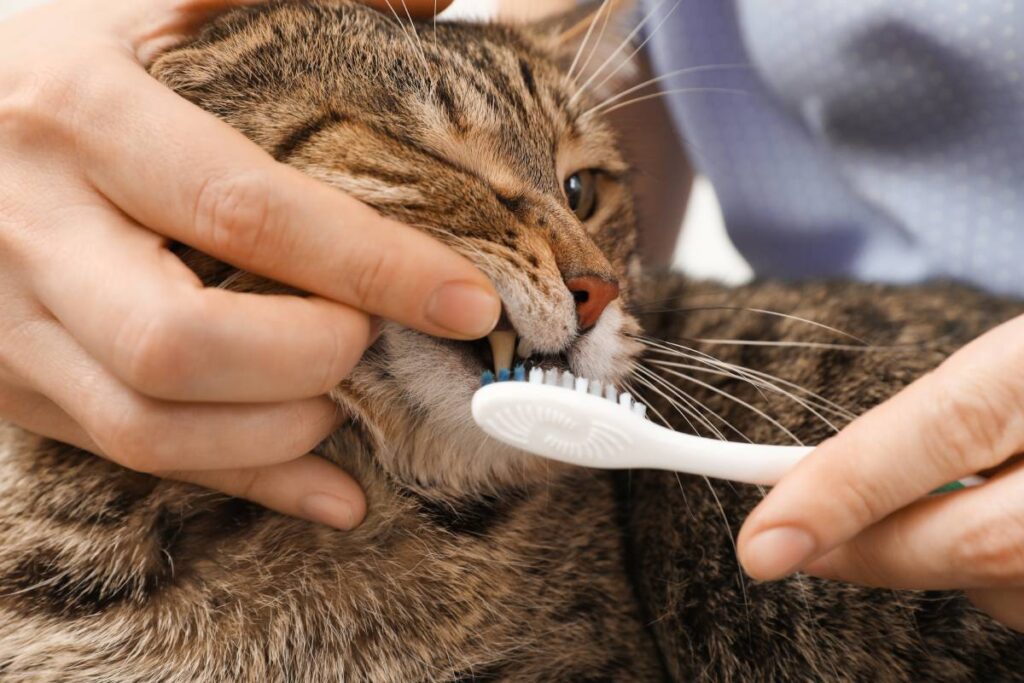
Start brushing your cat’s teeth early. Use a cat-friendly toothbrush and toothpaste. Brush gently and reward your cat with treats. Consistency is key for effective dental care.
Credit: weareallaboutcats.com
Choosing The Right Tools
Choosing the right tools for brushing your cat's teeth is essential. Proper tools make the process easier and more comfortable for your pet. With the right toothbrush and toothpaste, you can ensure your cat's dental health without stress.
Cat-specific Toothbrushes
Cat-specific toothbrushes are designed for small mouths. They often have soft bristles to avoid hurting sensitive gums. You can find finger brushes that fit over your fingertip. These allow for better control during brushing. Another option is a small brush with a long handle. This helps reach the back teeth comfortably.
Pet-friendly Toothpaste Options
Pet-friendly toothpaste is crucial. Human toothpaste can be harmful to cats. Look for toothpaste with flavors like chicken or fish. These flavors can make brushing more appealing to your cat. Ensure the toothpaste is specifically made for pets. This guarantees it's safe if swallowed during brushing.
Preparing Your Cat
Preparing your cat for teeth brushing is crucial to ensuring a smooth and stress-free experience for both of you. Cats are creatures of habit, and introducing new routines can be challenging. With patience and the right approach, you can make brushing a positive part of your cat's routine.
Creating A Calm Environment
Start by choosing a quiet time when your cat is naturally relaxed, like after a meal or playtime. A calm environment helps your cat feel safe and secure. Consider turning off loud noises like the TV or radio.
Keep the room well-lit, but avoid direct bright lights. This creates a soothing space that encourages cooperation. Remember, your cat can sense your mood, so stay calm and composed yourself.
Introducing The Toothbrush Gradually
It's essential to introduce the toothbrush slowly. Begin by letting your cat sniff and inspect the toothbrush. This helps them associate the brush with something familiar and non-threatening.
- Choose a cat-specific toothbrush and toothpaste. Regular human toothpaste can be harmful to cats.
- Place a small amount of toothpaste on your finger and let your cat lick it off. This helps them get used to the taste.
- Gradually move to brushing a couple of teeth at a time, increasing the number of teeth brushed as your cat gets more comfortable.
What if your cat resists? Don't force it. Take a break and try again later. Persistence and patience are key.
Have you considered using treats as a reward after brushing? Offering a tasty treat can reinforce positive behavior and make your cat more receptive to the process.
Remember, you're building a new routine. With each session, your cat will grow more accustomed to the toothbrush. It's all about consistency and gentle persuasion.

Credit: cvhospital.ir
Step-by-step Brushing Guide
Brushing your cat's teeth is essential for their health. It prevents gum disease and bad breath. Following a step-by-step guide makes the process easier. This guide covers the right technique and areas to focus on. With patience and practice, you can keep your cat's teeth clean.
Proper Brushing Technique
Use a cat-specific toothbrush and toothpaste. Human toothpaste can harm cats. Choose a quiet place to brush their teeth. Hold your cat gently but firmly. Let your cat taste the toothpaste first. This helps them get used to it. Angle the brush at 45 degrees to the gum line. Use gentle circular motions. Focus on small sections at a time. Take breaks if your cat gets restless. Praise and reward your cat after each session.
Focusing On Key Areas
Start with the front teeth. They're the easiest to reach. Move to the back teeth next. These areas often collect plaque. Pay attention to the gum line. This is where bacteria can gather. Don't forget the inner surfaces. These are often neglected. Be gentle to avoid hurting your cat. Regular brushing reduces the risk of dental issues.
Addressing Common Challenges
Brushing your cat's teeth can be challenging. Cats aren't always willing participants. Understanding common challenges helps make the process smoother. With patience, you can address these issues effectively.
Dealing With Resistant Cats
Some cats resist tooth brushing. They might squirm or run away. Start by getting your cat used to the toothbrush. Let them sniff and play with it. Use a small amount of cat-safe toothpaste. The flavor may attract them.
Try brushing during a calm moment. After playtime, they might be more relaxed. Speak softly and reassure them. Gentle strokes can help ease resistance. Reward them with a treat afterward.
Handling Dental Anxiety
Cats may experience anxiety about dental care. Identify signs of stress. Hiding or hissing are common indicators. Create a calm environment. Use soft lighting and soothing sounds.
Introduce the toothbrush gradually. Let them become familiar with the sensation. Start by touching their gums gently. Increase the duration over time. Patience is key to overcoming anxiety.

Credit: www.purina.com
Maintaining A Routine
Maintaining a routine for brushing your cat's teeth ensures their dental health. Regular brushing prevents plaque and tartar buildup. It also helps in spotting dental issues early. A consistent schedule makes the process easier for you and your cat. Let's explore how to establish and maintain this routine.
Establishing A Schedule
Start by selecting a quiet time for brushing. Choose a time when your cat is relaxed. Consistency is key. Try to brush at the same time daily. Gradually increase the duration to ensure thorough cleaning. Initially, just a few seconds might be enough. Reward your cat after each session. Treats or gentle petting work well. Positive reinforcement encourages cooperation.
Tracking Your Cat's Dental Health
Regularly check your cat's teeth and gums. Look for signs of redness or swelling. Bad breath can also indicate dental issues. Keep a record of your observations. This helps in monitoring changes over time. Schedule regular vet visits for professional cleanings. The vet can provide insights into your cat's dental health. Early detection of problems prevents severe issues later.
When To Seek Professional Help
Brushing your cat's teeth is essential for their health. Sometimes, problems arise that need a professional's touch. Knowing when to seek expert help is crucial. This ensures your cat's dental health is optimal.
Signs Of Dental Problems
Watch for signs indicating dental issues. Bad breath is a common symptom. Drooling and difficulty eating may also appear. Look for red or swollen gums. Cats might paw at their mouths when in pain. Tooth discoloration or loss are serious signs. These signs require a vet’s attention.
Role Of Veterinarian Cleanings
Veterinarians play a vital role in oral health. They perform professional cleanings. These cleanings prevent plaque buildup. Vets remove tartar not reached by brushing. They check for hidden dental issues. Regular visits keep your cat's teeth healthy. Professional care ensures comprehensive dental health.
Frequently Asked Questions
Are You Supposed To Brush Your Cat's Teeth?
Yes, brushing your cat's teeth is recommended. It helps prevent dental issues and maintains oral health. Use a cat-specific toothbrush and toothpaste. Regular brushing can reduce tartar build-up and bad breath, keeping your feline friend healthy. Start slowly and make it a positive experience for your cat.
Can I Use Toothpaste On My Cat?
No, never use human toothpaste on cats. It contains fluoride and other chemicals harmful to them. Use cat-specific toothpaste instead. Always consult your vet for recommendations. Keep your cat's dental health a priority with safe, pet-approved products.
How Do I Get My Cat To Let Me Brush Her Teeth?
Start by gently introducing the toothbrush to your cat. Use a cat-friendly toothpaste with a flavor she likes. Gradually increase brushing time each session. Offer treats and praise to create a positive association. Be patient and consistent for the best results.
What Is The Best Way To Clean Your Cat's Teeth?
Brush your cat's teeth daily using a cat-specific toothbrush and toothpaste. Regular dental check-ups with the vet are essential. Offer dental treats and toys to help reduce plaque. Maintain a healthy diet to support oral health. Ensure your cat feels comfortable during the process for effective results.
Conclusion
Caring for your cat's teeth boosts their overall health. Brushing regularly prevents plaque buildup and dental issues. Start with gentle actions, and slowly increase brushing time. Use cat-friendly toothpaste for safety. Make this routine stress-free for your pet. Praise and reward your cat during each session.
Consistency helps them adapt more easily. Healthy teeth mean fewer vet visits. Your cat's smile stays bright and clean. Invest time now to avoid problems later. Simple, regular care makes a big difference. Happy cat, happy home.
