

If you have a furry feline friend, you've probably wondered about the best way to keep them happy and healthy. One question that often pops up is: how often should your cat have wet food?
You might be surprised by how important this choice is for your pet's overall well-being. Understanding the right balance of wet food in your cat's diet can make a significant difference in their health, hydration, and happiness. Imagine knowing exactly when to serve that tasty wet meal, ensuring your cat's energy levels are optimal and their coat shines with health.
This article will guide you through the benefits, best practices, and expert recommendations, keeping your beloved cat purring with contentment. So, if you're ready to unlock the secrets to a more fulfilled and thriving cat, keep reading. You might just discover a simple change that transforms your pet's daily routine into a healthier and more enjoyable experience.
Benefits Of Wet Cat Food
Wet cat food offers hydration and helps with digestion. Cats should enjoy wet food two to three times a week for optimal health benefits.
Cats are fascinating creatures with their own unique dietary needs. As a cat owner, you might wonder how often your feline friend should have wet food. While dry food has its benefits, wet cat food can offer various advantages that could significantly improve your cat's health and well-being. Let's dive into the benefits of wet cat food and how it can make a difference in your cat's life.
Nutritional Advantages
Wet cat food is typically more protein-rich and contains fewer carbohydrates than dry kibble. This aligns closely with the natural diet of cats, who are obligate carnivores. By offering wet food, you provide essential nutrients that can boost your cat's immune system and promote a shiny coat. Have you ever noticed your cat's increased energy after a meal of wet food? That's because high-quality proteins are key to muscle development and maintenance. A balanced diet with sufficient proteins keeps your cat active and playful.
Hydration Benefits
Water is crucial for a cat's overall health, but many cats don't drink enough on their own. Wet cat food contains a higher moisture content, which aids in hydration. This can help prevent urinary tract problems and support kidney function. Imagine your cat enjoying a delicious meal while also staying hydrated. Wet food can be a lifesaver for cats with a low thirst drive. It's an effortless way to ensure your pet is getting enough fluids, especially if you live in a hot climate.
Weight Management
Is your cat on the heavier side? Wet food can help with weight management because it's lower in calories and more filling than dry food. The higher moisture content means your cat can feel full without consuming too many calories. Offering wet food can be part of an effective weight control strategy. It helps maintain a healthy weight by satisfying hunger with fewer calories. You get the peace of mind knowing you're supporting your cat's health without overfeeding. By incorporating wet cat food into your pet's diet, you're not just offering a tasty meal but also enhancing their overall quality of life. Why not make wet food a part of your cat's regular diet and see the benefits for yourself?
Wet Food Vs. Dry Food
Choosing between wet food and dry food for your cat can feel like a balancing act. Both options have their merits and can significantly impact your feline friend's health and happiness. Understanding the differences can help you make informed decisions about your cat's diet and ensure they get the nutrition they need.
Nutrient Comparison
Wet food generally contains higher moisture content, which is crucial for cats who tend to drink less water. It can aid in hydration and support kidney health. Additionally, wet food often has a richer protein content, reflecting a cat's natural diet.
Dry food, on the other hand, offers a higher concentration of carbohydrates. While less hydrating, it can be beneficial for dental health as the crunch helps reduce plaque buildup. Also, dry food is usually fortified with essential vitamins and minerals.
Do you notice your cat prefers one over the other? Observing their preferences can help guide your choice.
Cost Considerations
Wet food tends to be more expensive than dry food, primarily due to its packaging and preservation processes. If you're on a budget, dry food might be the more economical choice.
However, wet food can be more filling, potentially reducing the quantity needed per meal. This could balance out the cost over time. Weighing the long-term benefits and your financial situation is crucial.
Have you calculated the monthly cost difference between the two? It might surprise you how it adds up.
Convenience Factors
Dry food scores high on convenience. It can be left out for longer periods without spoiling, making it ideal for busy households. Its long shelf life also means fewer trips to the pet store.
Wet food demands more attention. It needs refrigeration and prompt consumption. But its enticing aroma often makes it a favorite for finicky eaters.
Does your schedule allow for frequent feedings or do you need something quick and easy? Your lifestyle can influence your choice.
Frequency Of Feeding Wet Food
Feeding wet food to cats involves understanding their unique needs. Wet food can be a nutritious choice. It offers moisture, taste, and essential nutrients. But how often should you feed your cat wet food? This depends on various factors.
Age And Life Stage
Kittens require more frequent meals than adults. They have small stomachs and high energy needs. Feeding them wet food 3-4 times a day can be beneficial. Adult cats might need wet food once or twice daily. Senior cats may require more frequent meals again. Their digestive systems change with age. Always adjust feeding based on their specific life stage.
Health Conditions
Certain health issues may influence feeding frequency. Cats with kidney problems benefit from wet food's moisture. Cats with dental issues might need soft, wet food more often. Always consult a vet for specific health-related feeding advice. They can tailor recommendations based on your cat's health condition.
Activity Level
Active cats burn more calories and need more food. They may require wet food more often to meet energy demands. Less active or sedentary cats might need less frequent feedings. Adjust the amount based on how active your cat is. This ensures they stay healthy and maintain a balanced weight.
Signs Your Cat Needs More Wet Food
Cats showing reduced energy or dull coats may need more wet food. Ensure they receive wet food daily for hydration and nutrition.
Cats thrive on a balanced diet, and wet food plays a crucial role. Recognizing signs your cat needs more wet food can enhance their health. Let's explore the key indicators.
Behavioral Indicators
Your cat's behavior can signal dietary needs. Increased meowing around mealtime might indicate hunger. Cats seeking food more often could need more wet food. They may also show restlessness or even try to open food cabinets. Pay attention to these subtle signs.
Weight Fluctuations
Weight changes can reflect dietary imbalances. Sudden weight loss suggests insufficient nutrition. Wet food provides essential moisture and nutrients. If your cat gains weight, it might be eating too much dry food. Balance is key for maintaining healthy weight.
Hydration Issues
Cats often don't drink enough water. Wet food helps maintain hydration. Signs of dehydration include dry gums and lethargy. If your cat's urine is dark or less frequent, it needs more moisture. Wet food offers a tasty way to increase fluid intake.
Transitioning To Wet Food
Cats benefit from wet food in their diet. Offering wet food two to three times a week helps maintain hydration. Balance with dry kibble for complete nutrition.
Transitioning to Wet Food Deciding to introduce wet food into your cat's diet is a thoughtful move towards ensuring their nutritional needs are met. Wet food can offer hydration benefits, something crucial for cats who often don’t drink enough water. However, making this switch requires careful planning to avoid upsetting your cat's digestive system.
Gradual Introduction
Start by introducing wet food slowly, allowing your cat to adjust both in taste and texture. Begin with a small amount of wet food alongside their regular meals. Over the course of a week, gradually increase the portion of wet food while decreasing the dry food, paying attention to your cat's reaction.
Mixing With Dry Food
Mixing wet food with dry food can make the transition smoother and more enticing for your feline friend. Combine a small amount of wet food with their usual dry kibble, creating a blend that maintains some familiarity. This method also ensures your cat continues to receive the benefits of both types of food.
Monitoring Dietary Changes
Keep a close eye on your cat's behavior and health as they transition to wet food. Look for any changes in their energy levels, stool consistency, and overall demeanor. If you notice any adverse reactions, such as vomiting or diarrhea, adjust the food portions or consult your veterinarian. Is your cat showing more interest in their meals, or are they hesitant? Observing their response can provide valuable insights into their preferences and needs. Remember, patience is key, and each cat will adapt at their own pace.
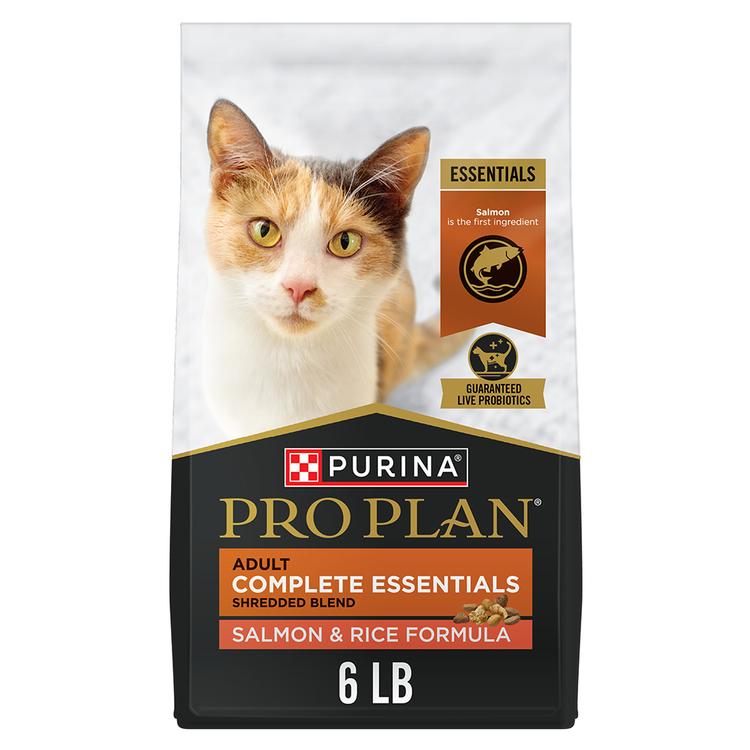
Credit: www.purina.com
Choosing The Right Wet Food
Choosing the right wet food for cats involves understanding their dietary needs. Regularly feeding wet food can support hydration and provide essential nutrients. Aim for a balanced approach, offering wet food multiple times a week to ensure a healthy diet.
Choosing the right wet food for your cat is essential for their health. Wet food offers hydration and essential nutrients, making it a popular choice. Ensure you select a high-quality option that meets your cat’s needs. Understanding what to look for can make a big difference.
Reading Labels
Check the label for nutritional information. Look for protein content. Cats need high protein levels. Ensure it lists real meat as the primary ingredient. Avoid foods with fillers. Fillers like corn and wheat are not ideal. Look at the calorie count to manage your cat's weight.
Considering Ingredients
Choose foods with natural ingredients. Look for recognizable ingredients like chicken or fish. Avoid artificial preservatives and colors. These can affect your cat's health. Opt for foods with added vitamins. Vitamins like taurine are vital for cats. Check for omega fatty acids. They are good for skin and coat health.
Brand Reputation
Select brands with good reputation. Research customer reviews online. Positive reviews often indicate quality. Check if the brand is recommended by vets. Veterinarian-approved brands are often trustworthy. Look for brands with transparent sourcing. Knowing where ingredients come from is important.
Common Myths About Wet Cat Food
Wet cat food is often surrounded by various myths that can lead to confusion for pet owners. These myths might deter you from including it in your cat's diet, despite its benefits. Let's debunk some of these common misconceptions to help you make informed decisions about your feline friend's nutrition.
Dental Health Concerns
One myth suggests that wet food is bad for a cat's dental health. While it's true that crunchy kibble can help scrape tartar off teeth, it doesn't mean wet food is detrimental. You can maintain your cat's dental health by incorporating dental treats or toys. Regular brushing and dental check-ups are essential regardless of diet. Wet food can be part of a balanced diet, supporting overall health without compromising dental care.
Spoilage Myths
Some believe that wet food spoils quickly and could harm your cat. Wet food should be stored properly and served fresh. You might find that canned food, when sealed, has a long shelf life. Once opened, refrigerate and use within a couple of days to ensure freshness. Consider portioning wet food to avoid wastage and spoilage. This approach prevents spoilage while ensuring your cat enjoys nutritious meals.
Addiction Fears
A common fear is that cats might become addicted to wet food, refusing dry options. Cats can enjoy a variety of textures and tastes. Mixing wet and dry food can offer a balanced diet without fostering dependency. You can gradually introduce wet food alongside dry, observing your cat's preferences. This variety keeps mealtime exciting and nutritious, reducing any risk of addiction.
Have you hesitated to try wet food due to these myths? By understanding the realities, you can offer your cat a balanced diet that includes the benefits of wet food. What adjustments can you make to provide your cat with both taste and health? Remember, balanced nutrition is key to a happy, healthy cat.

Credit: www.instagram.com
Consulting A Veterinarian
When it comes to determining how often your cat should have wet food, consulting a veterinarian can be incredibly beneficial. Veterinarians offer tailored advice based on your cat's unique needs, considering factors like age, health conditions, and lifestyle. So, why not leverage their expertise to ensure your furry friend enjoys a balanced diet?
Professional Guidance
Veterinarians possess extensive knowledge about feline nutrition and can guide you in making informed decisions. They may suggest a specific wet food brand or quantity based on your cat's health history. If your cat has special dietary needs, a vet's guidance becomes even more crucial.
Dietary Adjustments
Life changes can affect your cat's dietary needs. Whether it's aging, weight changes, or new health issues, adjustments may be necessary. A veterinarian can help you tweak your cat's wet food intake to match these changes effectively.
Health Monitoring
Regular vet visits ensure that your cat's diet supports their overall health. Vets can monitor for signs of nutritional deficiencies or health issues. If you notice changes in your cat's energy levels or coat condition, discuss these with your vet to see if dietary changes are needed.
Have you ever wondered if your cat's diet is truly meeting their needs? Consulting a veterinarian can offer peace of mind and ensure your feline friend is as healthy and happy as possible.

Credit: www.facebook.com
Frequently Asked Questions
Is It Good To Give Cats Wet Food Every Day?
Feeding cats wet food daily is beneficial. It provides hydration and supports urinary tract health. Wet food offers variety and helps maintain a healthy weight. Ensure it meets your cat's nutritional needs. Consult your vet for personalized advice.
How Much Wet Food Should Cats Eat?
Cats generally need about 3 ounces of wet food per 5 pounds of body weight daily. This can vary based on age, activity level, and health. Always consult with your vet to determine the right amount for your cat. Wet food provides hydration and essential nutrients.
Is Wet Food Better For Cats Than Dry?
Wet food often contains more moisture and protein, which is beneficial for cats. It helps keep them hydrated and supports kidney health. However, both wet and dry foods can be part of a balanced diet. Consult your vet for advice tailored to your cat's needs.
Can I Mix Wet And Dry Cat Food?
Yes, mixing wet and dry food can be beneficial for your cat. It offers variety and ensures they receive necessary nutrients. Wet food helps with hydration, while dry food can support dental health. Always ensure the overall diet is balanced and suits your cat’s needs.
Conclusion
Feeding cats wet food can boost their hydration and health. Balance is key. Offer wet food several times a week. Check for quality ingredients. Observe your cat's preferences and needs. Some cats prefer more wet food. Others, less. Adjust based on activity level and age.
Consult your vet for personalized advice. Wet food offers moisture and variety. Important for a balanced diet. Keep your cat happy and healthy with thoughtful feeding choices. Remember, every cat is unique. Tailor their diet for their best well-being.