
A quick sniff of your cat’s breath can tell you more than you think. Plaque, inflamed gums, and toothache rarely announce themselves with obvious cries for help—often the first sign is a subtle shift in eating habits or a slight drool you might miss. Regular brushing changes that equation. It is the single most effective at‑home habit for preventing painful dental disease, yet many owners wonder how often it truly needs to happen, and whether their cat will ever tolerate it. The good news: with the right approach, daily brushing becomes a predictable, low‑stress ritual that protects not only your cat’s teeth but their kidneys, heart, and overall well‑being.

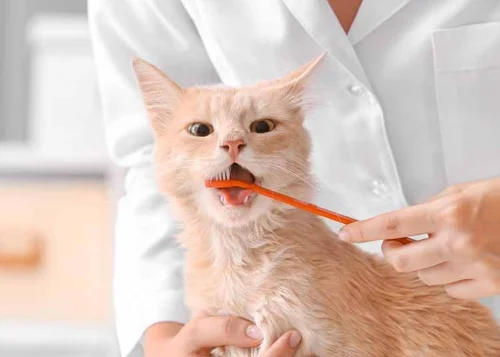
Gentle, consistent brushing helps prevent plaque from hardening into tartar.
Credit: www.purina.com
Why Cat Dental Care Matters
When food particles, saliva, and bacteria combine on your cat’s teeth, they form a sticky film called plaque. If plaque stays for more than 24 to 48 hours, minerals in saliva harden it into tartar—a rough, cement‑like coating that irritates the gumline and can’t be removed by brushing alone. Over time, tartar pushes gums away from the teeth, creating pockets where infection thrives. This condition, periodontal disease, is the most common health problem seen in adult cats. According to veterinary dental specialists, by age three up to 70% of cats already show signs of dental disease.
Dental infections don’t stay in the mouth. Bacteria can enter the bloodstream and travel to organs like the heart and kidneys. A cat with chronic gum inflammation may also live with low‑grade pain that changes behavior—a reluctance to play, more hiding, or irritability that owners sometimes mistake for aging. In practice, many cat guardians report that after treating dental problems, their previously “grumpy” cat becomes affectionate again.
Making dental care a standard part of your routine pays off in fewer vet visits, a more comfortable daily life for your cat, and a noticeable improvement in breath. Learning to spot early warning signs and knowing exactly how often to brush closes the gap between a problem you don’t see and one you prevent entirely.
Recognizing the Signs of Dental Problems
Cats instinctively hide pain, so looking for subtle changes matters more than waiting for dramatic symptoms. Start by checking your cat’s mouth during calm moments. The following signs suggest dental trouble:
- Persistent bad breath: A distinct fishy or rotting smell that doesn’t come and go with meals.
- Red, swollen, or bleeding gums: Even a faint pink rim along the gumline can signal early gingivitis.
- Yellow‑brown tartar buildup: Especially visible on the back molars where plaque accumulates fastest.
- Drooling or saliva tinged with blood: May indicate sore teeth or ulcers.
- Difficulty chewing or dropping food: A cat that chews on one side, swallows kibble whole, or suddenly prefers softer meals.
- Pawing at the mouth or shaking the head: A sign of oral discomfort.
- Weight loss or reduced appetite: Dental pain can make eating a negative experience.
If you notice any of these symptoms, a prompt veterinary examination is important. Even when you brush regularly, underlying issues like tooth resorption—a common condition in cats where the tooth structure breaks down—require professional diagnosis.
How Often Should You Brush Your Cat’s Teeth?
Daily brushing gives the best protection. Plaque begins to re‑form within hours of a cleaning, and that 24‑ to 48‑hour window is your opportunity to stop it before it calcifies into tartar. When you brush every day, you disrupt the bacterial biofilm consistently enough to keep both teeth and gums healthy.
If daily isn’t feasible, aim for a minimum of 3 to 4 times each week. While some plaque will still accumulate between sessions, this frequency significantly reduces tartar buildup compared to no brushing at all, and it keeps your cat accustomed to the handling. Once‑weekly brushing provides limited benefit because it cannot prevent tartar formation between cleanings—it mainly freshens breath momentarily.
| Brushing Frequency | Plaque & Tartar Control | Gum Health |
|---|---|---|
| Daily | Excellent – plaque removed before it hardens | Gums stay firm and pink |
| 3‑4 times a week | Good – slows tartar accumulation | Gingivitis much less likely |
| Once a week | Minimal – plaque hardens between sessions | Gums may still become inflamed |
| Rarely or never | None – tartar builds rapidly | High risk of periodontal disease |
A regular brushing schedule built around a few minutes each evening often feels more sustainable than marathon weekend sessions. The key is consistency—short, daily efforts beat occasional deep cleans every time. For guidance on what veterinary bodies suggest, check current veterinary frequency recommendations, which underscore the value of everyday care.
Choosing the Right Tools for Success
Having tools your cat tolerates makes frequency easier to maintain. The right toothbrush and toothpaste prevent struggle and negative associations.
Toothbrush Options
- Finger brushes: Soft silicone sleeves that slip over your fingertip—ideal for beginners because they offer maximum control and a less intimidating shape.
- Small‑head cat toothbrushes: Similar to a human child’s brush with extra‑soft bristles and a long handle, perfect once your cat accepts basic mouth handling.
- Gauze or dental wipes: A gentle alternative for cats who won’t tolerate a brush; wrapped around your finger, damp gauze can wipe plaque off accessible surfaces. Products like a dental wipe that fights plaque or vet-endorsed daily wipes give you an easy entry point when a brush feels too ambitious.
Toothpaste Safety and Flavors
Never use human toothpaste—it contains fluoride and detergents that can upset a cat’s stomach or be toxic. Choose a toothpaste formulated specifically for cats, preferably one that carries the Veterinary Oral Health Council (VOHC) seal of acceptance (VOHC). Enzymatic formulas help break down plaque chemically while you brush mechanically.
Flavor matters enormously in practice. Poultry, malt, and seafood varieties often win over finicky cats. Let your cat sample a tiny dab from your finger a few days before the first brushing so the taste becomes familiar.
A healthy mouth with minimal tartar is a clear sign of consistent dental care.
Credit: www.instagram.com

Step‑by‑Step Brushing Guide
Moving from a new toothpaste sample to a full brushing session takes patience. Breaking the process into small, reward‑rich steps builds trust and prevents fear.
Getting Your Cat Comfortable
- Pick a calm moment: After a meal or during a quiet lap session, when your cat is already relaxed.
- Start with touch: For several days, simply lift the lip and touch the outer surface of the teeth with your fingertip. Offer a high‑value treat immediately afterward. High‑value options, such as high-value reward during training, reinforce that mouth handling predicts something wonderful.
- Introduce the tool: Let your cat sniff the brush or finger brush with a tiny smear of toothpaste. Reward any interaction. Using a clicker to mark calm behavior makes the moment of acceptance crystal clear to your cat.
- Short exposure: Over a week, gradually increase the time you spend touching the teeth. This gradual desensitization technique works far better than trying to brush a full mouth on day one.
The Brushing Technique
Once your cat stays relaxed while you handle their mouth, you are ready to brush.
- Angle: Hold the brush at a 45‑degree angle to the gumline—this allows the bristles to reach the crevice where plaque accumulates.
- Motion: Use gentle circular or side‑to‑side motions along the outer surfaces of the teeth. Focus on the upper back molars first, as these bear the brunt of tartar buildup.
- Duration: Aim for 10 to 30 seconds per side initially, working up to about one minute total. Remove the brush before your cat gets restless.
- Finish with a treat: Immediately give a favorite reward to end on a positive note. This ritual cements the association between brushing and good things.
- If a brush is too stressful: Try a cleaning alternative for reluctant cats such as dental wipes or gauze wrapped around your finger. Any mechanical cleaning that removes daily plaque beats no cleaning at all.

A finger brush offers excellent control for beginners and lets you target hard‑to‑reach back teeth.
Credit: www.thesprucepets.com
Alternative Dental Care Options
Brushing remains the gold standard, but additional tools can support oral health when used alongside a brushing routine—never as a complete substitute.
- VOHC‑accepted dental treats: Specially designed to mechanically scrape plaque as the cat chews. Look for the VOHC seal to ensure proven efficacy.
- Water additives and oral sprays: These contain enzymes or mild antimicrobials that slow plaque formation. They are easy to add to drinking water but should complement, not replace, mechanical cleaning.
- Prescription dental diets: Certain kibble formulations are designed to create a brushing effect on the tooth surface. Your veterinarian can recommend these if needed.
- Dental wipes: When a brush isn't possible, wipes physically remove soft plaque. Products like the vet‑endorsed wipes mentioned earlier can be part of a nightly routine.
Oral health also connects to overall nutrition. Feeding a well‑balanced diet that supports oral health helps maintain strong teeth and gums from the inside. For cats already managing systemic conditions such as kidney disease—where dental bacteria can pose an added threat—specialized renal support nutrition becomes even more relevant.
Professional Dental Cleanings and Vet Visits
Even the most dedicated at‑home brushing cannot reach below the gumline or eliminate established tartar. Annual veterinary dental exams catch subtle lesions early. During these visits, your vet may recommend professional cleaning under anesthesia to scale tartar, polish teeth, and take X‑rays. The American Veterinary Dental College notes that without regular professional care, silent problems like tooth resorption or root abscesses go undetected.
Schedule a checkup if you see blood on toys, facial swelling, a broken tooth, or any sudden change in eating behavior. Your veterinarian can also demonstrate proper brushing technique and evaluate whether your homecare routine is hitting the right spots. A feline‑specific health resource from Cornell University’s feline dental disease page offers deeper insight into common dental disorders.
Building a Consistent Brushing Routine
The most effective schedule is one you can stick to. Attach brushing to an existing daily ritual—right after you prepare your own morning coffee or just before the evening feeding. Keep your cat’s toothbrush and toothpaste visible next to their treats so you never forget. A calendar reminder on your phone for the first two weeks can help transform a conscious effort into an automatic habit.
On busy days, even a 15‑second wipe of the outer teeth still reinforces the routine and removes that day’s plaque. The emotional payoff matters, too: many cats start nudging toward the bathroom counter once they realize the ritual ends with a favorite treat, and owners often say the one‑on‑one attention becomes a bonding moment rather than a chore.
Frequently Asked Questions
Is it really necessary to brush a cat’s teeth?
Yes. Without brushing, plaque hardens into tartar, leading to gum disease, pain, and potential organ damage. Domestic cats don’t chew bones like their wild relatives, so they need mechanical cleaning.
Is it ever too late to start brushing?
No. Even senior cats can learn to tolerate gentle handling. Start slower, use finger brushes, and keep sessions very short. A veterinary exam first ensures there aren’t painful areas that would make the process harder.
What happens if I never clean my cat’s teeth?
Tartar accumulates, gums recede, and infections can spread. Many untreated cats eventually need tooth extractions. The cost—both financial and in quality of life—is far higher than daily brushing.
How do I brush a cat that hates it?
Re‑evaluate your approach: is the session too long? Is the toothpaste flavor unpopular? Switch to a finger brush, use only your fingertip with a dab of paste, and pair every touch with an ultra‑high‑value treat. Some cats respond beautifully to a minute of gentle cheek massage before you ever lift a lip.
Can I use coconut oil or baking soda instead of cat toothpaste?
Stick to veterinary‑formulated toothpaste. Baking soda’s high sodium content and alkaline nature can upset your cat’s stomach; coconut oil doesn’t contain the enzymatic ingredients needed to break down plaque.
Conclusion
Brushing your cat’s teeth daily—or at least three times a week—is one of the most impactful health habits you can adopt. It stops plaque from turning into painful tartar, protects against systemic disease, and often transforms a cat’s daily comfort. Start with tiny steps: a dab of poultry toothpaste on your finger, a two‑second touch, a treat. Build from there. Your cat won’t know the science behind it, but they’ll feel the difference in a mouth that doesn’t hurt. Pick a quiet moment today, have your supplies ready, and give it a try—your cat’s future health smiles back at you.