

Have you ever stood in the pet food aisle, bewildered by the endless choices of cat wet food? You’re not alone.
Figuring out how much wet food your cat needs can feel like solving a mystery, but it’s crucial for their health and happiness. Too little might leave your feline friend hungry, while too much could lead to unwanted weight gain.
You want the best for your cat, but finding that perfect balance can be tricky. This article will guide you through the factors that determine the right amount of wet food for your furry companion. You’ll discover easy tips and tricks that will make feeding time a breeze, ensuring your cat stays healthy and satisfied. Ready to uncover the secrets to feeding your cat just the right amount? Let’s dive in!
Credit: aimextools.com
Choosing The Right Wet Food
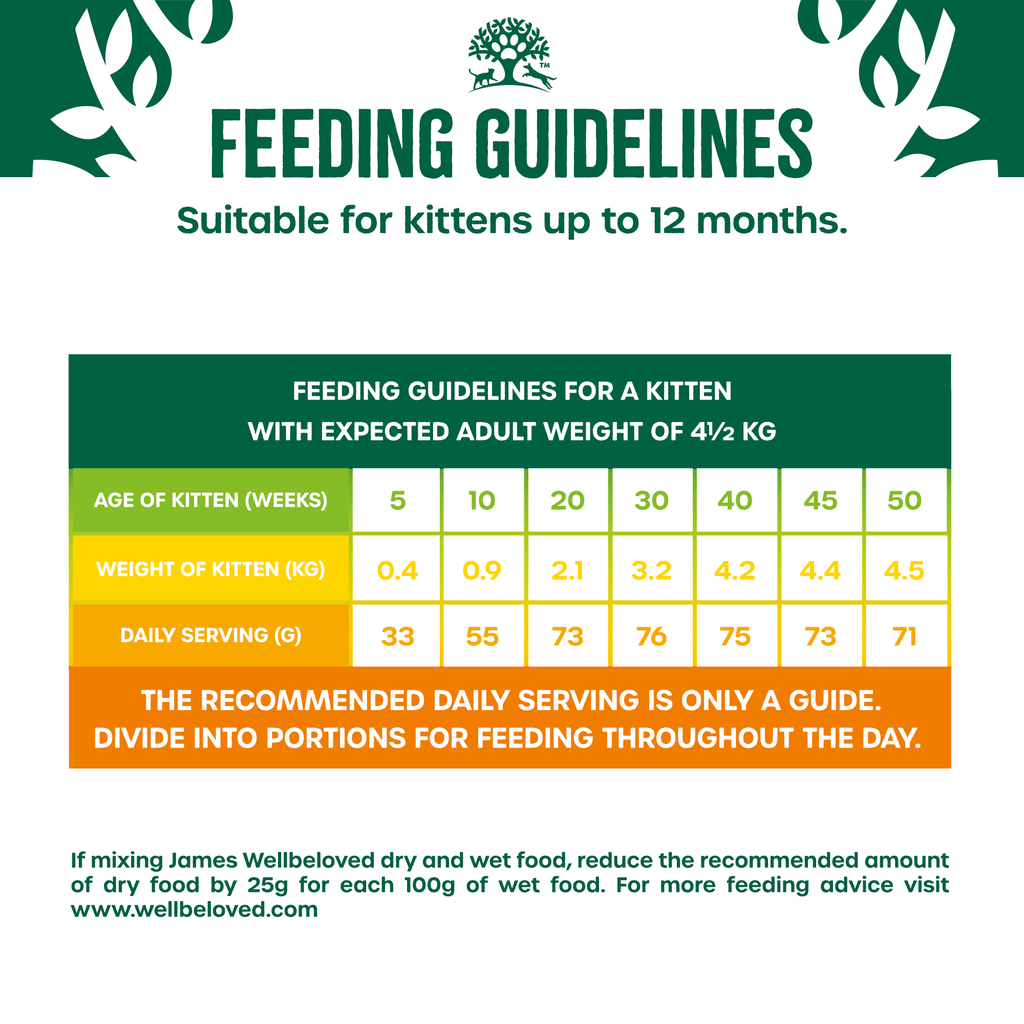
Selecting the right amount of wet food for your cat involves understanding their age, weight, and activity level. Cats typically need 3 to 4 ounces per meal. Adjust portions to maintain their ideal weight and health.
Choosing the right wet food for your cat is crucial for their health and happiness. With numerous options available, it can be overwhelming to decide what's best. Understanding your cat's specific needs and preferences can make this task easier and more effective.
Nutritional Needs Of Cats
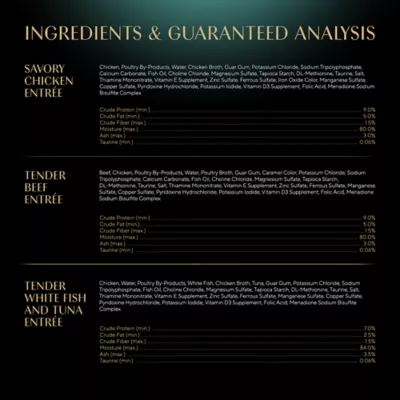
Cats are obligate carnivores, meaning they require a diet rich in animal-based proteins. Their bodies are designed to process nutrients found in meat, making protein a vital component of their diet. It's essential to ensure the wet food you choose has a high protein content. Look for labels that list meat as the first ingredient, as this indicates a higher percentage of animal protein. Additionally, your cat's diet should include the right balance of fats and carbohydrates. While cats need fats for energy and a shiny coat, carbohydrates should be minimal. A good wet food will contain taurine, an essential amino acid that supports heart health and vision.
Types Of Wet Cat Food
Wet cat food comes in various forms, including pate, chunks in gravy, and shredded. Each type can offer different textures and flavors, catering to your cat's preferences. Pate is a smooth, even texture that some cats prefer for easy eating. It's often a favorite among older cats with dental issues. Chunks in gravy provide a mix of textures with meaty pieces and a savory sauce. This type can stimulate your cat's appetite with its rich flavor and aroma. Shredded options mimic the texture of real meat, which some cats find irresistible. This type can encourage picky eaters to engage more with their meals. Have you noticed your cat favoring a particular texture or flavor? Paying attention to their reactions can guide you to the perfect choice.

Credit: www.instagram.com
Determining The Right Portion Size
Finding the right portion size for cat wet food is essential for health. Consider age, weight, and activity level. Adjust feeding amounts based on your cat's needs and vet advice.
Determining the right portion size for your cat's wet food can feel like a tricky puzzle. You want to ensure your feline friend is nourished and satisfied, but not overfed. Striking this balance involves understanding various factors that influence how much food your cat should consume daily.
Factors Affecting Food Quantity
Several elements can impact how much wet food your cat needs. Age plays a crucial role; kittens require more calories for growth, while senior cats may need less due to a slower metabolism. Activity level is another factor. A playful, active cat burns more calories than a sedentary one. Additionally, health status matters. Cats with certain medical conditions might need adjusted portions.
Calculating Daily Intake
Calculating how much wet food your cat should eat daily can be simplified with a basic formula. Generally, cats require about 20 calories per pound of body weight each day. For example, if your cat weighs 10 pounds, they would need approximately 200 calories daily. Most wet cat food cans indicate the calorie content per serving, helping you measure the right portion size. Remember to adjust based on your cat's specific needs. Is your cat gaining or losing weight? Watch their body condition and consult with a veterinarian if you’re unsure. Balancing the right portion size is key to keeping your cat happy and healthy.
Feeding Schedule
Creating a feeding schedule for your cat ensures they get balanced nutrition. Wet food offers hydration and vital nutrients, so timing matters. A regular schedule helps maintain your cat's health and happiness.
Optimal Feeding Times
Feed your cat twice daily. Morning and evening are ideal. This routine keeps their energy steady. Cats thrive on consistency. Stick to the same times each day. This reduces stress and supports digestion.
Adjusting For Lifestyle
Cats have unique lifestyles. Tailor feeding to suit their needs. Active cats may need more frequent meals. Older or less active cats might require less food. Observe your cat's behavior and adjust accordingly.
Consider your own schedule too. Choose times that fit your daily routine. Consistency benefits both you and your cat. If you work late, a timed feeder can help. This ensures your cat gets their meal on time.
Monitoring Your Cat's Health
Ensure your cat's health by feeding the right amount of wet food. Balance is key to preventing obesity. Consult with a vet to determine the best portion size.
Monitoring your cat's health is vital for their well-being. Feeding them the right amount of wet food plays a crucial role. It's not just about filling their bowl. It's about ensuring they receive the nutrition they need. Observing your cat's behavior and physical condition can help guide you. Let's explore how to recognize the signs of overfeeding and underfeeding.
Signs Of Overfeeding
Cats can gain weight easily if overfed. Look for signs like a noticeable belly. Check if your cat struggles to groom itself. Reduced activity or laziness can also indicate overeating. Frequent vomiting might be another sign. Overfeeding can lead to health issues. It can cause diabetes or joint problems. Monitor their portion sizes and adjust accordingly.
Indicators Of Underfeeding
Underfeeding can harm your cat's health. Notice if your cat is losing weight. A dull coat might suggest a lack of nutrients. Watch for lethargy or weakness. These could be signs of underfeeding. Your cat might beg for food often. Frequent meowing or searching for food can indicate hunger. Ensure they receive enough food daily. Adjust the feeding amount if necessary.
Special Considerations
Feeding your cat wet food requires special considerations. Every cat is unique, and their feeding needs can vary. Understanding these needs helps ensure your cat stays healthy and happy. Let's explore some key factors.
Age-specific Needs
Kittens have different nutritional needs than adult cats. They need more protein and fat for growth. Wet food designed for kittens is often richer in these nutrients. Older cats, on the other hand, may need food with less fat. Their metabolism slows down as they age. Consider their life stage when choosing wet food.
Dietary Restrictions
Some cats have dietary restrictions due to allergies or health issues. Common allergens include certain proteins and grains. If your cat has allergies, hypoallergenic wet food might help. Cats with health conditions like kidney disease need special diets. Wet food formulated for these conditions can support their health. Always consult a veterinarian if your cat has special dietary needs.
Tips For Transitioning To Wet Food
Introduce wet food gradually to avoid tummy upsets. Begin by mixing small amounts with the usual dry food. This helps your cat adjust to the new texture and taste, ensuring a smoother transition.
Transitioning your cat to wet food can be a rewarding journey for both you and your feline friend. Wet food often offers higher moisture content, which is beneficial for your cat's health. However, making this dietary shift requires some finesse to ensure your cat embraces the change.
Gradual Introduction
Start by mixing a small amount of wet food with your cat's current dry food. This helps your cat get accustomed to the new taste and texture. Increase the proportion of wet food gradually over a week or two. This slow transition prevents digestive issues and gives your cat time to adapt. Observe your cat's reaction closely. If they seem hesitant, take a step back and slow down the transition process.
Handling Picky Eaters
Some cats are naturally selective about their food. If your cat is picky, try offering different flavors or brands of wet food. Warm the wet food slightly to enhance its aroma. Cats are often more tempted by food with a stronger scent. Experiment with different textures. Some cats prefer pâté, while others might enjoy chunks or gravy. Keep the feeding area calm and stress-free. A relaxed environment can encourage even the fussiest eaters to try new foods. What have you noticed about your cat's preferences? Understanding their likes and dislikes can make the transition smoother and more enjoyable for both of you.
Credit: www.petsmart.com
Frequently Asked Questions
How Much Wet Food Should I Feed A Cat Per Day?
Feed your cat approximately 3-4 ounces of wet food daily. Adjust based on their weight, age, and activity level. Consult your vet for personalized advice.
How Often Should Cats Eat Wet Food?
Cats typically need wet food daily to maintain hydration and nutrition. The frequency depends on age, weight, and health. Many experts recommend feeding wet food twice a day. It's important to consult your vet for personalized advice.
What Portion Size Is Ideal For Wet Food?
The ideal portion size varies by cat's size and activity level. Generally, a standard portion is 3 ounces per meal. Adjust based on your cat's weight and appetite. Always monitor your cat's health and consult your vet for specific guidance.
Is Wet Food Better Than Dry Food For Cats?
Wet food is often preferred for its hydration benefits and palatable taste. It helps prevent urinary tract issues and obesity. However, some cats may prefer dry food. Balance between wet and dry can be effective. Consult your vet for tailored advice.
Conclusion
Feeding your cat wet food needs careful attention. Balance is key. Too much can upset their stomach. Too little might leave them hungry. Always check the label for serving size. Age, weight, and activity level matter. Adjust portions as your cat grows.
Consult a vet for specific advice. Wet food provides hydration, crucial for cats. Keep an eye on your cat's weight. Adjust feeding amounts as needed. A happy cat is a healthy one. Watch for signs of overfeeding. Keep feeding routines consistent.
Your cat’s health depends on good nutrition. Take time to understand their needs.