
As a loving cat owner, you constantly strive to provide the best for your feline friend, ensuring they receive the perfect balance of nutrition and taste. You might wonder, "Can I mix dry and wet cat food for my cat?"
This question is more common than you think, and the answer might surprise you. Mixing dry and wet cat food could be the key to enhancing your cat's health and happiness. But how do you ensure you're doing it right?
We'll explore the benefits, potential pitfalls, and expert tips on combining these two types of cat food. By the end, you'll have all the insights needed to make an informed decision that could transform your cat's mealtime experience. Keep reading to discover how you can make mealtime a delightful adventure for your furry companion.
Benefits Of Mixing Cat Food
Mixing dry and wet cat food offers nutritional balance and variety. It helps with hydration and keeps meals interesting for picky eaters. This combination can promote better dental health and provide essential nutrients from both types of food.
Mixing dry and wet cat food can offer numerous benefits to your feline friend. This approach not only satisfies their taste buds but also supports their overall well-being. By combining these two types of food, you can ensure your cat receives a balanced diet packed with essential nutrients. Let’s explore the key benefits of mixing cat food.
Enhanced Nutrition
Mixing dry and wet cat food provides a more balanced nutritional profile. Wet food is typically rich in protein and moisture. Dry food often contains more carbohydrates and fiber. Together, they create a complete meal. Your cat enjoys a variety of textures and flavors. This combination can support better digestion and energy levels. Nutrient diversity helps maintain a healthy weight and shiny coat.
Improved Hydration
Wet cat food contains higher water content than dry food. This can help keep your cat hydrated, especially if they drink little water. Proper hydration supports kidney function and urinary health. Mixing foods ensures your cat gets enough moisture in their diet. This is crucial for their overall health and vitality.
Credit: www.green-petfood.com
Considerations For Mixing
Mixing dry and wet cat food can be beneficial for a balanced diet. Dry food offers dental health benefits, while wet food provides hydration. Ensure both types are of high quality and suitable for your cat’s needs.
Mixing dry and wet cat food can offer a variety of benefits. It combines the texture of kibble with the moisture of canned food. This approach can improve the dining experience for your feline friend. Before you start mixing, consider several factors to ensure your cat enjoys a balanced meal.
Balanced Diet Requirements
Cats need a balanced diet to stay healthy. Both dry and wet foods have unique nutritional profiles. Ensure the mix provides essential nutrients like protein, vitamins, and minerals. Check the labels for nutritional content. Choose brands that meet your cat's dietary needs. This prevents deficiencies and promotes overall well-being.
Portion Control
Portion control is crucial when mixing cat food. Overfeeding can lead to weight gain and health issues. Measure each type of food accurately. Follow the feeding guidelines on the packaging. Adjust portions based on your cat's age, size, and activity level. Consistent portion sizes help maintain a healthy weight. Use a measuring cup for precision. Divide meals evenly throughout the day. This keeps your cat satisfied without overindulging.
How To Mix Dry And Wet Cat Food
Mixing dry and wet cat food can be a great way to provide balanced nutrition for your feline friend. Combining these different types of cat food helps in offering variety in taste and texture, ensuring your cat gets the best of both worlds. However, figuring out how to mix them correctly requires a bit of finesse to ensure your cat's dietary needs are met without causing digestive issues. Let's dive into some practical tips on how to effectively mix dry and wet cat food for your beloved pet.
Recommended Ratios
Understanding the right proportion of dry to wet cat food is crucial. Generally, a ratio of 75% dry to 25% wet is a popular choice among pet owners. This ensures that your cat gets enough moisture from the wet food while benefiting from the crunchiness and dental health advantages of dry food.
Keep an eye on your cat's weight and energy levels. Adjust the ratio if necessary to match your cat's specific needs. Some cats might prefer a 50/50 mix, especially if they're not drinking enough water on their own.
Gradual Introduction
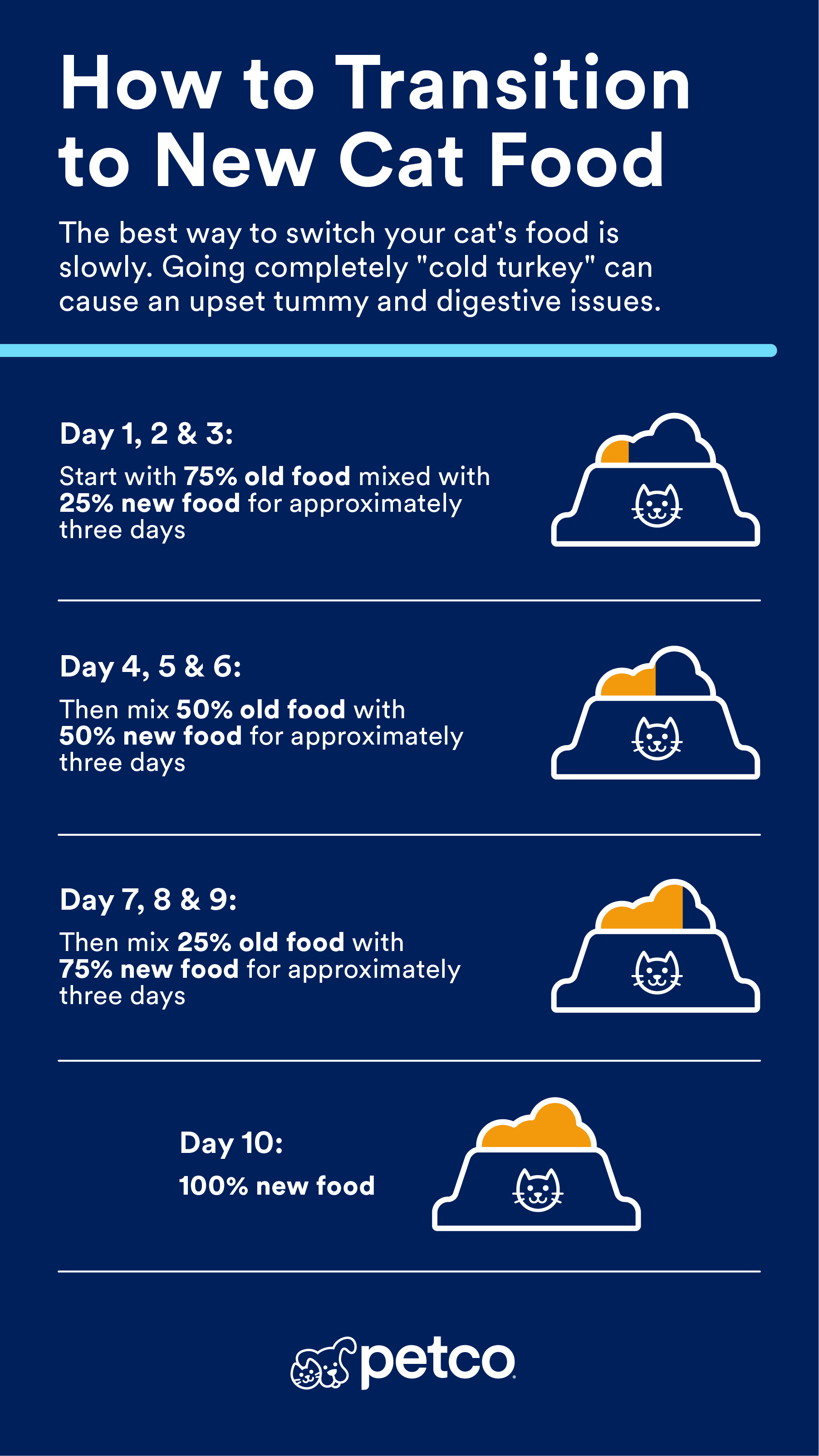
Introducing a mix of dry and wet food should be done gradually to avoid upsetting your cat's stomach. Start by adding a small amount of wet food to the usual dry food portion. Monitor how your cat responds to the new mix.
Increase the amount of wet food slowly over a week or two. This allows your cat's digestive system to adjust to the new diet. It's an opportunity to observe any changes in your cat's eating habits or health.
Have you noticed any changes in your cat's behavior or health with new food mixes? Share your experiences and findings with fellow cat owners. Learning from each other can be incredibly beneficial.
Credit: www.chewy.com
Potential Risks
Mixing dry and wet cat food can lead to digestive issues for some cats. It may also increase the risk of bacterial contamination. Always consult a veterinarian to ensure your cat's diet is safe and balanced.
Mixing dry and wet cat food might seem harmless. Yet, it poses potential risks that pet owners should know. Cats have sensitive systems, and changes in their diet can lead to issues. Understanding the risks can help in making informed decisions.
Digestive Issues
A sudden change in food can upset a cat's stomach. Dry food and wet food digest differently. Combining them might confuse their digestive system. This can lead to vomiting or diarrhea. Cats may struggle with the transition. Their stomach needs time to adjust.
Allergic Reactions
Mixing foods can introduce new allergens. Cats may react to ingredients in wet or dry food. Allergic reactions can appear as skin irritations or digestive problems. Identifying the allergen becomes tough when multiple foods are involved. Cats need consistent diets to avoid allergies.
Expert Recommendations
Mixing dry and wet cat food can enhance your pet's diet, providing balanced nutrition and variety. Experts suggest combining them in suitable portions to ensure your cat receives essential nutrients and stays hydrated. Adjust quantities based on your cat's age, size, and activity level for optimal health.
Mixing dry and wet cat food can be a great way to enhance your feline's diet, but how can you do it effectively? Experts have weighed in, offering valuable insights on how to balance these two types of food to ensure your cat receives optimal nutrition. Below, you'll find expert recommendations from veterinarians and nutritionists that will guide you in making the best choice for your pet.
Veterinarian Insights
Veterinarians often recommend mixing dry and wet cat food for a balanced diet. Dry food helps maintain dental health by reducing plaque build-up, while wet food provides hydration benefits. A vet may suggest starting with a small ratio of wet food mixed with dry food. This gradual introduction can help your cat adjust without digestive issues. Consider your cat's age and health condition. Kittens and senior cats might have different dietary needs that a vet can address.
Nutritionist Advice
Nutritionists focus on the nutritional value that each type of food offers. Dry food often has higher carbohydrate content, while wet food is typically richer in proteins and fats. Mixing can help balance these nutrients, providing a more complete diet for your cat. A nutritionist might advise mixing based on your cat’s specific dietary requirements, such as weight management or allergy concerns. Experiment with different brands and flavors to keep your cat interested in its meals. A nutritionist can recommend high-quality options that suit your pet’s tastes and health needs. Have you ever wondered if your cat is getting enough hydration from its diet? This approach can ensure they do, while also enjoying diverse flavors.
Credit: www.petco.com
Signs Of A Healthy Mix
Signs of a Healthy Mix Balanced nutrition ensures cats have shiny coats and plenty of energy. Eating both wet and dry food helps. Cats enjoy variety, which can lead to a happier pet.
Mixing dry and wet cat food can be beneficial for your feline friend, but how do you know if you've found the right balance? Observing certain signs can help you determine if your cat is thriving on this diet combination. Understanding these signs will not only ensure your cat's health but also give you peace of mind.
Monitor Weight Changes
Keep an eye on your cat's weight. Sudden weight loss or gain can indicate an imbalance in their diet. Regularly weigh your cat and note any changes. A healthy mix should maintain or gradually improve their weight. Consult with your vet if you notice significant changes. They can provide tailored advice to adjust your cat's diet.
Observe Eating Habits
Pay attention to how your cat approaches mealtime. Does your cat eagerly eat both dry and wet food? A healthy mix should be appealing. If your cat consistently leaves food untouched, it might be time to reassess the proportions. Notice any changes in their eating speed. A sudden change could indicate dietary dissatisfaction or a health issue. By focusing on these signs, you can ensure that mixing dry and wet food contributes positively to your cat's health.
Common Mistakes To Avoid
Mixing dry and wet cat food requires careful balance. Too much wet food can lead to dental issues. Always monitor your cat's weight and hydration when combining these food types.
Mixing dry and wet cat food can be beneficial. It offers variety and helps maintain hydration. Yet, there are common mistakes to avoid. These mistakes can affect your cat's health and nutrition. Understanding these pitfalls will help you make better decisions.
Overfeeding Concerns
Overfeeding is a major issue. Mixing dry and wet food can lead to excess intake. Cats have different caloric needs based on age and activity. Too much food can cause obesity. Measure portions carefully. Use feeding guides on packaging. Monitor your cat's weight regularly.
Ignoring Dietary Needs
Cats need specific nutrients. Ignoring dietary needs can lead to health problems. Balance is key when mixing foods. Dry food often has more carbohydrates. Wet food usually contains more protein. Ensure your cat gets enough protein. Check labels for nutritional content. Consult a vet if unsure.
Frequently Asked Questions
Can You Mix Dry And Wet Cat Food In One Bowl?
Yes, you can mix dry and wet cat food in one bowl. Ensure proper portion sizes to maintain a balanced diet. Mixing can enhance taste and hydration, promoting better eating habits. Adjust to your cat's preferences and monitor for any digestive issues.
How Much To Feed A Cat When Mixing Wet And Dry Food?
Feed your cat 50% wet food and 50% dry food daily. Adjust based on weight and health needs. Consult your vet for specific guidance. Monitor your cat's weight and adjust portions as needed to maintain a healthy weight. Always ensure fresh water is available.
What Is The 25 Rule For Cat Food?
The 25 rule means the cat food contains at least 25% of a specific named ingredient. This applies to terms like "dinner," "platter," or "entrée" on labels. Ensure the ingredient is prominently listed and meets the percentage requirement for transparency and nutritional balance.
How To Mix Dry And Wet Food To Get A Good Mix Cat?
Gradually introduce wet food into your cat's dry food diet. Mix small amounts of wet food with dry, increasing the wet portion over time. Ensure both foods are nutritionally balanced and suited for your cat's needs. Regularly consult a veterinarian for tailored advice on feeding proportions and schedules.
Conclusion
Mixing dry and wet cat food can be a smart choice. It offers variety and balances nutrition for your cat's diet. Cats enjoy different textures and flavors. Ensure you consult your vet for the right proportions. This helps maintain your cat's health and happiness.
Monitor your cat's weight and health regularly. Adjust the food mix as needed. Experimenting can find what your cat likes best. Always prioritize your cat's well-being. Keep feeding routines consistent. A balanced diet ensures a happy and healthy cat. Enjoy the benefits of a well-fed feline friend.