

Are you wondering just how much wet cat food to feed your feline friend? You're not alone.
Many cat owners struggle with finding the right balance to keep their pets healthy and satisfied. Feeding your cat the right amount is crucial for their well-being, but it can be tricky to figure out the perfect portion. Too little, and your cat might be hungry; too much, and you risk overfeeding, which can lead to obesity and health issues.
You want what's best for your furry companion, and understanding their dietary needs is key to ensuring they lead a happy, healthy life. Dive into this article to discover the optimal feeding guidelines and tips tailored just for your cat's needs. Your cat deserves the best, and this guide will help you make informed choices.
Wet Cat Food Basics
Understanding the basics of wet cat food is crucial for cat owners. Wet cat food offers various benefits and comes in different forms. Knowing the types and nutritional value helps make informed choices for your feline friend.
Types Of Wet Cat Food
Wet cat food comes in cans, pouches, and trays. Each offers unique advantages. Canned food is popular and widely available. It often has a rich, moist texture. Pouches are convenient and easy to store. They are perfect for portion control. Trays provide a fresh, single-serving option. They reduce waste and keep food fresh.
Nutritional Benefits
Wet cat food is high in moisture, aiding hydration. Cats often need extra water in their diet. Wet food supports urinary tract health. It usually contains high protein levels. This supports muscle maintenance and growth. Essential vitamins and minerals enhance overall health. Your cat gets balanced nutrition in every bite.
Credit: purinaexpress.com
Determining Portion Sizes
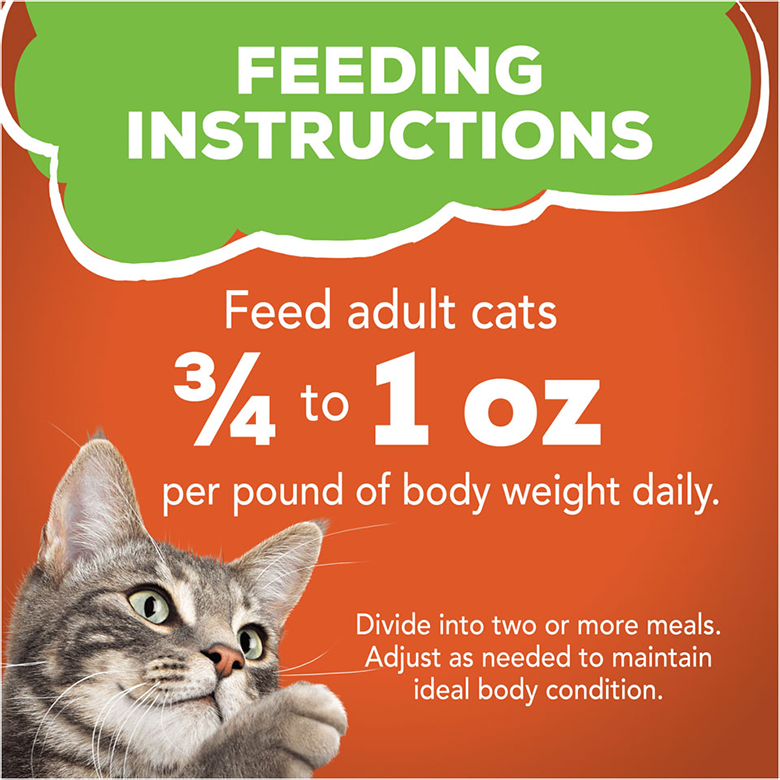
Finding the right amount of wet cat food can be tricky. Consider your cat's weight and age. Check the packaging for feeding guidelines.
Determining how much wet cat food to feed your cat involves understanding their unique needs. Every cat has specific dietary requirements based on several factors. Recognizing these factors can help ensure your feline friend stays healthy and happy.
Factors Affecting Quantity
Different elements influence the amount of wet food a cat should consume. The type of food, the quality, and even the cat's personal preferences play a role. High-quality wet food often contains more nutrients, reducing the quantity needed for a balanced diet. It's essential to consider the moisture content, as it affects hydration levels.
Age And Weight Considerations
A cat's age and weight significantly impact portion sizes. Kittens require more calories for growth, while older cats need fewer calories. A heavier cat may need less food to avoid obesity. Weight management is crucial for maintaining overall health. Regularly check your cat's weight and adjust portions as necessary.
Activity Level And Lifestyle
Cats with high activity levels burn more calories. Active cats may require larger portions to sustain energy. Conversely, indoor cats or those with a sedentary lifestyle might need less food. Lifestyle factors, such as stress or changes in routine, can also affect feeding amounts. Monitor your cat's activity and adjust food portions accordingly.
Feeding Guidelines
Feeding your cat the right amount of wet food is crucial. It ensures they remain healthy and happy. Understanding feeding guidelines can be tricky but essential. Let's explore some key points to help you decide.
Manufacturer Recommendations
Manufacturers often provide feeding instructions on the packaging. These guidelines are based on a cat's weight and age. For example, a typical recommendation might be 3 ounces of wet food per 3 pounds of body weight. Always check the label for specific details. This provides a starting point for how much to feed. But remember, each cat's needs can vary.
Veterinarian Advice
Consulting your veterinarian is wise. They can offer personalized feeding advice. Vets consider your cat's health, activity level, and age. They may suggest adjustments to manufacturer guidelines. This ensures your cat receives the right nutrition. Regular check-ups help monitor your cat's dietary needs.
Signs Of Overfeeding
Understanding the signs of overfeeding your cat is important. Overfeeding can lead to health issues. Wet cat food is nutritious, but portion control is key. Let's explore the signs indicating your cat might be getting too much food.
Weight Gain Indicators
Sudden weight gain is a clear sign of overfeeding. Monitor your cat's weight regularly. A visible layer of fat can indicate overeating. The ribcage should be easily felt. If not, your cat might be overweight. Use a pet scale to track weight changes.
Behavioral Changes
Overfed cats may show unusual behavior. They might become lethargic or inactive. Lack of playfulness can be a red flag. Your cat might also beg for food more often. This can be a learned behavior. It's important to maintain a feeding schedule. Sticking to it helps manage portion control.
Adjusting Food Amounts
Determining the right amount of wet cat food is essential for your cat's health. Consider your cat's age, weight, and activity level when deciding portions. Always check the feeding guidelines on the food packaging for specific recommendations.
Adjusting food amounts for your feline friend is essential to ensure they remain healthy and happy. Every cat is unique, and their dietary needs can vary based on factors like age, weight, activity level, and even the brand of wet cat food. By tailoring the amount you feed your cat, you're taking an important step toward their overall well-being.
Monitoring Health
Keeping an eye on your cat's health is crucial when adjusting their food intake. Regularly check their weight and body condition. A simple way to do this is by gently feeling their ribs; if you can feel them easily without pressing hard, your cat is likely in good shape. Observe your cat's energy levels and coat condition. A shiny coat and playful demeanor often indicate they're receiving the right nutrition. If you notice any changes, it might be time to reassess their food portions.
Adjustments For Special Needs Cats
Cats with special needs require more careful consideration in their diet. Senior cats, for instance, might need fewer calories due to reduced activity levels. On the other hand, a kitten or a nursing mother cat will require more nutrients and energy. If your cat has a medical condition, consult your vet for tailored advice. They can recommend specific dietary adjustments and help you choose the right wet food to support your cat's health. When was the last time you evaluated your cat’s food portions? Taking the time to adjust their diet can make a world of difference in their quality of life.
Credit: stellarnook.com
Common Feeding Mistakes
Determining the right amount of wet cat food is crucial. Overfeeding leads to obesity, while underfeeding may cause nutritional deficiencies. Always check the food package for guidance based on your cat's weight and age. Adjust portions if your cat is gaining or losing weight.
Understanding how much wet cat food to feed your feline friend can often feel overwhelming. It's easy to make mistakes, but being aware of them can help you avoid common pitfalls. Let's dive into some typical feeding errors to ensure your cat stays healthy and happy.
Ignoring Labels
It's tempting to just scoop and serve without a second thought, but cat food labels hold essential information. They provide guidelines on the amount of food based on your cat's weight and activity level. Have you ever considered if you are overfeeding or underfeeding by not checking these labels? Taking a moment to read and follow the feeding instructions can make a big difference in your cat's health. It's a simple step that many overlook, but it ensures your cat gets the right nutrients without excess calories.
Inconsistent Feeding Times
Cats thrive on routine, and inconsistent feeding times can disrupt their digestive system and behavior. Have you ever noticed your cat getting anxious or restless around mealtime? Feeding your cat at the same times each day helps maintain their internal clock. It also provides a sense of security and predictability in their environment. Establishing a regular schedule can turn mealtime into a peaceful and bonding experience for both of you. By addressing these common feeding mistakes, you can provide your cat with a balanced and healthy diet. Remember, your attention to detail makes a significant impact on your furry friend's well-being.
Balanced Diet Tips
Creating a balanced diet for your cat involves more than just picking any food. Cats need a mix of nutrients to stay healthy and happy. Wet cat food is an essential part of this mix. It provides hydration and essential nutrients. But don't forget the other elements of a balanced diet. Let's explore how to incorporate dry food and treats into your cat's meals.
Incorporating Dry Food
Dry food is a good addition to a cat's diet. It helps with dental health by reducing plaque. Choose a high-quality dry food for the best results. Mix it with wet food to provide variety. Cats enjoy different textures, which keeps them interested in their meals. Ensure the dry food is rich in protein and low in carbs.
Including Treats
Treats are a fun way to reward your cat. But they should not replace regular meals. Look for treats that are nutritious and low in calories. Use them to reinforce good behavior or during training sessions. Limit treats to 10% of your cat's daily intake. This way, treats remain special and do not lead to weight gain.

Credit: www.tiktok.com
Frequently Asked Questions
How Much Wet Cat Food Should You Feed A Cat Each Day?
Feed your cat about 3-5 ounces of wet food per 5 pounds of body weight daily. Adjust amounts based on your cat's age, activity level, and health needs. Consult your veterinarian for personalized advice and recommendations. Always provide fresh water alongside wet food to keep your cat hydrated.
Is 2 Ounces Of Wet Food Enough For A Cat?
Two ounces of wet food may not suffice for most cats. Adult cats typically need 3-5 ounces daily. Consult your vet for precise feeding guidelines based on your cat's weight, age, and activity level. Ensure your cat receives balanced nutrition for optimal health.
How Much Wet Food For Adult Cats?
Adult cats typically need 3-4 ounces of wet food daily. This amount can vary based on their weight and activity level. It's crucial to adjust portions according to your cat's individual needs. Consult your veterinarian for personalized feeding recommendations to ensure your cat maintains a healthy weight.
Can Kittens Eat Wet Cat Food?
Yes, kittens can eat wet cat food. Wet food is often easier for them to chew and digest. It's important to select formulas specifically designed for kittens. These formulas have the necessary nutrients for growth and development. Always follow feeding guidelines on the packaging for optimal health.
Conclusion
Feeding your cat wet food needs care. Each cat has unique needs. Age, weight, and activity affect food amounts. Start with label guidelines. Adjust as needed. Watch your cat’s weight. Monitor their health. Sometimes less is more. A healthy cat means happiness.
Consult your vet for advice. They know your cat best. Keep meals regular. Balance is key. Treats are okay, but not too many. Remember, love and care make a happy cat. Wet food can be tasty. It also hydrates well.
Choose wisely for your furry friend.