
Ever found yourself wondering just how much wet cat food your feline friend should be gobbling up each day? You're not alone.
This question often pops up among cat owners who want to ensure their pets stay healthy and happy. Understanding the right portion sizes is crucial for your cat’s well-being and longevity. Imagine a world where your cat maintains a perfect weight, has a glossy coat, and looks forward to mealtime with excitement.
Achieving this is within reach, and it starts with knowing the ideal amount of wet cat food to serve daily. Let's dive into the essentials that will help you make informed decisions about your cat's diet, ensuring they get all the nutrients they need without overfeeding. Keep reading, and you'll discover practical tips that you can apply right away to enhance your cat's health.

Credit: www.petmd.com
Daily Nutritional Needs
Cats require specific nutrients for a healthy life. Understanding their daily needs is crucial. The amount of wet cat food they need varies. It depends on several factors. Age, weight, and activity level all play a role. Let's explore the importance of a balanced diet and essential nutrients.
Importance Of Balanced Diet
A balanced diet ensures your cat gets all the necessary nutrients. Without balance, cats may face health issues. Too much or too little food affects their well-being. Obesity or malnutrition can result from improper feeding. A balanced diet supports a cat's growth and energy levels. It maintains their overall health.
Essential Nutrients For Cats
Cats need specific nutrients to thrive. Protein is vital for muscle development. It helps in tissue repair and growth. Taurine is crucial for heart and eye health. Cats can't produce it naturally. They need it in their diet. Fats provide energy and support skin health. Omega-3 and Omega-6 fatty acids are important.
Vitamins and minerals are also essential. They support various bodily functions. Calcium and phosphorus are necessary for strong bones. Vitamins A, D, and E are vital for overall health. Ensure your cat's food contains these nutrients. This keeps them healthy and active.
Factors Affecting Food Quantity
Determining the right amount of wet cat food for your feline friend isn't a one-size-fits-all approach. Various factors influence the quantity you should serve, ensuring your cat stays healthy and happy. It's not just about filling the bowl but understanding your cat's unique needs. Let's dive into some key factors you should consider when deciding on the daily amount of wet food.
Age And Life Stage
Your cat’s age is a significant factor in deciding how much wet food they need. Kittens, bustling with energy and growing rapidly, require more frequent feeding compared to adult cats. As they mature, their metabolism slows, and their dietary needs change. Senior cats might need less food, but higher nutritional content to support their aging bodies.
Weight And Activity Level
Is your cat a couch potato or an adventurous explorer? Active cats burn more calories and might need more food to maintain their energy levels. Conversely, overweight cats may require a controlled amount to help shed those extra pounds. Regular weigh-ins and activity assessments can guide you in adjusting portions effectively.
Health Conditions
Health plays a crucial role in dietary needs. Cats with conditions like diabetes or kidney disease might need specialized diets. Consult with a vet to tailor their food intake to support their health. Consider how your cat’s health could affect their appetite and dietary requirements.
By considering these factors, you can ensure that you're serving the right amount of wet cat food tailored to your pet's needs. Do you regularly adjust your cat's diet based on these factors? It could be the key to their long-term health and happiness!
Calculating The Right Amount
Understanding the right amount of wet cat food to serve each day is essential for your feline's health. Cats need balanced nutrition to maintain their energy and overall well-being. Feeding the correct portion helps prevent obesity and ensures your cat gets all the nutrients they need. Knowing how much to feed can be confusing, but with some guidance, you can easily manage your cat's diet.
Recommended Serving Sizes
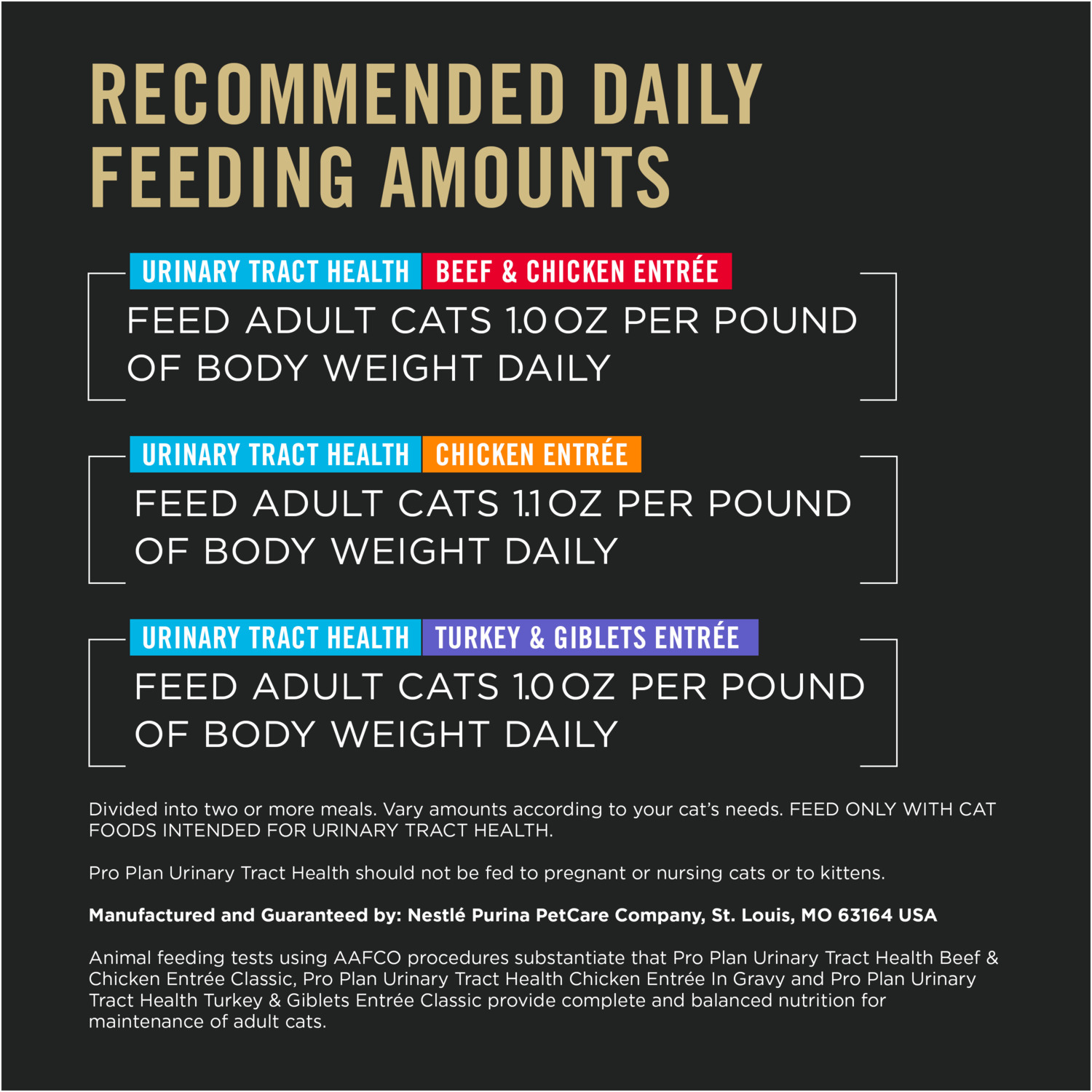
Many wet cat food brands suggest serving sizes on their packaging. Typically, adult cats weighing around 10 pounds need about 5 to 6 ounces of wet food daily. This can vary based on your cat's age, activity level, and health conditions. Kittens and older cats might require different amounts. It's crucial to adjust serving sizes based on individual needs.
Using Feeding Guidelines
Feeding guidelines are often found on the cat food label. These guidelines consider factors like weight and age. They provide a starting point for determining how much to feed your cat. Monitoring your cat's weight and body condition can help you adjust portions. Remember, these guidelines are just estimates. Always consider your cat's lifestyle and health when deciding the portion.
Choosing The Right Wet Food
Finding the right amount of wet cat food is essential for your pet's health. Typically, cats need about 3 to 5 ounces of wet food daily, depending on their weight and activity level. Always check the label for serving recommendations.
Choosing the right wet cat food is vital for your cat's health. It ensures they get the nutrients they need for energy and growth. Picking a high-quality product can make a big difference. Let's explore key factors to consider.
Quality Ingredients
Look for foods with real meat as the first ingredient. Avoid products with fillers like corn or soy. These do not provide much nutritional value. Preservatives and artificial colors should be limited. Natural ingredients promote better health and digestion. Check the label for recognizable ingredients.
Protein And Fat Content
Cats are obligate carnivores, needing high protein in their diet. Ensure the food has a protein content between 30-40%. Fat is also essential, providing energy and supporting cell growth. Aim for a fat content around 15-20%. These nutrients keep your cat active and healthy. Always balance protein and fat for optimal nutrition.
Feeding Schedules
Determining the right amount of wet cat food is essential for your pet's health. Most cats require about 3-5 ounces daily, depending on their size and activity level. Adjust portions based on your cat's needs and consult with a veterinarian for personalized advice.
Feeding schedules are crucial for your cat's health and happiness. They ensure your cat gets the right amount of food each day. A consistent feeding routine can prevent overeating and promote a healthy weight. Understanding the best schedule for your cat involves knowing how often and how much to feed.
Frequency Of Meals
Cats thrive on routine. Most cats benefit from two or three meals a day. This schedule mimics their natural eating habits. Some cats may prefer smaller, more frequent meals. It depends on their age, health, and activity level.
Portion Control Strategies
Portion control keeps your cat at a healthy weight. Start by reading the food label for guidelines. Adjust portions based on your cat's needs. Use a measuring cup for accuracy. Avoid overfeeding to prevent weight gain. Regularly check your cat's weight and adjust portions.
Credit: www.petsupermarket.com
Monitoring And Adjusting Intake
Determining the right amount of wet cat food requires careful observation. Adult cats typically need 3 to 5 ounces daily. Adjustments depend on age, weight, and activity level.
Monitoring and Adjusting Intake Feeding your cat the right amount of wet food is crucial for their health. But how do you know if you're giving the right amount? Monitoring and adjusting their intake is key. It's not just about following guidelines on food packages; you need to observe and react to your cat's unique needs.
Observing Weight Changes
Regularly check your cat's weight to see if they're gaining or losing pounds. A small, inexpensive pet scale can be your best friend. Track these changes over time. Are they consistently gaining weight despite a healthy diet? It might be time to cut back a little. Conversely, if they're losing weight, you might need to add more wet food to their diet.
Signs Of Overfeeding Or Underfeeding
Pay close attention to your cat’s behavior and physical appearance. Is their coat glossy and smooth, or has it become dull and dry? Overfeeding can lead to obesity, lethargy, and even diabetes. Underfeeding, on the other hand, might cause them to be overly hungry, restless, or even anxious. Look for changes in their stool. Unusual consistency or frequency can be a sign that their diet needs tweaking. Are you noticing more hairballs or vomiting? These could be red flags of dietary imbalance. Adjusting your cat’s food intake based on these observations can make a significant difference. How often do you reassess your pet’s diet?
Common Feeding Mistakes
Determining the right amount of wet cat food can prevent overfeeding. Many owners unknowingly give their cats too much or too little, impacting health. Ensure a balanced diet by consulting feeding guidelines and monitoring your cat's weight regularly.
Common Feeding Mistakes Feeding your cat the right amount of wet food is crucial for its health and happiness. Yet, many cat owners unknowingly make mistakes that can lead to overfeeding or underfeeding. Recognizing these common pitfalls can make a big difference in your cat’s well-being.
Ignoring Individual Needs
Every cat is unique, with its own set of dietary needs and preferences. A one-size-fits-all approach might leave your feline friend hungry or overfed. Consider their age, weight, activity level, and even health conditions when determining the right portion size. I once fed my cat the same amount as my neighbor’s cat, only to realize my cat was gaining weight rapidly. It taught me the importance of catering to individual needs rather than following general guidelines.
Inconsistent Feeding Patterns
Cats thrive on routine, and inconsistent feeding times can lead to stress and digestive issues. Sticking to a regular feeding schedule helps maintain your cat’s metabolism and mood. Imagine how you’d feel if your meals were unpredictable each day. Just like humans, cats appreciate consistency and knowing when their next meal is coming. Set a feeding routine that works for both you and your cat, and try to stick to it as closely as possible. By understanding these common feeding mistakes, you can ensure your cat enjoys a balanced diet and a happy life. Are there any specific feeding challenges you've faced with your cat?
Expert Tips For Cat Owners
Understanding how much wet cat food your feline friend needs is crucial. Cats have unique dietary needs, and feeding them the right amount can keep them healthy. Expert tips can guide you in making the best choices for your cat's diet.
Consulting Veterinarians
Always seek advice from a veterinarian for your cat's diet. They understand your cat's health needs and can recommend the right food amount. Each cat is different. Factors like age, weight, and activity level matter. A vet can tailor advice specific to your cat.
Regular check-ups help adjust the diet as needed. Vets can spot health changes early. This is vital for maintaining a healthy diet plan. A vet's guidance ensures your cat gets balanced nutrition.
Adapting To Dietary Changes
Cats can be sensitive to changes in their diet. Gradually introduce new foods to avoid digestive issues. Start with a small amount of the new food. Mix it with the current food to ease the transition.
Observe your cat's reaction to new food. Look for signs of allergies or discomfort. Adjust the portions based on your cat's response. Patience is key in adapting to dietary changes.
Monitor your cat's weight and health regularly. This helps ensure they receive the right amount of food. Proper adaptation can lead to a happier and healthier cat.
Credit: www.purina.com
Frequently Asked Questions
How Many Ounces Of Wet Food Do Cats Eat A Day?
Cats typically eat 3-5 ounces of wet food daily. This amount varies based on age, weight, and activity level. Consult your veterinarian for personalized feeding advice. Ensure the food is high-quality and meets nutritional needs. Divide portions into smaller meals throughout the day for optimal digestion and satisfaction.
Is 2 Cans Of Wet Food Too Much For A Cat?
Two cans of wet food might be too much for some cats. It depends on their size, age, and activity level. Consult your veterinarian for specific dietary recommendations tailored to your cat's needs. Always monitor your cat's weight and adjust portions as necessary to maintain optimal health.
How Much Wet Cat Food Daily For Adults?
Adult cats typically need between 3 to 5 ounces of wet food per day. This varies depending on their weight, age, and activity level. It's crucial to consult your vet for personalized advice. Adjust based on your cat's health and dietary needs for optimal nutrition.
Is Wet Cat Food Better Than Dry Food?
Wet cat food generally offers more moisture and protein, beneficial for hydration and muscle health. It's often more palatable, encouraging picky eaters to consume sufficient nutrients. However, the best choice depends on your cat's specific needs. Consider discussing options with your veterinarian for tailored advice.
Conclusion
Balancing your cat’s diet is crucial for their health. Feed them the right amount of wet food. It keeps them energetic and happy. Check the packaging for serving suggestions. Observe your cat’s behavior and weight. Adjust portions if needed. Consult a vet for personalized advice.
Every cat has unique dietary needs. Pay attention to their needs. Too much food can lead to weight issues. Not enough might leave them hungry. Strive for a balanced meal each day. A happy cat is a healthy cat.